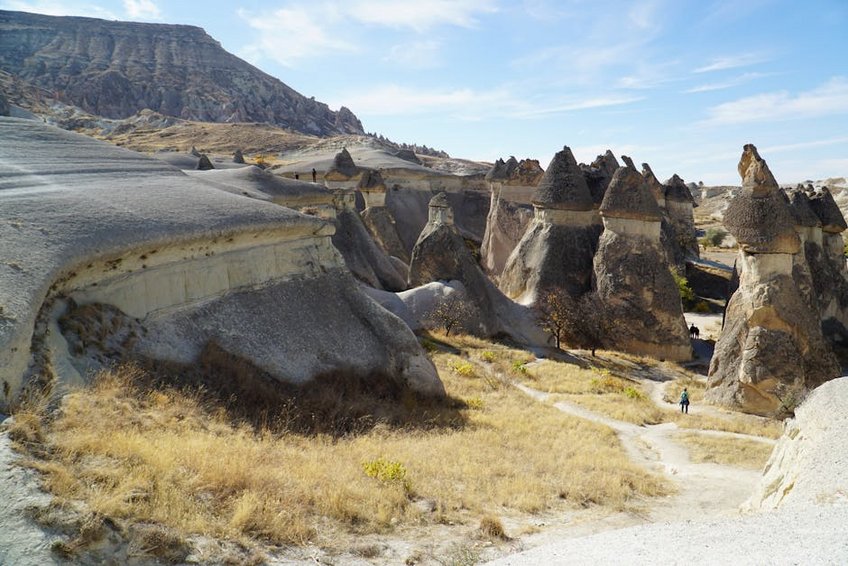
Turkey Göreme Open Air Museum: Exploring Ancient Rock-Cut Churches
The Turkey Göreme Open Air Museum showcases an extraordinary collection of rock-cut churches and monastic dwellings dating from the 10th to 12th centuries. This UNESCO World Heritage site preserves stunning Byzantine frescoes depicting biblical scenes within Cappadocia’s unique volcanic landscape. Your visit reveals early Christian history through remarkably preserved architecture and art accessible via well-maintained pathways.
Essential Historical Background
Göreme Valley served as a monastic center during the Byzantine Empire, with monks carving churches directly into soft tuff rock formations. These structures provided sanctuary and worship spaces for Christian communities amid regional political changes. The site’s isolation helped preserve its artistic and architectural integrity for modern discovery.
UNESCO designated the museum a World Heritage site in 1985, recognizing its outstanding cultural value. This protection ensures conservation of the fragile frescoes and structural elements from environmental damage. Ongoing restoration projects maintain the balance between accessibility and preservation for future generations.
Historical Timeline and Significance
Understanding the chronology enhances appreciation for this archaeological treasure.
- 4th-9th Centuries: Early Christian ascetics established hermitages in Cappadocia’s caves, beginning the region’s monastic tradition.
- 10th-12th Centuries: Peak construction period for painted churches like Tokalı Kilise and Karanlık Kilise under Byzantine rule.
- 1924-Present: Systematic documentation and preservation efforts transformed the area into Turkey’s most visited open-air museum.
- Budget travelers spend $25-40 daily using public dolmuş transportation, self-guided tours, and bringing water/snacks to avoid onsite cafe prices.
- Mid-range visitors allocate $45-65 for guided small-group tours, taxi transfers between sites, and combination tickets including other Cappadocia attractions.
- Luxury experiences cost $70-100+ featuring private expert guides, priority access tickets, and customized itineraries with transportation included.
- Turkish Ministry of Culture and Tourism
- UNESCO World Heritage Centre
Architectural Features and Styles
Churches display varying architectural plans including basilica, cross-in-square, and simple rectangular layouts. Builders utilized natural cave formations while adding carved columns, arches, and domes to create sacred spaces. The rock-hewn technique provided excellent insulation against Cappadocia’s temperature extremes.
Fresco decoration follows distinct stylistic periods from simple red ochre designs to elaborate multicolor biblical narratives. Later paintings show increasing sophistication in perspective and emotional expression in religious figures. Preservation quality varies with some churches retaining vibrant colors while others show significant fading.
Key Historical Figures and Events
Basil the Great influenced early monastic development in Cappadocia during the 4th century. Iconoclastic controversies temporarily affected religious art production before the Triumph of Orthodoxy in 843 CE. Seljuk and Ottoman periods saw continued Christian worship alongside growing Muslim presence in the region.
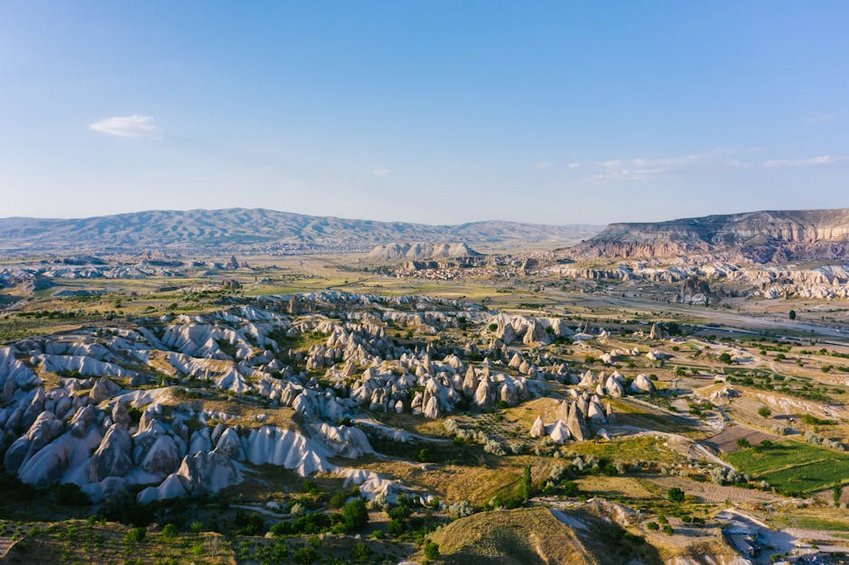
Alt: “goreme-open-air-museum-rock-churches-byzantine-frescoes”
Planning Your Turkey Göreme Open Air Museum Trip
Visiting the Turkey Göreme Open Air Museum requires strategic timing to avoid crowds and extreme weather conditions. Spring and autumn months provide ideal conditions with comfortable temperatures between 60-75°F (15-24°C) and smaller visitor numbers. Advance ticket purchases online save significant queue time during peak hours.
Budget approximately $50-75 daily for museum entry, transportation, and guided services depending on your travel style. The museum’s central location in Cappadocia makes it easily combinable with other regional attractions like underground cities and fairy chimneys. Allow minimum three hours to properly explore the main churches and pathways.
Best Time to Visit Göreme Open Air Museum
April through June offers optimal conditions with wildflowers blooming and temperatures averaging 65-80°F (18-27°C). These months provide excellent photography light with longer daylight hours and manageable tourist numbers. September and October similarly deliver pleasant weather before winter closures affect some areas.
July and August see peak visitation with temperatures reaching 90°F (32°C) and significant crowding at popular churches. Winter months from November to March offer solitude but some pathways may close during snow or ice conditions. Early morning visits year-round provide the best lighting for fresco photography.
Budget Planning and Costs
Consider these expenditure tiers when planning your museum visit.
Essential Preparation Checklist
Wear sturdy walking shoes with good grip for uneven stone pathways and gentle inclines throughout the museum complex. Bring water, sun protection, and layered clothing as temperatures vary significantly between exposed areas and church interiors. Photography permits are required for professional equipment beyond basic cameras and smartphones.
Download the official museum app for self-guided audio tours available in multiple languages before your visit. Check the museum website for unexpected closures due to weather or restoration work, especially during winter months. Carry Turkish Lira for small purchases as not all vendors accept credit cards.
Top Attractions and Activities
The museum complex contains numerous churches and chapels showcasing different architectural periods and artistic styles. Tokalı Kilise represents the largest and most impressive church with extensive fresco cycles covering New Testament stories. Karanlık Kilise requires separate admission but offers the best-preserved paintings due to limited light exposure.
Elmalı Kilise features beautifully detailed frescoes against a distinctive red background with well-preserved architectural elements. Yılanlı Kilise contains unique serpent-themed paintings that differentiate it from other churches in the complex. The monastic refectory and kitchen areas provide insight into daily life for religious communities.
Must-See Churches and Frescoes
Tokalı Kilise (Buckle Church) displays four distinct architectural phases with frescoes dating from 10th-12th centuries. The New Church section contains vibrant blue-background paintings depicting Christ’s life in exceptional detail. Allow 30-45 minutes to fully appreciate this church’s artistic significance.
Karanlık Kilise (Dark Church) charges additional entry fee but delivers Cappadocia’s finest preserved Byzantine art. Limited light penetration through one small window protected the pigments for centuries. Restoration revealed brilliant colors in scenes from Christ’s infancy and ministry.
Çarıklı Kilise (Sandal Church) derives its name from footprint impressions near the entrance, possibly representing Christ’s ascension. The church features well-composed Deesis scene and detailed Passion cycle frescoes. Its easily accessible location makes it ideal for visitors with limited mobility.
Hidden Gems and Lesser-Known Areas
The Azize Barbara Şapeli (St. Barbara Chapel) contains geometric patterns and military saints instead of standard biblical narratives. Its unusual iconography suggests possible protection symbolism for local communities. This smaller chapel often has shorter queues than main churches.
Explore the rock-cut monastery quarters behind the main church complex to understand monastic daily life. Carved sleeping niches, storage areas, and common spaces show practical adaptation to cave living. These areas receive fewer visitors despite their historical significance.
Guided Tours and Educational Resources
Official museum guides provide 90-minute tours covering historical context and artistic interpretation of major churches. Private specialists offer deeper analysis of iconography and architecture for serious art history enthusiasts. Audio guides available in eight languages deliver flexible self-paced exploration.
Combination tickets include access to nearby sites like the Göreme Panoramic Viewpoint and Zelve Open Air Museum. Photography workshops focus on capturing fresco details and architectural elements in changing light conditions. Educational programs for children make the history accessible through interactive activities.
Practical Travel Information
Göreme town serves as the ideal base with numerous accommodation options within 10-15 minutes drive from the museum entrance. Public dolmuş (minibuses) run regularly from Göreme bus station to the museum for approximately $1-2 per person. Taxis provide convenient door-to-door service for groups or those with limited mobility.
The museum operates year-round with extended summer hours from 8:00 AM to 7:00 PM (April-October) and reduced winter schedule. Purchase tickets online through the official Ministry of Culture website to bypass potentially long queues. Combination tickets offer better value when visiting multiple Cappadocia museums within three days.
| Category | Options/Features | Price Range (USD) |
|---|---|---|
| Museum Entry | Basic admission, audio guide rental, photography permit | $15-25 |
| Guided Tours | Group tours (2 hours), private guides, specialized art tours | $20-75 |
| Transportation | Dolmuş from Göreme, taxi service, rental car parking | $2-15 |
| Combination Tickets | Includes Zelve Museum, Özkonak Underground City | $30-40 |