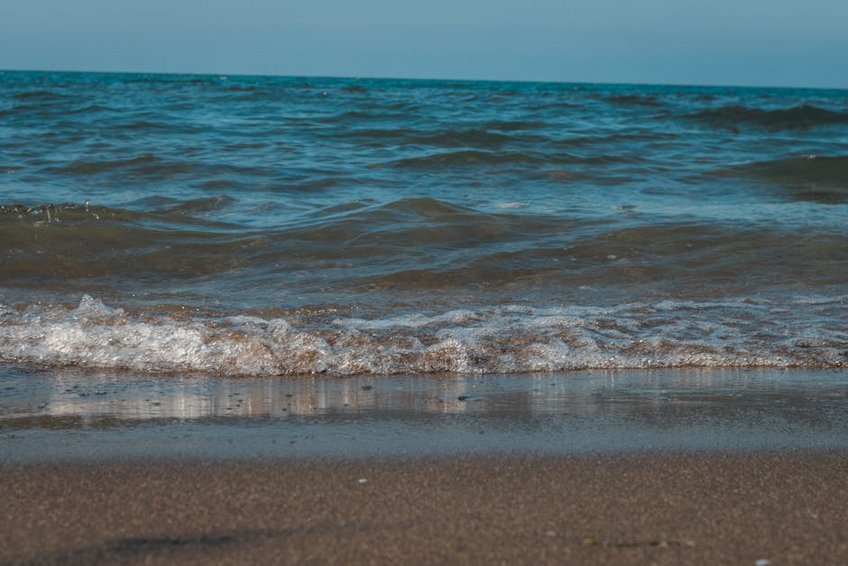
Trabzon Travel Guide: Discovering Turkey’s Black Sea Jewel
This Trabzon travel guide introduces you to a captivating Turkish city where dramatic mountain scenery meets a rich cultural tapestry shaped by empires. Positioned along the vibrant Black Sea coast, Trabzon offers a unique blend of ancient Byzantine history, lush highland plateaus, and dynamic urban energy. Our guide provides the essential planning details, from navigating the old city’s cobbled lanes to arranging a trip to the iconic Sumela Monastery, ensuring you experience the best of this distinct region.
Essential Trabzon Information
Trabzon serves as the unofficial capital of Turkey’s northeastern Black Sea region, historically known as Trebizond. Its strategic location on historic trade routes fostered a unique cultural identity, separate from both central Anatolia and the Mediterranean coast. The city’s climate is defined by the sea, resulting in mild, wet winters and comfortably warm, humid summers perfect for exploration.
The local economy thrives on fishing, tea cultivation, and hazelnut production, industries you’ll see evidence of throughout the surrounding countryside. Turkish is the primary language, though you might hear some Pontic Greek phrases among older residents in villages. As a modern city with deep roots, Trabzon offers visitors both urban conveniences and a gateway to stunning natural escapes in the nearby Kaçkar Mountains.
What You Need to Know Before You Go
Preparing for a trip to this part of Turkey involves a few key considerations distinct from other Turkish destinations.
- Visa Requirements: Most US, UK, and EU passport holders need an e-Visa for Turkey, which is easily obtained online before travel for tourism stays up to 90 days.
- Local Currency: The Turkish Lira (TRY) is used everywhere. While credit cards are accepted in hotels and larger restaurants, carrying some cash is essential for markets, taxis, and smaller vendors.
- Power & Connectivity: Turkey uses Type F power sockets (220V, 50Hz). Purchasing a local SIM card from providers like Turkcell or Vodafone upon arrival provides affordable data for navigation and translation apps.
- Budget Traveler ($35-50 USD/day): Stay in hostels or guesthouses, eat at local ‘lokanta’ restaurants, use public dolmuş vans for transport, and focus on free sights like strolling the Boztepe Hill or the old city walls. A bed in a dorm costs around $10-15, and a simple meal is $3-5.
- Mid-Range Traveler ($70-120 USD/day): This allows for comfortable 3-star hotels in the city center ($40-60/night), dining at a mix of local and mid-range restaurants, using taxis for convenience, and joining guided day tours to Sumela and Uzungöl ($25-40 per tour).
- Luxury Traveler ($180+ USD/day): Enjoy 4-5 star seaside hotels or boutique properties, private guided tours with transportation, fine dining featuring Black Sea specialties, and perhaps a private driver for multi-day mountain explorations. Luxury hotels average $100-180 per night.
- Turkish Ministry of Culture and Tourism – Trabzon Portal
- UNESCO World Heritage Centre – Sumela Monastery Tentative List
Key Historical and Cultural Details
Trabzon’s history is a compelling layer of its modern identity. It was the capital of the Empire of Trebizond, a successor state to the Byzantine Empire that lasted until 1461. This legacy is visible in the stunning architecture of the Hagia Sophia of Trabzon and the world-famous Sumela Monastery, both reflecting a unique Byzantine style adapted to the local landscape.
The city later became a vital Ottoman port and remains a major hub today. This complex history means the local culture incorporates Greek, Ottoman, Laz, and Turkish influences, particularly evident in the regional cuisine and music. Understanding this background enriches your visit, transforming sights from mere photo opportunities into stories of resilience and cultural fusion.
Navigating Language and Local Customs
While you can manage with English in tourist hotels and major sites, learning a few Turkish phrases is greatly appreciated. Simple greetings like “Merhaba” (Hello) and “Teşekkür ederim” (Thank you) go a long way. The local pace is generally relaxed, but always respectful; dress modestly when visiting mosques or religious sites, covering shoulders and knees.
Tipping, or “bahşiş,” is customary in Turkey. In restaurants, rounding up the bill or leaving 5-10% is standard practice for good service. For taxi drivers, rounding up to the nearest lira is sufficient. This gesture is seen as a sign of appreciation rather than an obligation.
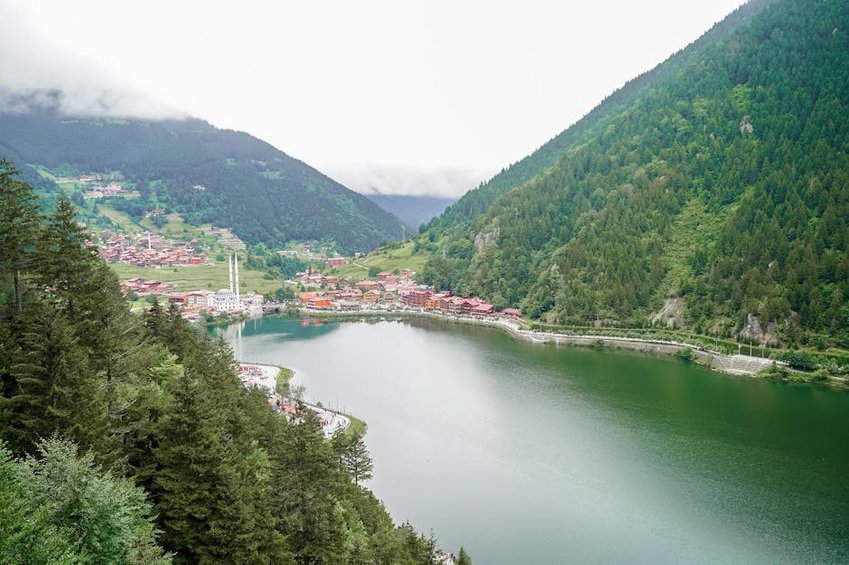
Alt: “trabzon-black-sea-coastline-hagia-sophia-view”
Trabzon Travel Guide – Planning Your Trip
Effective planning transforms a good trip into a great one, especially for a destination with such varied offerings. This Trabzon travel guide section focuses on the crucial logistics of timing, budgeting, and preparation. Your itinerary should balance city exploration with forays into the stunning surrounding nature, from the Pontic Alps to serene coastal villages.
Consider your primary interests—whether they’re history, hiking, or culinary discovery—as this will shape your daily plans. The city itself can be thoroughly explored in two full days, but you’ll want at least three to four additional days to properly visit Sumela Monastery, explore the Uzungöl lake region, and perhaps take a day trip to the atmospheric Atatürk Pavilion. Booking key attractions and inter-city transport in advance is highly recommended during the peak summer season.
Best Time to Visit Trabzon
The ideal window for visiting Trabzon is between late May and early October. During these months, you’ll experience pleasant temperatures ranging from 65°F to 82°F (18°C to 28°C) and minimal rainfall, making it perfect for both city tours and mountain excursions. This is also when all attractions, including Sumela Monastery, are fully accessible and daily boat tours on the Black Sea operate regularly.
Shoulder seasons like April-May and late September-October offer cooler temps of 50-68°F (10-20°C) and fewer tourists, though you may encounter more rain. Winter (November-March) is mild but very wet and foggy, with temperatures between 40-50°F (4-10°C); some mountain roads and sites may have limited access due to weather conditions, but hotel prices are at their lowest.
Budget Planning and Costs
Your daily budget in Trabzon varies significantly based on travel style. Here’s a realistic breakdown for different types of travelers.
Essential Preparation Checklist
Packing for Trabzon requires versatility due to the variable coastal and highland weather. Essential items include a waterproof jacket or compact umbrella, comfortable walking shoes with good grip for uneven historic paths, and layers like a light sweater or fleece for cooler mountain microclimates. Don’t forget a power adapter, a reusable water bottle, and a small daypack for excursions.
Ensure your passport is valid for at least six months beyond your entry date and that you have printed copies of your e-Visa confirmation and hotel reservations. Travel insurance covering medical emergencies and trip interruption is highly advisable. For peace of mind, book your first night’s accommodation and airport transfer in advance, especially if arriving late.
Top Attractions and Activities
Exploring Trabzon reveals a fascinating blend of natural wonders and human artistry. The city’s crown jewel is the breathtaking Sumela Monastery, clinging to a sheer cliff face in Altındere National Park. Equally compelling is the city’s own Hagia Sophia, a magnificent 13th-century church with stunning frescoes, showcasing the architectural legacy of the Empire of Trebizond.
Beyond these iconic sites, the urban fabric invites discovery. Wander through the bustling Meydan Square, explore the labyrinthine lanes of the historic market area, and take in panoramic views from Boztepe Park. Each district offers a different perspective, from the modern port to the traditional neighborhoods that climb the hillsides.
Must-See Highlights
No visit is complete without a trip to Sumela Monastery. This 4th-century Greek Orthodox monastery is a 90-minute drive from the city center into the mountains. Allocate at least half a day for the visit, which involves a scenic walk up a forest path to reach the entrance. The monastery was reopened in 2023 after extensive restoration, and its chapel frescoes are mesmerizing.
Back in the city, the Trabzon Hagia Sophia Museum is essential. It’s smaller than its Istanbul namesake but equally impressive for its well-preserved floor mosaics and biblical frescoes. The Atatürk Pavilion, a beautiful white mansion set in gardens with superb sea views, offers insight into modern Turkish history. Finally, a stroll along the Zagnos Valley Park provides a green escape right in the city heart.
Hidden Gems and Local Favorites
Venture slightly off the main tourist trail to discover Kaymaklı Monastery, a lesser-known rock-cut monastery complex that feels wonderfully secluded. For a truly local experience, visit the Çarşı (Bazaar) area early in the morning to see vendors setting up and to sample fresh simit (sesame bread rings) from street carts.
Take a short dolmuş ride to the suburb of Aşağıhisar to see sections of the ancient Trabzon walls integrated into modern houses. For nature, the serene Sera Lake, formed by a landslide, is a peaceful spot for a picnic, just 10 km from the city center and far less crowded than the famous Uzungöl.
Exploring the Black Sea Coastline
The coastline east and west of Trabzon city is dotted with charming fishing towns and dramatic scenery. Consider a day trip to the town of Sürmene to see the historic Kastel, a unique fortified mansion. Alternatively, head west to the picturesque harbor of Akçaabat, famous for its köfte (meatballs).
For a memorable experience, join a Black Sea boat tour departing from the city port. These tours offer a unique perspective of the city skyline against the backdrop of the Pontic Mountains and are especially beautiful at sunset. Tours typically last 1-2 hours and are very affordable.
Practical Travel Information
Navigating Trabzon is straightforward with a little preparation. The city is served by Trabzon Airport (TZX), located about a 20-minute drive east of the center. Direct flights connect it to Istanbul (1.5 hours), Ankara, and several international hubs seasonally. Upon arrival, you can take a taxi (a fixed fare to the center is around $15) or an inexpensive municipal bus.
Within the city, a network of dolmuş (shared minibuses) follows set routes and is the cheapest way to get around; just tell the driver your destination. Taxis are metered and reasonably priced for shorter trips. For exploring further afield, like to Sumela or Uzungöl, renting a car provides maximum flexibility, though guided tours are a stress-free alternative.
| Accommodation Type | Best Areas & Features | Price Range (USD/Night) |
|---|---|---|
| Budget Guesthouses | Near Meydan Square; basic rooms, shared bathrooms, excellent location for exploring on foot. | $20 – $40 |
| Mid-Range Hotels | City Center & Boztepe; modern amenities, private bathrooms, often include breakfast with sea views. | $50 – $90 |
| Luxury & Boutique | Seafront; 4-5 star facilities, spas, fine dining restaurants, and concierge services. | $100 – $200+ |
| Mountain Lodges | Uzungöl & Maçka; rustic charm, direct access to hiking trails, family-run hospitality. | $40 – $80 |