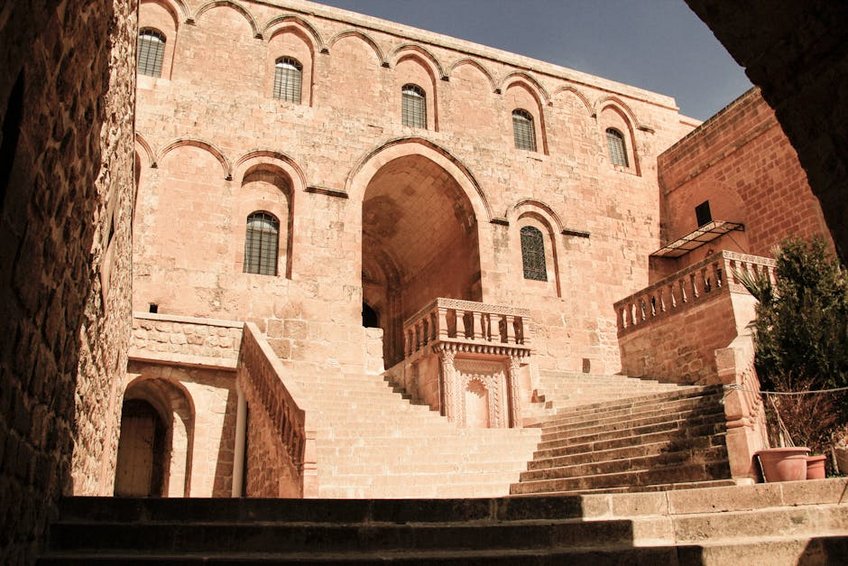
Stone Houses and Streets in Mardin: A Journey Through Time
Exploring the stone houses and streets in Mardin offers a direct portal to a millennia-old cultural crossroads, where honey-colored limestone cascades down a Mesopotamian hilltop. This unique urban landscape in southeastern Turkey presents an architectural narrative woven from Assyrian, Armenian, Arab, and Turkish traditions, creating a living museum of stone craftsmanship. This guide provides essential details for navigating the ancient alleyways, understanding the historical context, and planning a seamless visit to this remarkable city.
Essential Information About Mardin’s Architecture
Mardin’s iconic stone architecture is not merely aesthetic but a profound adaptation to its environment and history. The city’s strategic position on the Silk Road and its dramatic hillside location demanded buildings that were both defensible and climatically responsive. The local beige limestone, quarried for centuries, provides excellent insulation against the region’s extreme temperatures.
The architectural style is a distinct category often called “Mardin Style,” characterized by elaborate stone carvings, vaulted ceilings (known as tonoz), and interior courtyards hidden behind imposing exterior walls. This design philosophy prioritized privacy and community while creating a stunning visual harmony across the entire cityscape. Every home, street, and stairway contributes to a cohesive stone tapestry.
Historical Context and Development
The city’s construction evolved over centuries, with significant influences from the Artuqid period in the 12th and 13th centuries. Successive empires, including the Romans, Byzantines, Seljuks, and Ottomans, left their marks on building techniques and ornamental details. This layered history is visibly etched into the very fabric of the stone walls and decorative motifs seen throughout the old town.
Key Architectural Features
Recognizing specific elements enhances your appreciation of the urban fabric. Look for the “mashrabiya,” or stone bay windows, which allowed women to observe the street unseen. Notice the intricate “ablaq” technique using alternating light and dark stone bands. Also, identify the “stalactite” or “muqarnas” carvings, a honeycomb-like vaulting that decorates many portals and niches.
- Courtyard Houses (Avlu): Central to traditional life, these inward-facing homes feature a central open space surrounded by rooms, providing privacy, security, and a cool retreat during hot summers, often with a fountain and fruit trees.
- Vaulted Bazaars and Streets: Many pedestrian streets are covered with stone vaults, creating shaded passageways that connect neighborhoods and markets, a practical solution for commerce and community movement under the intense sun.
- Ornate Doorways and Symbols: Entrances are highly decorated with carvings of lions, eagles, vines, and geometric patterns, often indicating the family’s status, trade, or religious beliefs, serving as a stone signature for each household.
- Budget Traveler ($40-60/day): Stay in a basic guesthouse or hostel ($15-25), eat at local lokantas for meals ($3-7), use public minibuses (dolmuş), and focus on free self-guided walking. Entrance fees to major sites like Zinciriye Medrese cost around $2.
- Mid-Range Traveler ($80-120/day): Choose a boutique hotel in a restored stone house ($40-70), enjoy set-menu meals at courtyard restaurants ($10-15), hire a local guide for a half-day ($30-40), and use occasional taxis for longer hillside trips.
- Luxury Traveler ($150+/day): Book a suite in a top-tier boutique hotel like Erdoba Konakları ($100+), dine at upscale restaurants with panoramic terraces, arrange private driver-guided tours, and purchase authentic artisan crafts like silver filigree or stone carvings.
- Turkish Ministry of Culture and Tourism – Mardin
- UNESCO World Heritage Centre – Mardin Cultural Landscape
Building Materials and Techniques
The primary material is fossil-rich limestone from local quarries, which is relatively soft when cut but hardens upon exposure to air. Master masons, known as “taş ustası,” employed traditional techniques passed down through generations, using simple tools to achieve remarkable precision. The mortar was typically made from a mixture of clay, lime, and sometimes egg whites for added durability.
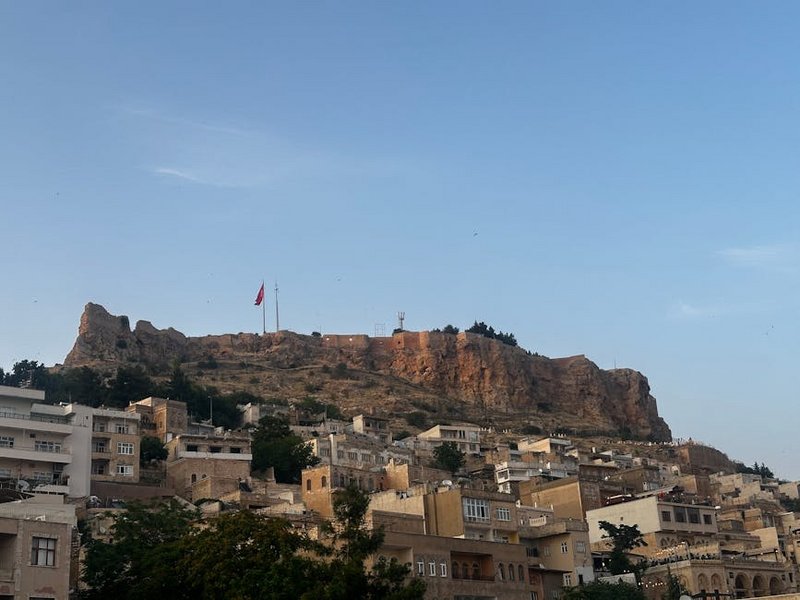
Alt: “mardin-old-city-stone-houses-courtyard-architecture”
Stone Houses and Streets in Mardin – Planning Your Trip
Planning your exploration of the stone houses and streets in Mardin requires consideration of its climate, cultural context, and terrain. The city’s layout is a vertical maze of steep, stepped streets unsuitable for standard wheeled luggage. Pack light with a backpack and sturdy walking shoes with excellent grip for the polished stone pathways. Advance planning ensures you can fully engage with the city’s slow pace and intricate details.
Respectful tourism is paramount here. Many stone buildings are private homes, not just photo backdrops. Always ask for permission before photographing residents or their doorways. Learning a few basic Turkish or Kurdish greetings like “Merhaba” (hello) and “Teşekkür ederim” (thank you) goes a long way. Your visit directly supports local artisans and families preserving this unique heritage.
Best Time to Visit Mardin
The ideal months are April-May and September-October, when daytime temperatures range from a pleasant 70-80°F (21-27°C) and crowds are manageable. Summer (June-August) sees intense heat, often exceeding 95°F (35°C), which can make climbing the steep streets challenging. Winters (December-February) are cold, between 30-50°F (-1 to 10°C), with occasional rain or snow, but offer a starkly beautiful, crowd-free atmosphere.
Shoulder seasons provide the best balance for comfortable exploration and photography. Visiting during Ramadan requires extra cultural sensitivity; while restaurants remain open for tourists, eating and drinking discreetly during daylight hours is advised. The city takes on a magical atmosphere at sunset when the stone glows golden, so plan your walks for early morning or late afternoon light.
Budget Planning and Costs
A daily budget varies significantly based on your travel style. The city offers excellent value, with meals and accommodation generally cheaper than in western Turkey. Major expenses will be transportation to this remote region and guided tours for deeper historical insight. Cash (Turkish Lira) is essential for small shops and taxis, though cards work in hotels.
Essential Preparation Checklist
Beyond standard travel items, specific gear enhances your Mardin experience. Footwear is critical: choose broken-in walking shoes or hiking sandals with robust traction for uneven, slippery stone steps. A small backpack is more practical than a rolling suitcase. Pack a headscarf for women (for visiting mosques), sunscreen, a refillable water bottle, and a power bank for your phone as you’ll be using GPS and camera extensively.
Check visa requirements; most Western passport holders need an e-visa for Turkey. Book accommodations at least a month in advance, especially for boutique stone-house hotels, as they have limited rooms. Download an offline map of the old city (Mardin’s maze-like streets often confuse digital maps) and a translation app. Inform your bank of travel plans to use ATMs.
Top Attractions and Activities in the Old City
Mardin’s greatest attraction is the immersive experience of wandering its labyrinthine streets without a strict agenda. Allow yourself to get lost in the quieter alleys above the main thoroughfare, where you’ll encounter stunning vistas and everyday life. The city unfolds vertically, so be prepared for constant ascents and descents that reveal new perspectives around every corner. This organic exploration is the essence of visiting.
Key sites are woven into the residential fabric, meaning you’ll pass by historical medreses (theological schools), active churches, and bustling markets as you navigate. The main artery, Cumhuriyet Caddesi (also called 1st Street), runs horizontally across the hillside and connects many major landmarks. Venturing off this main path into the narrower secondary and tertiary streets is where the true magic happens.
Must-See Highlights
The Zinciriye Medrese, a 14th-century Islamic school, offers the most iconic panoramic view of the Mesopotamian plains from its courtyard. The Mardin Museum, housed in a former church, provides crucial historical context for the region’s diverse cultures. The Great Mosque (Ulu Cami) with its distinctive minaret is a serene spot to observe Seljuk-era architecture integrated into the cityscape.
Don’t miss the Kasımiye Medrese, located slightly outside the dense core, known for its elegant proportions and reflective pool symbolizing the journey of life. The Saffron Monastery (Deyrulzafaran), a 30-minute drive away, is a vital Syriac Orthodox site built into a cave. Each site requires a modest entrance fee and modest dress, with headscarves provided at entrances.
Hidden Gems and Local Favorites
Seek out the historic Kirklar Church (Forty Martyrs Church) in the quieter eastern district, an active Syriac Orthodox church with a humble exterior hiding beautiful interiors. Visit the active copper bazaar (Bakırcılar Çarşısı), where the sound of hammering fills vaulted stone halls, and you can watch artisans create traditional pots and pans. These workshops are often family-run for generations.
For a unique perspective, find the “Secret Passage” steps that connect different levels of the city, often used by locals as shortcuts. Explore the area around the Abdulhamit Han Mosque for less-photographed but equally stunning residential architecture. In the evening, join locals on the “Şehidiye” terraces to watch the sunset over the plains, a daily ritual that requires no ticket.
Cultural and Artisan Experiences
Engaging with local craftsmanship deepens your connection to the stone city. Visit a traditional “telkari” (silver filigree) atelier to see this intricate jewelry-making technique firsthand. You can also find soap makers using olive oil and laurel, a local specialty. The “Mardin Stone House” project sometimes offers workshops or talks on preservation efforts, which are worth inquiring about at the tourist office.
Consider booking a “Stone Architecture Walking Tour” with a certified guide from the Mardin Guide Association. They can explain symbolic carvings, point out historical water systems, and facilitate respectful introductions to local artisans. These tours directly support the community’s efforts to maintain its cultural heritage and provide income for expert guides.
Practical Travel Information for Mardin
Reaching Mardin involves a journey, but the reward is an authentic experience far from mass tourism. The most common gateway is via Mardin Airport (MQM), with connecting flights from Istanbul. An alternative is flying into the larger Diyarbakır Airport (DIY), about a 90-minute drive away. Long-distance buses from major Turkish cities like Istanbul, Ankara, and Izmir are reliable and economical, though trips are long (15+ hours).
Once in the city, the old town is almost entirely pedestrian. Your own two feet are the primary transportation. For longer distances, like traveling from the bus station (otogar) to your hotel, use taxis—ensure they use the meter or agree on a price beforehand. Local dolmuş (shared minibuses) run along set routes on the newer, lower part of the city but do not climb into the historic core.
Getting There and Around
Turkish Airlines and Pegasus offer regular flights from Istanbul (IST and SAW) to Mardin Airport. Flight time is approximately 1.5-2 hours. From the airport, a taxi to the old city costs about $10-15 and takes 20 minutes. If arriving by bus, the otogar is at the base of the hill; a taxi to an old city hotel costs around $5. Renting a car is useful for exploring surrounding monasteries but a liability in the narrow, congested old streets.
Within the historic center, walking is the only viable option. The terrain is steep and stairs are ubiquitous. Comfortable shoes are non-negotiable. For trips to outlying sites like Dara (ancient ruins) or the monasteries, arrange a taxi for a half-day (approx. $40-50) or join a small group tour. Most hotels can help organize reliable drivers. GPS signals can be unreliable in the stone canyon-like streets, so a physical map from your hotel is handy.
Where to Stay
The definitive experience is staying in a renovated stone mansion. These boutique hotels preserve architectural features like vaulted ceilings, stone archways, and interior courtyards while offering modern amenities. Top choices in the heart of the old city include Erdoba Konakları, Zinciriye Hotel, and Mardin Konakları. Book these hotels several months in advance, especially for spring and fall stays.
For budget travelers, simpler guesthouses and hostels like Cercis Murat Konağı offer basic rooms in historic settings. The newer, lower part of Mardin (Yenişehir) has modern chain hotels, but staying here removes you from the atmospheric old city. Wherever you stay, confirm if the property has an elevator or if you must climb stairs, as many do not have lifts due to preservation rules.
| Accommodation Type | Features & Location | Price Range (USD/Night) |
|---|---|---|
| Boutique Stone Mansion | Restored historic home, courtyard, terrace views, central old city location | $70 – $150 |
| Mid-Range Hotel | Modern comforts, some stone elements, located on edge of old town or new city | $40 – $80 |
| Budget Guesthouse | Simple rooms, shared bathroom, authentic family-run experience in old city | $15 – $35 |
| Luxury Heritage Hotel | Full restoration, spa/hammam, gourmet restaurant, panoramic terraces, guided tours | $150 – $300+ |