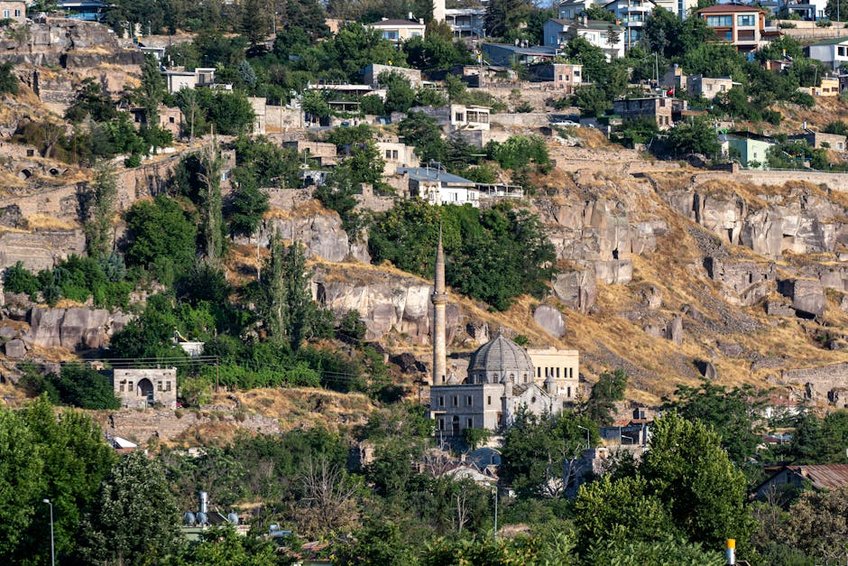
Stone House Villages in Turkey: A Journey into Ancient Landscapes
Exploring the Stone House Villages in Turkey offers a unique passage into a timeless Anatolian heritage, where entire communities have been sculpted directly from the rocky hillsides. These villages, from the fairy chimneys of Cappadocia to the stone masonry of the Black Sea, showcase centuries of architectural ingenuity adapted to harsh climates and historical necessity. This guide details the history, locations, and practical travel tips for experiencing these remarkable settlements, from their geological origins to planning your immersive visit.
Essential History and Geography
The tradition of carving homes from stone in Anatolia dates back millennia, primarily driven by necessity and available materials. Volcanic tuff in Cappadocia, sedimentary rock in the southeast, and granite along the coast each dictated different building styles. This architecture provided natural insulation, keeping interiors cool in summer and warm in winter, a crucial adaptation for survival.
Many of these villages have been continuously inhabited since Byzantine, Seljuk, or even earlier times, creating living museums of cultural history. Their locations often served as strategic hideaways or monastic retreats, preserving unique cultural traditions. Today, they represent a fragile heritage, with some restored for tourism and others slowly being reclaimed by nature.
Key Regions and Their Distinctions
The villages are concentrated in several distinct regions, each with its own character.
- Cappadocia: Famous for its “fairy chimney” rock formations and entire underground cities carved from soft volcanic tuff. Villages like Göreme and Uçhisar are iconic.
- The Black Sea (Kaçkar Mountains): Featuring sturdy stone and timber houses with steep roofs, built to withstand heavy rainfall and snow in villages like Şavşat and Ayder.
- Southern Anatolia (Cilicia): Showcases stone masonry in villages like Adana’s stone houses, often built from robust local limestone with intricate wooden balconies.
- Southeastern Anatolia (Mardin & Midyat): Renowned for its honey-colored limestone mansions carved directly into the mountainside, offering panoramic plains views.
- Budget Traveler ($40-70/day): Stay in basic pensions or hostels, use local buses and dolmuş (shared taxis), eat at local lokantas, and focus on free exploration. Entrance fees to major sites like Göreme Open-Air Museum ($15) will be your main expense.
- Mid-Range Traveler ($100-200/day): Enjoy boutique cave hotels, rent a car for flexibility (from $30/day), dine at good regional restaurants, and join a few guided tours like a Cappadocia Red Tour ($40-50).
- Luxury Experience ($300+/day): Book suites in five-star cave resorts, take private guided tours of remote villages, schedule a hot air balloon flight ($250-300), and enjoy fine dining with wine pairings in restored mansions.
- GoTürkiye Official Tourism Portal
- UNESCO World Heritage: Göreme National Park
Architectural Features to Recognize
Look for specific design elements that distinguish these structures. Dwellings were often carved downwards into the earth or built upwards with meticulously fitted stones without mortar. Rooms typically connect in an organic, cave-like layout, with niches carved into walls for storage and small, strategically placed windows.
Functional features include carved staircases, underground ventilation shafts, and water channels. Exteriors blend seamlessly with the natural rock face, making some villages nearly invisible from a distance. Recognizing these elements deepens appreciation for the practical genius behind this ancient vernacular architecture.
Cultural Significance and Preservation
These villages are not just homes but repositories of intangible heritage, including traditional crafts, farming techniques, and social structures. Preservation efforts are a complex balance between maintaining authenticity and allowing for modern necessities. Organizations work to restore key buildings using traditional methods, often converting them into boutique hotels or museums to fund further conservation.
The challenge lies in preventing villages from becoming mere open-air museums without a living community. Sustainable tourism that respects residents’ daily lives is crucial for the long-term survival of these historic habitats and the cultural knowledge they hold.
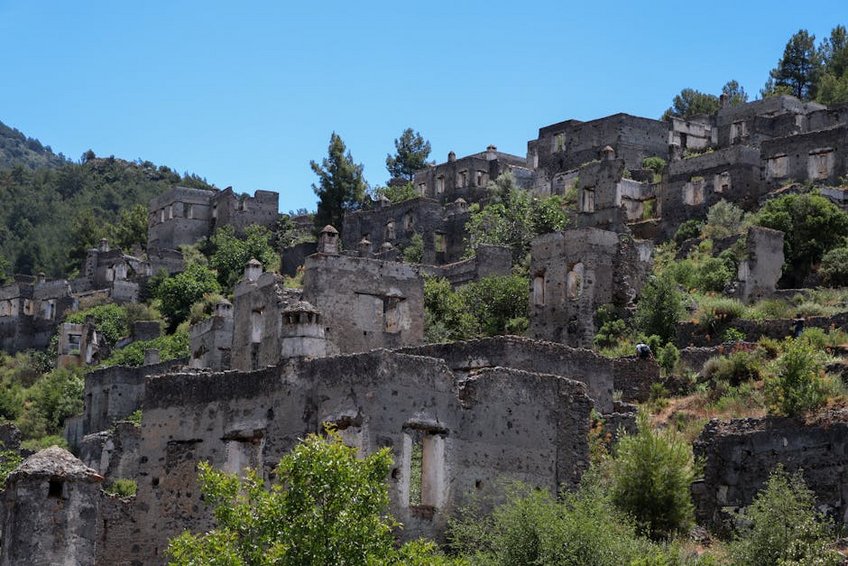
Alt: “cappadocia-turkey-stone-house-village-fairy-chimneys-valley”
Stone House Villages in Turkey – Planning Your Trip
Organizing a visit to these unique destinations requires understanding their remote nature and seasonal accessibility. A successful trip hinges on choosing the right village for your interests, whether it’s the hot air balloon views of Cappadocia or the misty green valleys of the Kaçkar. Allocate sufficient travel time between regions, as internal distances in Turkey are considerable.
Your budget must account for transportation, which can include domestic flights, long bus rides, and local taxis. Accommodation ranges from basic guesthouses to luxurious cave suites. Booking guides for specific villages enhances understanding but requires planning, especially for underground city tours where English-speaking experts are valuable.
Best Time to Visit the Stone Villages
The ideal months are late spring (May to early June) and early autumn (September to October). During these periods, daytime temperatures are pleasant, ranging from 65-80°F (18-27°C), and rainfall is minimal. Crowds in popular spots like Cappadocia are thinner compared to the peak summer rush, making for a more peaceful experience.
Winter (November to March) offers a stark, beautiful atmosphere with possible snow, especially in Cappadocia and the Black Sea region, where temperatures can drop to 23-41°F (-5 to +5°C). Some family-run pensions may close, and travel on mountain roads can be challenging. Summer is hot, often exceeding 86°F (30°C), but is suitable for high-altitude villages in the Kaçkar mountains.
Budget Planning and Costs
A daily budget varies dramatically based on comfort and location.
Essential Preparation Checklist
Pack sturdy, comfortable walking shoes with good grip for uneven stone paths and rocky trails. Bring layers, including a warm jacket for cool evenings even in summer and a hat for sun protection. A headlamp or flashlight is useful for exploring dimly lit cave rooms and underground passages.
Ensure your passport is valid for at least six months beyond your entry date. US and EU citizens can obtain an e-Visa online before travel. Purchase comprehensive travel insurance that covers potential travel delays in remote areas. Book key accommodations and domestic flights several months in advance, especially for peak seasons.
Top Village Destinations and Activities
Each region offers a distinct interpretation of stone-built life. Cappadocia provides the most famous and accessible experience, with villages that feel otherworldly. The Black Sea region appeals to hikers and nature lovers, with stone hamlets set in lush, dramatic valleys. Southeastern Anatolia offers a deep cultural and historical journey amidst ancient Syriac Christian and Islamic architecture.
Beyond sightseeing, engage with the landscape through active exploration. Hiking between villages reveals the true integration of these structures with the environment. Participating in a local workshop, such as pottery in Avanos or weaving in a Black Sea village, connects you to living traditions that have survived for generations.
Must-See Highlights
Göreme Open-Air Museum is a UNESCO site featuring a complex of rock-cut churches with Byzantine frescoes. It’s best visited early in the morning to avoid tour groups. Uçhisar Castle is a massive rock fortress offering panoramic views of Cappadocia at sunset, with tunnels and rooms carved inside.
In the southeast, Mardin’s old city is a labyrinth of golden stone houses cascading down a hillside. Visit the Deyrulzafaran Monastery, an active Syriac Orthodox monastery built into the rock. For the Black Sea, the village of Şavşat, near the Georgian border, features stunning stone homes set against a backdrop of forested mountains and is a gateway to trekking routes.
Hidden Gems and Local Favorites
Explore the Sığacık Peninsula for lesser-known stone villages like Kıyıköy, a fishing town with Byzantine walls and rock-cut monasteries right on the Black Sea coast. The village of Taşkale, near Karaman, is famous for its towering grain storage caves carved into a sheer rock face, still used by locals today.
Seek out İbrahimpaşa village in Cappadocia, which is quieter than Göreme but equally charming, with many traditional homes still occupied by local families. For a truly remote experience, the stone yaylas (summer pastures) high in the Kaçkar Mountains are accessible only by rough roads and reward visitors with untouched landscapes and pastoral life.
Underground City Exploration
Derinkuyu and Kaymaklı are the most extensive underground cities in Cappadocia, descending multiple levels to house thousands of people. Visiting requires navigating narrow, low passages—not suitable for those with claustrophobia. A knowledgeable guide is essential to understand the sophisticated ventilation shafts, wells, churches, and stables carved deep underground.
These cities were used for protection during invasions and are marvels of ancient engineering. Allocate at least two hours to explore one fully. Wear comfortable, non-slip shoes and be prepared for a constant cool temperature of around 55°F (13°C) regardless of the season above ground.
Practical Travel Information and Logistics
Reaching these villages often involves a multi-stage journey. Major international airports in Istanbul (IST/SAW) or Ankara (ESB) are the main gateways. From there, domestic flights to regional hubs like Kayseri (for Cappadocia) or Trabzon (for the Black Sea) save considerable time. Long-distance buses connect almost all towns and are a comfortable, affordable option.
Accommodation within the villages themselves provides the most authentic experience. Options range from simple rooms in a family home to exquisitely restored cave houses with modern amenities. Booking directly with smaller properties often yields better rates and more personal service than using large online platforms.
| Category | Options/Features | Price Range (USD) |
|---|---|---|
| Budget Accommodation | Family-run pensions, basic breakfast, shared bathroom, village location | $25-50 per night |
| Mid-Range Hotel | Boutique cave hotel, private bathroom, terrace views, airport transfer | $80-150 per night |
| Luxury Resort | Five-star cave suite, spa, fine dining restaurant, private guide service | $250-500+ per night |
| Rental Car (Daily) | Compact automatic car, unlimited mileage, basic insurance | $30-50 per day |