Spring Festivals in Japan: Experience Hanami and Matsuri Culture
Spring festivals in Japan transform the nation into a vibrant celebration of renewal, centered on the fleeting beauty of cherry blossoms. Known as “hanami,” this season sees parks and castle grounds fill with locals and visitors enjoying outdoor parties under pink canopies. Your journey through these springtime events offers deep cultural immersion, from Kyoto’s historic processions to Tokyo’s lively modern matsuri.
Essential Sakura Season Information
The spring festival season, or “hanami,” coincides with the cherry blossom front sweeping northward from late March to early May. This period represents more than just scenic beauty in Japanese culture; it’s a philosophical reflection on mono no aware, the poignant awareness of impermanence. Communities across the country honor this transient beauty with centuries-old traditions and public celebrations.
Timing your visit requires understanding the “sakura zensen,” or cherry blossom forecast, published annually by the Japan Meteorological Corporation. The blooming period lasts only about two weeks in any given location, with peak viewing lasting just a few days. This creates a nationwide festival atmosphere that moves with the blossoms.
Understanding Japanese Matsuri
Japanese matsuri are traditional festivals with deep Shinto roots, celebrating seasons, historical events, and local deities.
- Most spring matsuri involve portable shrine processions called “mikoshi,” where teams carry ornate structures through streets to purify the community and invite good fortune.
- Food stalls known as “yatai” line festival grounds, selling takoyaki (octopus balls), yakisoba (fried noodles), and taiyaki (fish-shaped cakes).
- Traditional entertainment includes taiko drum performances, folk dances, and sometimes ritual ceremonies at local shrines that date back hundreds of years.
- Budget travelers can manage on $70-$100 daily by staying in business hotels or hostels, using public transportation passes, and enjoying convenience store meals and street festival food. Spring festival viewing itself is free in public parks, making this season surprisingly affordable for sightseeing.
- Mid-range visitors spending $150-$250 daily secure comfortable three-star hotels near major transit hubs, mix casual and mid-range restaurant meals, and join guided cultural tours. This budget allows reserved seating at some illuminated garden events and regional day trips via shinkansen.
- Luxury experiences costing $400+ nightly include five-star ryokan stays with kaiseki meals, private guided hanami tours, and premium seating at exclusive festival events. Consider splurging on a night at a temple lodging in Kyoto with private garden viewing.
- Japan National Tourism Organization
- Japan Meteorological Agency
Key Spring Festival Dates and Regions
The festival calendar begins in late March in Kyushu and concludes in early May in Hokkaido. Kyoto and Tokyo typically peak in early April, though exact dates shift yearly based on winter temperatures. Southern islands like Okinawa see blooms as early as January, while northern regions like Sapporo celebrate in May.
Major cities host both daytime hanami parties and evening illuminations called “yozakura.” Popular spots like Tokyo’s Ueno Park and Kyoto’s Maruyama Park require early arrival to secure prime picnic locations. Smaller regional festivals offer more intimate experiences away from large tourist crowds.
Cultural Significance of Hanami
Hanami traditions date back over a thousand years to the Nara Period, originally centered on plum blossoms before shifting to cherry blossoms during the Heian Period. The practice was popularized among samurai and aristocracy before becoming a nationwide public celebration. Today, companies hold office hanami parties, and families reserve spots with blue tarps days in advance.
This communal appreciation of fleeting beauty embodies core Japanese aesthetic principles. The blossoms’ brief peak reminds participants to cherish present moments. This cultural context transforms simple flower viewing into a profound seasonal ritual shared by millions.
Alt: “kyoto-hirano-shrine-cherry-blossoms-night-illumination”
Spring Festivals in Japan – Planning Your Trip
Strategic planning ensures you experience the best spring festivals in Japan without overcrowding. Book international flights and accommodation at least four to six months in advance, especially for Kyoto and Tokyo during peak bloom. Consider splitting your stay between a major city and a regional destination to experience different festival atmospheres and cherry varieties.
Your itinerary should balance famous hanami spots with local neighborhood matsuri for authentic cultural immersion. Purchase a Japan Rail Pass before arrival for flexible travel between cities following the blossom forecast. Download real-time crowd tracking apps like “Sakura Navi” to adjust your daily plans based on current conditions.
Best Time to Visit for Spring Festivals
Visit Japan between late March and mid-April for the most reliable festival experiences across Honshu, though this is peak tourist season. Daytime temperatures range from 50°F to 65°F (10°C to 18°C) with cool evenings dipping to 40°F (4°C). The Golden Week holidays from late April to early May bring domestic travel crowds, requiring extra advance booking.
Shoulder season in early March offers plum blossom festivals with fewer visitors, while early May provides access to northern festivals in Hokkaido. Consider late February visits for Kawazu cherry blossoms in Izu Peninsula, which bloom earlier than most varieties. Weather remains unpredictable with possible rain, so include indoor alternatives in your schedule.
Budget Planning and Costs
Your festival trip budget varies dramatically by accommodation style and dining preferences.
Essential Preparation Checklist
Pack layered clothing for changeable spring weather, including a waterproof jacket, comfortable walking shoes, and a light scarf for cooler evenings. Bring a portable sitting mat for hanami picnics, as grass may be damp. Photography enthusiasts should pack extra memory cards and batteries for full days of festival shooting.
Secure travel insurance covering medical care and trip interruptions before departure. Learn basic Japanese phrases for festivals, especially “sumimasen” (excuse me) in crowds and “oishii” (delicious) at food stalls. Book popular restaurants weeks ahead through hotel concierges, as locals also dine out extensively during festival season.
Top Regional Festivals and Celebrations
Japan’s diverse regions each offer unique spring festival experiences beyond standard hanami viewing. The Kansai region surrounding Kyoto preserves centuries-old traditions with elaborate historical reenactments. Tohoku in northern Japan celebrates with dramatic performances reflecting local folklore and resilience.
Coastal areas host fishing-related blessings, while mountain villages celebrate agricultural beginnings. Modern cities like Osaka and Fukuoka blend traditional matsuri elements with contemporary entertainment and spectacular night views. Each destination provides distinctive regional foods and crafts during festival periods.
Must-See Festival Highlights
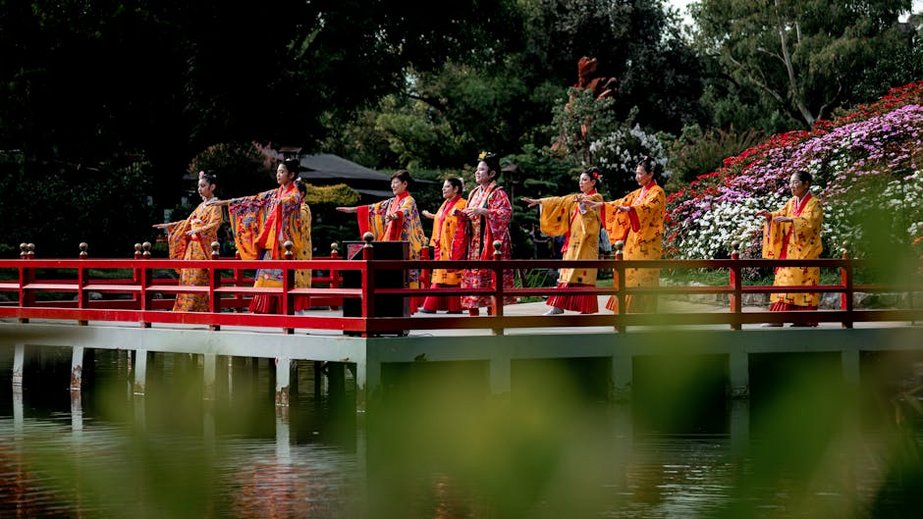
Kyoto’s Miyako Odai, held in April, features elegant parades with participants in Heian-period costumes traveling between historic landmarks. Reserve viewing seats early or watch from less crowded side streets. The festival dates back to the 9th century and represents the pinnacle of Kyoto’s cultural calendar.
Tokyo’s Ueno Cherry Blossom Festival transforms the spacious park into a carnival atmosphere with hundreds of lanterns, food stalls, and performance stages. Arrive early morning for photography before crowds, or experience the magical evening illuminations. Nearby, Sumida Park offers river views with Tokyo Skytree as a backdrop.
Hirosaki Cherry Blossom Festival in Aomori prefecture surrounds a historic castle with over 2,600 trees, creating tunnels of blossoms reflected in moats. Night illuminations create stunning photography opportunities from early to late April. This northern festival coincides with apple blossom season in surrounding orchards.
Hidden Gems and Local Favorites
Takayama Spring Festival in the Japanese Alps (April 14-15) features ornate floats paraded through preserved Edo-period streets, with morning and evening processions. The remote location reduces crowds compared to major cities, offering intimate traditional craftsmanship viewing. Local Hida beef specialties available from street vendors enhance the experience.
Yoshino Cherry Blossom Festival in Nara prefecture covers entire mountainsides with 30,000 trees across different varieties and elevations, creating prolonged blooming periods. Visit during weekdays to explore ancient temples amid the blossoms with moderate visitors. The nearby Yoshimizu Shrine offers panoramic views of the pink-covered slopes.
Matsumae Cherry Blossom Festival in southern Hokkaido (late April to May) displays 250 varieties across the grounds of Matsumae Castle, Japan’s northernmost feudal castle. The extended blooming season allows viewing early and late varieties simultaneously. Combine with visits to nearby seafood markets for fresh spring crab.
Nighttime Illuminations and Yozakura
Evening blossom viewing, or “yozakura,” offers magical experiences at illuminated sites across Japan. Major locations use carefully positioned lighting to create ethereal effects, with some offering limited-time special projections. These events often include food vendors and sometimes musical performances extending into the evening.
Tokyo’s Chidorigafuchi provides boat rentals along illuminated moats near the Imperial Palace, with weekday evenings typically less crowded. Kyoto’s Nijo Castle combines illuminations with traditional music performances in historic settings. Check local tourism sites for illumination dates, as they may not coincide exactly with daytime festival schedules.
Practical Travel and Festival Logistics
Navigating Japan during peak festival season requires strategic timing and transportation planning. Major hanami spots experience extreme crowding on weekends and during peak bloom days, with some parks implementing one-way walking routes. Public transportation runs extended hours during major festivals, but stations near popular venues become exceptionally congested.
Accommodation prices surge 30-50% during peak bloom periods, with minimum stay requirements common in popular cities. Consider business hotels slightly further from major parks, as Japan’s efficient public transit makes commuting manageable. Many festivals offer rental services for traditional sitting mats and even picnic sets for visitors.
| Accommodation Type | Best For | Price Range (USD/night) |
|---|---|---|
| Business Hotels | Solo travelers, budget-conscious visitors, convenient locations near stations | $80-$140 |
| Traditional Ryokan | Cultural immersion, tatami rooms, kaiseki meals, garden views | $200-$500+ |
| Modern Hotels | Western comforts, international amenities, central locations | $150-$300 |
| Temple Lodgings (Shukubo) | Unique experience, morning prayers, vegetarian cuisine, tranquility | $100-$200 per person |