Spice Tour in Zanzibar: Unearth the Island’s Flavorful History
Zanzibar’s spice farms offer an immersive journey through centuries of trade, culture, and agriculture. This interactive experience lets you see, smell, and taste the raw ingredients that shaped the island’s identity and global commerce. You’ll learn to identify cloves, cinnamon, nutmeg, and vanilla, gaining a profound appreciation for how these crops are cultivated and processed for worldwide use.
Zanzibar Spice Farm History and Culture
Zanzibar’s nickname, the “Spice Islands,” stems from its 19th-century role as a global hub for clove, cinnamon, and nutmeg production. The Sultanate of Oman established vast plantations, intertwining the archipelago’s fate with the spice trade routes that connected Africa, Arabia, and Asia. This agricultural history is deeply woven into the island’s Swahili culture and remains a cornerstone of its economy and tourism today.
Visiting a working farm provides more than a botanical lesson. It’s a direct connection to the lives of local farmers and the island’s complex past. You’ll understand how these valuable plants influenced everything from architecture to cuisine, leaving a permanent aromatic mark on Zanzibar’s soul.
The Spice Trade Legacy
Understanding the historical context enriches your tour experience immensely. The demand for spices drove exploration and empire-building for centuries.
- Cloves became Zanzibar’s primary export in the 1800s under Sultan Said, at one point making the island the world’s largest producer and creating immense wealth that built Stone Town.
- Nutmeg and mace, derived from the same fruit, were historically worth their weight in gold in Europe for their medicinal and preservative qualities, making Zanzibar a key supplier.
- Vanilla cultivation requires delicate hand-pollination, a technique you’ll see demonstrated, highlighting the intensive labor behind this precious flavoring.
- Budget Tour ($15-25 USD): A basic group walking tour from a central meeting point in Stone Town, often booked locally. Includes guide service and fruit tasting. Transport to the farm is usually not included, requiring a separate dalla-dalla (local bus) ride.
- Mid-Range Tour ($35-60 USD): The most common option. Includes hotel pickup/drop-off from Stone Town or nearby beaches, a comprehensive guided walk, fruit sampling, and sometimes a simple local lunch. Offers excellent value and convenience for most travelers.
- Luxury/Private Tour ($80-150+ USD): A private guide and vehicle, a more in-depth botanical focus, a full cooking demonstration or meal prepared with farm ingredients, and combined itineraries with other attractions like the Jozani Forest. Ideal for serious food enthusiasts or families desiring flexibility.
- Zanzibar Tourism
- Lonely Planet Zanzibar Guide
What is a Spice Tour?
A typical spice safari is a guided walking tour through a working plantation, often led by a farmer. Guides expertly pluck leaves, bark, and fruits directly from the trees for you to smell and taste. They explain each plant’s uses in cooking, traditional medicine, and cosmetics. The experience is highly tactile and olfactory, far removed from seeing spices only in bottled form.
Many tours include demonstrations of coconut tree climbing and a chance to sample tropical fruits like jackfruit and lychee in season. The goal is to engage all your senses, creating memorable connections between the plants and their final culinary forms. You’ll leave with a new ability to identify raw spices on the branch.
Choosing Your Tour Type
Options range from large group bus tours to private, bespoke experiences with local families. Larger tours often combine the spice visit with a stop at a Persian bathhouse or Stone Town. Private tours allow for deeper conversation with guides and a more flexible pace. Consider your interest level in gardening and history when selecting.
Community-run farms offer the most authentic insight and ensure your money supports local workers directly. These smaller operations focus on sustainable practices and detailed explanations. Your choice significantly impacts the depth of cultural exchange during your island visit.
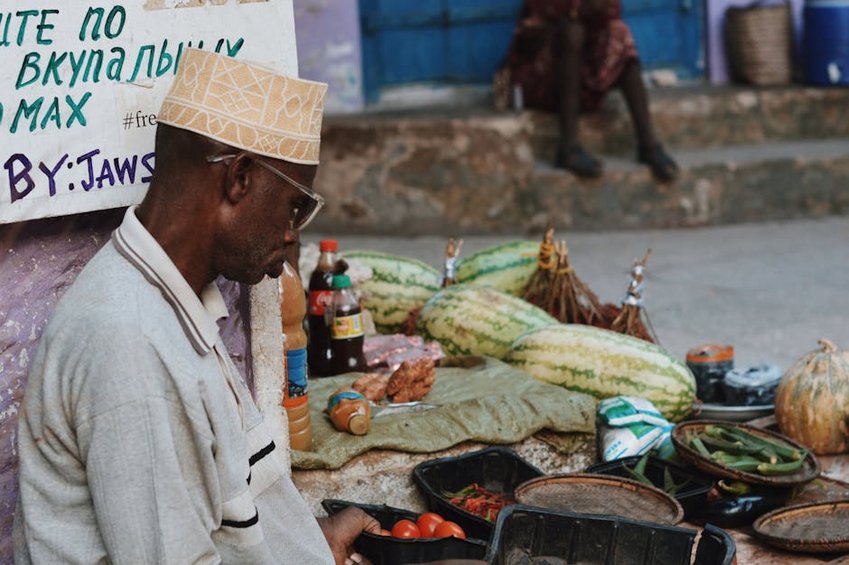
Alt: “zanzibar-spice-farm-guide-showing-fresh-vanilla-beans”
Spice Tour in Zanzibar – Planning Your Visit
Organizing your aromatic adventure requires some basic logistical planning for the best experience. The island’s climate and tour availability vary seasonally, influencing everything from crowd sizes to plant visibility. A well-planned visit ensures you see active harvesting and get the most interactive session with your guide, making your exploration truly rewarding.
Booking directly with a farm or through a reputable local operator often yields a better, more personalized trip than a resort-booked coach tour. Confirm what’s included, as some tours offer a traditional Swahili lunch cooked with the very spices you’ve just seen, which is a highlight. Always verify the meeting point and whether transport from your hotel in Stone Town or the beaches is provided.
Best Time to Visit Zanzibar for a Spice Tour
The ideal period for a spice safari is during the dry seasons, from June to October and December to February. Rainfall is minimal, making the farm paths easy to navigate. Temperatures average 77-86°F (25-30°C) with lower humidity. These months also align with the archipelago’s peak tourist season, so booking a few days ahead is wise for the most popular community tours.
You can visit a plantation year-round, as the tropical plants are always growing. The wetter months from March to May see lusher, greener foliage but potentially muddy trails. Afternoon showers are common. Fewer tourists mean a potentially more private tour. The clove harvest typically occurs from July to December, offering a special chance to see this iconic crop being processed.
Budget Planning and Costs
Tour prices vary based on inclusions, group size, and transportation. Here’s a typical cost breakdown for different budgets.
Essential Preparation Checklist
Wear comfortable, closed-toe shoes with good grip for unpaved, sometimes slippery farm paths. Light, long-sleeved clothing protects from the sun and occasional scratchy plants. Apply insect repellent, as mosquitoes can be present in the shaded plantation areas. Bring a refillable water bottle to stay hydrated during the 1.5 to 3-hour walking excursion.
Carry small change in Tanzanian Shillings (USD is often accepted too) for purchasing spice gift packs directly from the farm, which supports them more than buying in town. Have your camera ready, but also be prepared to engage your other senses fully. Don’t forget to pack your curiosity and willingness to taste unfamiliar fruits and roots straight from the tree.
Top Spice Farm Attractions and Activities
The core of the experience is the guided sensory journey through the cultivated plots. Beyond simply seeing plants, you’ll crush lemongrass leaves to release their citrus scent, taste the tangy pulp of raw tamarind pods, and feel the rough bark of a cinnamon tree. This hands-on approach transforms abstract spices into tangible, living organisms with distinct stories and uses.
Many tours creatively demonstrate traditional uses, such as applying turmeric as a natural dye or creating perfume from ylang-ylang flowers. These activities bridge the gap between agriculture and daily life. The guides’ knowledge of both Swahili and Latin plant names reveals the deep botanical heritage preserved on these farms, offering lessons in ecology, history, and gastronomy simultaneously.
Must-See Spices and Plants
Cloves are the island’s star attraction. You’ll see the aromatic flower buds drying in the sun and learn why Zanzibar’s soil produces such a high-quality yield. Vanilla vines require careful cultivation, and guides demonstrate the precise hand-pollination technique needed to produce the precious beans. This reveals why pure vanilla extract commands a high price globally.
Black pepper vines climb supportive trees, bearing clusters of berries that start green and turn red. You’ll taste the difference between green and dried peppercorns. Nutmeg trees produce both the nut (nutmeg) and its lacy red covering (mace), two distinct spices from one fruit. Seeing this duality firsthand is a memorable part of the botanical exploration.
Beyond the Spices: Cultural Demonstrations
Most tours include a coconut-climbing demonstration, showcasing incredible skill and agility. You’ll learn how every part of the coconut palm is used, from the fronds for weaving to the husks for rope. This emphasizes the sustainable, waste-free philosophy of traditional island farming. It’s a captivating display of local expertise.
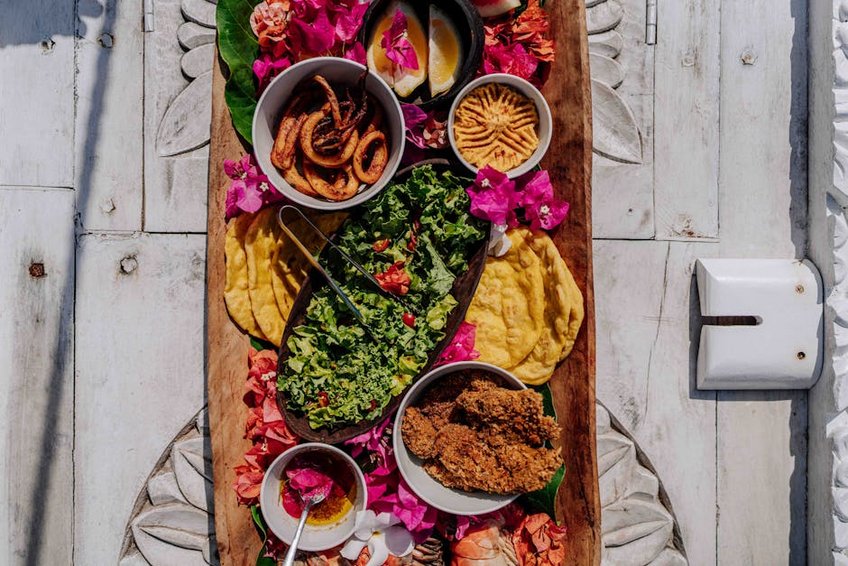
A traditional Swahili lunch, often an optional add-on, is a highlight. Dishes like coconut rice, fish curry, and bean stew are infused with the fresh spices you just encountered. Some farms offer brief weaving or cooking workshops. These interactive elements provide a richer, more holistic understanding of the island’s resourceful culture beyond the farm walk itself.
Finding the Authentic Local Farms
For the most genuine experience, seek out smaller, community-run plantations like Kizimbani or Kidichi Spice Farms. These are working farms, not just tourist displays, and your fee directly supports local families. Guides are often farmers themselves, sharing personal anecdotes and deep, practical knowledge that surpasses rehearsed scripts.
You can book these through local operators in Stone Town or sometimes arrange a visit directly. The ambiance is more relaxed and educational compared to the larger, more commercialized stops on big bus tour circuits. This choice significantly impacts the authenticity and social benefit of your aromatic island adventure.
Practical Travel Information for Zanzibar
Getting to and around Zanzibar requires understanding its unique geography as a semi-autonomous archipelago. Abeid Amani Karume International Airport (ZNZ) receives direct flights from several East African hubs and connecting flights worldwide via Dar es Salaam (DAR). Upon arrival, transportation to Stone Town or your beach hotel is readily available, but prices should be agreed upon beforehand.
Accommodation splits between historic Stone Town, with its charming but sometimes noisy guesthouses, and the serene beaches on the east and north coasts. Your choice depends on whether you prioritize cultural immersion or relaxation. Most spice tour operators provide pickup from either location, though travel time from northern beaches like Nungwi to central farms can exceed an hour.
| Category | Options/Features | Price Range (USD) |
|---|---|---|
| Budget Guesthouse | Basic room in Stone Town, fan, shared bathroom, central location. | $25-50 per night |
| Mid-Range Hotel | Private beachfront bungalow or Stone Town boutique hotel, AC, breakfast included. | $80-180 per night |
| Luxury Resort | All-inclusive beach resort with pool, spa, multiple restaurants, and activities. | $250-600+ per night |
| Local Transportation | Dalla-dalla (bus) for very short hops, private taxi for tours, rental scooter with caution. | $1-50 per trip |