Rize Travel Guide: Discover Turkey’s Lush Black Sea Coast
Exploring the Rize province offers a distinct experience within Turkey, defined by emerald valleys, historic tea plantations, and a humid, dramatic coastline. This Rize travel guide provides the practical details you need to navigate its mountainous terrain, understand its unique microclimate, and experience authentic Laz culture. You will find specific advice on seasonal timing, transportation logistics, and must-try regional dishes to plan an effective visit.
Essential Information About Rize
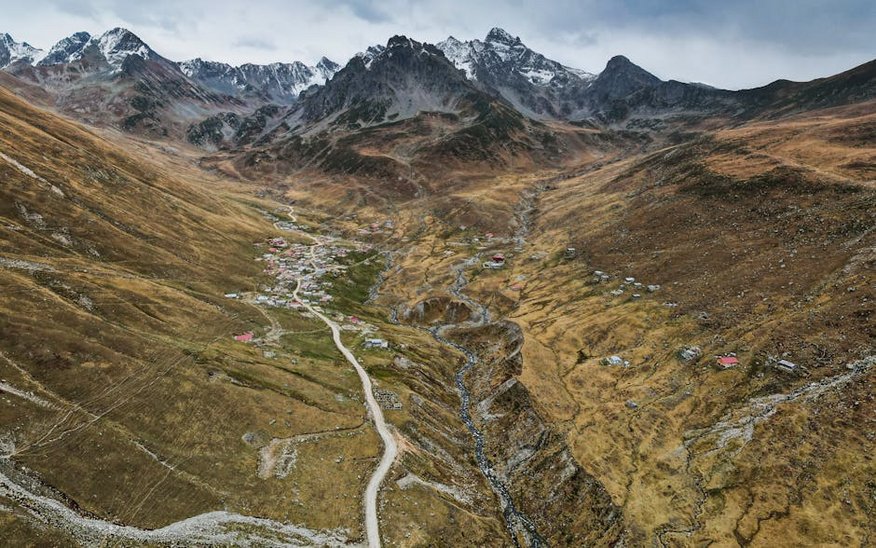
Rize is a province in northeastern Turkey, nestled against the Black Sea and guarded by the Kaçkar Mountains. Its geography creates a humid, rainy climate that fuels the famous tea agriculture and stunning, verdant landscapes. The region has a deep cultural identity, influenced by the indigenous Laz people, which is evident in its cuisine, music, and traditional stone houses.
The provincial capital, also called Rize, serves as the commercial hub for the tea industry. Unlike the arid landscapes of central Anatolia or the Mediterranean beaches of the south, this area feels more akin to the Caucasus or the Pacific Northwest. Summers are mild and wet, while winters bring significant snowfall to the highlands, transforming it into a ski destination.
Key Geographic and Climatic Features
Understanding the weather and landscape is crucial for packing and planning your activities here.
- The coastal strip enjoys a humid subtropical climate with high annual rainfall, often exceeding 2,000 millimeters, leading to lush, almost rainforest-like greenery.
- The Kaçkar Mountains, part of the Pontic Alps, rise sharply inland, creating alpine conditions perfect for summer hiking and winter sports at elevations over 3,000 meters.
- Temperature varies drastically by altitude; coastal areas average 68-77°F (20-25°C) in summer, while mountain areas can be 20°F (11°C) cooler.
- Budget travelers can manage on $40-60 per day by staying in local guesthouses (*pansiyon*), eating at neighborhood *lokantas*, and using minibuses (*dolmuş*) for transport. Entrance fees to most natural sites are minimal or free.
- Mid-range travelers spending $80-120 daily can enjoy comfortable boutique hotels, rental car freedom, guided day tours to Fırtına Valley, and meals at reputable restaurants serving local trout and Black Sea cuisine.
- A luxury budget of $200+ per day covers stays in high-end mountain lodges in Ayder, private guides for multi-day Kaçkar treks, and fine dining experiences with panoramic views of the landscape.
- Republic of Turkey Ministry of Culture and Tourism – Rize Portal
- Lonely Planet Travel Guide – Black Sea Coast
Cultural Heritage and Local Identity
The cultural fabric of this province is richly woven with Laz heritage. The Laz people have inhabited this coast for centuries, maintaining their own language and traditions alongside Turkish culture. This blend is most palpable during local festivals and in everyday village life.
Traditional timber and stone houses with distinctive overhanging roofs dot the hillsides, designed for the heavy rainfall. Folk music featuring the *tulum* (a type of bagpipe) and *kemençe* (a small fiddle) provides a unique soundtrack. Visitors respectful of these traditions will find a warm welcome in local communities.
The Heart of Turkish Tea Production
Turkey’s tea culture is centered here, with rolling plantations covering the hills. The first tea seeds were planted in the 1940s, transforming the local economy. A visit is incomplete without touring a plantation and factory to see the process from leaf to packet.
The Çaykur Tea Factory in the city center offers informative tours. The best time to see the plantations at their most vibrant is between May and September. You will be offered tea constantly, a gesture of hospitality you should always accept graciously.
Alt: “rize-turkey-tea-plantations-green-hills-black-sea”
Rize Travel Guide – Planning Your Trip
Successful exploration of this region requires attention to its unique seasons and logistics. Your Rize travel guide must account for the dramatic difference between the wet, mild coast and the colder, snow-prone highlands. Planning around these climatic zones allows you to pack appropriately and choose the right activities for your travel dates.
Budget considerations are moderate; local guesthouses and food offer excellent value, while guided mountain treks or private tours increase costs. Booking accommodations in advance is essential for July and August, the peak domestic tourism period. Renting a car is highly recommended for full flexibility to reach remote valleys and highland plateaus.
Best Time to Visit Rize
The ideal period depends entirely on your planned activities. For hiking in the Kaçkar Mountains, target July through September when trails are snow-free and mountain huts are open, with daytime temperatures between 50-68°F (10-20°C) at altitude. The coastal areas are pleasant from June to early September, despite frequent showers.
Shoulder seasons like May and late September offer fewer crowds and lower prices, but be prepared for unpredictable rain. Winter, from December to March, attracts visitors to the Ayder Highlands for skiing and hot springs, with heavy snow above 1,500 meters. Avoid November and April, which are often very wet and foggy with limited activity options.
Budget Planning and Costs
Daily costs can vary widely based on your travel style. Here is a typical breakdown for different budgets.
Essential Preparation Checklist
Packing correctly is non-negotiable due to the changeable weather. Waterproof gear is essential: a high-quality rain jacket, waterproof hiking boots, and quick-dry layers. Even in summer, pack a warm fleece or lightweight down jacket for the mountains. Binoculars are great for birdwatching in the valleys.
Ensure your travel insurance covers potential activities like hiking at altitude. International drivers will need their license and an International Driving Permit for car rental. Download offline maps via Google Maps or Maps.me, as cell service can be spotty in the highlands. Learning a few basic Turkish phrases is greatly appreciated by locals.
Top Attractions and Activities
This province rewards those who seek natural beauty and authentic culture over ancient ruins. The dramatic geography dictates the adventures, from serene valley drives to challenging alpine treks. Key highlights are spread across different altitudes, so organizing your itinerary geographically saves significant travel time.
Spend at least one full day exploring the coastal tea culture around the city and another two to three days venturing inland along the Fırtına River valley toward the highlands. Mixing active days with relaxed cultural experiences creates a balanced and memorable trip. Always confirm road conditions for mountain passes before setting out.
Must-See Highlights
Zil Kale is a breathtaking medieval fortress perched on a steep cliff overlooking the Fırtına Valley. Dating back to the 14th-15th centuries, it offers panoramic views and a tangible connection to the region’s history. Access involves a short, steep walk from the main road.
The Ayder Highlands, at 1,350 meters elevation, is the primary mountain resort. Famous for its wooden houses, honey, and hot springs (*kaplıca*), it’s a base for hiking and a glimpse into highland life. The nearby Güzeldere Waterfall is a powerful 70-meter cascade set in a dense forest, easily accessed by a well-maintained wooden walkway.
Fırtına Valley itself is an attraction, a deep gorge carved by the roaring river, dotted with traditional arched stone bridges like the 300-year-old Şenyuva Bridge. The valley is a hub for mild whitewater rafting in summer. Driving its length reveals constant vistas of tea gardens giving way to pine forests.
Hidden Gems and Local Favorites
For a quieter alternative to Ayder, seek out the Pokut and Sal plateaus. These highland meadows offer homestay experiences in authentic yayla houses with incredible sunrise views over a sea of clouds. Reaching them requires a sturdy vehicle and comfort on narrow mountain roads.
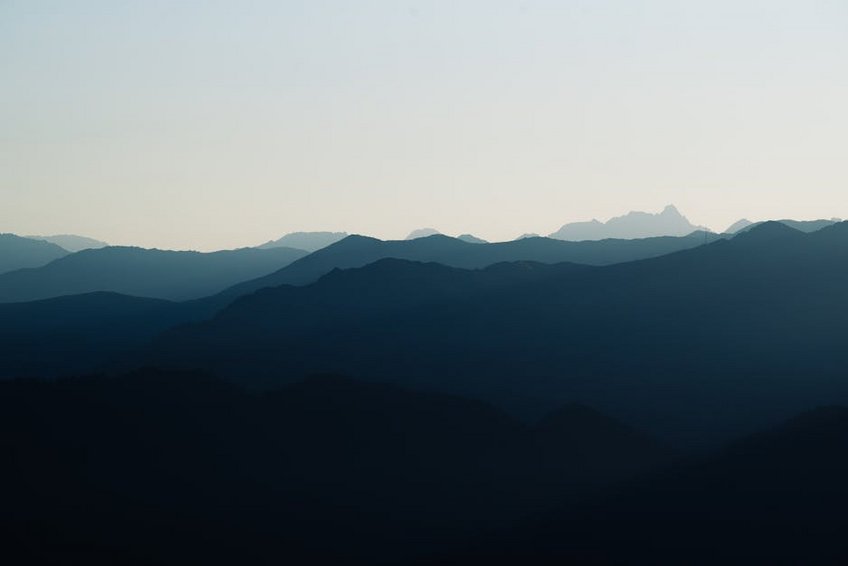
The Çağrankaya Rocks, near the village of Çamlıhemşin, provide one of the most iconic photographic viewpoints in the Kaçkars. The hike to the viewpoint is moderate and rewards you with a staggering vista of layered mountain ridges. It remains less frequented by international tourists.
Visit a local tea processing facility beyond the main Çaykur factory. Small cooperatives in villages like Güneysu often welcome curious visitors for a more intimate look at tea sorting and drying processes, followed by an invitation to share a fresh brew.
Hiking and Trekking Routes
The Kaçkar Mountains National Park is a premier destination for trekking in Turkey. Routes range from day hikes to multi-day expeditions requiring guides and camping gear. The most famous trail is the Trans-Kaçkar, a high-altitude route that typically takes 7-10 days.
For less committed hikers, excellent day hikes start from Ayder, such as the path to the serene Başyayla Lake. Hiring a local guide is recommended for any hike beyond well-marked, popular trails due to rapidly changing weather and potential route-finding challenges. Mountain huts (*yayla evleri*) provide basic accommodation along longer routes.
Practical Travel Information
Navigating the region involves understanding a mix of transport options. The Trabzon Airport is the main gateway, requiring a subsequent road transfer. Within the province, a combination of rental car, taxi, and dolmuş minibus will get you everywhere you need to go. Road conditions are generally good but become narrow and winding in the mountains.
Accommodation ranges from city hotels to family-run guesthouses in the valleys and rustic mountain lodges in the highlands. Booking.com and local tourist offices are reliable resources. Expect basic amenities in rural areas; luxury is defined by stunning views and authentic hospitality rather than five-star facilities.
| Accommodation Type | Best For / Features | Price Range (USD per night) |
|---|---|---|
| City Hotel (Rize Center) | Business or first-night stay; modern conveniences, tea factory proximity | $40 – $80 |
| Valley Guesthouse (Çamlıhemşin) | Cultural immersion; family-run, home-cooked meals, river views | $30 – $60 |
| Mountain Lodge (Ayder) | Hikers & nature; wooden architecture, hot spring access, guided tours | $50 – $120 |
| Highland Homestay (Pokut Plateau) | Authentic experience; basic facilities, spectacular scenery, full board | $25 – $40 (including meals) |