Prague Travel Guide
Your Prague travel guide begins in a city where Gothic spires pierce the skyline and cobblestone lanes whisper centuries of history. This Central European capital delivers a remarkably walkable urban experience, blending architectural grandeur from Romanesque to Art Nouveau with a vibrant contemporary cultural scene. We will explore the essential neighborhoods, decode the efficient public transport, and provide the practical tips you need to navigate the city like a seasoned visitor.
Essential Prague Information
Prague, the capital of the Czech Republic, sits along the Vltava River in the heart of Europe. The city escaped major destruction during 20th-century conflicts, leaving its stunning architectural legacy beautifully intact for modern explorers. This preservation creates a unique urban tapestry where you can walk from a 10th-century castle to a cubist lamp post in under twenty minutes.
The official currency is the Czech Koruna (CZK), though euros are accepted in many tourist areas. You will almost always get a better rate by paying with local crowns, however. Contactless payments and credit cards work nearly everywhere, but carrying some cash for small markets and historic pubs remains wise.
Historical Context and Layout
Understanding Prague’s districts simplifies navigation immensely. The city center is officially divided into ten numbered zones, but visitors focus on a handful.
- Prague 1: This is the historic core, containing Old Town (Staré Město), Lesser Town (Malá Strana), and the Castle District (Hradčany). Nearly all major landmarks reside here.
- Prague 2: A vibrant area encompassing Vinohrady and parts of New Town (Nové Město), known for Art Nouveau buildings, great cafes, and a local feel.
- Prague 3: Home to Žižkov, a famously non-touristy district dotted with pubs, the TV Tower, and a relaxed, authentic atmosphere.
- Prague 7: The Letná and Holešovice areas, offering expansive parks, modern art galleries like DOX, and a trendy, post-industrial vibe.
- Budget Traveler ($50-75/day): Stay in a hostel dorm, eat street food (trdelník, klobása) and supermarket meals, use a 3-day transit pass, and focus on free sights like Charles Bridge and the Castle exterior. Many museums offer one free entry day per month.
- Mid-Range Traveler ($100-175/day): This budget allows for a private room in a hotel or Airbnb in Vinohrady, daily restaurant meals with a beer, paid entry to major attractions like Prague Castle, and a few guided walking tours.
- Luxury Traveler ($250+/day): Stay at a historic five-star property in Old Town, dine at award-winning restaurants like Field or La Degustation, hire private guides for in-depth tours, and enjoy premium experiences like a Vltava river dinner cruise.
- Official Prague Tourist Portal
- CDC Travel Health Information for the Czech Republic
Language and Local Customs
Czech is the official language, a Slavic tongue known for its challenging pronunciation. You will find English widely spoken in hotels, restaurants, and attractions within the main tourist zones. Learning a few basic Czech phrases like “Dobrý den” (hello) and “Děkuji” (thank you) is always appreciated and shows respect for local culture.
Czech culture values punctuality, so arrive on time for tours or reservations. When entering smaller shops or traditional pubs, it is customary to greet people with a simple “Dobrý den.” Tipping is expected in sit-down restaurants; rounding up the bill or leaving 10-15% is standard practice for good service.
Climate and Weather Patterns
Prague experiences a typical European continental climate with four distinct seasons. Summers (June-August) are warm and busy, with average highs around 75°F (24°C). Winters (December-February) are cold and crisp, often with picturesque snowfall and temperatures hovering near freezing, 32°F (0°C).
Spring (April-May) and autumn (September-October) offer the most pleasant conditions for exploring. You will encounter milder temperatures, fewer crowds, and beautiful seasonal colors in the city’s many parks. Always pack a layer, as weather can change quickly.
Alt: “prague-old-town-square-astronomical-clock-historic-buildings”
Prague Travel Guide – Planning Your Trip
Effective planning transforms a good visit to the Czech capital into a great one. This Prague travel guide section focuses on timing, budgeting, and logistical preparation. Your experience will differ dramatically between a crowded August afternoon and a quiet November morning, so choose your dates with intention.
Accommodation costs represent your largest variable expense. Prices in the historic center can be double those in adjacent, well-connected districts like Žižkov or Vinohrady. Booking your stay at least three months in advance for peak season travel secures better rates and more options.
Purchase a public transportation pass upon arrival. The network of metros, trams, and buses is exceptionally efficient and the best way to reach neighborhoods beyond the compact center. Validate all tickets to avoid steep fines from plainclothes inspectors.
Best Time to Visit Prague
The ideal months for a first visit are May, June, September, and early October. These periods offer long daylight hours, comfortable temperatures between 60-70°F (15-21°C), and manageable tourist crowds. You can enjoy outdoor cafes and stroll along the river without the intense peak-season congestion.
July and August bring the warmest weather but also the largest crowds and highest prices. December is magical for the Christmas markets, though days are short and cold, around 35°F (2°C). For a quiet, atmospheric trip, consider late February or November, but be prepared for possible gray skies and cooler weather.
Budget Planning and Costs
Prague remains a value destination compared to Western European capitals. Your daily budget depends heavily on accommodation choices and dining preferences.
Essential Preparation Checklist
Pack comfortable, waterproof walking shoes—you will average 8-10 miles daily on cobblestones. Bring adapters for Type E sockets (220V) and layers for variable weather, including a light jacket even in summer. A crossbody bag or secure backpack is practical for navigating busy areas.
U.S. and EU passport holders do not need a visa for stays under 90 days. Ensure your passport is valid for at least three months beyond your departure date. Purchase comprehensive travel insurance that covers medical emergencies and trip cancellations. Download the PID Lítačka app for real-time public transport info and tickets.
Top Attractions and Iconic Sights
Prague’s compact center contains a breathtaking concentration of historic and artistic landmarks. Prioritizing your itinerary ensures you see the highlights without museum fatigue. Start early in the morning to experience major sites like Charles Bridge in relative peace before the daily crowds arrive.
Invest in a Prague Card if you plan to visit multiple paid attractions quickly. It provides access to over 50 sites and includes public transport. Alternatively, purchase individual tickets online for specific venues to skip the ticket office queues, which can be lengthy at the Castle and the Old Town Hall.
Must-See Highlights
Prague Castle is the world’s largest ancient castle complex. Allocate at least half a day to explore St. Vitus Cathedral, the Old Royal Palace, and Golden Lane. The changing of the guard occurs hourly, with a ceremonial display at noon.
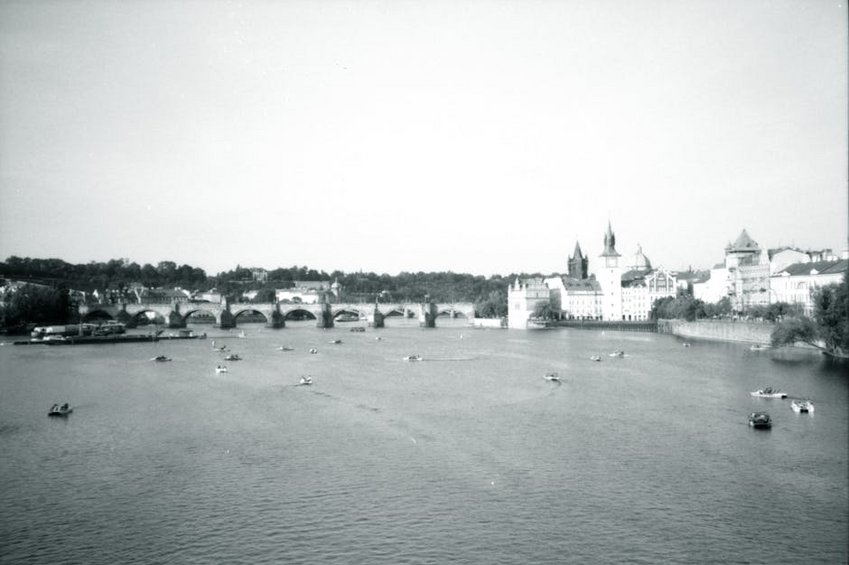
Charles Bridge is best experienced at sunrise or late evening. The 14th-century stone bridge, adorned with 30 Baroque statues, connects the Old Town with the Lesser Town. Avoid the midday press of tourists and souvenir vendors for a more atmospheric crossing.
Old Town Square is the city’s historic heart, surrounded by the Gothic Týn Church, Baroque St. Nicholas Church, and the Old Town Hall with its Astronomical Clock. Watch the clock’s hourly procession, but for the best views, climb the Town Hall tower.
Hidden Gems and Local Favorites
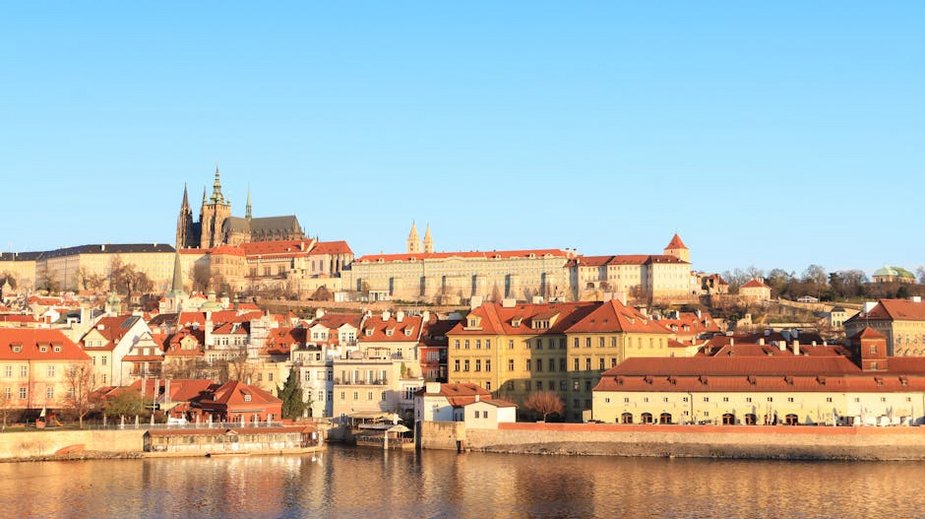
Escape the crowds at the Vrtba Garden in Malá Strana. This stunning Baroque terraced garden offers one of Prague’s best secret views of the city’s red rooftops. It’s a peaceful oasis just minutes from the bustling castle pathways.
Visit the DOX Centre for Contemporary Art in Holešovice. Housed in a renovated factory, this gallery showcases cutting-edge Czech and international art. The adjacent Gulliver Airship installation is a unique architectural marvel. The area is filled with innovative cafes and design shops.
Explore Vyšehrad, the historic fort perched on a cliff over the Vltava. This is the city’s mythical birthplace, home to a serene cemetery, a rare Romanesque rotunda, and panoramic river views. It feels worlds away from the tourist center.
Cultural Performances and Music
Prague is a world capital for classical music. Attend a concert in a historic setting like the Smetana Hall, the Rudolfinum, or one of the city’s many Baroque churches. You can find performances of Mozart, Dvořák, and Smetana almost every night of the week.
For a unique experience, see a Black Light Theatre show. This distinctive Czech art form combines pantomime, optical illusions, and dance in a surreal, non-verbal performance perfect for international audiences. The Srnec and Image theatres are renowned for this style.
Practical Travel Information
Navigating Prague is straightforward with a basic understanding of its excellent infrastructure. The city is served by Václav Havel Airport Prague (PRG), located about 30 minutes west of the center. Numerous airlines offer direct flights from major European hubs and some seasonal transatlantic routes.
Within the city, the integrated transport system (PID) includes three metro lines, an extensive tram network, and buses. The metro operates from 5 am until midnight, with night trams taking over thereafter. Tickets are time-based (30-min, 90-min, 24-hr, 72-hr) and valid on all modes.
| Accommodation Type | Best For / Location Examples | Price Range (USD per night) |
|---|---|---|
| Hostel / Budget Hotel | Solo travelers & groups; areas like Žižkov or Prague 2 | $25 – $70 |
| Mid-Range Hotel / Apartment | Couples & families; Vinohrady, Karlín, Lesser Town | $90 – $180 |
| Luxury / Historic Hotel | Splurge & design lovers; Old Town, Castle District | $220 – $450+ |
| Local Guesthouse / Pension | Authentic experience; residential districts | $60 – $110 |