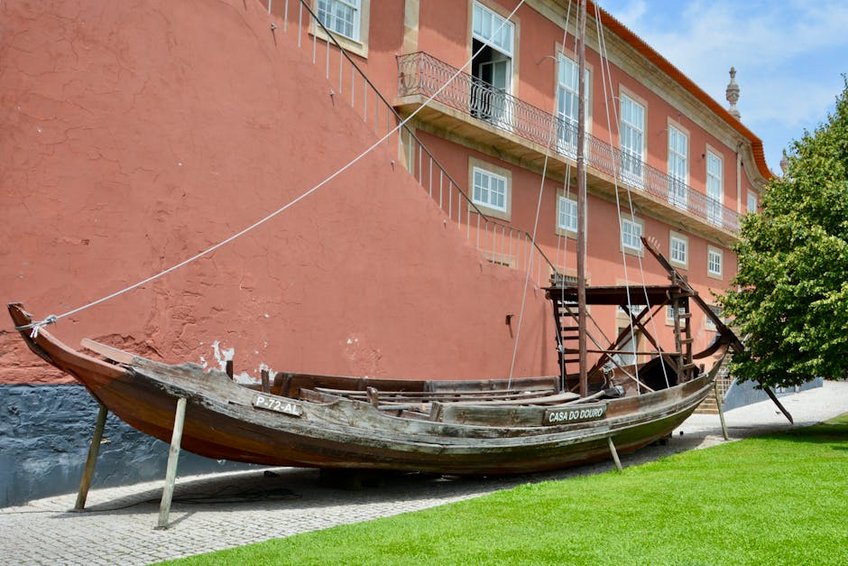
Portugal Douro Valley Wine Terraces: Scenic Vineyard Adventures
The Portugal Douro Valley Wine Terraces present a stunning UNESCO World Heritage landscape where ancient vineyards cascade down steep slopes to the winding Douro River. This historic region produces world-famous port wines alongside exceptional table wines across terraced vineyards dating back centuries. Our guide explores seasonal visits, authentic tasting experiences, and practical travel tips for this iconic Portuguese destination.
Essential Douro Valley Information
The Douro Valley spans approximately 250,000 hectares in northeastern Portugal, featuring terraced vineyards built over 2,000 years. This cultural landscape earned UNESCO protection in 2001 for its historical wine production methods and breathtaking geographical features. Visitors discover five distinct sub-regions each offering unique microclimates and grape varieties.
Portuguese remains the primary language though English is widely spoken in tourism and wine industries. The local currency is the Euro, with credit cards accepted at most establishments beyond remote quintas (wine estates). Cellular service covers major towns while some vineyard areas experience limited connectivity.
What You Need to Know
These key facts help plan your Douro Valley exploration effectively.
- UNESCO designated the Alto Douro Wine Region in 2001 for its cultural landscape significance and historical port production methods spanning centuries.
- Best visiting months run from March through October, avoiding winter rainfall while capturing bud break, flowering, or harvest seasons across the valley.
- Primary transportation options include rental cars for flexibility, scenic train routes along the river, or organized boat tours between vineyard towns.
- Budget travelers spend $50-100 daily using guesthouses, self-guided tours, picnic lunches, and regional trains between major towns like Peso da Régua and Pinhão.
- Mid-range visitors allocate $100-250 daily for boutique hotels, organized half-day tours, restaurant dinners, and rental car exploration across the valley’s winding roads.
- Luxury experiences cost $250-500+ daily featuring vineyard estate stays, private guided tours, gourmet dining with wine pairings, and romantic river cruises at sunset.
- Visit Portugal Douro Valley Official Guide
- Wine Tourism Portugal Association
Key Historical Details
Viticulture traditions here date to Roman times, with documented port wine production beginning in the 18th century. The 1756 demarcation established the Douro as the world’s first officially regulated wine region, creating quality standards still maintained today. Terraced construction using schist stone walls prevents erosion while creating ideal sun exposure for grape cultivation.
Modern innovations include vineyard mechanization where terrain permits, though many steep slopes still require manual harvesting. Family-owned quintas often operate alongside major port houses, offering diverse tasting experiences from rustic to luxurious settings. The region now produces increasing quantities of high-quality table wines alongside traditional port varieties.
Geographical Features
The Douro River carves through mountainous terrain creating microclimates perfect for grape growing. Schist and granite soils dominate the valley, providing excellent drainage and mineral characteristics to the wines. Altitude variations from river level to hilltop vineyards create diverse growing conditions across short distances.
This varied topography supports multiple grape varieties including Touriga Nacional, Tinta Roriz, and Touriga Franca for red wines. White grapes like Malvasia Fina and Viosinho thrive in specific microclimates throughout the region. The river itself moderates temperatures, protecting vines from extreme weather fluctuations.
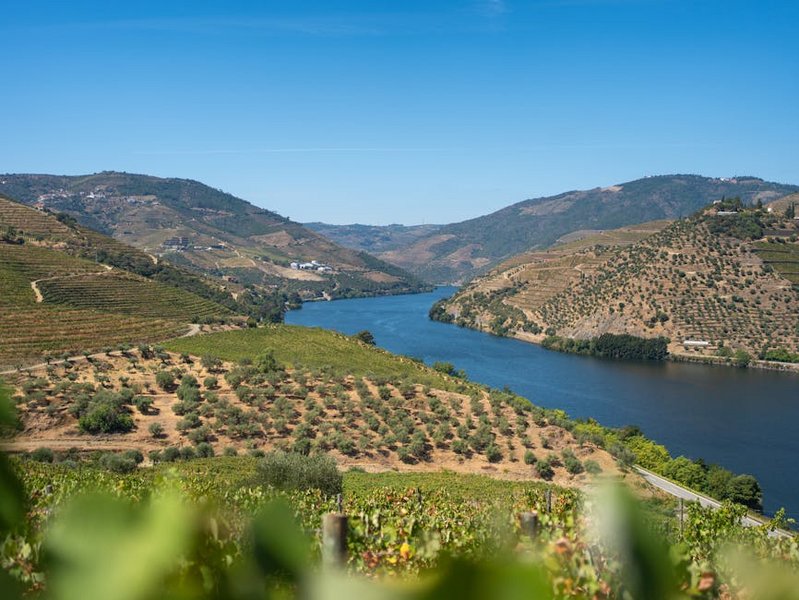
Alt: “douro-valley-unesco-vineyard-terraces-river-landscape”
Planning Your Portugal Douro Valley Wine Terraces Trip
Organizing your Portugal Douro Valley Wine Terraces visit requires considering seasonal patterns, transportation logistics, and activity preferences. Spring and autumn deliver ideal weather conditions with moderate crowds compared to busy summer months. Advance reservations secure preferred accommodations and tasting appointments at popular quintas.
Budget approximately $100-300 daily depending on accommodation style, dining choices, and tour selections. Rental cars provide maximum flexibility for exploring remote vineyards, while train and boat options offer scenic alternatives. Pack layered clothing for variable mountain weather and comfortable walking shoes for vineyard tours.
Best Time to Visit Douro Valley
Visit between April-June or September-October for pleasant temperatures ranging 60-75°F (15-24°C) and vibrant vineyard colors. These shoulder seasons offer comfortable touring conditions with fewer visitors than peak summer months. Harvest typically occurs September-October, providing unique opportunities to witness traditional grape stoming.
July-August brings hotter weather reaching 85-95°F (29-35°C) with increased tourist crowds at major sites. Winter months from November-February see cooler temperatures 45-55°F (7-13°C) with higher rainfall, though offering deeply discounted accommodation rates. Some quintas close January-February for maintenance.
Budget Planning and Costs
Daily expenses vary significantly based on travel style and preferences.
Essential Preparation Checklist
Pack breathable clothing suitable for variable mountain weather, including layers for cool mornings and warm afternoons. Sturdy walking shoes handle uneven terrain during vineyard tours, while formal attire suits upscale restaurant dinners. Bring sunscreen, hats, and reusable water bottles for outdoor exploration.
Secure international driving permits if renting vehicles, plus comprehensive travel insurance covering potential trip interruptions. Book popular quintas and restaurants 2-3 months ahead for peak season visits between May-October. Learn basic Portuguese phrases enhances interactions at family-run establishments beyond tourist centers.
Top Attractions and Activities
The Douro Valley delivers unforgettable experiences from river cruises to vineyard hikes across its stunning terraced landscapes. Historic wine estates offer tastings ranging from informal cellar visits to multi-course food pairings. Quaint riverside villages preserve traditional architecture and authentic Portuguese culture.
Scenic drives along the N222 road reveal breathtaking viewpoints overlooking vine-covered slopes descending to the Douro River. Boat tours from Pinhão or Peso da Régua provide unique perspectives of the terraces from water level. Numerous hiking trails connect vineyards while offering panoramic valley vistas.
Must-See Highlights
Quinta do Crasto features magnificent terraced vineyards with an infinity pool overlooking the Douro River, requiring advance reservations for visits. The property produces acclaimed red wines and ports, with tasting experiences available in multiple formats. Their vineyard tour demonstrates traditional and modern winemaking techniques side by side.
Pinhão train station displays beautiful azulejo tiles depicting vineyard scenes and harvest traditions, offering free access to visitors. The nearby Quinta do Noval produces legendary Nacional vintage ports from ungrafted vines, with tastings available by appointment. Six Bridges Cruise from Pinhão provides a two-hour river journey past iconic vineyard landscapes.
Vila Real offers baroque architecture at Mateus Palace alongside modern wine experiences at Quinta da Aveleda. The region’s highest vineyards at Quinta do Vale Meão demonstrate altitude’s impact on grape growing conditions. Many quintas combine wine production with olive oil, almond, and citrus cultivation.
Hidden Gems and Local Favorites
Provesende village preserves traditional Douro architecture with narrow streets and historic manor houses rarely visited by tour groups. The community maintains centuries-old wine production traditions, with some families offering informal tastings. Nearby hiking trails connect to smaller quintas producing exceptional artisanal wines.
Favaios village specializes in Moscatel wine production alongside traditional bread baking in community ovens. The Bread and Wine Museum details local agricultural history with interactive exhibits. Family-owned Adega Cooperativa de Favaios offers tastings of their distinctive fortified Moscatel wines.
Wine Tasting and Tours
Most quintas require advance bookings for tastings and tours, with options ranging from basic portfolio samplings to extensive vertical tastings. Traditional port houses like Graham’s and Taylor’s maintain impressive tasting rooms in Vila Nova de Gaia, though many operate Douro Valley properties too. Smaller producers often provide more personalized experiences with direct winemaker interactions.
Guided tour companies organize transportation between multiple quintas, handling logistics while providing expert commentary. Self-drive itineraries allow flexibility but require designated drivers due to Portugal’s strict drunk driving laws. Many hotels arrange private tours with exclusive access to normally closed properties.
Practical Travel Information
Reaching the Douro Valley typically involves flying into Porto Airport (OPO), then transferring via train, rental car, or private transfer. The scenic Linha do Douro train route follows the river from Porto to Pocinho, stopping at key valley towns. Driving takes approximately 2 hours from Porto via well-maintained highways and picturesque secondary roads.
Accommodation ranges from luxury wine estate hotels to modest guesthouses in traditional villages. Major rental car companies operate at Porto Airport and city locations, though booking ahead secures better rates. English-speaking tour guides are readily available through hotels and specialized agencies.
| Category | Options/Features | Price Range (USD) |
|---|---|---|
| Accommodation | Vineyard hotels, guesthouses, boutique inns | $80-400 per night |
| Wine Tours | Guided visits, tastings, river cruises | $40-200 per person |
| Transportation | Rental cars, trains, taxis, boats | $30-150 daily |
| Dining | Local taverns, fine restaurants, vineyard lunches | $15-80 per meal |