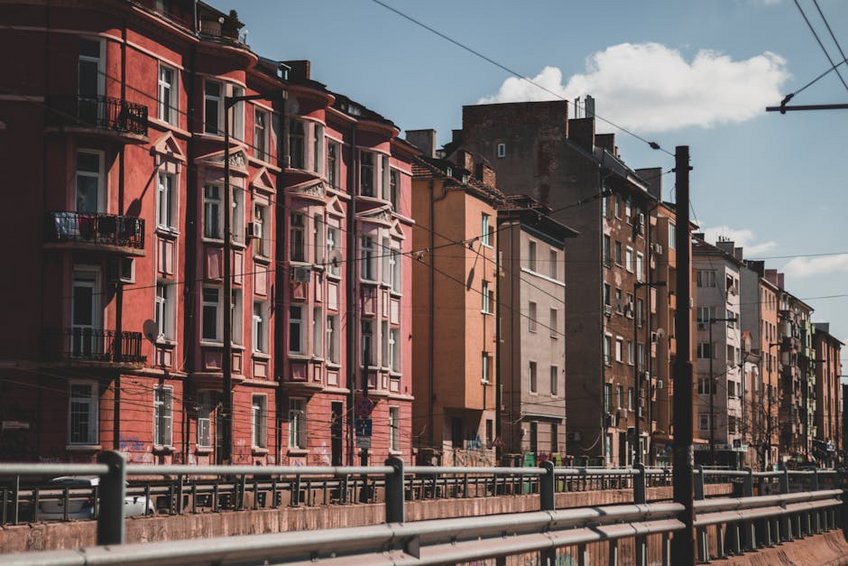
Places to Visit in Sofia: A Complete Guide to Bulgaria’s Capital
Sofia presents a compelling mix of Roman ruins, Ottoman mosques, and Soviet-era monuments set against the dramatic backdrop of Vitosha Mountain. Your discovery of the best places to visit in Sofia starts in the compact city center, where you can walk from a 4th-century church to a 21st-century shopping street in under ten minutes. This guide covers essential historical sites, local culinary experiences, and practical tips for navigating the city affordably and efficiently.
Essential Sofia Information
Sofia is one of Europe’s oldest cities, with a history spanning over 2,400 years. The city’s strategic location in western Bulgaria makes it a gateway to both the Balkan Mountains and the popular Black Sea coast. Temperatures range from an average high of 29°C (84°F) in July to lows of -4°C (25°F) in January.
Bulgaria joined the European Union in 2007 but retains its own currency, the Bulgarian Lev (BGN). Many establishments accept Euros, but you’ll get better value using local currency. The city is very walkable, with a reliable metro system connecting key districts for longer journeys.
Quick Facts for Travelers
Understanding these basics will help you plan a smoother trip to the Bulgarian capital.
- Language: Bulgarian uses the Cyrillic alphabet, but English is widely spoken in tourist areas, hotels, and younger demographics across the city center.
- Currency: Bulgarian Lev (BGN). As of 2024, 1 BGN equals approximately $0.55 USD, making most attractions and meals very affordable for Western travelers.
- Best Airport: Sofia Airport (SOF) is the main international hub, located just 10 km (6 miles) east of the city center with easy metro access.
- Budget Traveler ($40-60 USD/day): Stay in hostels or guesthouses ($15-25/night), eat at bakeries and local mehanas (taverns), use public transport, and focus on free sights like churches and city parks.
- Mid-Range Traveler ($80-120 USD/day): Comfortable hotel or apartment in the center ($60-80/night), dine at good restaurants, take a guided walking tour, and visit several key museums with entry fees.
- Luxury Traveler ($150+ USD/day): Boutique or 5-star hotel ($120+/night), fine dining, private guided day trips to Rila Monastery or Boyana Church, and premium cultural experiences like opera tickets.
- Official Sofia Tourism Portal
- Wikitravel Sofia Guide
Navigating the City Layout
Sofia’s core is surprisingly compact. Most major Sofia tourism highlights are concentrated within a 2 km radius around the landmark Alexander Nevsky Cathedral. You can comfortably explore the primary religious and historical sites on foot over a weekend.
The city expands into residential and business districts like Lozenets and Studentski Grad. The efficient, two-line metro system connects these outer areas to the center. Key stops include Serdika (for the ancient ruins), NDK (for the National Palace of Culture), and G.M. Dimitrov (for the Central Railway Station).
A Brief Cultural and Historical Context
Bulgarian capital sights reveal layers of Thracian, Roman, Byzantine, Ottoman, and Communist history. This complex past explains the stunning architectural diversity you’ll see. The city was renamed Sofia in the 14th century after the Hagia Sophia Church, meaning “Holy Wisdom.”
Modern Sofia emerged after Bulgaria’s liberation from Ottoman rule in 1878. The subsequent period saw a construction boom, creating the elegant Neo-Baroque and Neo-Renaissance buildings lining main boulevards. Understanding this timeline enriches your visit to each landmark.
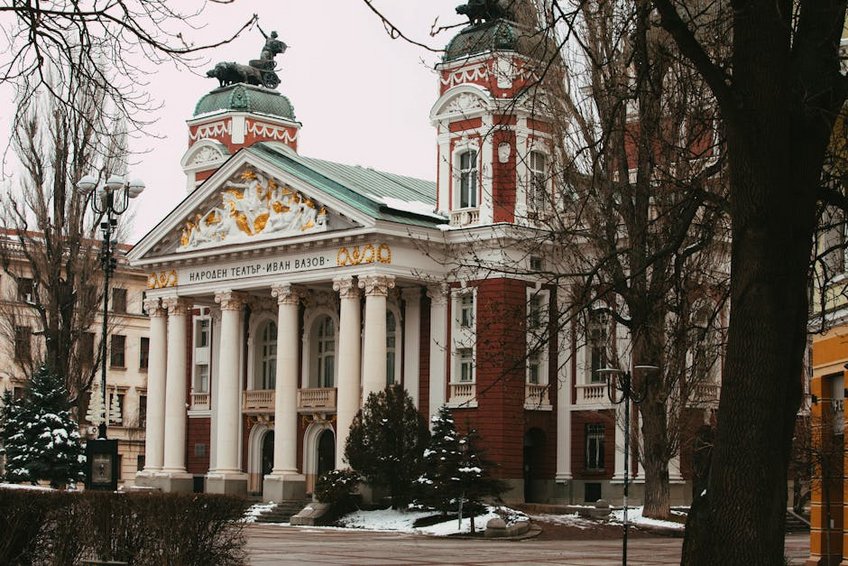
Alt: “alexander-nevsky-cathedral-golden-domes-sofia-cityscape”
Places to Visit in Sofia – Planning Your Trip
To see the top places to visit in Sofia efficiently, structure your days geographically. Group the major religious sites around Alexander Nevsky Cathedral on one day. Dedicate another day to the ancient Serdika complex and the modern Vitosha Boulevard. Always check opening days, as some museums close on Mondays.
Budget-conscious travelers will find Sofia exceptionally affordable. Museum entry fees rarely exceed $5 USD, and a hearty traditional meal costs between $8-15 USD. Mid-range visitors can enjoy excellent hotel stays for $70-100 per night. Purchase a Sofia City Card if you plan to visit many paid attractions and use public transport frequently.
Spring (May-June) and early autumn (September-October) offer the ideal climate for exploring, with mild temperatures and fewer crowds than the peak summer months. Winters are cold but magical, especially with a dusting of snow on Vitosha Mountain visible from the city streets.
Best Time to Visit Sofia
The prime months for exploring Sofia’s attractions are late May through June and September. Daytime temperatures range from 18-25°C (64-77°F), perfect for walking tours. These shoulder seasons avoid the peak summer tourist rush in July and August, when temperatures can reach 35°C (95°F).
For winter charm and potential skiing on nearby Vitosha Mountain, visit between December and February. Be prepared for temperatures between -5°C and 5°C (23-41°F) and shorter daylight hours. Many museums and sites remain open, offering a cozy, crowd-free experience.
Budget Planning and Costs
Your daily budget in Sofia varies significantly based on accommodation and dining choices.
Essential Preparation Checklist
Pack comfortable walking shoes with good grip for cobblestone streets and layered clothing for variable weather. Include a power adapter (Bulgaria uses Type F plugs, 230V) and a reusable water bottle, as tap water is safe to drink in Sofia. Download the official Sofia Urban Mobility app for real-time public transport schedules.
EU and US passport holders do not need a visa for stays up to 90 days. Ensure your passport is valid for at least three months beyond your departure date. Travel insurance with medical coverage is highly recommended. Book popular restaurants a few days in advance, especially for weekend dinners.
Top Attractions and Historical Sites
Your sightseeing journey in the Bulgarian capital logically begins at the iconic Alexander Nevsky Cathedral. From there, you can easily walk to several other major religious and governmental landmarks. The city’s ancient Roman foundations are literally underfoot at the Serdika Archaeological Complex, integrated into the metro station.
Beyond the central cluster, allocate time for the outstanding National Historical Museum and the poignant Boyana Church, a UNESCO site. Each site tells a different chapter of Sofia’s long narrative, from medieval Bulgarian empires to 20th-century communist rule.
Must-See Highlights
Alexander Nevsky Cathedral is the symbol of Sofia. This magnificent Orthodox cathedral, built between 1882 and 1912, features neo-Byzantine architecture and can hold 10,000 people. Don’t miss the crypt, which houses a superb collection of religious icons.
The Church of St. George is the oldest building in Sofia, a 4th-century Roman rotunda surrounded by modern government buildings. Nearby, the Banya Bashi Mosque and Sofia Synagogue highlight the city’s multi-faith history. All are within a five-minute walk of each other.
Visit the National Palace of Culture (NDK) park for a green respite and views of Vitosha Mountain. The building itself is a landmark of late socialist architecture. Entry to the grounds is free, and it’s a popular local gathering spot.
Hidden Gems and Local Favorites
Step away from the main boulevards to find the quieter, cobbled streets of the Doctor’s Garden neighborhood. Here you’ll find charming Art Nouveau houses and small cafes. The tiny Church of St. Petka of the Saddlers, built in the 14th century, sits sunken below street level next to the Serdika metro platform.
For a unique perspective, visit the Museum of Socialist Art located slightly south of the center. It features statues of Lenin and other communist-era monuments in an outdoor park, alongside a gallery of period paintings. It’s a thought-provoking look at Bulgaria’s recent past.
Museums and Cultural Institutions
The National Historical Museum is worth the short trip to the Boyana district. Housed in a former government residence, its vast collection includes Thracian gold treasures, medieval weapons, and traditional folk costumes. Allow at least two to three hours for a proper visit.
In the city center, the National Archaeological Museum is located in a former 15th-century mosque. Its manageable collection is beautifully presented, featuring artifacts from prehistory through the Middle Ages found in and around Sofia. It’s perfect for a shorter, focused museum visit.
Practical Travel Information
Accommodation in Sofia caters to all budgets, with the highest concentration of hotels and apartments located in the city center (Centar), Sredets, and Lozenets districts. Booking.com and Airbnb are widely used. For a more local experience, consider a guesthouse in the quieter but still central Doctor’s Garden area.
Getting around is straightforward. The metro is the fastest way to cover longer distances, while trams and buses serve areas between metro lines. Purchase rechargeable electronic cards from metro station kiosks. Taxis are inexpensive but ensure you use a reputable company like OK Supertrans to avoid scams.
| Accommodation Type | Best For & Key Features | Average Price/Night (USD) |
|---|---|---|
| Hostel / Guesthouse | Budget travelers & solo backpackers; social atmosphere, basic amenities, central locations. | $15 – $30 |
| Mid-Range Hotel | Couples & small families; modern comforts, breakfast included, near metro stops. | $50 – $90 |
| Boutique Hotel / Apartment | Design-conscious travelers & longer stays; unique character, kitchenettes, premium locations. | $100 – $150 |
| Luxury 5-Star Hotel | Splurge & business trips; full-service spas, fine dining, concierge, panoramic views. | $180 – $300+ |