Petra Travel Guide: Unlocking Jordan’s Ancient Rose City
Your Petra travel guide provides the essential blueprint for navigating one of the world’s most iconic archaeological wonders, a UNESCO World Heritage site carved directly into the vibrant sandstone cliffs. This journey transports you back to the Nabatean civilization, blending profound history with dramatic desert landscapes you can explore on foot, horseback, or camel. We’ll cover the logistics, from securing your Jordan Pass to trekking the Siq at dawn, ensuring you maximize your visit to this magnificent site.
Essential Information About Petra
Petra, famously known as the Rose City, is an ancient Nabatean capital dating back to around 300 BCE. The city thrived as a major trading hub, controlling caravan routes carrying incense, silk, and spices. Its incredible architecture was carved directly from the multicolored sandstone rock face, creating a legacy that remained hidden from the Western world for centuries.
Located in southern Jordan’s Ma’an Governorate, the site spans over 100 square miles of mountainous desert. Modern discovery is credited to Swiss explorer Johann Ludwig Burckhardt in 1812. Today, it stands as Jordan’s most visited attraction and a centerpiece of Middle Eastern cultural heritage, requiring thoughtful planning to fully appreciate.
Historical and Cultural Significance
Understanding the context transforms a visit from sightseeing to a meaningful experience.
- The Nabateans were master hydraulic engineers, creating a complex water conduit system that allowed this desert city to flourish, with channels and dams still visible today.
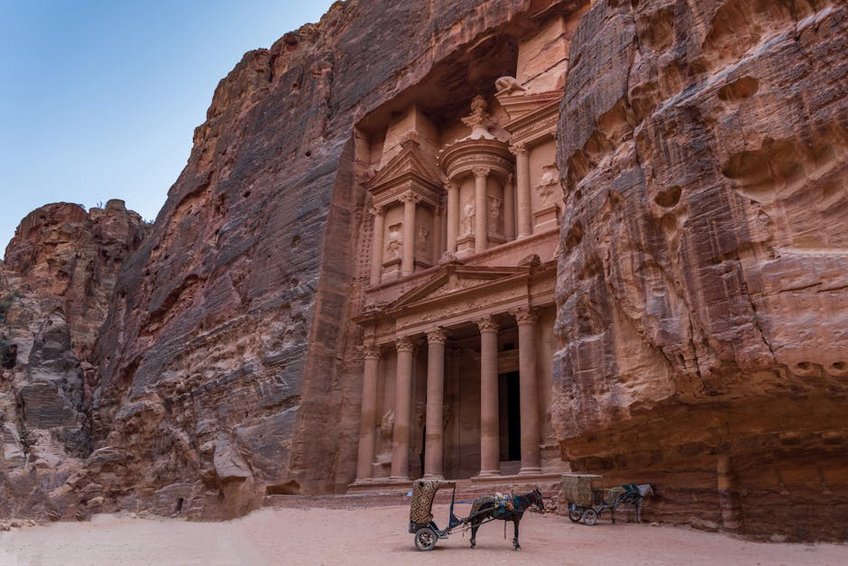
- Petra’s architecture shows Hellenistic, Roman, and indigenous Arabian influences, evident in facades like the Treasury (Al-Khazneh) and the monumental Street of Facades.
- The city’s decline began after a devastating earthquake in 363 CE and the redirection of trade routes, leading to its eventual abandonment and obscurity.
- Budget travelers can manage on $70-100 per day by staying in hostels in Wadi Musa, buying groceries, and using the one-day Petra ticket with the Jordan Pass. Focus on free hikes and bring your own water and snacks into the site.
- A mid-range budget of $150-250 per day covers comfortable hotels in Wadi Musa, restaurant meals, a two-day Petra ticket, and hiring a local guide for a half-day to gain historical insights. This tier offers the best value for comfort and experience.
- Luxury experiences at $400+ per day include stays at the iconic Movenpick or Petra Marriott, private guided tours with vehicle access to special viewpoints, and dining at upscale restaurants. This level maximizes convenience and exclusive access.
- Official Petra Development and Tourism Region Authority
- Lonely Planet Petra Travel Guide
What Defines the Petra Experience
A trip here is physically engaging and culturally immersive. You will walk several miles through canyons and past countless tombs and temples. The scale is breathtaking, with the most famous structures located in the main valley, while more remote hikes lead to sites like the Monastery (Al-Deir).
Interaction with the local Bedouin community is integral. Many families have historical ties to the site and now offer guided tours, camel rides, and tea in their makeshift shops. Respecting this living culture adds a rich layer to the historical exploration of the rock city.
Visiting Petra – Core Facts
The archaeological park is open daily from 6:00 AM to 6:00 PM in summer and 6:00 AM to 4:00 PM in winter. Entrance is not included in the standard Jordan Pass. Instead, pass holders get a discounted ticket, making the pass highly valuable for most itineraries.
Physical demand varies greatly. The main trail to the Treasury is a gentle, downhill stroll. However, reaching the High Place of Sacrifice or the Monastery involves steep, uneven staircases carved into rock. Proper footwear and fitness preparation are non-negotiable for a complete exploration.
Alt: “petra-jordan-treasury-facade-siq-canyon-path”
Petra Travel Guide – Planning Your Trip
Strategic planning significantly enhances your visit to this expansive site. A meticulous Petra travel guide must account for ticket selection, timing, and route planning to avoid crowds and heat. The Jordan Pass, purchased online before arrival, is the most critical tool, covering your visa fee and entry to many other sites.
Your choice of ticket depends on your available time. A one-day ticket is a whirlwind, while a two or three-day pass allows for deeper exploration of secondary trails. Allocate your first day for the main trail and the iconic Treasury view. Use subsequent days for longer hikes to the Monastery and the less-visited tombs on the outskirts.
Best Time to Visit Petra
Spring (March to May) and Autumn (September to November) offer ideal conditions. Daytime temperatures range from a pleasant 70°F to 85°F (21°C to 29°C) with cool evenings. These seasons provide perfect weather for extensive hiking without the intense desert sun. However, these are also peak periods, so booking accommodation well in advance is essential.
Winter (December to February) brings colder days, with temperatures between 45°F and 60°F (7°C to 16°C), and occasional rain or even rare snow. Crowds are thinner, but some days can be chilly. Summer (June to August) is extremely hot, often exceeding 100°F (38°C), making early morning entries before 6:00 AM a necessity for comfort and safety.
Budget Planning and Costs
Costs can vary widely based on your travel style and ticket duration.
Essential Preparation Checklist
Packing correctly is crucial for the desert environment and rugged terrain. You need sturdy, broken-in hiking shoes with good grip, a wide-brimmed hat, high-SPF sunscreen, and a refillable water bottle. A lightweight backpack will carry these essentials, along with a flashlight if you plan to be in the Siq near closing time.
Organization extends beyond gear. Secure comprehensive travel insurance that covers emergency evacuation. Book your Jordan Pass online at least a week before travel to ensure smooth airport processing. Learn a few Arabic phrases like “Shukran” (Thank you) and familiarize yourself with local customs for respectful interactions.
Top Attractions and Activities in the Rose City
Beyond the iconic Treasury facade, Petra is a vast landscape of carved monuments, high-altitude altars, and sweeping vistas. The site is divided into several main areas connected by ancient pathways. Allocate time not just for the major stops, but for the serene moments of discovery in between them.
Start your first day by entering the Siq at dawn. This narrow, winding canyon gorge serves as the dramatic entrance, with walls soaring up to 650 feet high. The play of morning light on the colored stone is magical, and you’ll avoid the large tour groups that arrive later. The canyon walk builds anticipation for the breathtaking reveal of the Treasury at its end.
Must-See Highlights
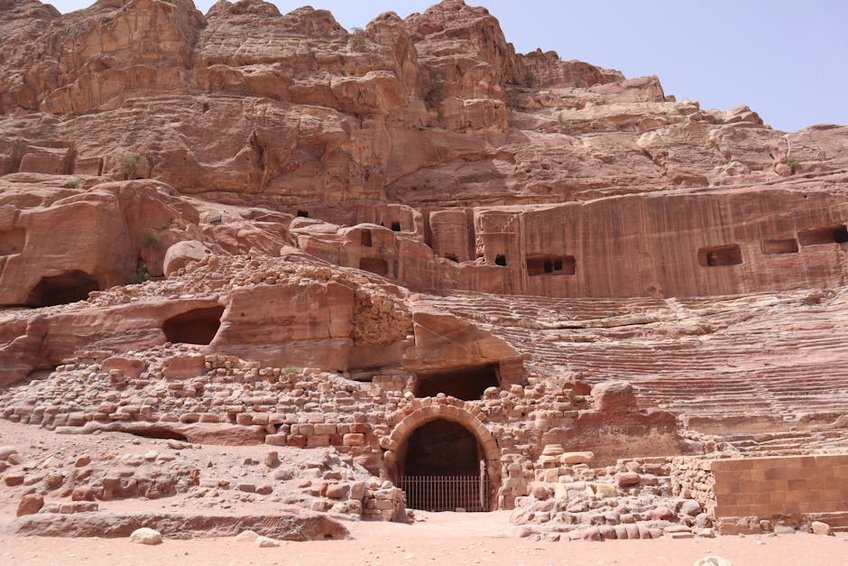
The Treasury (Al-Khazneh) is the undisputed star, but you cannot enter the interior chamber. Spend time viewing it from different angles as the sun moves. Continue down the Street of Facades, a canyon lined with Nabatean tomb fronts, leading to the 7,000-seat Roman Theatre, carved into the hillside in the 1st century AD.
The Royal Tombs, including the Urn Tomb and the Silk Tomb, showcase incredible scale and craftsmanship on a cliff face. Further along, the Colonnaded Street marks the heart of the ancient city center, leading to the Great Temple complex and Qasr al-Bint, one of the few free-standing structures. Each site reveals a different aspect of Nabatean engineering and artistry.
Hidden Gems and Challenging Hikes
For a spectacular view overlooking the Treasury from above, hike the Al-Khubtha Trail. This strenuous path starts near the Royal Tombs and climbs to a ledge with a stunning, dizzying panorama. It requires solid fitness and takes about two to three hours round-trip. A small stall at the top sells tea, offering a well-earned break.
The hike to the Monastery (Al-Deir) is a demanding but essential journey. It involves climbing over 800 rock-cut steps, but the reward is immense: a monumental facade even larger than the Treasury, set in a quieter, elevated location. The nearby “Best View in the World” café provides a perfect spot to rest and enjoy the scenery. Fewer crowds make this trek particularly special.
Engaging with Local Culture
The Bedouin community is part of Petra’s living heritage. Accepting an invitation for sweet, sage-flavored Bedouin tea in a simple shop is a cultural experience, not just a sales tactic. Listen to their stories about growing up among the ruins. Many offer guided donkey or camel rides up the steep trails, which can be a worthwhile help for weary legs.
Consider a “Petra by Night” experience, where the Siq and Treasury are illuminated by over 1,500 candles. While it can be crowded, the walk through the silent, candlelit canyon and the traditional music performance create a uniquely atmospheric perspective of the ancient city, different from the daytime bustle.
Practical Travel Information for Jordan
Navigating Jordan requires understanding local transportation, accommodation options, and daily logistics. The town of Wadi Musa is the gateway, sprawling along the hillside above the Petra Visitor Center. It offers the full spectrum of lodging, from budget hostels to five-star hotels, all within a short drive or walk to the site entrance.
Getting to Petra typically involves flying into Queen Alia International Airport (AMM) in Amman. From there, you have several options: a 3-hour private taxi, a cheaper but slower JETT tourist bus, or renting a car for ultimate flexibility to explore the wider region, including Wadi Rum and the Dead Sea, on your own schedule.
| Category | Options/Features | Price Range (USD) |
|---|---|---|
| Accommodation (Per Night) | Hostels, Mid-range Hotels (Movenpick Nabatean Castle), Luxury (Petra Marriott) | $25 – $300+ |
| Site Entry Ticket | 1-Day (70 JD), 2-Day (75 JD), 3-Day (80 JD); Discount with Jordan Pass | $99 – $113+ |
| Local Transportation | Taxi from Visitor Center to trailheads, Camel/Donkey rides within site | $5 – $30 per ride |
| Guided Services | Official 2-3hr tour, Private Full-Day Guide, Specialized Archaeological Guide | $70 – $200+ |