Palace Tours in Vienna: Your Guide to Imperial Grandeur
Exploring Vienna’s imperial architecture offers a direct journey into the heart of European power and artistry. Your palace tours in Vienna connect you with the opulent world of the Habsburg dynasty, from Schönbrunn’s sprawling gardens to the Hofburg’s intricate state apartments. This guide provides the essential timing, ticketing, and itinerary strategies to transform a simple visit into a profound historical experience, ensuring you witness the city’s most magnificent treasures efficiently.
Vienna’s Imperial Legacy
Vienna’s identity is inseparable from the Habsburg Monarchy, which ruled Central Europe for over six centuries. The family’s patronage turned the city into a beacon of music, art, and Baroque architecture, with their residences serving as the epicenter of political and cultural life. This legacy of absolute power and extravagant display is physically etched into the cityscape, offering visitors a tangible link to a world of emperors and empresses.
The concentration of imperial sites within Vienna is remarkable, with several former residences located within easy reach of the city center. Each palace tells a different chapter of the story, from formal seat of power to summer leisure retreat. Understanding this historical context enriches every visit, turning ornate rooms into narratives of diplomacy, family drama, and artistic ambition that shaped a continent.
Understanding the Habsburg Dynasty
The success of your palace exploration hinges on knowing the key figures behind the buildings. Here are the essential rulers connected to Vienna’s premier sites.
- Empress Maria Theresa: The powerful matriarch who significantly expanded Schönbrunn Palace in the 18th century, making it the family’s beloved summer residence and a center of court life.
- Emperor Franz Joseph I: The long-reigning monarch whose life and work are intimately displayed at both Schönbrunn and the Hofburg; his office and modest bedroom offer a personal glimpse into the man who ruled during a time of immense change.
- Empress Elisabeth (Sisi): The beloved yet tragic figure whose beauty, rebellious spirit, and elaborate fitness routines are memorialized in dedicated museums, adding a deeply human element to the imperial grandeur.
- Budget Option ($25-40): Focus on one major palace Imperial Tour (22 rooms at Schönbrunn) and rely on free exterior access and gardens at others. Use public transport passes and consider the Vienna Pass for bundled entry if visiting multiple paid attractions.
- Mid-Range Option ($65-100): Includes the Grand Tour (40 rooms) at Schönbrunn, a combined ticket for the Sisi Museum and Imperial Apartments at the Hofburg, and entry to one Belvedere palace. This tier offers the best value for comprehensive access.
- Luxury Option ($150+): Features private guided tours of major palaces, behind-the-rings access to areas like the Schönbrunn Palace Orangery, and premium experiences such as classical concerts in palace halls. This provides context and exclusivity.
- Schönbrunn Palace Official Website
- Hofburg Vienna Official Visitor Information
- Belvedere Museum Official Site
Architectural Styles You’ll Encounter
Vienna’s palaces are masterclasses in evolving European design. The predominant style is Baroque and its more playful successor, Rococo, characterized by sweeping staircases, gilded stucco, ceiling frescoes, and an overwhelming sense of movement and drama. This is perfectly exemplified in the Hall of Mirrors at Schönbrunn and the Imperial Chapel at the Hofburg.
Later additions, particularly in the 19th century, introduced Neoclassical and Historicist elements. You’ll see this in the more restrained, columned façades of palace wings and in interiors that reference earlier Renaissance or Gothic styles. This architectural journey mirrors the monarchy’s attempt to link itself to various glorious pasts while maintaining its contemporary authority and taste.
Key Historical Periods Represented
The palaces chronicle Austria’s journey from a dominant empire to a modern republic. The 16th and 17th centuries focus on fortress-like structures and the Counter-Reformation’s triumphant art. The 18th century showcases the absolute monarchy’s peak under Maria Theresa, a period of lavish cultural flourishing.
The 19th century reveals the empire under pressure from nationalism and revolution, reflected in more eclectic architectural styles. Finally, the early 20th century captures the monarchy’s elegant but fading twilight before World War I precipitated its collapse. Each building layer acts as a historical stratum waiting to be uncovered.
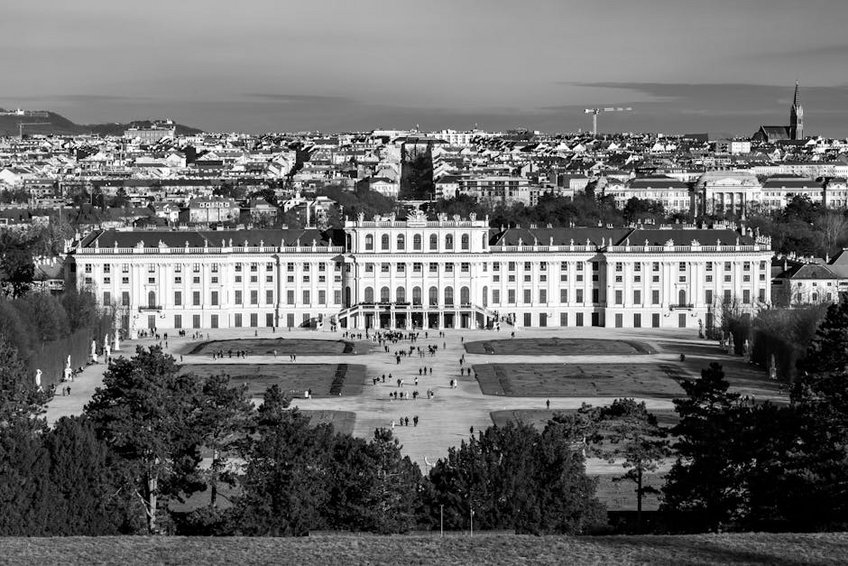
Alt: “schonbrunn-palace-facade-baroque-architecture-vienna-austria”
Palace Tours in Vienna – Strategic Planning
To maximize your Vienna palace visits, strategic planning is non-negotiable. The popularity of sites like Schönbrunn means timed-entry tickets frequently sell out days in advance, especially for premium tours like the Grand Palace Tour. Booking online directly through each palace’s official website secures your slot and often offers a small discount compared to gate prices.
Your schedule should account for travel between locations and necessary downtime. For instance, combining the Hofburg complex in the morning with a leisurely afternoon at the nearby Kunsthistorisches Museum is more sustainable than attempting multiple full palace tours back-to-back. Prioritize the interiors that most interest you, as trying to see every single room across multiple residences can lead to “palace fatigue.”
Best Time to Visit Vienna’s Palaces
Visit Vienna’s imperial sites between April-May and September-October for optimal weather and manageable crowds. Daytime temperatures range from 55-68°F (13-20°C), ideal for exploring both interiors and the expansive gardens at Schönbrunn and Belvedere. These shoulder seasons offer a balance where you can enjoy the spaces without the intense summer congestion.
The summer months of June-August bring peak tourism; expect longer queues and fully booked tours, though longer daylight hours are a benefit. Winter (November-March) sees far fewer visitors and has a magical atmosphere, especially around Christmas markets, but some garden features will be dormant. Regardless of season, always book the first timed entry slot of the day for the quietest experience inside.
Budget Planning and Costs
Ticket costs for imperial tours vary significantly based on access level. Here is a breakdown to help you plan.
Essential Preparation Checklist
Comfortable walking shoes are the absolute priority, as palace tours involve standing on hard floors and covering large distances between rooms and gardens. Dress in layers, as interior temperatures in historic buildings can be cool. A small water bottle and a portable power bank for your phone camera are also highly recommended for full-day explorations.
Ensure you have digital or printed copies of all pre-booked tickets with QR codes. Download offline maps or the official palace apps for self-guided audio tour options. If you plan to visit multiple sites, validate whether a city tourist pass like the Vienna Pass offers genuine savings for your specific itinerary before purchase.
Top Imperial Attractions and Experiences
Beyond the famous names, Vienna’s imperial landscape includes specialized museums, breathtaking gardens, and unique performance venues. The Imperial Treasury at the Hofburg holds secular and ecclesiastical treasures like the imperial crown of the Holy Roman Empire, offering a glittering insight into the symbolism of power. The Habsburg Burial Crypt (Kapuzinergruft) provides a sobering yet fascinating contrast, containing the ornate tombs of emperors and empresses.
For a different perspective, the Imperial Carriage Museum at Schönbrunn displays extravagant state coaches and sleighs, highlighting the pomp of imperial mobility. Many visitors overlook the Hofmobiliendepot (Imperial Furniture Collection), a massive repository of Habsburg furnishings that beautifully complements what you see in the palace apartments themselves.
Must-See Palace Highlights
No visit is complete without the Great Gallery at Schönbrunn, a 40-meter long ballroom adorned with frescoes and gilded Rococo ornamentation. At the Hofburg, the Imperial Apartments reveal the personal worlds of Franz Joseph and Sisi, with her detailed exercise equipment on display. The stunning Marble Hall at the Upper Belvedere, where the State Treaty was signed, is a masterpiece of Baroque grandeur.
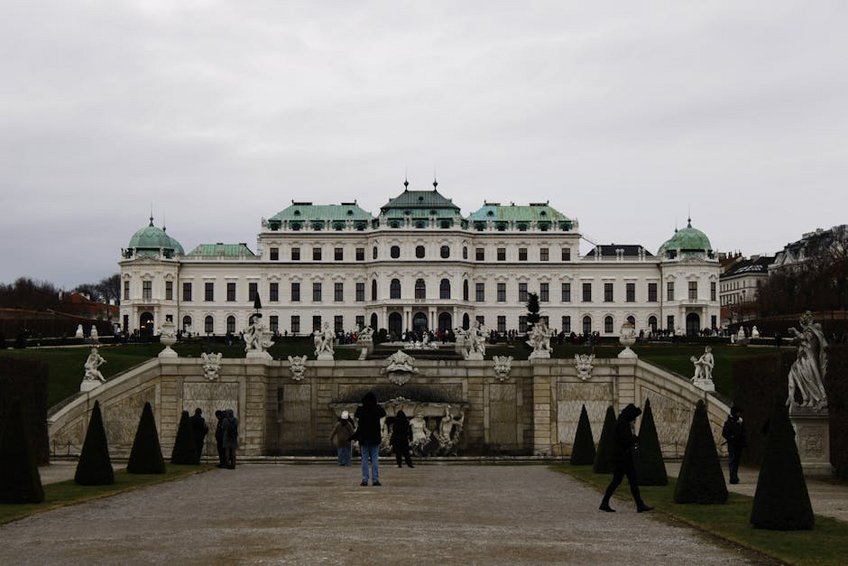
For garden enthusiasts, the Neptune Fountain and Gloriette structure at Schönbrunn offer iconic photo opportunities and panoramic city views. The intricate parterre gardens and reflecting pools between the Upper and Lower Belvedere are a masterpiece of Baroque landscape design. Each of these spots represents the pinnacle of imperial artistic and architectural achievement.
Hidden Gems and Local Favorites
Venture to Schloss Hof, located just outside Vienna but easily reachable by train and bus. This sprawling country estate was Prince Eugene of Savoy’s hunting lodge and later Maria Theresa’s rural retreat. It features magnificent gardens, a petting zoo, and demonstrations of historic crafts, offering a more relaxed, family-friendly imperial experience away from the central crowds.
Within the city, the Gartenpalais Liechtenstein (City Palace) often flies under the radar. It houses one of the world’s finest private art collections, with masterpieces by Rubens and Rembrandt, in a stunning Baroque setting. Tours are limited, so booking ahead is essential. For a quiet garden stroll, the Augarten, an imperial park open to the public since 1775, features the oldest Baroque garden in Vienna.
Evening Concerts and Cultural Events
Attending a classical concert in a palace setting is a quintessential Viennese experience. Venues like the Orangery at Schönbrunn or the halls of the Hofburg offer regular performances of works by Mozart and Strauss, often performed by orchestras in period costume. While these are designed for tourists, the ambiance of listening to music in a historic imperial space is undeniably special.
For a more authentic musical experience, research the schedule for the Wiener Hofburg Orchester or check for performances at the Musikverein or Staatsoper. During the summer, open-air cinema and concerts are sometimes held in palace gardens, blending imperial backdrop with local leisure culture. Always book concert tickets well in advance through official vendors.
Practical Travel and Logistics
Navigating between Vienna’s imperial sites is straightforward thanks to an excellent public transport network. The U-Bahn (subway) line U4 directly serves Schönbrunn Palace (Schönbrunn station), while the U3 line stops near the Hofburg (Herrengasse station). Trams and buses provide additional links; a 24, 48, or 72-hour public transport pass offers unlimited travel and is highly cost-effective.
Accommodation near the MuseumsQuartier or the First District places you within walking distance of the Hofburg and easy transit to other palaces. For a quieter stay with excellent connections, consider districts like Landstrasse or Wieden. Regardless of location, confirm your hotel’s proximity to a U-Bahn station to simplify your daily palace explorations.
| Palace Complex | Key Features & Tour Options | Recommended Visit Duration |
|---|---|---|
| Schönbrunn Palace | Imperial Tour (22 rooms), Grand Tour (40 rooms), Gardens, Maze, Gloriette, Carriage Museum | 3-5 hours |
| Hofburg Palace Complex | Imperial Apartments, Sisi Museum, Silver Collection, Imperial Chapel, Treasury, Spanish Riding School | 4-6 hours (for multiple sites) |
| Belvedere Palace | Upper Belvedere (art museum), Lower Belvedere (exhibitions), Orangery, Palace Stables, Baroque Gardens | 2-3 hours per palace |
| Imperial Summer Palaces | Schloss Hof (estate & gardens), Schloss Niederweiden (hunting lodge) – located outside city center | Half-day excursion |