Nile River Cruise in Egypt: Your Guide to Ancient Wonders
Sailing on a Nile River cruise in Egypt offers a unique perspective on millennia of history, connecting legendary temples and tombs from the comfort of a modern vessel. Your journey provides a serene contrast to the bustling cities, allowing you to witness daily life along the riverbanks while traveling between iconic archaeological sites like Luxor and Aswan. This guide covers essential planning, from choosing the right ship and itinerary to understanding the best seasons and cultural nuances for your voyage.
Essential Nile Cruise Information
A Nile River voyage is a journey through the heart of ancient civilization. These cruises typically operate on the stretch between Luxor and Aswan, a distance of approximately 200 kilometers (125 miles), passing through the serene Egyptian countryside. The river itself is the world’s longest, flowing north for over 6,650 kilometers (4,130 miles) and serving as the lifeline of Egypt since pharaonic times.
Modern cruises offer a blend of luxury and education, with guided tours included in most packages. You will travel on vessels ranging from traditional paddlewheel designs to contemporary, floating hotels with pools and sundecks. The pace is leisurely, with sailing times coordinated to maximize daytime exploration at the monumental stops along the route.
Understanding Nile Cruise Itineraries
Most classic voyages follow a set route, with variations based on direction and duration.
- The standard 4-night cruise from Aswan to Luxor visits highlights like Kom Ombo and Edfu temples, with optional add-ons to Abu Simbel.
- The 5-night itinerary from Luxor to Aswan provides more time at Karnak and the Valley of the Kings, often including a felucca sail around Elephantine Island.
- Longer 7-night round-trip journeys offer the most comprehensive experience, allowing for deeper exploration and additional stops like Dendera.
- Budget Cruise ($800-$1,500 USD per person for 4 nights): Includes basic cabin on a 3-4 star ship, full-board meals, and standard guided tours. Expect simpler amenities and larger group excursions. Book directly with Egyptian operators for best rates.
- Mid-Range Cruise ($1,800-$3,500 USD per person for 5 nights): Features a balcony cabin on a 5-star ship, all meals, premium beverages, and comprehensive guided tours with qualified Egyptologists. This tier offers the best value-for-money and service.
- Luxury & Dahabiya Cruise ($4,000-$8,000+ USD per person for 7 nights): Provides suite accommodations, gourmet dining, butler service, exclusive excursions, and visits to private archaeological sites. Ideal for travelers seeking an intimate, highly personalized journey.
- Egypt Tourism Authority
- UNESCO World Heritage Centre – Egypt
Key Historical Context
The Nile’s importance cannot be overstated. Ancient Egyptians called the fertile black soil along its banks “Kemet,” while the desert was “Deshret.” The river’s predictable annual flooding cycle enabled agricultural surplus, which in turn supported the pharaohs’ massive building projects. Your cruise sails past temples that were often positioned based on astronomical alignments related to the river.
These structures served both religious and administrative purposes. Construction occurred over centuries, with each ruler adding to complexes like Karnak. Understanding this layered history enriches your visits, transforming stone carvings into narratives of power, belief, and engineering mastery.
Types of Cruise Vessels
Choosing your ship significantly impacts the experience. Large cruise ships, often called “floating hotels,” accommodate 120-160 passengers and feature extensive amenities like multiple restaurants and spas. Smaller, boutique vessels or restored paddle steamers host 40-80 guests, offering a more intimate atmosphere and sometimes access to smaller docks.
The most luxurious option is a dahabiya, a traditional sailing yacht accommodating 10-20 people. These move by wind and current when possible, providing a silent, graceful journey and access to secluded archaeological sites larger ships cannot reach.
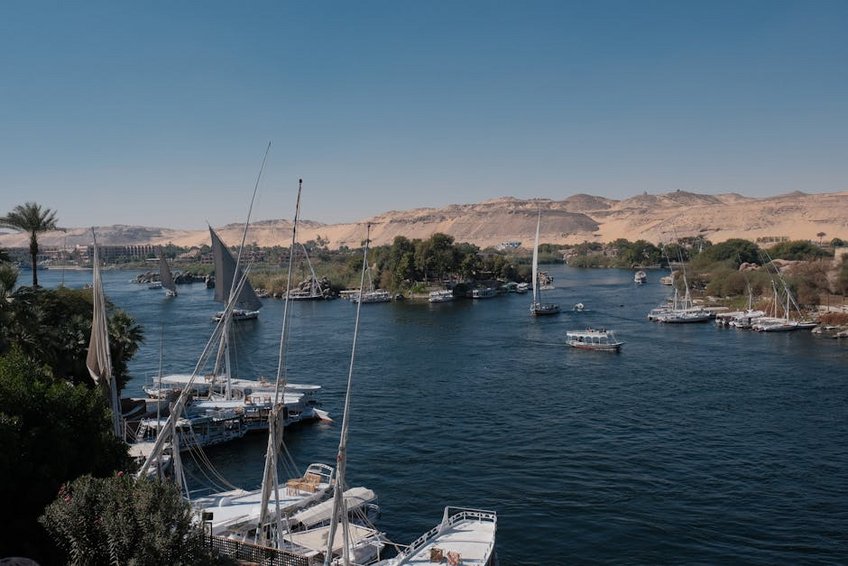
Alt: “nile-river-cruise-ship-sailing-past-riverbanks-egypt”
Nile River Cruise in Egypt – Planning Your Trip
Effective planning ensures your Nile voyage is seamless and enriching. Begin by selecting your travel dates carefully, as weather and crowds vary dramatically. The peak cruising season runs from October to April, when daytime temperatures are pleasant for temple exploration, typically between 70-85°F (21-29°C). This period also coincides with the highest prices and fullest ships.
Booking a river cruise in Egypt requires attention to detail. Secure your cabin at least 4-6 months in advance for peak season travel, especially if you desire a specific cabin category or are traveling with a preferred cruise line. Always verify what is included; most reputable packages cover all onboard meals, guided shore excursions, and airport transfers.
Budget realistically. Beyond the cruise fare, allocate funds for gratuities (typically $10-15 USD per person, per day), premium drinks, optional hot-air balloon rides over Luxor, and souvenirs. Travel insurance with medical evacuation coverage is highly recommended for this remote region.
Best Time to Visit for a Nile Cruise
The ideal window for a Nile River cruise falls between late October and mid-April. During these months, daytime highs range from 75-90°F (24-32°C) and nighttime lows are a comfortable 50-65°F (10-18°C). This climate is perfect for exploring open-air sites like Karnak Temple or the Colossi of Memnon without extreme heat. Crowds are substantial around Christmas and New Year.
Shoulder months like May and late September offer a good compromise, with warmer temperatures of 85-95°F (29-35°C) but fewer tourists and lower prices. The summer months from June to August see intense heat, often exceeding 104°F (40°C), though cruise fares are at their lowest and ships are less crowded.
Budget Planning and Costs
Your total cost depends heavily on ship choice, cabin grade, and travel season.
Essential Preparation Checklist
Packing correctly enhances comfort. Essentials include lightweight, breathable cotton or linen clothing that covers shoulders and knees for temple visits, a wide-brimmed hat, high-SPF sunscreen, and broken-in walking shoes for uneven terrain. A quality power bank is crucial, as bus rides between sites are long.
Required documentation includes a passport valid for six months beyond your arrival date and a tourist visa, which most nationalities can obtain upon arrival for $25 USD. Arrange comprehensive travel insurance that explicitly covers river cruises. Consult your doctor about recommended vaccinations and carry a small personal medical kit.
Top Attractions and Temple Sites
The primary appeal of a river journey is direct access to monumental archaeology. From your ship, you will disembark just steps from temples that were built to be approached from the Nile. Each site reveals a different aspect of ancient life, from grand state religious ceremonies to intimate family worship and elaborate preparations for the afterlife.
Guides will decode the hieroglyphics and explain the symbolism behind the towering columns and detailed reliefs. The scale is breathtaking; the Great Hypostyle Hall at Karnak alone contains 134 massive columns. Seeing these sites from the water, as the ancients did, provides an authentic and powerful connection to history.
Must-See Highlights
No Nile itinerary is complete without the Valley of the Kings in Luxor. Here, you descend into ornately decorated tombs like that of Tutankhamun (KV62). Tickets often cover access to three tombs, with special tickets required for iconic ones like Seti I. Visit early morning to avoid crowds and heat.
The Temple of Karnak is a vast open-air museum of architecture. Allow at least three hours to walk from the towering First Pylon through the Hypostyle Hall to the sacred lake. The sound and light show in the evening offers a dramatic perspective. The smaller, elegantly preserved Temple of Horus at Edfu is a near-complete Ptolemaic structure, best visited as soon as it opens.
Hidden Gems and Local Favorites
Beyond the major stops, consider optional tours. The Temple of Hathor at Dendera, north of Luxor, features a stunning blue-ceilinged chapel and a famous Zodiac relief. It’s less frequented and offers a quieter experience. In Aswan, the Nubian Museum provides essential context on the culture and history of the region displaced by the High Dam.
For a local experience, visit a Nubian village on the West Bank near Aswan. These brightly painted communities offer insight into a distinct culture within Egypt. You can enjoy traditional tea in a family home and learn about their customs, providing a meaningful contrast to the ancient stone monuments.
Sailing on a Traditional Felucca
Most cruise itineraries include a short felucca ride. These wooden sailboats have plied the Nile for centuries. A sunset sail around the islands of Aswan or past the botanical gardens on Kitchener’s Island is a peaceful highlight. It’s the perfect way to appreciate the river’s timeless beauty without engine noise, just the sound of wind in the sails.
Practical Travel Information
Logistics for a Nile journey are straightforward when booked through a reputable operator. Most travelers fly into Luxor International Airport (LXR) or Aswan International Airport (ASW), where cruise representatives handle transfers. International flights typically connect through Cairo (CAI). Internal Egyptian flights on carriers like EgyptAir are reliable and short.
Onboard, the experience is all-inclusive. Dining is usually buffet-style with a mix of Egyptian and international cuisine. Dress codes are smart-casual for dinner. Electricity is 220V, with Type C European-style outlets, so bring adapters. Ships have Wi-Fi, but service can be slow and intermittent while sailing through remote areas.
| Category | Options/Features | Price Range (USD) |
|---|---|---|
| Accommodation (Per Night) | Budget Ship (Inside Cabin), Mid-Range (Balcony), Luxury (Suite) | $150 – $1,200+ |
| Guided Excursions | Standard Group Tour, Private Egyptologist, Special Access Tomb Visits | Included – $300+ |
| Onboard Extras | Premium Drinks Package, Spa Treatments, Laundry Service | $30 – $150+ per day |
| Pre/Post-Cruise Hotel | 3-Star Hotel, 5-Star Luxury (e.g., Sofitel Winter Palace, Old Cataract) | $80 – $400+ per night |