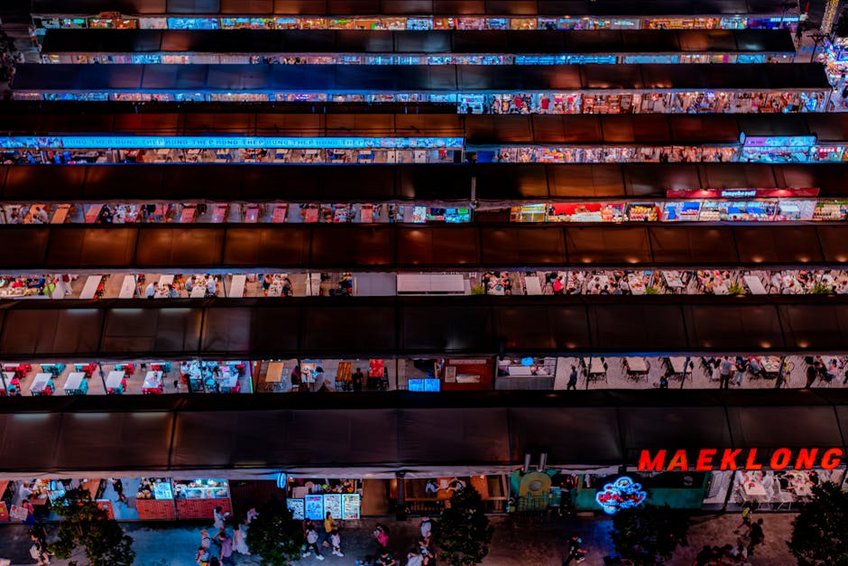
Night Markets in Bangkok: Your Ultimate Guide to Food, Shopping, and Culture
Exploring the night markets in Bangkok offers an unparalleled dive into the city’s vibrant soul after sunset. You will find a sensory overload of sizzling street food, unique handicrafts, and electrifying energy that defines Thailand’s capital. This guide provides everything you need to navigate the best markets, from iconic bazaars to hidden local gems, ensuring an authentic and unforgettable experience.
Essential Bangkok Night Market Information
Bangkok’s night market scene is a fundamental part of the city’s identity and a major draw for travelers. These markets typically operate from around 5:00 PM until midnight, with some sprawling venues like Talad Rot Fai staying open until 1:00 AM. They transform empty lots and parking areas into bustling hubs of commerce and culture once the sun goes down.
The concept dates back decades, serving as community gathering spots and affordable shopping districts. Today, they blend traditional Thai commerce with modern trends, attracting both locals and international visitors. You can expect a chaotic yet friendly atmosphere where bargaining is not just accepted but expected.
What You Need to Know Before You Go
Success at these markets depends on a few key preparations. Arriving with the right mindset and tools makes all the difference.
- Carry small bills in Thai Baht, as most vendors do not accept credit cards and large notes create change issues. ATMs are available but often have long queues.
- Wear comfortable, breathable clothing and sturdy shoes suitable for walking on uneven surfaces and standing for hours in the tropical heat and humidity.
- Bring a reusable shopping bag or tote for your purchases; vendors usually provide flimsy plastic bags that can break under the weight of multiple items.
- Budget travelers can have a fantastic time with 500-800 THB ($15-$25 USD). This covers a filling meal from multiple food stalls, a couple of drinks, and small souvenirs like keychains or magnets. Focus on street food and window shopping.
- Mid-range visitors spending 1,500-2,500 THB ($45-$75 USD) can enjoy multiple courses of food, several cocktails or beers, and higher-quality purchases like silk scarves, leather goods, or custom-fit clothing from tailors with market stalls.
- A luxury experience for 4,000+ THB ($120+ USD) includes gourmet food, premium seating at market bars, and significant shopping for items like vintage décor, jewelry, or artwork. This budget allows for taxi rides between multiple markets in one night.
- Tourism Authority of Thailand
- Bangkok.com Travel Guide
Key Cultural and Practical Details
Understanding local etiquette enhances your experience and shows respect. Always greet vendors with a “wai” (a slight bow with palms together) and a polite “sawasdee ka” (for women) or “sawasdee krub” (for men). Bargaining should be done with a smile; start by offering about 50-60% of the initial asking price and negotiate politely to a fair middle ground.
Do not get angry or raise your voice if a deal cannot be reached. Simply thank the vendor and walk away. Remember that many items, especially branded goods, may be counterfeit, so purchase with appropriate expectations. For food, look for stalls with high turnover and locals queuing, which indicates freshness and quality.
Safety and Navigation Tips
Bangkok is generally safe for tourists, but night markets are crowded places. Keep your wallet and phone in a secure, zipped bag or front pocket to prevent pickpocketing. It is easy to get disoriented in the maze of stalls, so note landmarks or take a photo of the market’s entrance.
Use ride-hailing apps like Grab or Bolt for reliable transportation to and from the markets, as taxi drivers near tourist spots often refuse to use meters. Most markets have clear signage in both Thai and English, making navigation relatively straightforward for international visitors.
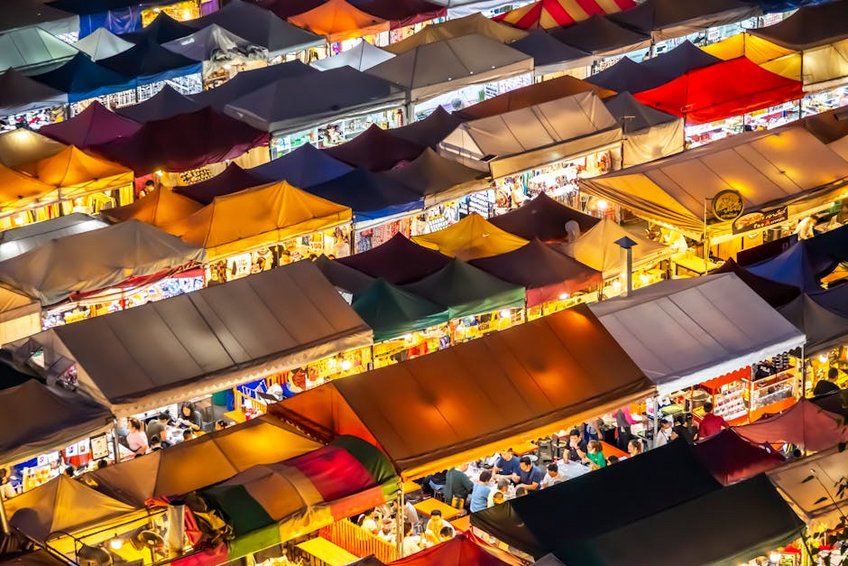
Alt: “bangkok-chinatown-yaowarat-road-night-market-food-stalls”
Night Markets in Bangkok – Planning Your Visit
Strategic planning turns a good market visit into a great one. Your itinerary should balance iconic destinations with local favorites based on your interests. Consider dedicating different nights to different market themes, like a food-focused evening at Jodd Fairs and a vintage shopping night at Talad Rot Fai Srinakarin.
Factor in travel time between your hotel and the markets, as Bangkok’s traffic is notoriously bad in the evenings. It is often faster to use the BTS Skytrain or MRT subway and then a short taxi ride rather than traveling entirely by road. Allocate a budget of 1,000-2,000 Thai Baht ($30-$60 USD) per person per night for food, drinks, and souvenirs.
Check recent reviews or local Facebook groups before heading out, as market locations and popularity can shift rapidly. Some markets, like the original Talad Rot Fai Ratchada, have permanently closed, while new ones like Jodd Fairs Dannerr have emerged to take their place.
Best Time to Visit Bangkok Night Markets
The ideal months for exploring are between November and February. This is Thailand’s cool season, with average temperatures ranging from 70°F to 90°F (21°C to 32°C) and lower humidity. The pleasant weather makes hours of walking outdoors much more comfortable. This is also the peak tourist season, so markets will be very crowded.
Shoulder seasons from March to June are hotter, with temperatures often exceeding 95°F (35°C), but markets are slightly less packed. The rainy season from July to October brings frequent downpours, usually in the late afternoon. Markets remain open, but you should carry a poncho and be prepared for some stalls to close early during heavy storms.
Budget Planning and Costs
Your budget directly shapes the night market experience you can enjoy.
Essential Preparation Checklist
Pack a small kit with hand sanitizer, tissues (many restrooms may not supply them), and a portable phone charger. Wear light, loose-fitting clothing made of cotton or linen to stay cool. Comfortable sandals or walking shoes with good support are non-negotiable for navigating concrete floors and crowded aisles.
Ensure your travel insurance is active and covers medical evacuation. Make digital copies of your passport. Book accommodations in areas with good BTS access, like Sukhumvit or Silom, for easier transit to major market hubs. Download offline maps of Bangkok on your phone before heading out.
Top Night Markets and Unique Experiences
Each market has a distinct personality and specialty. The legendary Chatuchak Weekend Market operates during the day but has a Friday night section that offers a different, slightly cooler vibe. It is one of the world’s largest markets, with over 15,000 stalls spread across 35 acres.
For a more modern, Instagram-friendly experience, Jodd Fairs Rama IX is the current top choice. It rose to fame after the closure of Ratchada Train Market and is famed for its viral foods, particularly the “Bangkok Famous” giant prawn fried rice. The atmosphere is youthful and energetic, with loud music and vibrant decorations.
Meanwhile, Talad Rot Fai Srinakarin offers a nostalgic journey. Located near the Seacon Square mall, it specializes in vintage Americana, retro collectibles, and classic cars. It feels more spacious and less touristy than the downtown options, attracting a cool local crowd.
Must-See Market Highlights
Jodd Fairs is essential for food lovers. Do not miss the flame-grilled river prawns, colorful fruit smoothies, and inventive desserts. Arrive before 7:00 PM to avoid the worst crowds snaking around the most popular stalls. Entry is free, but bring plenty of cash for the myriad food options.
Chatuchak’s Friday night market is best for serious shoppers seeking home décor, ceramics, and unique art. Prices can be slightly higher than daytime, but the cooler temperature and festive lights create a magical atmosphere. Focus on Sections 2, 3, and 7 for the best vintage clothing and handmade crafts.
For a classic, no-frills local experience, visit Talad Nam Khlong Ong Ang. This market stretches along a newly developed canal walkway and focuses on Thai street food and affordable fashion. It provides an authentic glimpse into daily Bangkok life away from the tourist trail.
Hidden Gems and Local Favorites
Talad Liab Duan is a massive, open-air market beloved by Thais. Located on the outskirts of the city, it features hundreds of food stalls, carnival games, and huge warehouse-style shops selling everything from plants to pet supplies. The sheer scale is impressive, and you will find very few other foreigners here.
Another insider spot is the Huai Khwang Night Market. Centered around a famous intersection, it is known for its excellent Isaan (Northeastern Thai) food, particularly som tam (papaya salad) and grilled chicken. It is a working-class market that stays open very late, perfect for a post-midnight snack. The vibe is purely local and unfiltered.
Specialty and Themed Market Experiences
Art Box was a pioneering pop-up market with a focus on indie designers, live music, and creative installations. While it no longer has a permanent home, similar “creative markets” frequently pop up in venues like the Thailand Creative & Design Center. Follow local event pages on Facebook to find them.
For antique and collectible hunters, the Nana Plaza Night Bazaar offers a curious blend. Located in front of the famous red-light district, this small market sells unique souvenirs, old coins, and quirky memorabilia. It is an experience that combines shopping with people-watching in one of Bangkok’s most infamous neighborhoods.
Practical Travel and Logistics Guide
Navigating Bangkok’s markets is straightforward with a basic understanding of the city’s transport web. The BTS Skytrain and MRT subway are the most efficient ways to travel. They connect major hubs and run until midnight. From the nearest station, you can often walk or take a short, inexpensive taxi ride to your target market.
Accommodation choices greatly impact your convenience. Staying near a BTS line like Sukhumvit (Asok, Nana, Phrom Phong stations) or Silom (Sala Daeng station) provides direct access to multiple market areas. For a more local immersion, consider a hotel near the Chao Phraya River, using ferries to connect to markets like Asiatique.
| Market Name | Key Features & Specialty | Nearest BTS/MRT & Opening Days |
|---|---|---|
| Jodd Fairs Rama IX | Viral street food, trendy drinks, lively atmosphere | MRT Phra Ram 9 / Thu-Sun, 4PM-12AM |
| Talad Rot Fai Srinakarin | Vintage collectibles, retro cars, bars, huge size | BTS Udom Suk then taxi / Thu-Sun, 5PM-1AM |
| Chatuchak Friday Night | Handicrafts, home decor, plants, clothing | BTS Mo Chit or MRT Chatuchak Park / Fri, 6PM-12AM |
| Asiatique The Riverfront | Family-friendly, clean, calmer vibe, Muay Thai shows | BTS Saphan Taksin then free ferry / Daily, 4PM-12AM |