Nature and Thermal Tourism in Denizli
The southwestern Turkish province of Denizli presents a unique travel proposition where dramatic natural landscapes meet millennia-old wellness traditions. This destination offers travelers the chance to hike through protected national parks in the morning and unwind in mineral-rich thermal pools by afternoon, all within a compact and accessible region. This guide provides the essential details for planning a trip that balances active outdoor exploration with restorative thermal spa experiences.
Essential Regional Information
Denizli is an inland province in Turkey’s Aegean region, renowned for its diverse geography that ranges from fertile river valleys to rugged mountain terrain. The area’s thermal resources have been celebrated since antiquity, with the ancient city of Hierapolis standing as a testament to its historical spa culture. Modern Denizli serves as a gateway to both natural wonders and archaeological sites, offering a blend of activities that cater to diverse traveler interests.
The region operates on Turkish Lira (TRY), though many tourist establishments accept major credit cards and some quote prices in Euros. For US and EU travelers, the electrical system is 220V with Type F sockets, requiring a standard European adapter. English is moderately spoken in tourist hubs like Pamukkale, but learning a few Turkish phrases enhances interactions in smaller towns and villages.
Geographic and Climate Overview
Denizli’s landscape is defined by the Büyük Menderes River basin and the surrounding mountains, including Honaz and Babadağ. This creates microclimates perfect for both agriculture and outdoor recreation. The region experiences a transitional climate between Mediterranean and continental, with hot, dry summers and cool, wet winters.
- The summer months from June to August see average highs of 90-95°F (32-35°C) with minimal rainfall, ideal for early morning hikes and evening thermal baths.
- Winter, from December to February, brings cooler temperatures averaging 45-50°F (7-10°C) and increased precipitation, making thermal tourism particularly appealing during this season.
- Spring (April-May) and autumn (September-October) offer the most pleasant conditions, with daytime temperatures around 70-80°F (21-27°C) and comfortable nights.
- Budget travel costs $50-75 per person daily, covering hostel dorms, local eateries, public transportation, and entry to public thermal pools. This tier requires advance booking for affordable thermal hotel day passes, which typically run $15-25.
- Mid-range travel averages $100-150 daily, permitting comfortable 3-4 star thermal hotel stays with breakfast and spa access, meals at good restaurants, and rental car or private tour flexibility. This offers the best balance of comfort and authentic experience.
- Luxury travel exceeds $250+ per day, featuring stays at 5-star boutique thermal resorts with private spring-fed pools, gourmet dining, private guided tours of natural sites, and tailored spa treatments using local minerals and herbs.
- Denizli Governorate Official Website
- GoTürkiye Official Tourism Portal for Denizli
Historical Context of Thermal Springs
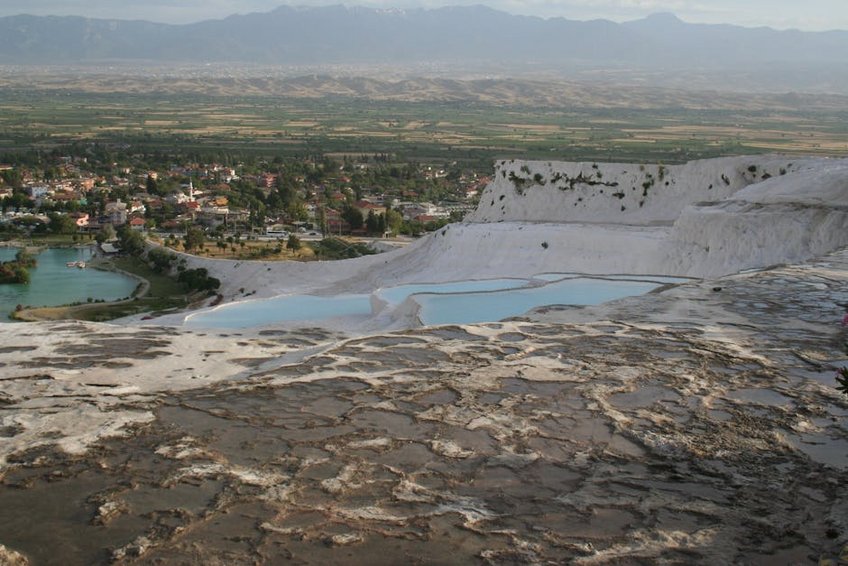
The thermal waters of the Denizli region, particularly around Pamukkale, have attracted visitors for over two millennia. The Romans established the spa city of Hierapolis around these springs in the 2nd century BC, building elaborate bath complexes. These ancient practices established a enduring legacy of wellness that continues to define the area’s tourism identity today.
Modern thermal tourism here is built directly upon this ancient foundation, with many facilities located near historic springs. The waters are rich in calcium, magnesium, and bicarbonate, with temperatures ranging from 95°F (35°C) to over 212°F (100°C) at the source. This combination of history and hydrotherapy creates a uniquely authentic wellness experience.
Alt: “pamukkale-travertine-terraces-turkey-thermal-springs-landscape”
Nature and Thermal Tourism in Denizli – Planning Your Trip
Crafting an itinerary for this region requires balancing time between its natural parks and its thermal facilities. A minimum of three full days allows for a meaningful experience of both elements without feeling rushed. Your schedule should account for travel time between sites, as distances, while manageable, require planning.
Budget considerations vary significantly based on accommodation style and dining preferences. Thermal hotel packages often provide the best value, bundling accommodation with unlimited spa access. Independent travelers can purchase day passes to public thermal pools for a more affordable experience while staying in standard hotels or pensions.
Best Time to Visit Denizli
The optimal months for a combined nature and thermal visit are April through June and September through October. During these shoulder seasons, daytime temperatures hover between 68-82°F (20-28°C), perfect for hiking, while cooler evenings make thermal soaking particularly enjoyable. Crowds at major sites like Pamukkale are noticeably smaller compared to the peak summer influx.
July and August constitute peak season, bringing intense heat often exceeding 95°F (35°C) and the largest tourist crowds. Winter visits from December to February offer a starkly different experience, with fewer visitors and the magical sight of steam rising from thermal pools against a crisp backdrop, though some hiking trails may be less accessible.
Budget Planning and Costs
Daily costs fluctuate based on travel style and season. The following breakdown provides a clear expectation for trip expenses.
Essential Preparation Checklist
Packing for this dual-purpose trip requires specific items. For nature activities, bring sturdy hiking shoes with good grip for travertine and rocky trails, breathable clothing with layers for temperature shifts, sun protection (hat, sunscreen, sunglasses), and a reusable water bottle. For the thermal aspects, pack a swimsuit, waterproof sandals for pool areas, and a quick-dry towel if not provided by your hotel.
Documentation should include a passport valid for six months beyond your stay. US and EU citizens can obtain an e-Visa online before travel. Secure comprehensive travel insurance covering outdoor activities. Book thermal hotels and key attraction tickets like Pamukkale several weeks in advance, especially for travel during peak or shoulder seasons.
Top Attractions and Immersive Activities
Beyond the famous white terraces, the region is rich with diverse sites that showcase its geological and historical wealth. From ancient ruins nestled in green valleys to adventurous river canyons, there is ample opportunity to craft a varied and fulfilling itinerary. Allocate time to explore beyond the main tourist trail to discover the area’s true character.
Must-See Highlights
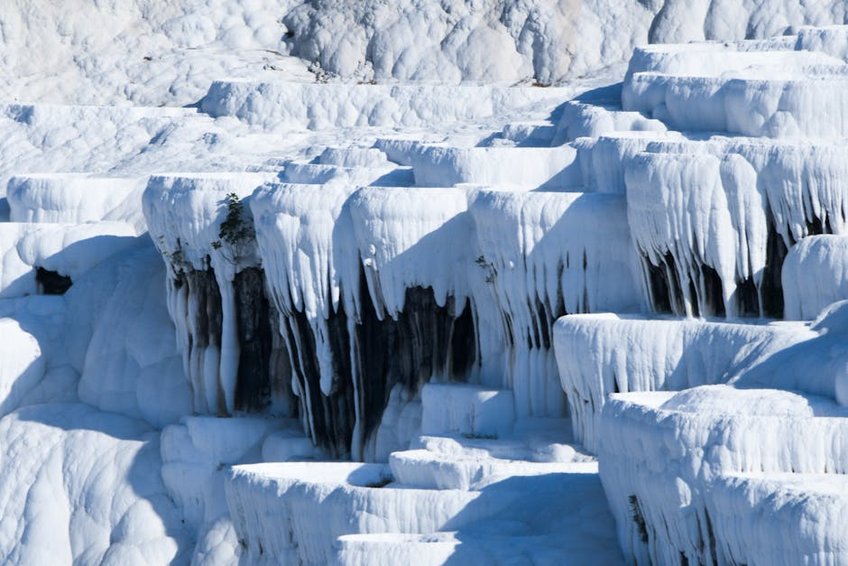
Pamukkale and Hierapolis form the undisputed centerpiece. The brilliant white travertine terraces, formed by flowing thermal water, are a surreal geological marvel. Walking on the designated paths is free, while access to the antique pools costs an additional fee. Visit at opening or near closing to avoid the midday crowds and harsh sun.
The ancient city of Hierapolis, perched above the terraces, offers a sprawling archaeological site with a remarkably intact theatre, a vast necropolis, and the original Roman bath foundations. The Antique Pool, where you can swim among submerged Roman columns, provides a unique historical thermal experience costing around $10-12 for a swim.
Kaklık Cave, often called the “Underground Pamukkale,” features small, colorful travertine pools and formations in a subterranean environment. Located about 45 minutes from Pamukkale, it’s a fascinating and less-visited geological site perfect for a half-day excursion, with an entrance fee of approximately $3.
Hidden Gems and Local Favorites
For authentic thermal immersion, seek out local hamams and smaller thermal facilities in towns like Karahayıt, known for its red-hued thermal waters, or Gölemezli. These spots are frequented by residents and offer a more cultural experience at a fraction of the resort price, often for just $5-10.
The Denizli Teleferik (cable car) on Honaz Mountain provides breathtaking panoramic views of the entire river basin and is a favorite weekend spot for locals. At the top, simple cafes serve tea, making it an ideal place to appreciate the region’s scale. It operates year-round, weather permitting.
Hiking and Nature Exploration
Honaz Mountain National Park offers well-marked trails through pine forests, leading to peaks with rewarding vistas. The park is a refuge for native wildlife and offers a cool retreat during summer months. Trail difficulty varies, with options suitable for casual walkers and more serious hikers.
Başkarcı Plateau and the surrounding highlands present stunning landscapes of green meadows and traditional village life, especially vibrant in spring. This area is ideal for scenic drives, photography, and short walks, offering a glimpse into the pastoral side of the region often missed by thermal-focused visitors.
Practical Travel Information
Navigating Denizli is straightforward with a bit of planning. The province is well-connected by road and has a domestic airport. Most major natural and thermal sites are within a 1-2 hour drive of the city center, making a rental car the most flexible option for independent exploration. Alternatively, a network of dolmuş (shared minibuses) and buses serves all key destinations.
Accommodation spans from basic guesthouses in rural villages to luxury thermal resorts. For the full experience, choosing a hotel with direct access to thermal springs is highly recommended. Many such properties are clustered in Pamukkale and Karahayıt, offering packages that include unlimited spa access.
| Accommodation Type | Key Features & Locations | Price Range (USD/Night) |
|---|---|---|
| Thermal Resort Hotel | On-site thermal pools, spa treatments, half-board options. Located in Pamukkale/Karahayıt. | $120 – $300+ |
| Boutique Hotel/Pension | Charming character, often family-run, some with small thermal pools. Near city center or villages. | $60 – $120 |
| Hostel/Guesthouse | Basic amenities, social atmosphere, budget-friendly. Common in Denizli city and near bus stations. | $20 – $50 |
| Vacation Rental | Full apartments or houses, kitchen facilities, more space. Available in suburban areas. | $50 – $150 |