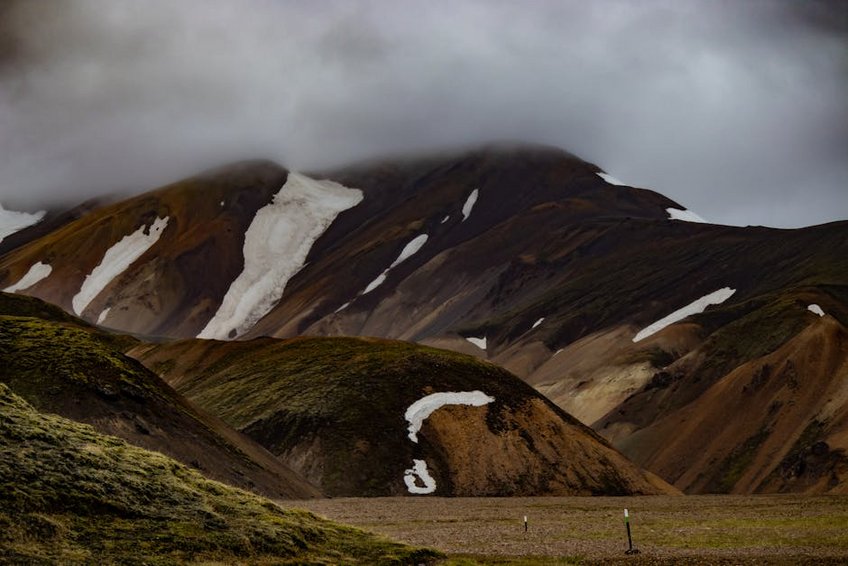
Nature Exploration in Iceland
Iceland offers a raw, elemental adventure unlike any other, where fire and ice sculpt a landscape of endless discovery. A journey for nature exploration in Iceland immerses you in dynamic geothermal fields, colossal glaciers, thundering waterfalls, and volcanic plains all within a single day’s drive. This guide provides the essential planning insights, seasonal strategies, and safety knowledge you need to confidently navigate this unique and powerful environment.
Iceland’s Geological Wonderland
Iceland sits directly atop the Mid-Atlantic Ridge, where the North American and Eurasian tectonic plates are slowly tearing apart. This unique position creates a hyperactive landscape where volcanic forces constantly reshape the earth. The result is a national geography textbook come to life, with features formed only yesterday alongside others shaped over millennia by relentless ice.
This geological drama dictates the entire travel experience. Roads close due to volcanic eruptions, new hot springs emerge, and glacier tongues recede visibly each year. Understanding this context transforms a simple sightseeing trip into a profound observation of planetary forces. The country’s isolation has also fostered a unique ecosystem, with hardy Arctic flora and birdlife that have adapted to the challenging conditions.
Understanding the Volcanic and Glacial Dynamics
The island’s interior is dominated by the mighty Vatnajökull, Europe’s largest glacier by volume, which conceals several active volcanic systems beneath its ice cap. This volatile combination creates spectacular phenomena like ice caves and glacial lagoons but also requires respect and caution. Eruptions can trigger massive glacial floods, known as jökulhlaups, which is why monitoring local advisories is non-negotiable.
Key Regions for Diverse Landscapes
Iceland is conveniently divided into distinct regions, each offering a different facet of its natural beauty. The famous Golden Circle provides a compact sample of history and geology. The South Coast delivers relentless drama with its black sand beaches and powerful waterfalls. For solitude and raw frontier energy, the remote Westfjords or the Eastfjords are unparalleled.
The volcanic Reykjanes Peninsula, home to Keflavik Airport, showcases the newest earth with its recent eruptions and steaming lava fields. Meanwhile, the Diamond Circle in the north presents powerful detours like Lake Mývatn’s pseudo-craters and Dettifoss, Europe’s most powerful waterfall. Choosing which regions to focus on depends entirely on your interests and available time.
Climate and Seasonal Light Variations
Iceland’s climate is famously maritime and unpredictable, characterized by the phrase “if you don’t like the weather, wait five minutes.” Summers are cool, with average temperatures between 50-59°F (10-15°C), and feature the magical midnight sun. Winters are dark and relatively mild for the latitude, averaging 28-39°F (-2 to 4°C), but bring the chance to witness the aurora borealis dancing over frozen landscapes.
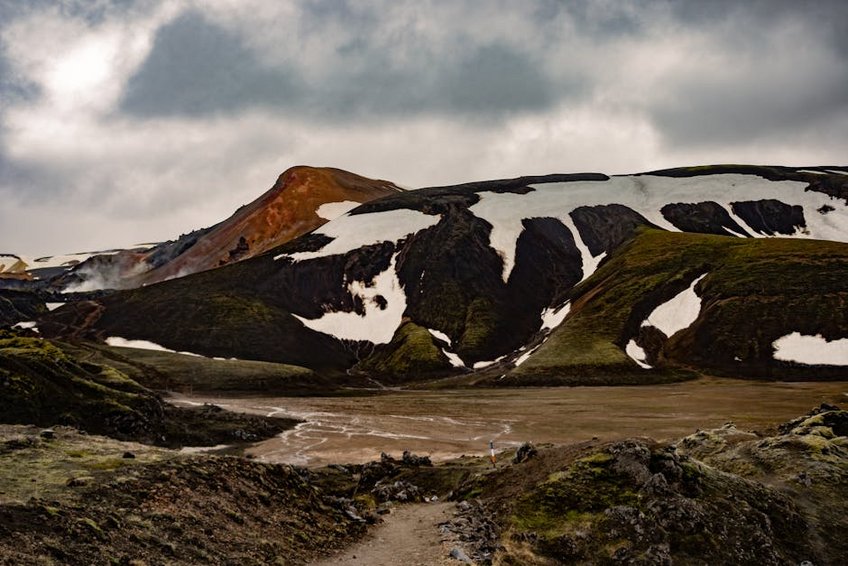
Alt: “iceland-glacier-lagoon-diamond-beach-icebergs”
Nature Exploration in Iceland – Planning Your Trip
A successful Icelandic adventure hinges on strategic planning that respects the environment and your own safety. Your itinerary must account for immense driving distances, rapidly changing weather, and seasonal access restrictions. Booking key accommodations and tours months in advance is standard, especially for the summer high season between June and August when demand peaks.
Budgeting realistically is crucial. While flights can be affordable, daily costs in Iceland are high. Expect to pay a premium for food, fuel, and guided activities. However, the country’s natural attractions themselves are mostly free, funded by the public through taxes. A focus on self-catering, camping where permitted, and prioritizing free hikes can make the journey more affordable.
Your choice of vehicle directly enables your nature exploration in Iceland. For main roads like the Ring Road (Route 1) in summer, a standard 2WD car is sufficient. For venturing into the Highlands on F-roads or traveling in winter conditions, a 4×4 vehicle is mandatory by law and essential for safety. Always check road conditions at road.is before departing each day.
Best Time to Visit Iceland for Nature
The peak season for classic exploration runs from mid-June to late August. These months offer 24-hour daylight, open mountain roads, accessible Highlands, and the best chance for mild, stable weather. All services are operational, but you will compete with crowds at major sites. For a balance of good weather and fewer people, target the shoulder months of May or September.
Winter, from November to February, is a different but spectacular adventure focused on frozen waterfalls, ice caves, and northern lights hunting. Daylight is limited to 4-6 hours, many interior roads are closed, and driving requires extreme caution. This season is ideal for focused, guided experiences rather than extensive road-tripping. Spring and autumn are transitional and unpredictable but offer unique seasonal shifts.
Budget Planning and Costs
Daily costs vary dramatically based on travel style. Here is a realistic breakdown for a one-week trip.
- Budget Traveler ($80-120/day): This involves hostel dorms, cooking all meals from grocery stores (Bónus, Krónan), using public buses in Reykjavík, joining free walking tours, and strictly hiking to free natural sites. A rental car is often shared among 4 people to split costs.
- Mid-Range Traveler ($200-350/day): This covers comfortable guesthouse or hotel double rooms, eating one meal per day at a casual restaurant, renting a small 4×4 SUV for flexibility, and booking 2-3 guided tours like a glacier hike or whale watching trip.
- Luxury Traveler ($500+/day): This tier includes boutique design hotels or remote lodges, fine dining experiences, private guided day tours with experts, and premium activities like helicopter tours over volcanoes or super-jeep expeditions into the Highlands.
- Official Tourist Information Centre of Iceland
- Icelandic Meteorological Office (Weather & Aurora Forecasts)
- SafeTravel Iceland (Official Safety Resource)
Essential Preparation Checklist
Packing correctly is a safety issue. You must prepare for wind, rain, and cold in any season. A waterproof and windproof outer shell jacket and pants are non-negotiable. Layer with fleece or wool mid-layers and thermal baselayers. Sturdy, waterproof hiking boots with good ankle support are required for most trails, which are often rocky, wet, or muddy.
Beyond clothing, critical items include a reusable water bottle (tap water is excellent), a power bank for charging devices, a European Type F power adapter, and a quality offline GPS map app like Maps.me. If driving, you must have a valid driver’s license, know your insurance coverage, and be prepared to pay for gas with a credit card that has a PIN.
Top Natural Attractions and Activities
The sheer density of wonders can be overwhelming. Beyond the iconic stops, seek out moments of solitude on lesser-known trails or during early morning visits. The landscape rewards those who walk further than the first viewpoint. Remember that every waterfall, canyon, and beach is part of a fragile ecosystem; staying on marked paths protects the vegetation and ensures your safety.
Guided activities provide access and education you cannot get alone. A certified glacier guide knows how to navigate crevasses safely. A geologist can explain the story written in the rocks. A local birding expert can point out puffin colonies. Balancing independent exploration with a few key guided tours often yields the deepest understanding of the environment.
Must-See Highlights
The Golden Circle’s three pillars are Þingvellir National Park, Geysir, and Gullfoss. Þingvellir is where you can literally walk between continents in the Almannagjá rift valley. The Geysir geothermal area features Strokkur, which erupts every 5-10 minutes. Gullfoss is a magnificent two-tiered waterfall cascading into a rugged canyon. Visit these sites very early or late to avoid the heaviest coach tour crowds.
On the South Coast, Seljalandsfoss and Skógafoss waterfalls are monumental. You can walk behind Seljalandsfoss’ curtain of water (with proper rain gear) and climb steep stairs beside Skógafoss for a panoramic view. Further east, the black sand expanse of Reynisfjara beach, with its basalt columns and towering sea stacks, demands immense respect for its dangerous “sneaker waves.” Never turn your back on the ocean here.
Jökulsárlón Glacier Lagoon and the adjacent Diamond Beach represent the glacial cycle’s end point. Icebergs calve from Breiðamerkurjökull glacier, float through the lagoon, and wash ashore on the black sand, glittering like diamonds. This is a dynamic, changing scene perfect for photography at sunrise or sunset.
Hidden Gems and Local Favorites
For a geothermal experience without the crowds of the Blue Lagoon, seek out the Reykjadalur Hot Spring River near Hveragerði. It requires a scenic 45-minute hike, but you can soak in a warm river surrounded by steaming hills. Similarly, the lesser-known waterfalls like Hjálparfoss in the interior or Aldeyjarfoss in the north offer stunning beauty in relative isolation.
Explore the otherworldly landscapes of the Kerlingarfjöll mountain range in the Highlands, accessible only in summer via 4×4. Here, rhyolite mountains in red, yellow, and brown hues contrast with steaming fumaroles and small, hidden hot springs. It feels like walking on another planet and offers some of the country’s most rewarding multi-day hiking trails.
Glacier Hiking and Ice Caving
Walking on a glacier is a definitive Icelandic experience. Guided hikes are available on several outlet glaciers, such as Sólheimajökull on the South Coast or Svínafellsjökull near Skaftafell. No prior experience is needed, as guides provide all necessary gear like crampons and ice axes. This activity is only possible with a licensed operator for safety reasons.
Ice caves are natural, ephemeral sculptures that form within glaciers in winter. Their location and stability change yearly, so visiting them also requires a guided tour. The crystal blue interiors of caves in Vatnajökull are breathtaking. The season for natural ice caves typically runs from November through March, depending on conditions.
Practical Travel Information
Navigating Iceland is straightforward with preparation. The Ring Road (Route 1) circles the island and is fully paved, connecting most major regions. Secondary roads are often gravel. Interior Highland roads, marked with an “F” prefix, are strictly for 4×4 vehicles and are only open in summer. Always check the official road authority website for current status and weather warnings.
Accommodation ranges from cosmopolitan hotels in Reykjavík to rustic farm stays in the countryside. Booking.com and local sites like Northbound.is are useful. In remote areas, options are limited, so secure your stays early. Many travelers use campervans, which must be parked in designated campsites—wild camping in a vehicle is illegal and harmful to the environment.
| Accommodation Type | Description & Best For | Average Price/Night (USD) |
|---|---|---|
| Hostel/Guesthouse Dorm | Basic shared facilities, social atmosphere, budget travelers. | $40 – $70 |
| Countryside Guesthouse/Farmstay | Private room, often shared bathroom, home-cooked breakfast, authentic local experience. | $120 – $200 |
| Design Hotel/Boutique Hotel | Modern amenities, central location (in towns), stylish design, restaurant on-site. | $250 – $400 |
| Remote Lodge/Cabin | Secluded location, self-catering kitchen, stunning views, ideal for nature immersion. | $300 – $600+ |