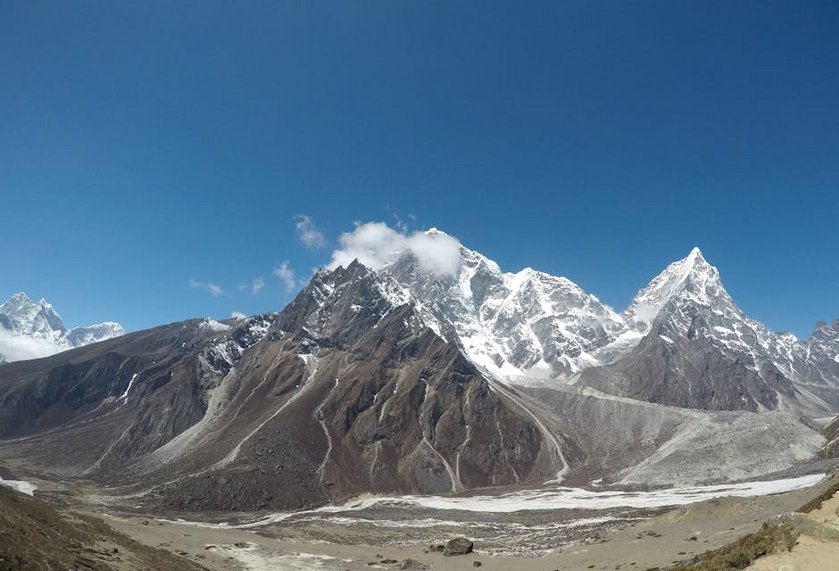
Mountain Hiking Guide in Nepal: Conquer the Himalayas Safely
Embarking on a mountain hiking guide in Nepal opens the door to the planet’s most iconic trails, weaving through Sherpa villages and beneath peaks like Everest and Annapurna. This comprehensive resource prepares you for altitude, cultural nuances, and logistical planning, transforming ambition into a safe, unforgettable Himalayan journey. We’ll cover essential permits, ideal trekking seasons, budget planning, and the critical preparation needed to navigate this breathtaking yet demanding landscape successfully.
Essential Himalayan Trekking Information
Nepal’s trekking infrastructure is well-developed, with routes ranging from the classic Everest Base Camp to the remote Upper Dolpo. The country’s dramatic topography means conditions change rapidly, requiring careful acclimatization and respect for local customs. Understanding these fundamentals before you arrive ensures your adventure is both rewarding and respectful.
The Nepal Tourism Board regulates all major trails through the Trekkers’ Information Management System (TIMS). This system enhances hiker safety by tracking itineraries. Independent trekkers and those with guides must obtain this permit, along with specific National Park or Conservation Area permits, which fund trail maintenance and conservation efforts.
Key Trekking Regions – What You Need to Know
Each region offers a distinct character and challenge. Your choice depends on your fitness, timeline, and desired experience.
- Everest Region (Khumbu): Home to the world’s highest peak, this area features well-developed teahouses, iconic suspension bridges, and Sherpa culture. The primary gateway is a thrilling flight into Lukla Airport (LUA).
- Annapurna Region: Offers incredible diversity, from rainforests to the arid high desert of the Thorong La Pass. The Annapurna Circuit is famed for its variety, while the Sanctuary trail leads directly into a majestic amphitheater of peaks.
- Langtang & Helambu: Closer to Kathmandu, these valleys provide a profound wilderness experience with stunning alpine scenery and rich Tamang heritage, perfect for shorter itineraries.
- Manaslu & Upper Dolpo: For seasoned adventurers, these restricted areas require a licensed guide and special permits, offering pristine trails and deeply traditional cultures far from the main tourist routes.
- Budget Trekker ($25-$40 USD/day): Includes basic teahouse dormitory lodging, local meals (dal bhat), independent trekking without a guide/porter, and public transportation. You’ll carry your own pack and handle all logistics and navigation yourself.
- Mid-Range Trekker ($40-$80 USD/day): Covers private rooms in teahouses, meals and snacks, a licensed guide, and a porter for every two trekkers. This is the ideal balance of comfort, cultural insight, and local employment.
- Supported/Luxury Trek ($100-$250+ USD/day): Features lodge-based luxury treks (e.g., Yeti Mountain Home) or full camping expeditions with a full crew, higher-quality food, and supplemental oxygen on high-altitude climbs like Island Peak.
- Nepal Tourism Board Official Site
- Trekking Agencies’ Association of Nepal (TAAN)
Understanding Altitude Sickness
Acute Mountain Sickness (AMS) is the primary health risk for Himalayan hikers. It occurs when you ascend too quickly, not allowing your body to adapt to decreased oxygen levels. Symptoms include headache, nausea, dizziness, and fatigue.
The golden rule is to ascend slowly, typically not exceeding 300-500 meters (984-1,640 feet) in sleeping altitude per day above 3,000 meters (9,842 feet). Planning rest days for acclimatization is not optional; it’s essential for safety. Descending is the only cure for worsening symptoms.
Cultural Sensitivity and Trail Etiquette
Nepal is a predominantly Hindu and Buddhist nation with deep-rooted traditions. A simple greeting of “Namaste” with palms together goes a long way. Always walk clockwise around Buddhist stupas, mani walls, and prayer wheels.
Dress modestly, especially when entering villages and temples. Ask permission before photographing people. Supporting the local economy by staying in family-run teahouses and hiring local guides directly enriches your experience and ensures your money benefits the community.
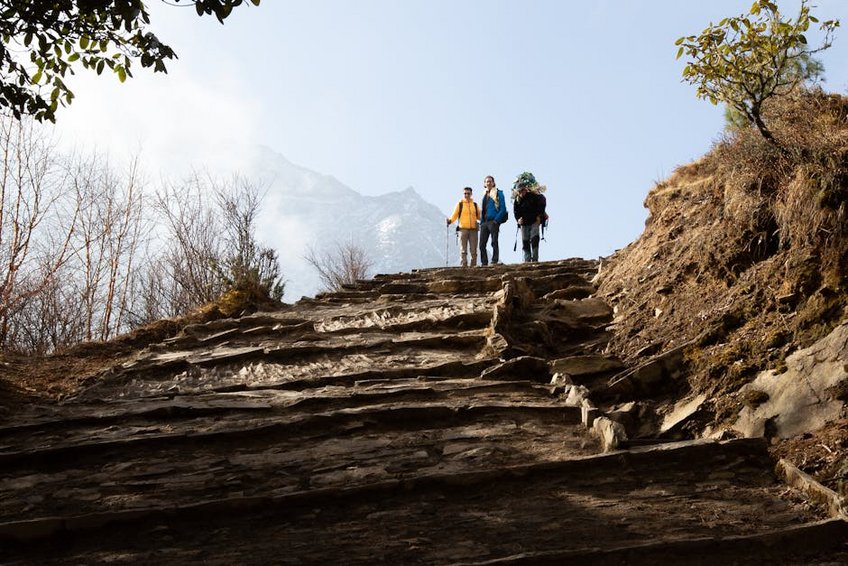
Alt: “everest-base-camp-trail-hikers-suspension-bridge-himalayas”
Mountain Hiking Guide in Nepal – Planning Your Trip
Successful Himalayan trekking hinges on meticulous preparation. A thorough mountain hiking guide in Nepal must address timing, budgeting, and physical readiness. Starting your planning at least six months in advance is advisable for securing flights, guides, and the best accommodation.
The financial investment varies widely based on style. A basic teahouse trek can cost $30-$50 USD per day, while a fully-supported guided expedition with internal flights can exceed $150 daily. Always factor in contingency funds for unexpected delays, extra rest days, or gear rentals.
Best Time to Visit Nepal for Trekking
The prime trekking seasons are the post-monsoon autumn (October to November) and the pre-monsoon spring (March to early May). Autumn offers crystal-clear skies, stable weather, and moderate temperatures ranging from 10-20°C (50-68°F) at lower elevations to below freezing at high camps.
Spring brings warmer weather, blooming rhododendron forests, and busier trails. Winters (December-February) are very cold, especially at altitude, but offer solitude. The monsoon (June-September) brings heavy rain, leeches, and obscured views, making most high-altitude treks impractical and dangerous.
Budget Planning and Costs
Your daily budget dictates your comfort and support level on the trail. Here is a realistic breakdown.
Essential Preparation Checklist
Physical training should begin 2-3 months prior, focusing on cardiovascular endurance, leg strength, and hiking with a weighted pack. Break in your hiking boots thoroughly to prevent debilitating blisters on day one. Mental preparation for basic facilities and variable weather is equally important.
Documentation includes a passport valid for six months, multiple passport photos for permits, comprehensive travel insurance that covers emergency helicopter evacuation up to 6,000 meters, and cash (USD is easiest to exchange). Book international flights into Kathmandu’s Tribhuvan International Airport (KTM) and allow at least two full days in the city for permit processing.
Top Trekking Routes and Himalayan Experiences
Nepal’s trail network is legendary, with options spanning from 5-day introductory hikes to month-long wilderness expeditions. Each route tells a different story of geology, culture, and personal challenge. Choosing the right path is the first step toward a transformative adventure.
While Everest and Annapurna draw the most attention, lesser-known trails offer equally stunning vistas without the crowds. Consider your appetite for solitude versus convenience when selecting your itinerary. Teahouse availability diminishes on remote routes, requiring more self-sufficiency.
Must-See Classic Treks
The Everest Base Camp (EBC) trek is a 12-14 day journey starting with the flight to Lukla. Highlights include Namche Bazaar, Tengboche Monastery, and the final view of the Khumbu Icefall from base camp itself. Acclimatization days in Dingboche are critical for success.
The Annapurna Circuit, traditionally 15-20 days, circles the massive Annapurna massif. The climax is crossing the 5,416-meter (17,769-foot) Thorong La Pass. Recent road construction has affected sections, but alternative trails and the newer Annapurna Circuit Trek still offer a phenomenal experience.
Hidden Gems and Shorter Adventures
The Gokyo Lakes trek in the Everest region offers an incredible alternative to EBC. It features turquoise glacial lakes and ascends Gokyo Ri for a panoramic view of four 8,000-meter peaks, often considered superior to the standard Kala Patthar viewpoint.
For those with limited time, the Ghorepani Poon Hill trek in the Annapurnas is a 4-5 day loop delivering breathtaking sunrise views over the Himalayas. The Langtang Valley trek, accessible in 7-10 days from Kathmandu, provides a deeply moving experience in a valley rebuilding after the 2015 earthquake.
Peak Climbing and High Passes
For experienced hikers, incorporating a trekking peak like Island Peak (6,189m / 20,305ft) or Mera Peak (6,476m / 21,247ft) adds a mountaineering element. These require previous glacier travel training, a climbing permit, and specialized guide services.
Crossing high passes like the Three Passes in Everest or the Larkya La on the Manaslu Circuit presents a significant challenge. These routes demand excellent fitness, proven acclimatization, and a willingness to tackle steep, often snow-covered terrain at altitude.
Practical Travel and Logistics in Nepal
Navigating Nepal’s infrastructure is an adventure in itself. Domestic flights are weather-dependent, and road travel can be slow. Building buffer days into your schedule before and after your trek is non-negotiable to account for delays and ensure you don’t miss international connections.
Accommodation in Kathmandu and Pokhara ranges from budget hostels to international hotels. In trekking hubs like Namche Bazaar, you’ll find comfortable lodges with amenities like hot showers and Wi-Fi (for a fee). On remote trails, teahouses offer basic dormitory-style rooms with shared toilets.
| Logistics Category | Options & Key Features | Estimated Cost (USD) |
|---|---|---|
| International Flight (KTM) | Major hubs: Doha, Delhi, Istanbul, Bangkok. Book 3-6 months ahead for best rates. | $800-$1,600 (roundtrip from US/EU) |
| Domestic Flight (e.g., KTM-Lukla) | Small aircraft; frequent weather delays. Consider helicopter shuttle if budget allows for reliability. | $180-$350 (one way); Helicopter: $500-$1,000 |
| Teahouse Lodging | Basic room. Cost is minimal if you eat dinner & breakfast at the same lodge. | $2-$10 per night (private room) |
| Guide & Porter Services | Licensed guide: navigation, culture, safety. Porter: carries 15-20kg (33-44lbs) per trekker. | Guide: $25-$35/day; Porter: $20-$25/day |