Morocco Sahara Desert Tour from Marrakech
A Morocco Sahara Desert tour from Marrakech delivers one of the world’s most iconic overland adventures. This journey transports you from bustling souks through dramatic mountain passes to the silent majesty of the Erg Chebbi dunes. We will explore detailed route options, essential planning tips, and the cultural encounters that define this unforgettable expedition across southern Morocco.
Understanding the Sahara Desert Expedition
The Moroccan Sahara forms part of the world’s largest hot desert, a landscape of profound beauty and scale. This region has been shaped by centuries of Berber culture and trans-Saharan trade routes. Travelers experience a powerful contrast between the vibrant energy of Marrakech and the serene, timeless atmosphere of the desert.
Most classic desert itineraries traverse the High Atlas Mountains before descending into pre-Saharan valleys. Key destinations often include Ait Benhaddou, the Dades Gorge, and the Draa Valley oasis. The final destination is typically the towering dunes of Erg Chebbi near Merzouga or Erg Chigaga.
What Defines This Desert Journey
This specific overland route is defined by its diversity of landscapes and structured multi-day format. You will encounter a new environment almost every day of the trip.
- The journey is a logistical feat, covering approximately 550-600 kilometers each way from Marrakech to the dunes, demanding reliable transportation and experienced guides familiar with the route’s challenges and highlights.
- Cultural immersion is integral, with opportunities to stay in traditional kasbahs, visit nomadic families, and understand the Amazigh (Berber) heritage that defines southern Morocco’s history and hospitality.
- The experience balances guided activities with moments of profound solitude, particularly during a camel trek at sunset and a night spent under a breathtaking canopy of stars at a desert camp.
- Budget Group Tour ($180-$280 USD): Covers transport in a shared minivan, a basic desert camp with shared tents, one-night camping, camel ride, and breakfast/dinner. You’ll pay extra for lunches, drinks, and entrance fees to sites like Ait Benhaddou (approx. $7). Ideal for backpackers and solo travelers.
- Mid-Range Private Tour ($350-$550 USD): Features private 4×4 transport, a guide/driver, superior desert camps with private tents and attached bathrooms, two nights’ accommodation (often one in a kasbah), and most meals. This offers significantly more comfort, flexibility, and cultural interaction.
- Luxury Premium Experience ($600-$900+ USD): Includes a private luxury 4×4, expert guide, stays at boutique hotels and deluxe desert camps with full facilities, all meals and entrance fees, and special activities like sandboarding or a visit to a local music project. Focuses on exclusive service and maximum comfort.
- Moroccan National Tourist Office (ONMT)
- Wikitravel Morocco Guide
Key Historical and Geographical Context
The routes used by modern tours follow ancient paths of caravan trade. For centuries, goods like salt, gold, and spices moved between Sub-Saharan Africa and Marrakech. Historic kasbahs and ksars (fortified villages) served as crucial trading posts and defensive structures along these corridors.
Geographically, the trip showcases Morocco’s dramatic variety. You ascend the High Atlas Mountains via the Tizi n’Tichka pass, reaching elevations over 2,200 meters (7,200 feet). The landscape then transforms into rocky hamadas (stone deserts), lush palm oases, and finally, the iconic golden sea of sand dunes.
The Modern Tour Experience
Today’s tours are designed for comfort and cultural access while preserving the adventure’s spirit. Modern 4×4 vehicles and air-conditioned minivans have replaced camel caravans for the long transfers. Overnight stays range from basic nomadic-style tents to luxurious camps with private bathrooms and gourmet dinners under the stars.
This evolution makes the Sahara accessible to a wide range of travelers. It maintains the essence of exploration while providing necessary safety and infrastructure. Your experience is a curated adventure through a landscape that remains awe-inspiring and humbling.
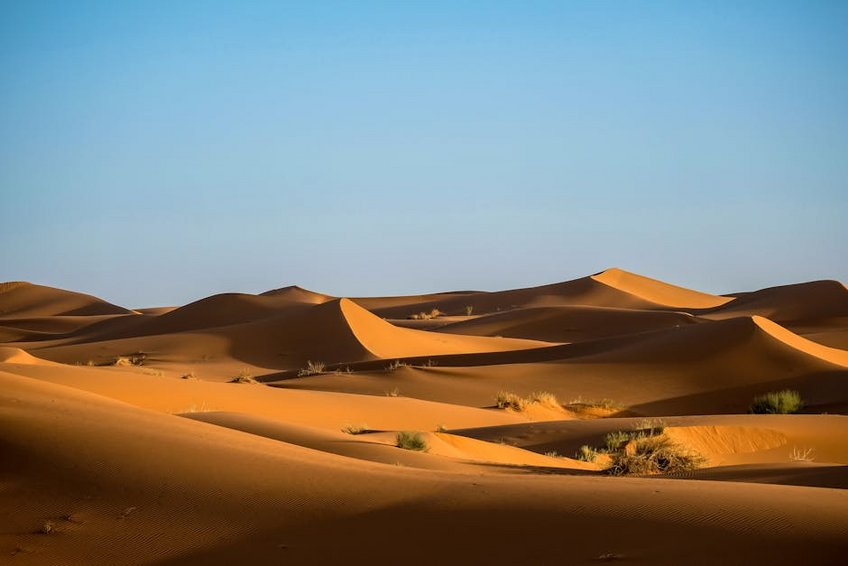
Alt: “morocco-sahara-desert-erg-chebbi-dunes-camel-trek-sunset”
Morocco Sahara Desert Tour from Marrakech – Planning Your Trip
Careful planning transforms a good desert tour into an exceptional one. Your primary decisions involve tour duration, travel style, and timing. Most operators offer structured itineraries that handle logistics, allowing you to focus on the experience. Booking directly with a reputable local company in Marrakech often provides the best value and authentic service.
The standard cost for a shared 3-day, 2-night group tour starts around $180-$250 USD per person. This typically includes transport, guide, camel ride, one night in a desert camp, and some meals. Private tours or longer 4-day itineraries with premium accommodation can range from $400 to over $800 per person. Always confirm exactly what is covered, especially entrance fees to kasbahs and drinks.
Physical preparation is modest but important. The trip involves long drives, some walking on uneven ground, and climbing sandy dunes. The climate shifts from cool mountain air to intense desert sun, requiring versatile clothing. Packing light with layers is the most practical strategy for this multi-environment journey.
Best Time to Visit the Moroccan Sahara
The ideal months for a Sahara Desert tour from Marrakech are March to May and September to November. During these periods, daytime temperatures in the desert are pleasant, ranging from 75-85°F (24-29°C), while nights are cool but not freezing, around 50-60°F (10-15°C). Crowds are manageable, and the weather is stable for clear stargazing.
Summer (June-August) brings extreme heat, often exceeding 104°F (40°C) in the desert, making daytime exploration challenging. Winter (December-February) offers clear days but very cold nights, where temperatures can plummet below freezing, especially in the mountains and desert. While winter tours operate, you must pack very warm clothing for the overnight desert camp.
Budget Planning and Costs
Tour prices vary dramatically based on group size, accommodations, and included amenities. Below is a clear breakdown to help you budget effectively.
Essential Preparation Checklist
Packing correctly is crucial for the desert’s variable conditions. Essential items include a high-SPF sunscreen, a wide-brimmed hat, sunglasses, a lightweight scarf for sun and sand protection, and broken-in walking shoes. For evenings, pack a warm fleece or down jacket, as desert temperatures drop rapidly after sunset, regardless of the season.
Document-wise, ensure your passport is valid for at least six months. US and EU citizens do not need a visa for stays under 90 days. Book your tour at least two to four weeks in advance, especially for peak seasons (spring and fall). Travel insurance covering medical evacuation is highly recommended due to the remote locations visited.
Top Attractions and Route Highlights
The road from Marrakech to the Sahara is filled with iconic stops that are as memorable as the dunes themselves. Each site offers a unique glimpse into Morocco’s natural and cultural history. The journey itself, with its constantly changing vistas, becomes a core part of the adventure.
Guides provide invaluable context at each location, explaining historical significance and local customs. While the itinerary is full, good tours build in adequate time for photography, short hikes, and casual exploration. You are not just being transported; you are engaging with a living landscape.
Must-See Highlights on the Route
The Ksar of Ait Benhaddou is a UNESCO World Heritage site and a classic first major stop. This stunning fortified village of earthen clay has served as a backdrop for countless films. You can explore its narrow alleys and climb to the top granary for panoramic views, with an entrance fee of about $2-$3 USD.
The Dades and Todra Gorges offer spectacular scenery. The Todra Gorge features 300-meter-high (1,000-foot) limestone cliffs towering over a palm-lined river. It’s a perfect spot for a short walk and photos. The Dades Valley, known as the “Valley of a Thousand Kasbahs,” features incredible serpentine roads and ancient fortified dwellings set against a rugged backdrop.
Hidden Gems and Local Favorites
Beyond the major stops, ask your guide about lesser-known spots. The Draa Valley, with its endless line of date palm oases, is incredibly peaceful. Visiting a local weekly souk (market), like the one in Rissani near Merzouga, provides an authentic glimpse into traditional Amazigh life, with everything from spices to livestock traded.
Another special experience is a brief visit to a nomadic family, often included in better tours. This respectful encounter offers insight into a disappearing way of life adapted to the harsh desert environment. Some tours also include a stop at a fossil workshop, where you can learn about the region’s prehistoric past when the Sahara was an ocean floor.
The Desert Camp Experience
The climax of the tour is the overnight stay at a desert camp. After a camel trek across the dunes at sunset, you’ll arrive at your camp. Evening entertainment typically includes a traditional Berber music performance around a campfire. The night sky, free from light pollution, is spectacular, offering incredible stargazing opportunities, often with the Milky Way visible.
Practical Travel and Logistics Information
Understanding the practicalities of transport and accommodation ensures a smooth journey. Most tours include all ground transportation from and back to your Marrakech hotel. The vehicles range from comfortable minivans for group tours to private 4×4 Toyota Prados for more flexibility and the ability to venture slightly off the main track.
Accommodation varies by tour package. Standard tours often use modest hotels and basic desert camps. Upgraded options feature charming riads, restored kasbahs with swimming pools, and luxury desert camps with proper beds, electricity, and private bathroom tents. Always review photos of the promised accommodations before booking.
| Tour Category | Typical Features & Inclusions | Average Price Range (USD) |
|---|---|---|
| Economy Group Tour | Shared minivan, basic desert camp (shared facilities), 1 night camping, camel trek, some meals. | $180 – $280 |
| Standard Private Tour | Private 4×4, mid-range hotels/kasbahs, upgraded camp (private tent), guide, most meals, entrance fees. | $350 – $550 |
| Luxury Private Tour | Luxury 4×4, boutique hotels & deluxe camp, all meals/fees, expert guide, added activities (sandboarding). | $600 – $900+ |
| Custom Multi-Day Expedition | Tailored itinerary, luxury camping, dedicated team, specialized activities (photography, geology focus). | $1,000+ |