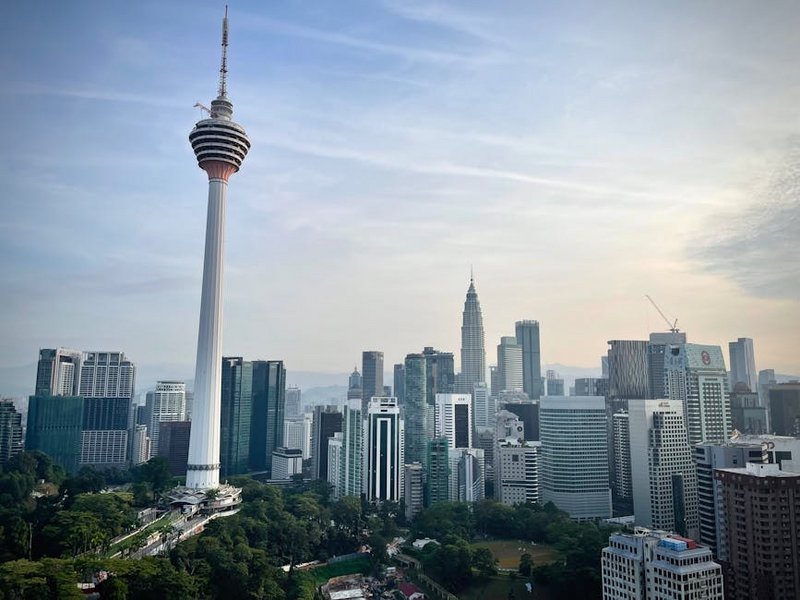
Modern Architecture in Kuala Lumpur
Kuala Lumpur showcases a stunning dialogue between its historical roots and a bold, futuristic skyline, defining the city’s unique architectural character. Your exploration of modern architecture in Kuala Lumpur reveals a story of ambition, where soaring glass towers stand alongside lush green spaces and heritage structures. This guide covers the essential landmarks, optimal viewing strategies, and practical tips to appreciate the city’s iconic skyline and hidden contemporary gems.
The Evolution of Kuala Lumpur’s Skyline
Kuala Lumpur’s architectural transformation began accelerating in the late 20th century, marking Malaysia’s economic growth on the global stage. The completion of the Petronas Twin Towers in 1998 was a definitive moment, claiming the title of world’s tallest buildings and signaling the city’s modern ambitions. This project catalyzed a new era of innovative and internationally-designed structures throughout the city center.
Today’s cityscape is a carefully curated blend of postmodern, neo-futurist, and sustainable design principles. Architects like César Pelli and Hijjas Kasturi have left indelible marks, creating buildings that respond to both tropical climate and cultural identity. The skyline continues to evolve, with new mixed-use developments pushing the boundaries of green technology and urban living.
Key Architectural Styles and Movements
The contemporary cityscape incorporates several distinct design philosophies. Recognizing these styles enhances your appreciation of each structure’s intent and innovation.
- Islamic Modernism: This style integrates traditional Islamic geometric patterns and motifs with contemporary forms and materials. Key examples include the Islamic Arts Museum Malaysia and the National Mosque, using modern engineering to express spiritual themes.
- Tropical Modernism: Focused on climate responsiveness, these buildings feature deep overhangs, louvers, and open atriums for natural ventilation. The Maybank Tower and the older Dayabumi Complex are prime examples of this practical yet elegant approach.
- Neo-Futurism: Characterized by sleek, soaring forms and advanced materials like glass and steel, this style aims for a visionary aesthetic. The Petronas Towers and the KL Tower epitomize this forward-looking design language, symbolizing progress and ambition.
- Budget Explorer ($20-50 USD): This covers LRT/Monorail day passes, free viewing from public spaces like KLCC Park and Saloma Link Bridge, and entry to affordable viewpoints like the KL Tower observation deck (approx. $14 USD). Self-guided walking tours using maps are the core activity.
- Mid-Range Enthusiast ($70-150 USD): Includes the above plus a guided architecture walking tour ($35-50 USD), admission to the Petronas Towers Skybridge & Observation Deck ($25 USD), and visits to museum exhibitions on design. Transportation includes occasional ride-shares between distant sites.
- In-Depth Luxury Experience ($250+ USD): Encompasses private guided tours with an architect guide, fine-dining experiences in skyscraper restaurants like Marini’s on 57, and exclusive access to private club lounges in high-rise buildings for unparalleled views. Includes premium hotel stays with panoramic city vistas.
- Tourism Malaysia – Official Kuala Lumpur Guide
- Petronas Twin Towers Official Site
- Kuala Lumpur Tower (Menara KL) Official Site
Influential Architects and Designers
Several visionary figures have shaped the city’s physical identity. César Pelli’s design for the Petronas Towers incorporated an eight-point star plan rooted in Islamic geometry, making it culturally resonant and globally iconic.
Local practice Hijjas Kasturi Associates designed landmarks like the Tabung Haji Headquarters and the Maybank Tower, championing a uniquely Malaysian modernism. Understanding these creators provides context for the buildings you’ll see, turning structures into stories of cultural dialogue and technical achievement.
The Role of Green Building Initiatives
Sustainability is now a core tenet of Kuala Lumpur’s new architectural projects. The city encourages green building certifications like GBI and LEED, leading to features such as energy-efficient facades and sky gardens.
Developments like TRX and the upcoming Merdeka 118 tower incorporate extensive vertical landscaping and rainwater harvesting systems. This shift shows how the city’s architectural ambition now includes environmental responsibility alongside aesthetic and economic goals.
Alt: “kuala-lumpur-petronas-towers-sunset-skyline-reflective-pools”
Modern Architecture in Kuala Lumpur – Planning Your Exploration
To fully appreciate the city’s built environment, strategic planning is essential. Focus your itinerary on specific districts like the Golden Triangle (KLCC), KL Sentral, and the upcoming Tun Razak Exchange (TRX) to see concentrated clusters of iconic structures.
A comprehensive visit requires a minimum of two full days. Dedicate one day to the KLCC park and surrounding towers, and another to a walking tour in the Bukit Bintang area and a trip up KL Tower for panoramic views. Efficient use of the city’s integrated rail system, especially the LRT and Monorail, is key to moving between these architectural hotspots.
Best Time for Architectural Photography and Viewing
The ideal months for clear skies and optimal photography are between March and early October, during the drier inter-monsoon periods. Expect daytime temperatures to range from 88°F to 93°F (31°C to 34°C) with high humidity.
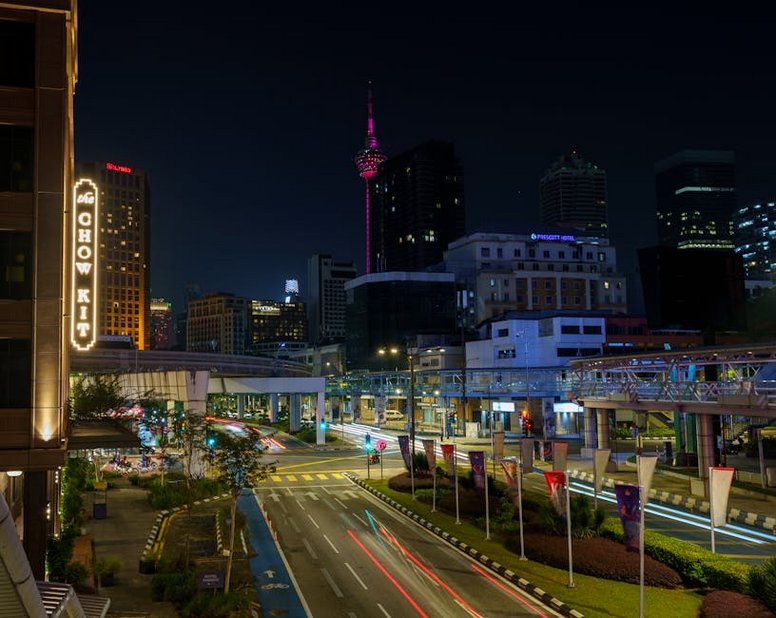
For the best light, plan viewings during the golden hours—shortly after sunrise (7-8 AM) or before sunset (7-8 PM). These times provide soft, directional light that accentuates building textures and minimizes harsh shadows. The blue hour just after sunset is perfect for capturing illuminated towers against a twilight sky.
Budget Planning and Tour Costs
Costs can vary based on how deeply you wish to explore. Here is a tiered breakdown for different budget levels.
Essential Preparation Checklist
Pack lightweight, breathable clothing, comfortable walking shoes, and a high-quality travel umbrella for sudden tropical showers. Essential gear includes a wide-angle lens (16-35mm) for capturing full towers, a polarizing filter to manage glass reflections, and a sturdy travel tripod for long-exposure night shots.
Ensure you have a valid passport with at least six months’ validity; most Western nationals receive a 90-day visa on arrival. Book timed tickets for the Petronas Towers Skybridge at least 3-5 days in advance, especially for weekend slots. Purchase a local SIM card or ensure a global roaming plan for reliable navigation using apps like Google Maps and Moovit.
Iconic Structures and Must-See Landmarks
The city’s skyline is dominated by several world-renowned structures that are essential viewing. Each building represents a different chapter in the city’s development and a unique engineering achievement. Beyond the famous twins, numerous other towers contribute to the distinctive visual narrative of the metropolis.
Viewing these landmarks from multiple angles—from their bases, adjacent parks, and distant vantage points—offers a complete understanding of their scale and context. Allocate time not just to enter key buildings, but to observe how they relate to each other and the urban fabric around them.
The Petronas Twin Towers and KLCC Park
The Petronas Twin Towers remain the unforgettable symbol of the city. Their stainless-steel and glass facades, inspired by Islamic geometric patterns, shine brilliantly under the tropical sun. A visit should include the Skybridge on the 41st floor and the observation deck on the 86th floor for breathtaking urban panoramas.
The surrounding KLCC Park, designed by Roberto Burle Marx, is an integral part of the experience. Its landscaped grounds, cascading pools, and Symphony Lake provide the perfect foreground for photographing the towers, especially during the nightly light show. The park itself is a masterpiece of landscape architecture framing the man-made ones.
KL Tower and the Golden Triangle
Standing on Bukit Nanas hill, the Kuala Lumpur Tower (Menara KL) offers the highest public viewing platform in the city. Its distinctive flared head houses communications equipment and a revolving restaurant. The observation deck provides a 360-degree view that includes the Petronas Towers within the wider cityscape, ideal for understanding urban layout.
From this vantage point, you can survey the “Golden Triangle,” the city’s main commercial district. Identify other key structures like the parabolic facade of the Maybank Tower, the tapered Ilham Baru (formerly known as Tabung Haji), and the sleek Troika towers. This perspective connects individual buildings to the overall metropolitan plan.
Contemporary Gems Beyond the Main Skyline
Venture beyond the most famous postcard views to discover other architectural wonders. The Museum of Islamic Arts, with its magnificent domed atrium and intricate detailing, showcases modern interpretations of traditional forms. The MATIC building and the National Science Centre offer bold, expressive geometries that are visually striking.
For cutting-edge sustainable design, explore the vertical gardens and innovative facade of the CIMB headquarters at KL Sentral. The upcoming Merdeka 118 tower, set to become the world’s second-tallest building upon completion, exemplifies the next generation of supertall, mixed-use, and environmentally conscious development in the city.
Practical Travel and Navigation Information
Navigating the city to see its architectural highlights is straightforward with its integrated transit system. The Klang Valley Integrated Transit Map is your essential tool, combining LRT, MRT, Monorail, and KTM Komuter lines. Purchase a Touch ‘n Go card for seamless, discounted travel across all modes of public transport.
Accommodation in the Bukit Bintang or KLCC areas places you within walking distance of many landmarks. For a unique architectural stay, consider hotels within iconic buildings themselves, offering unparalleled views and design-centric environments. Book these properties several months in advance for the best rates and room selections.
| District | Architectural Highlights | Recommended Viewing Time |
|---|---|---|
| KLCC | Petronas Towers, KLCC Park, Suria Mall, Aquaria | Morning (for park photos) & Evening (for light show) |
| Bukit Bintang | Pavilion Mall, Starhill Gallery, Fahrenheit 88, Jalan Alor entrance | Late Afternoon & Night (for neon-lit urban canyon effect) |
| KL Sentral | Nu Sentral Mall, CIMB Headquarters, St. Regis Hotel | Daytime (to appreciate building facades and plaza spaces) |
| Tun Razak Exchange (TRX) | The Exchange 106 tower, upcoming lifestyle quarter (future site) | Daytime (currently a viewing site for construction/design) |