Lyon Travel Guide
Lyon offers an extraordinary blend of Roman history, Renaissance architecture, and world-class gastronomy in the heart of Eastern France. This Lyon Travel Guide provides essential insights for navigating its ancient traboules, savoring authentic bouchon cuisine, and exploring its distinct cultural neighborhoods. You will discover practical tips on transportation, seasonal events, and budget-friendly ways to experience France’s culinary capital.
Essential Lyon Information
Lyon is France’s third-largest city and a UNESCO World Heritage site. The city sits at the confluence of the Rhône and Saône rivers. This strategic location shaped its history as a major European trade hub.
Its historical importance spans from the Roman Lugdunum to the Renaissance silk trade. The Presqu’île district forms the modern city center between the two rivers. Distinct neighborhoods, or “arrondissements,” each offer unique atmospheres and attractions.
Understanding Lyon’s Layout
Navigating the city is easier when you grasp its main districts.
- Presqu’île (1st & 2nd Arr.): The central peninsula houses major shops, restaurants, and squares like Place Bellecour, Europe’s largest pedestrian square.
- Vieux Lyon (5th Arr.): The Renaissance Old Town features cobbled streets, secret traboule passageways, and the towering Saint-Jean Cathedral.
- La Croix-Rousse (4th Arr.): The historic silk-weavers’ hill offers stunning city views, traboules, and a vibrant daily market on Boulevard de la Croix-Rousse.
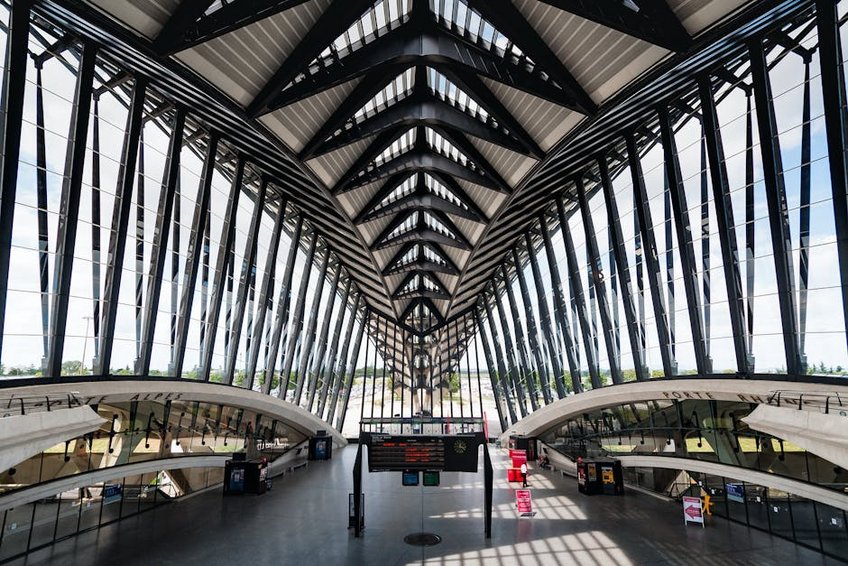
- Confluence & Part-Dieu (3rd Arr.): A modern contrast with the futuristic Confluence Museum and the Part-Dieu district, home to the city’s main train station and skyscraper.
- Budget Traveler ($80-120/day): Stay in hostel dorm or budget hotel in Villeurbanne, use city bike rentals (Vélo’v), enjoy marché lunches and bakery dinners, focus on free sights like traboules and park walks.
- Mid-Range Traveler ($150-250/day): Stay in a 3-star hotel on Presqu’île, dine at traditional bouchons, purchase a Lyon City Card for museum access, take a guided food tour in Vieux Lyon.
- Luxury Traveler ($350+/day): Stay at a 5-star hotel like Villa Florentine, dine at Michelin-starred restaurants (e.g., Paul Bocuse’s L’Auberge du Pont de Collonges), book private guided historical tours, enjoy river cruises.
- Lyon Tourist Office
- France.fr Official Travel Guide
- TCL Lyon Public Transport Network
Key Historical and Cultural Context
Lyon’s foundation dates to 43 BC as the Roman capital of Gaul. The Fourvière hill still showcases impressive ancient theaters. This deep history is visible in layers across the city’s landscape.
The Renaissance period brought wealth through the silk industry. This legacy created the beautiful Vieux Lyon and the unique network of traboules. These hidden corridors were used by silk workers to transport fabric.
Today, Lyon is celebrated as the French capital of gastronomy. This title stems from legendary chefs like Paul Bocuse. The city’s culinary culture is deeply woven into its daily life and identity.
Local Language and Communication
French is the official language, but English is widely spoken in tourist areas. Learning a few basic French phrases is appreciated by locals. It enhances interactions in smaller bouchons and markets.
Key phrases include “bonjour” (hello), “s’il vous plaît” (please), and “merci” (thank you). Service staff are typically professional and courteous. A simple effort in French often leads to warmer service.
Alt: “lyon-old-town-traboule-passageway-renaissance-architecture”
Lyon Travel Guide – Planning Your Trip
Successful Lyon exploration requires understanding its seasonal rhythms and urban layout. This Lyon Travel Guide section details the optimal times for a visit and essential logistical steps. Proper planning ensures you experience both iconic sites and local hidden gems.
Budget considerations should account for museum passes, meal costs, and accommodation location. The city offers excellent value compared to Paris. Prioritizing key experiences helps manage both time and expenses effectively.
Best Time to Visit Lyon
The ideal months are April-June and September-October. These periods offer pleasant weather, with averages of 60-75°F (15-24°C), and thinner crowds. Spring blooms and fall colors provide beautiful city backdrops.
July-August brings heat, occasional crowds, but also the vibrant Nuits de Fourvière festival. November-March is cooler, 40-50°F (4-10°C), with chances for rain but lower hotel rates. The Festival of Lights in early December is a spectacular, if busy, exception.
Budget Planning and Costs
Daily costs vary significantly based on your dining and activity choices.
Essential Preparation Checklist
Pack comfortable walking shoes for cobblestone streets and hills. Include layers and a compact umbrella for variable weather. A reusable water bottle is useful, as tap water is safe and free.
EU/US travelers need a valid passport, not a visa, for stays under 90 days. Secure travel insurance covering medical and trip interruption. Book popular bouchons and guided tours at least two weeks in advance, especially for weekend visits.
Top Attractions and Activities
Lyon’s attractions showcase its layered history from Roman ruins to modern art. A smart itinerary balances iconic landmarks with relaxed neighborhood exploration. Many key sites are within walking distance or a short funicular ride.
Investing in a Lyon City Card can provide substantial savings. This pass includes public transport, museum entries, and a river cruise. It simplifies logistics and encourages spontaneous museum visits.
Must-See Highlights
Begin at Basilique Notre-Dame de Fourvière. This 19th-century basilica offers panoramic city views. The adjacent ancient Roman theaters are freely accessible and highlight Lyon’s origins.
Explore Vieux Lyon’s traboules—hidden passageways through building courtyards. The most famous start at 27 Rue du Bœuf. This Renaissance district is perfect for leisurely exploration and café stops.
Visit the Musée des Confluences, a striking science and anthropology museum. Its architecture is as impressive as its collections. The surrounding Confluence district showcases innovative urban renewal.
Hidden Gems and Local Favorites
Discover the frescoes at the Mur des Canuts in Croix-Rousse. This massive wall painting depicts the neighborhood’s silk-weaving history. It’s one of several impressive “trompe-l’oeil” murals scattered across the city.
Stroll through the tranquil Jardin Rosa Mir in the Croix-Russe. This secret garden is a masterpiece of shell and stone mosaic. It represents a moving personal project by a Spanish stonemason.
Visit the vibrant Marché de la Croix-Rousse for a true local market experience. It operates daily except Monday. Here you can sample regional cheeses, charcuterie, and fresh produce.
Guided Tours and Unique Experiences
Join a food tour in Old Lyon to sample local specialties. Guides explain the history behind dishes like quenelles and praline tart. This is the best way to understand Lyonnais culinary pride.
Take a evening cruise on the Saône River. It provides unique perspectives of the city’s illuminated landmarks. Most cruises last about an hour and include audio commentary.
Consider a silk-weaving workshop in Croix-Rousse. This hands-on experience connects you to the city’s most famous historical industry. Several small ateliers offer demonstrations for visitors.
Practical Travel Information
Lyon is well-connected and easy to navigate with various efficient transport options. Its compact center is highly walkable, while trams, buses, and metro serve outer districts. Understanding the TCL public network is key to efficient movement.
Accommodation spans from historic hotels in Old Town to modern apartments in the Confluence. Location choice significantly impacts your daily itinerary. Staying near a metro station maximizes convenience.
| Accommodation Type | Best Areas & Features | Average Nightly Rate (USD) |
|---|---|---|
| Budget Hotel/Hostel | Villeurbanne or near Part-Dieu station; basic amenities, shared facilities possible | $70-110 |
| Mid-Range Hotel | Presqu’île or near Bellecour; 3-star comfort, private bath, often includes breakfast | $140-220 |
| Boutique Hotel | Vieux Lyon or Croix-Rousse; historic character, personalized service, unique decor | $230-350 |
| Luxury Hotel | Fourvière Hill or Presqu’île; 5-star service, spa, fine dining, panoramic views | $400+ |