Lithuania Curonian Spit Dunes: A Natural Wonder Guide
The Lithuania Curonian Spit Dunes form a UNESCO World Heritage site stretching 98 kilometers along the Baltic coast between Lithuania and Russia’s Kaliningrad Oblast. This unique landscape combines massive sand dunes, dense pine forests, and traditional fishing villages across a narrow sandy peninsula separating the Curonian Lagoon from the Baltic Sea. Your visit reveals geological wonders, rich cultural history, and exceptional outdoor activities accessible through careful planning across seasons.
Essential Information
The Curonian Spit represents one of Europe’s most fragile and dynamic dune systems, with shifting sands reaching heights over 60 meters in some sections. This slender landform measures just 400 meters at its narrowest point yet contains four distinct villages preserving unique Baltic cultural traditions. UNESCO designated the area in 2000 recognizing both its natural significance and cultural landscape shaped by human interaction with the environment.
What You Need to Know
Understanding these key aspects helps maximize your Curonian Spit experience while respecting its protected status.
- The spit spans approximately 98 kilometers with 52 kilometers belonging to Lithuania where the most dramatic dunes and infrastructure exist for visitors.
- Entry requires a small environmental fee (around €5 per person) payable at the border crossing or online supporting conservation efforts across the national park.
- Summer temperatures average 68°F (20°C) while winter brings averages around 28°F (-2°C) with the lagoon freezing in colder months.
- Budget travelers spend $40-70 daily using hostels ($25-35/night), self-catering meals, and public ferries ($3-5) while focusing on free activities like hiking and beach visits.
- Mid-range visitors allocate $90-140 daily for hotel rooms ($60-90/night), restaurant meals ($15-25 each), and occasional guided tours ($30-50) for deeper cultural insights.
- Luxury experiences cost $200-300 daily featuring boutique hotels ($120-180/night), fine dining, private guides, and specialized activities like sailing or photography workshops.
- Lithuania Travel Official Tourism Site
- UNESCO World Heritage Centre
Key Details
The Curonian Spit’s geological story begins approximately 5,000 years ago when sand deposits created this unique formation through wind and wave action. Human settlement dates back to prehistoric times with German, Lithuanian, and Russian influences visible in architecture and cultural traditions. Meanwhile, extensive dune stabilization projects began in the 19th century after deforestation threatened to bury villages under advancing sands.
Four main villages dot the Lithuanian section: Nida, Juodkrantė, Preila, and Pervalka each offering distinct character from tourist-focused Nida to quieter fishing communities. The national park status means development remains limited preserving the area’s natural beauty while providing essential services for visitors. Additionally, the spit’s microclimate creates warmer temperatures than mainland Lithuania with less rainfall during summer months.
Geological Formation
The spit’s dramatic dunes formed through complex interactions between wind, waves, and vegetation over millennia creating Europe’s highest moving dunes. Parnidis Dune stands approximately 52 meters high with spectacular views across both the lagoon and Baltic Sea from its summit. However, these dunes remain active shifting up to several meters annually requiring ongoing stabilization efforts to protect infrastructure.
Planning Your Lithuania Curonian Spit Dunes Trip
Your Lithuania Curonian Spit Dunes adventure requires strategic timing between May and September when weather conditions prove most favorable for outdoor activities. Summer months bring warmer temperatures around 70°F (21°C) and up to 18 hours of daylight maximizing exploration time across the peninsula’s trails and villages. Meanwhile, shoulder seasons offer fewer crowds with spring wildflowers and autumn colors creating different photographic opportunities.
Budget approximately $50-80 daily for budget travelers covering hostels, local meals, and public transportation while mid-range visitors should plan $100-150 daily. Luxury experiences including guided tours and boutique hotels might reach $250+ daily particularly during July and August peak season. Regardless of budget, book accommodations 2-3 months ahead for summer visits when availability becomes limited.
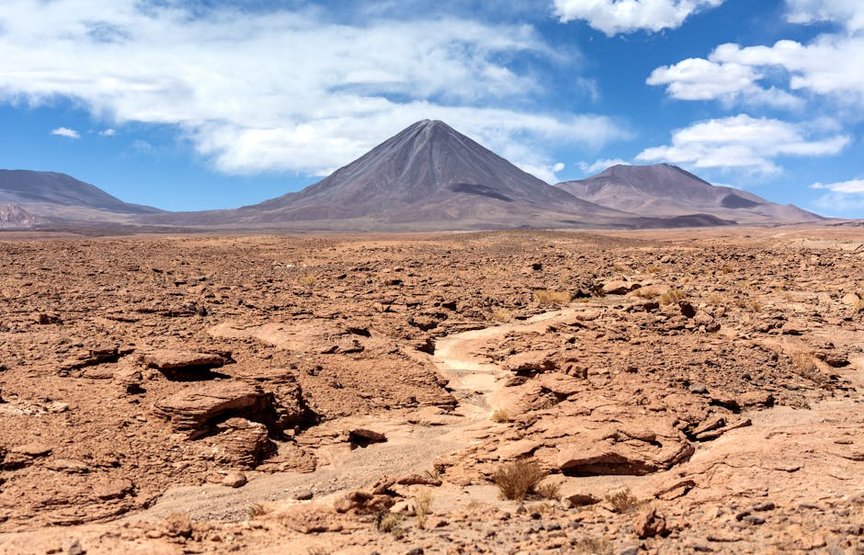
Alt: “curonian-spit-sand-dunes-panoramic-view-baltic-sea”
Best Time to Visit Curonian Spit
June through August delivers the warmest weather averaging 68-72°F (20-22°C) with minimal rainfall making it ideal for beach activities and hiking. These months also bring cultural festivals including the Nida Jazz Festival in August and traditional fishermen’s celebrations in Juodkrantė. However, this popularity means higher accommodation prices and more visitors at major attractions.
Shoulder seasons of May and September offer pleasant temperatures around 59-64°F (15-18°C) with significantly fewer tourists and lower prices. Meanwhile, winter visits between December and February provide dramatic landscapes with frozen lagoons and snow-covered dunes averaging 28°F (-2°C). Each season presents unique photography conditions from summer sunsets to winter’s stark beauty.
Budget Planning and Costs
Your Curonian Spit budget varies significantly based on travel style and season with these typical ranges.
Essential Preparation Checklist
Pack layered clothing including waterproof jackets since Baltic weather changes rapidly even during summer months with windbreakers essential for dune exploration. Sturdy hiking shoes provide necessary traction on sandy trails while sandals work for beach visits and village walking. Additionally, bring binoculars for birdwatching, cameras with polarizing filters for landscape photography, and reusable water bottles.
EU and US passport holders need no visa for stays under 90 days but should carry valid passports with at least six months remaining validity. Book ferry crossings from Klaipėda in advance during peak season and consider travel insurance covering outdoor activities. Download offline maps since cellular service proves unreliable in remote dune areas away from villages.
Top Attractions and Activities
The Curonian Spit’s diverse landscapes offer everything from serene beach walks to challenging dune climbs with cultural experiences in historic fishing villages. Nida serves as the main tourist hub with colorful traditional houses, museums, and boat tours while Juodkrantė features the unique Hill of Witches sculpture trail. Meanwhile, the northern sections near Smiltynė provide easier access with historical museums and shorter walking routes.
Outdoor enthusiasts find exceptional hiking across marked trails like the Nida-Preila path offering lagoon views and the steeper Parnidis Dune climb for panoramic vistas. Birdwatchers flock to the Nagliai Nature Reserve observing migratory species while cyclists enjoy the dedicated bike path running nearly the spit’s entire length. Each activity showcases different aspects of this UNESCO-protected landscape.
Must-See Highlights
Parnidis Dune near Nida stands as the spit’s most famous landmark requiring a moderate 30-minute climb rewarding visitors with breathtaking views across both sea and lagoon. The dune features a sundial sculpture and observation platform while morning visits avoid crowds and afternoon heat. Entry costs approximately €2 per person with parking available at the base.
The Hill of Witches in Juodkrantė presents a magical forest trail with over 80 wooden sculptures depicting Lithuanian folklore and mythological figures carved by local artists. This free attraction takes about 90 minutes to explore completely with shaded paths suitable for all fitness levels. Meanwhile, the Thomas Mann Museum in Nida offers cultural insights into the Nobel laureate’s time spent writing here.
Naglirai Nature Reserve protects the Dead Dunes area where sand-buried forests create an eerie landscape accessible via guided tours only from May through October. These tours cost around €15 per person and require advance booking through the national park office. Additionally, the Baltic Sea beaches near Nida provide excellent swimming conditions with water temperatures reaching 68°F (20°C) in August.
Hidden Gems and Local Favorites
Preila and Pervalka villages maintain authentic fishing community atmospheres with guesthouses operated by local families and smaller crowds than Nida. These settlements offer excellent lagoon-side walking paths and traditional smoked fish vendors operating from small sheds along the water. Meanwhile, the Juodkrantė Lutheran Church features unique nautical elements reflecting the community’s maritime heritage.
The Amber Bay near Juodkrantė provides opportunities for amber hunting after storms when the fossilized resin washes ashore along specific beach sections. Local guides offer amber hunting tours explaining identification techniques and the material’s historical significance in Baltic culture. Additionally, the smaller dunes between Preila and Pervalka deliver solitude and exceptional sunset photography opportunities.
Hiking and Nature Trails
Marked hiking trails crisscross the spit with difficulty levels ranging from easy lagoon-side walks to challenging dune climbs requiring good physical condition. The Nida to Preila trail spans approximately 9 kilometers taking 3-4 hours with minimal elevation gain and constant lagoon views. Meanwhile, the Nagliai Reserve guided hike covers 5 kilometers across protected dune areas with expert commentary on local ecology.
Cyclists enjoy the dedicated bike path running 45 kilometers from Smiltynė to Nida with rental shops available in all major villages costing $10-15 daily. This mostly flat route passes through forests, alongside beaches, and past traditional architecture with numerous stopping points. Additionally, winter brings cross-country skiing opportunities when snow conditions permit across the same trails.
Practical Travel Information
Reaching the Curonian Spit typically involves flying into Vilnius Airport (VNO) or Kaunas Airport (KUN) then traveling 300 kilometers northwest to Klaipėda port city. From Klaipėda, frequent ferries depart every 30 minutes during summer to Smiltynė on the spit’s northern end with pedestrian tickets costing approximately $3. Alternatively, summer car ferries operate from Klaipėda Old Town to Smiltynė accommodating vehicles for day trips.
Accommodation ranges from budget hostels in Nida starting at $25 nightly to luxury hotels exceeding $150 with traditional guesthouses offering middle options around $60-90. Booking platforms like Booking.com list numerous properties while local tourism offices provide last-minute options during shoulder seasons. Additionally, vacation apartments suit families or longer stays with weekly rates offering better value.
| Category | Options/Features | Price Range (USD) |
|---|---|---|
| Budget Accommodation | Hostels, guesthouse rooms, shared facilities, central locations | $25-45/night |
| Mid-Range Hotels | Private bathrooms, breakfast included, village locations | $60-100/night |
| Luxury Properties | Sea views, spa facilities, restaurants, guided activities | $120-200/night |
| Transportation | Ferry tickets, bus passes, bicycle rentals, taxi services | $3-50/day |