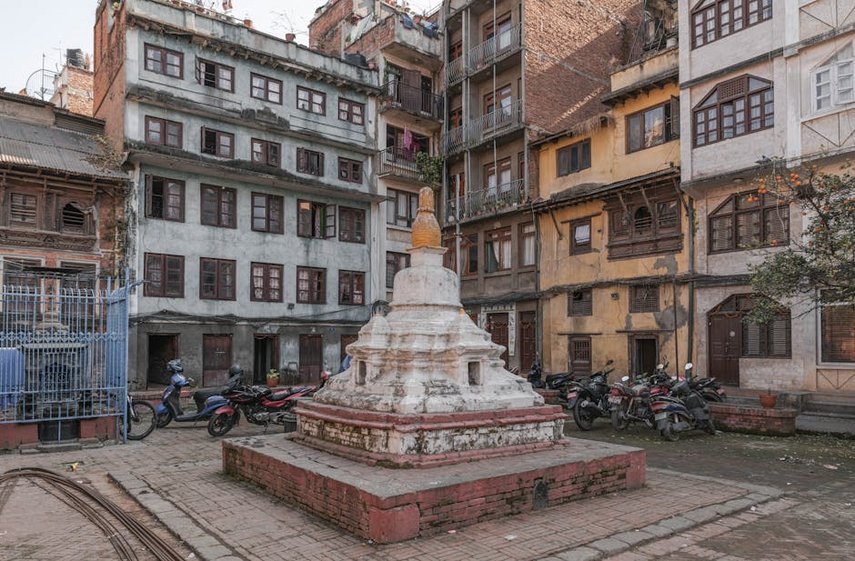
Kathmandu Travel Guide: Discover Nepal’s Enchanting Capital
Navigating Kathmandu reveals a city where ancient spiritual traditions intertwine with vibrant modern life. Your visit connects you with centuries of history at sacred stupas and bustling medieval bazaars. This Kathmandu Travel Guide provides essential tips for exploring temples, savoring local cuisine, and trekking into the surrounding valley efficiently.
Essential Kathmandu Information
Kathmandu serves as Nepal’s bustling capital and primary international gateway. The city sits in a valley at approximately 1,400 meters (4,600 feet) elevation. Three historic royal cities—Kathmandu, Patan, and Bhaktapur—form the cultural core.
The region experiences a subtropical highland climate with distinct seasons. Monsoon rains arrive from June through August, bringing lush greenery. Dry, clear skies dominate from October to April, offering ideal sightseeing conditions.
Nepal Standard Time is GMT+5:45, a unique fifteen-minute offset. The Nepali Rupee (NPR) is the local currency, though major establishments accept USD. Credit cards work in larger hotels and upscale restaurants in tourist zones.
Visa and Entry Requirements
Most travelers require a visa for Nepal, available on arrival. Prepare these documents before your flight for a smooth entry process.
- Passport valid for six months beyond your arrival date with blank pages.
- Completed arrival card and cash for the visa fee (USD 30 for 15 days).
- Proof of onward travel and accommodation details for immigration officials.
- Budget: $30-40 USD covers basic guesthouses, local meals (dal bhat), and public transport. Entry fees to 1-2 major sites fit this range with careful planning.
- Mid-Range: $70-100 USD includes 3-star hotels, some guided half-day tours, restaurant meals, and taxi rides between major districts.
- Luxury: $200+ USD affords 5-star heritage hotels, private guides with car, fine dining, and exclusive cultural experiences or short scenic flights.
- Nepal Tourism Board
- UNESCO Kathmandu Valley
Key Historical and Cultural Context
Kathmandu’s history spans over 2,000 years, shaped by Newari artisans. The Malla kings from the 12th to 18th centuries built iconic palaces and temples. This legacy earned the Kathmandu Valley its UNESCO World Heritage status in 1979.
The 2015 earthquake caused significant damage to historical sites. Extensive reconstruction efforts have restored many key monuments. Visitors today witness both ancient architecture and skilled modern restoration work.
Local Customs and Etiquette Basics
Nepali culture emphasizes respect and humility in social interactions. Always receive items with your right hand, as the left hand is considered unclean. Remove your shoes before entering homes, temples, and many traditional shops.
Dress modestly, especially when visiting religious sites. Cover your shoulders and knees as a sign of respect. Ask permission before photographing people, particularly monks and devotees in prayer.

Alt: “kathmandu-durbar-square-ancient-temples-wooden-architecture”
Kathmandu Travel Guide – Planning Your Trip
Effective planning transforms your Kathmandu experience from overwhelming to enchanting. Allocate time for both iconic sights and spontaneous exploration in winding alleys. Balance temple visits with relaxed hours in garden cafes.
Budget travelers can manage on $30-40 USD daily using local transport and guesthouses. Mid-range visitors spending $70-100 USD daily enjoy comfortable hotels and guided tours. Luxury experiences exceed $200 USD daily with premium services.
Purchase a composite entry ticket for the UNESCO monuments in Durbar Square. This single ticket often provides better value than individual site fees. Keep it handy for multiple entries across several days.
Best Time to Visit Kathmandu
October through November offers the clearest skies and pleasant temperatures. Daytime highs reach 20-25°C (68-77°F) with cool, crisp evenings. This peak season brings larger crowds and higher accommodation prices.
February through April provides warmer weather before the monsoon haze. Blooming rhododendrons add color to the valley hillsides. September and late April are excellent shoulder season choices with fewer tourists.
Budget Planning and Costs
Daily expenses vary dramatically based on your travel style.
Essential Preparation Checklist
Pack lightweight, modest clothing that layers for changing temperatures. Include a warm layer for evenings, a rain jacket, and comfortable walking shoes. A scarf or shawl is versatile for sun protection and temple visits.
Bring a universal power adapter (Type C, D, and M plugs), portable power bank, and copies of important documents. Comprehensive travel insurance covering emergency evacuation is non-negotiable for Nepal. Arrange this before departure.
Top Attractions and Cultural Sites
Kathmandu’s UNESCO sites showcase extraordinary Newari architecture and spiritual significance. Begin your exploration at Swayambhunath, the iconic “Monkey Temple” perched atop a hill. This 2,000-year-old stupa offers panoramic valley views alongside resident primates.
Pashupatinath Temple represents Nepal’s most sacred Hindu complex. Observe cremation ceremonies along the Bagmati River from the opposite bank respectfully. Non-Hindus cannot enter the main temple but can explore the surrounding grounds.
Boudhanath Stupa stands as one of the largest spherical stupas globally, central to Tibetan Buddhism. Join pilgrims walking clockwise around its massive mandala, spinning prayer wheels. Visit at dusk when butter lamps illuminate the complex.
Must-See Highlights
Kathmandu Durbar Square, a former royal complex, features Hanuman Dhoka Palace and Kumari Ghar. The living goddess, Kumari, occasionally appears at a first-floor window. Visit around 4 PM for potential sightings without guarantee.
Patan Durbar Square across the river showcases perhaps the finest collection of Newari architecture. The ancient palace courtyard and Krishna Mandir stone temple display exquisite craftsmanship. Allocate two hours minimum for proper appreciation.
Bhaktapur Durbar Square, located 15km east, offers the best-preserved medieval atmosphere among the three cities. Wander through pottery squares and narrow brick-paved lanes. The 55-Window Palace and Nyatapola Temple represent architectural masterpieces.
Hidden Gems and Local Favorites
Garden of Dreams near Thamel provides a serene escape from urban chaos. This restored neo-classical garden features fountains, pavilions, and quiet corners. Enjoy afternoon tea at the cafe surrounded by European-style landscaping.
Asan Tole, a bustling market square, delivers authentic local shopping experiences. Vendors sell spices, vegetables, and traditional utensils in a vibrant, crowded atmosphere. Visit in the morning when the market is most active and colorful.
Kopan Monastery on the valley’s northern edge welcomes visitors for meditation courses and day visits. The peaceful grounds offer stunning views over Kathmandu. Attend morning prayers at 6 AM for a profoundly spiritual experience.
Day Trips and Valley Exploration
Nagarkot, located 32km east, provides the valley’s most famous sunrise viewpoint. On clear mornings, you can see the Everest massif and other Himalayan peaks. Stay overnight for both sunset and sunrise perspectives.
Dhulikhel offers similar Himalayan vistas with fewer tourists and a traditional Newari town atmosphere. The peaceful hillside setting makes an ideal retreat. Walking trails connect to nearby villages for short hikes.
Changu Narayan Temple, a UNESCO site, claims to be Nepal’s oldest temple dating to the 4th century. The exquisite stone and wood carvings depict Vishnu’s incarnations. Combine this visit with Bhaktapur for an efficient day trip.
Practical Travel Information
Navigating Kathmandu requires patience and flexible expectations. Traffic congestion is intense, especially during morning and evening rush hours. Walking often proves faster than driving for short distances within neighborhoods.
Accommodation ranges from basic hostels in Thamel to heritage hotels in converted palaces. Book your first night in advance, especially during peak seasons from October to November. Many travelers extend their stay after seeing their chosen location.
| Accommodation Type | Location & Features | Price Range (USD) |
|---|---|---|
| Budget Guesthouse | Thamel, basic room, shared bath, rooftop | $15-30 |
| Mid-Range Hotel | Lazimpat or Patan, AC, private bath, breakfast | $50-100 |
| Boutique Heritage | Converted palace, courtyard, traditional decor | $120-200 |
| International Luxury | City center, pool, spa, multiple restaurants | $250+ |