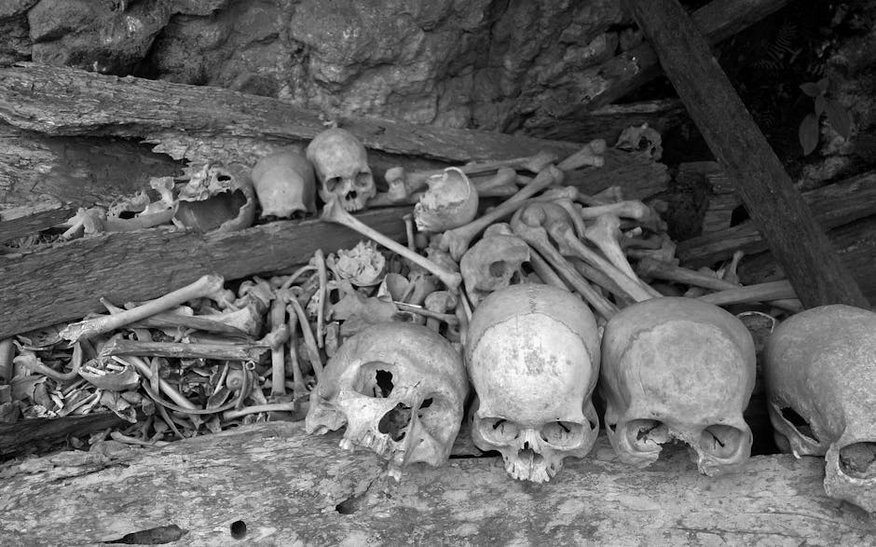
Indonesia Tana Toraja Funeral Ceremonies: A Cultural Immersion
Indonesia Tana Toraja funeral ceremonies represent one of the world’s most elaborate death rituals, blending ancient animist beliefs with vibrant cultural expressions in Sulawesi’s highlands. These multi-day events feature intricate buffalo sacrifices, traditional dance performances, and cliffside tomb burials that honor ancestors through community-wide participation. This guide covers essential planning tips, cultural etiquette, and practical logistics for respectfully experiencing these profound ceremonies.
Essential Torajan Cultural Context
Tana Toraja’s funeral traditions stem from Aluk To Dolo, the “way of the ancestors,” which views death as a gradual process toward the afterlife. These ceremonies, known as Rambu Solo, can last several days or even weeks, depending on the family’s social status and resources. The rituals ensure the deceased’s safe passage to Puya, the spirit world, while reinforcing community bonds.
Torajans believe souls remain present in homes until proper funeral rites conclude, sometimes years after physical death. During this waiting period, the deceased are referred to as “to makula” or sick persons, treated with daily offerings and conversation. This unique perspective on mortality shapes every aspect of Torajan society and architecture.
Understanding Ceremony Significance
Grasping the spiritual foundation helps visitors appreciate ceremony elements beyond surface spectacle.
- Buffalo sacrifices demonstrate family wealth and provide transportation for the soul, with specific color patterns indicating different spiritual pathways.
- Traditional ma’badong dance involves concentric circles of participants chanting poetic histories, creating trance-like states among mourners.
- Wooden tau-tau effigies placed at burial cliffs represent deceased ancestors watching over living descendants across generations.
- Budget travelers spend $35-50 daily staying in losmen guesthouses, using public transportation, and attending shorter ceremonies with local guide assistance for $15-25 per day.
- Mid-range visitors allocate $75-120 daily for comfortable hotels with air conditioning, private drivers at $40-60 daily, and experienced English-speaking guides charging $30-50 per ceremony day.
- Luxury experiences cost $150-300+ daily featuring boutique resorts, dedicated vehicles with drivers, and anthropological experts providing deep cultural context throughout multi-day ceremonies.
- Indonesia Travel – Official Tana Toraja Guide
- Encyclopedia Britannica Toraja Overview
Historical Development and Modern Context
Christian missionaries arrived in Toraja during the early 20th century, creating fascinating syncretism with indigenous beliefs. Most Torajans now identify as Christian while maintaining ancient funeral practices, resulting in ceremonies that might include Christian prayers alongside traditional buffalo sacrifices. The Indonesian government recognizes these traditions as important cultural heritage, though animal rights concerns have prompted some modern adaptations.
Tourism has become increasingly significant, with families sometimes scheduling ceremonies during peak visitor seasons. However, these remain authentic religious events rather than performances, requiring respectful observation. Foreign visitors typically attend through registered guides who facilitate appropriate participation and explain complex symbolism.
Ceremony Types and Social Hierarchy
Funeral scale and duration directly reflect the deceased’s social standing through a complex caste system. Noble families conduct ceremonies lasting up to twelve days with hundreds of buffalo sacrifices, while commoner funerals might conclude in three days with minimal livestock. The highest-ranking nobles receive burial in specially carved stone graves, whereas others use natural cliff recesses or hanging graves.
Preparations begin immediately after death with family consultations determining appropriate ceremony scale. Relatives contribute water buffalo, pigs, and other resources according to their means and relationship to the deceased. This collective responsibility reinforces social structures while distributing economic burdens across the community.
Indonesia Tana Toraja Funeral Ceremonies – Planning Your Trip
Attending Indonesia Tana Toraja funeral ceremonies requires careful timing and cultural preparation, as these are religious events rather than tourist attractions. The dry season from June to September offers the most reliable weather for travel between ceremony locations across Toraja’s mountainous terrain. You should coordinate with local guides several months ahead, as ceremony dates become confirmed only weeks beforehand through family announcements.
Budget considerations extend beyond standard travel expenses to include ceremonial contributions and guide fees. While attendance itself involves no charge, bringing gifts like sugar, coffee, or cigarettes demonstrates respect according to local custom. Your experience deepens significantly when understanding the symbolism behind each ritual element.
Physical preparation involves comfortable walking shoes for uneven terrain and conservative clothing covering shoulders and knees. The emotional intensity of extended ceremonies surprises many visitors, particularly during animal sacrifice segments. Mental readiness for these profound cultural expressions ensures more meaningful engagement.
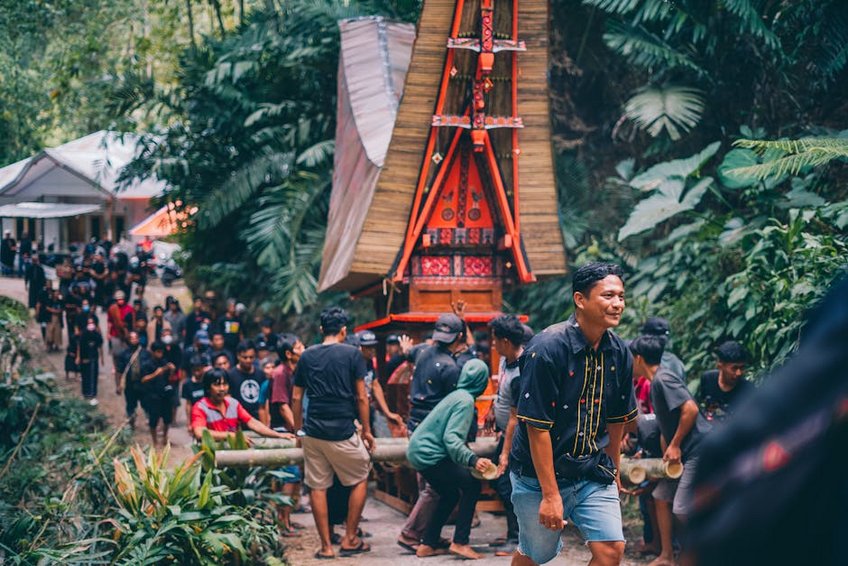
Alt: “tana-toraja-funeral-traditional-dancers-buffalo-ceremony”
Best Time to Visit for Ceremony Attendance
Peak ceremony season occurs between July and August after the rice harvest, when families have necessary resources for large gatherings. Daytime temperatures range from 70°F to 80°F (21°C to 27°C) with high humidity and occasional afternoon showers. These months see the highest concentration of noble funerals but also attract more visitors, requiring earlier guide arrangements.
Shoulder months of May, June, September, and October offer fewer crowds with moderate ceremony frequency, though rainfall increases significantly. December through February constitutes the rainy season, making travel between villages challenging despite lower accommodation costs. Morning temperatures can drop to 60°F (16°C) in higher elevations during these months.
Budget Planning and Costs
Your expenses vary considerably based on accommodation level and ceremony duration.
Essential Preparation Checklist
Physical preparation includes broken-in hiking shoes for rocky paths, rain gear for sudden downpours, and modest clothing covering knees and shoulders. Toraja’s highland climate demands layers, with temperatures fluctuating between 60°F and 85°F (16°C to 29°C) throughout the day. Bring sufficient memory cards and backup batteries for photography, as ceremonies continue from dawn until late night.
Culturally, learn basic Torajan phrases like “thank you” (kurre sumanga) and funeral-specific terms like “Rambu Solo.” Secure Indonesian rupiah in small denominations for ceremonial contributions and local purchases, as credit cards see limited acceptance outside major hotels. Mentally prepare for emotionally intense experiences, particularly during traditional slaughter rituals central to the ceremonies.
Ceremony Experiences and Cultural Activities
Funeral ceremonies unfold through distinct phases, beginning with arrival ceremonies where guests present offerings and pay respects. The main event features water buffalo fights, traditional dances, and animal sacrifices occurring across specially prepared ceremonial grounds. Cliffside burial processions conclude the rituals, with families carrying the deceased to final resting places in elaborate palanquins.
Between ceremony phases, visitors can explore Toraja’s unique architectural heritage featuring tongkonan houses with distinctive boat-shaped roofs. These family homes face north toward the origin direction of Torajan ancestors, with intricate carvings depicting agricultural life and spiritual beliefs. Many families welcome respectful visitors to view traditional houses and hear ancestral stories.
Must-See Ceremony Highlights
Ma’palao buffalo fights demonstrate prized animals’ strength before sacrifice, with handlers guiding massive beasts around ceremonial fields. These events draw enthusiastic crowds betting on outcomes, though visitors should observe quietly without participating in wagers. The fights symbolize spiritual struggles preceding the soul’s journey to the afterlife.
Ma’badong dance circles involve hundreds of participants moving rhythmically while chanting biographical poetry about the deceased. This hypnotic performance can continue for hours, with dancers occasionally entering trance states believed to connect with ancestors. Visitors may join outer circles when invited, moving slowly with the group.
Burial processions to Londa or Lemo cliff tombs feature vibrant parades with the deceased carried in colorful bamboo structures. Families dress in traditional black clothing while bearing funeral effigies and offerings up steep pathways. These concluding rituals offer profound visual spectacles against dramatic limestone backgrounds.
Hidden Gems and Local Interactions
Kete Kesu village near Rantepao provides exceptional opportunities to see ancient burial cliffs and traditional houses without large tour groups. Local families offer guided walks through rice fields explaining agricultural traditions connected to funeral ceremonies. Early morning visits reveal artisans carving wooden tau-tau effigies using techniques passed through generations.
Batutumonga highland area offers homestay experiences where visitors help prepare ceremonial foods like pa’piong (meat cooked in bamboo). These interactions provide deeper understanding of the community cooperation underlying funeral preparations. Cool mountain temperatures create comfortable hiking conditions to nearby burial sites with panoramic views.
Traditional Craft Workshops
Torajan textile workshops in Rantepao demonstrate intricate ikat weaving techniques used for ceremonial clothing. These fabrics feature symbolic patterns representing buffalo horns, rice stalks, and ancestral journeys, with specific designs reserved for funeral attire. Visitors can observe natural dye preparation using local plants and minerals.
Wood carving studios display the philosophical significance behind geometric patterns adorning tongkonan houses and burial structures. Master carvers explain how different motifs protect families from evil spirits while honoring agricultural cycles. Small carved souvenirs support local artisans while providing meaningful mementos of your cultural immersion.
Practical Travel Information
Reaching Tana Toraja involves flying into Makassar’s Sultan Hasanuddin International Airport (UPG) followed by an 8-10 hour overland journey. Most visitors hire private drivers ($60-80) or take shared minibuses ($15-20) for the scenic route through Bugis countryside. Alternatively, domestic flights to Toraja’s small Pongtiku Airport (TTR) operate inconsistently with limited seating.
Accommodation ranges from basic homestays in traditional houses to modern resorts with swimming pools, primarily concentrated around Rantepao town. Booking ahead proves essential during July-August peak season, though last-minute options often exist in shoulder months. Most properties include breakfast and can arrange reliable local guides for ceremony attendance.
| Accommodation Type | Features and Location | Price Range (USD) |
|---|---|---|
| Homestays | Traditional tongkonan houses, shared facilities, cultural immersion | $15-30/night |
| Guesthouses | Private bathrooms, basic amenities, central Rantepao location | $35-60/night |
| Boutique Hotels | Air conditioning, restaurant, ceremony arrangement services | $70-120/night |
| Resort Properties | Swimming pools, spa services, mountain views, guided tours | $130-250/night |