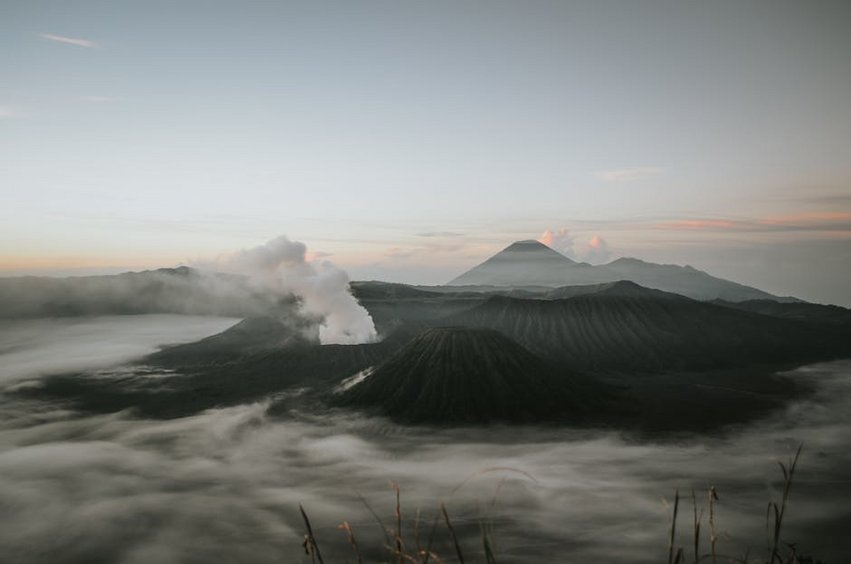
Indonesia Mount Bromo Sunrise: Witness the Majestic Volcanic Dawn
Experiencing the Indonesia Mount Bromo sunrise transforms ordinary travel into unforgettable adventure across Java’s dramatic volcanic landscapes. This iconic dawn spectacle unfolds from viewpoints like Penanjakan, where the sun illuminates Mount Bromo, Mount Batok, and Mount Semeru against a starry sky. Your comprehensive guide covers optimal visiting seasons, budget planning from $50 to $500, and insider tips for capturing perfect photographs without crowds.
Essential Bromo Tengger Semeru National Park Information
Bromo Tengger Semeru National Park spans 800 square kilometers across East Java, Indonesia, featuring an active volcanic complex. The Tengger caldera measures 10 kilometers wide, with Mount Bromo rising 2,329 meters above sea level. This region remains sacred to the indigenous Tenggerese people, who practice Hinduism amidst volcanic terrain.
Geologically, Mount Bromo belongs to the Pacific Ring of Fire, with frequent minor eruptions adding to its dramatic appearance. The volcano last erupted significantly in 2016, emitting ash plumes while remaining safe for visitors. National park authorities monitor activity closely, closing areas during increased volcanic alerts.
Location and Access Details
Understanding the park’s layout ensures efficient itinerary planning across different zones.
- Primary access points include Probolinggo City (2-hour drive) and Malang City (3-hour drive), with regular shuttle services operating to Cemoro Lawang village.
- Penanjakan viewpoint sits at 2,770 meters elevation, requiring a 30-minute hike from the parking area or jeep transport for sunrise viewing.
- Sea of Sand crossing to Bromo crater involves walking 2 kilometers across volcanic plains, with horse rentals available for $10-15 roundtrip.
- Budget travelers allocate $50-100 covering public transportation from Probolinggo ($5), park entrance ($25), homestay accommodation ($15/night), and basic meals. Save by joining shared jeep tours ($20) and hiking instead of horseback riding.
- Mid-range options cost $150-250 including private car transfer from Malang ($60), comfortable hotel ($40/night), private sunrise jeep ($50), and restaurant meals. This range includes gas mask rental and guide services for enhanced safety.
- Luxury experiences range $300-500 featuring premium accommodations like Jiwa Jawa Resort ($100/night), photography workshops, exclusive viewpoint access, and multi-day itineraries combining Bromo with Ijen Crater.
- Indonesia Travel Official Tourism Site
- Lonely Planet Indonesia Travel Guide
Cultural and Historical Significance
The Tenggerese community maintains centuries-old traditions within this volcanic landscape. They celebrate Yadnya Kasada festival annually, offering harvest produce to the volcano gods at Bromo’s crater. This Hindu ceremony occurs on the 14th day of Kasada month, typically June or July.
Local guides share fascinating stories about the creation myth involving a princess who sacrificed herself to save her people. Respect cultural norms by dressing modestly when visiting villages, though hiking attire remains acceptable on trails. The Tenggerese language contains elements of ancient Javanese, distinct from mainstream Indonesian.
Volcanic Safety and Regulations
Park management implements strict safety protocols for visitor protection during volcanic activity. Gas masks become necessary during increased sulfur emissions, available for rental at entrance gates. Always check the latest volcanic alert status through the Indonesian Center for Volcanology website before departure.
Guided tours include emergency evacuation procedures and designated safe zones. Independent travelers should register at park offices and carry communication devices. The crater rim occasionally closes during high wind conditions or elevated gas levels.
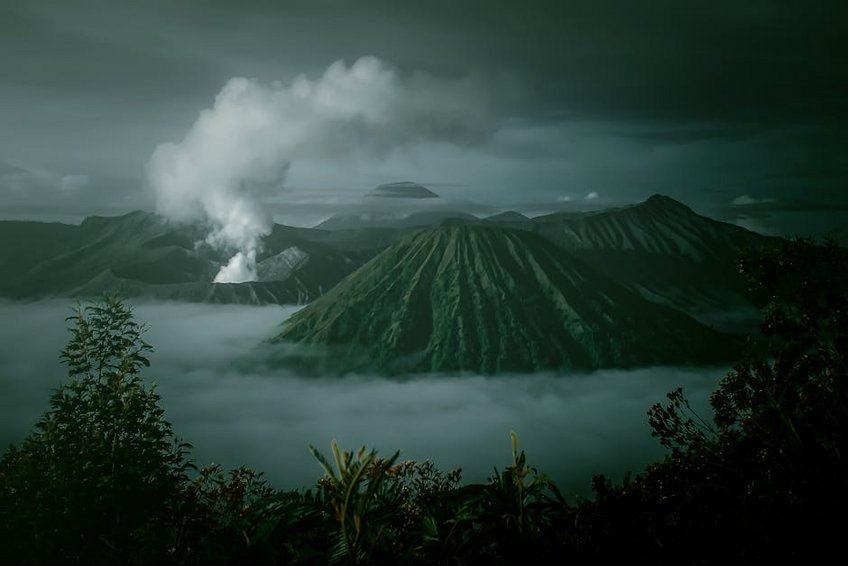
Alt: “mount-bromo-sunrise-penanjakan-viewpoint-volcanic-landscape”
Indonesia Mount Bromo Sunrise – Planning Your Trip
Successful Indonesia Mount Bromo sunrise viewing requires strategic timing between April and October for clearest skies. Dry season conditions from May to September provide optimal visibility, with temperatures ranging 50-68°F (10-20°C) at dawn. Book accommodations in Cemoro Lawang 2-3 months early for peak season visits between June and August.
Budget approximately $100-150 for a 2-day Bromo sunrise package including transportation, entrance fees, and basic lodging. Mid-range travelers spend $200-300 for upgraded hotels and private jeep tours. Luxury experiences featuring premium viewpoints and photography guides reach $400-500 for comprehensive packages.
Best Time to Visit Mount Bromo
April through October delivers the driest conditions with minimal cloud cover during sunrise hours. June to August sees temperatures between 46-64°F (8-18°C) at viewpoints, though crowds peak during European summer holidays. September and October offer pleasant 50-68°F (10-20°C) mornings with fewer visitors.
November to March brings rainy season challenges with frequent cloud cover obscuring sunrise views. Shoulder months of April and November sometimes provide dramatic cloud formations with partial visibility. Weekdays consistently prove less crowded than weekends regardless of season.
Budget Planning and Costs
Breakdown your expenses across these three budget categories for different travel styles.
Essential Preparation Checklist
Pack layered clothing for temperature extremes from 40°F (4°C) at dawn to 75°F (24°C) by midday. Include thermal underwear, fleece jacket, windproof outer layer, beanie, and gloves for sunrise viewings. Sturdy hiking boots with grip handle volcanic ash terrain better than sneakers.
Required documentation includes passport, Indonesian tourist visa if applicable, and travel insurance covering volcanic areas. Book sunrise jeep tours 1-2 weeks in advance during peak season through reputable operators. Carry altitude sickness medication if sensitive, as viewpoints exceed 2,700 meters elevation.
Top Attractions and Volcanic Experiences
Beyond the iconic sunrise, Bromo Tengger Semeru National Park offers diverse volcanic landscapes and cultural encounters. The Sea of Sand presents a Martian-like environment spanning 10 kilometers across the caldera floor. Mount Batok’s perfectly shaped cone provides excellent photography opportunities during golden hour.
Active adventurers can trek to Mount Semeru’s base camp, though the summit requires special permits and guides. The Whispering Sand area features unique acoustic properties where footsteps create echoing sounds. Local villages like Ngadas offer homestay experiences with Tenggerese families.
Must-See Highlights
Penanjakan Viewpoint remains the premier location for sunrise photography, accommodating hundreds of visitors on tiered platforms. Arrive by 4:00 AM to secure optimal positioning, using tripods for long exposure shots. The viewpoint faces east, perfectly aligning with the sun rising behind Mount Bromo and Mount Semeru.
Bromo Crater demands careful ascent via 250 concrete steps, revealing active sulfur vents and rumbling sounds. Visit between 7-9 AM before crowds peak, holding scarves over your nose against sulfur fumes. Kingkong Hill offers alternative sunrise perspectives with fewer photographers, accessible via 15-minute hike from the main road.
Savannah Hill (Bukit Savana) presents gorgeous afternoon lighting for landscape photography, featuring rolling hills and grazing horses. The Teletubbies Hill area near Ngadisari village provides colorful flower fields during September-November. Both locations work beautifully for portrait sessions with volcanic backdrops.
Hidden Gems and Local Favorites
Seruni Point requires earlier arrival but rewards with completely unobstructed sunrise views facing Mount Bromo directly. This lesser-known viewpoint involves a 45-minute hike from Cemoro Lawang, following local guides through pine forests. You’ll encounter only 20-30 other visitors compared to hundreds at Penanjakan.
The Poten Hindu Temple sits dramatically against the Sea of Sand backdrop, especially photogenic during late afternoon light. Tenggerese priests sometimes permit respectful visitors to observe ceremonies during non-festival periods. Nearby Luhur Poten temple offers similar architecture with even fewer tourists.
Photography Tips for Sunrise Conditions
Use tripods and remote shutter releases to eliminate camera shake during long exposures in low light. Bracket exposures between 1-30 seconds to capture both shadow details and highlight the rising sun. Wide-angle lenses (16-35mm) work best for landscape compositions, while telephoto lenses (70-200mm) isolate volcanic peaks.
Arrive 90 minutes before sunrise to scout compositions and set up equipment before crowds arrive. Neutral density filters help balance exposure between bright sky and dark foreground during blue hour. Check weather forecasts diligently, as clear skies provide the best color displays during dawn.
Practical Travel Information and Logistics
Most international travelers reach Mount Bromo via Juanda International Airport (SUB) in Surabaya, then driving 3-4 hours to volcano area. Alternative access comes from Abdul Rachman Saleh Airport (MLG) in Malang, requiring 2.5-hour transfer. Domestic flights from Bali to Malang operate daily, costing $50-80 oneway.
Accommodation ranges from basic homestays in Cemoro Lawang starting at $15 nightly to mid-range hotels at $40-60. Luxury options like Bromo Tengger Semeru Resort offer heated rooms and restaurant facilities for $100-150 per night. Book at least 2 months early for June-August visits.
| Category | Options/Features | Price Range (USD) |
|---|---|---|
| Budget Accommodation | Homestays with shared bathrooms, basic meals included, village locations | $15-25/night |
| Mid-Range Hotels | Private bathrooms, hot water, restaurant access, central Cemoro Lawang | $40-70/night |
| Luxury Resorts | Heated rooms, swimming pools, spa services, premium viewpoints | $100-150/night |
| Transportation | Public buses, shared jeeps, private cars with drivers, motorcycle rental | $5-80/day |