Greece Athens Marble Marathon: Run Through Ancient History
The Greece Athens Marble Marathon offers a running experience unlike any other, tracing a route where athletes competed over two millennia ago. This historic marathon begins in the town of Marathon and concludes at the iconic Panathenaic Stadium, the only stadium in the world built entirely of marble. You will challenge yourself on the same legendary course, connecting profoundly with the origins of the modern Olympic Games and ancient Greek culture through every step.
The Historic Marathon Route
This running event follows the authentic path of the original marathon messenger, Pheidippides, from the plains of Marathon to the heart of ancient Athens. The course spans the classic 42.195 kilometers (26.2 miles), blending quiet coastal stretches with urban avenues. You will finish your epic run inside the stunning all-marble Panathenaic Stadium, a site of both ancient and modern Olympic history.
The race commemorates the legendary run in 490 B.C. that inspired the modern marathon distance. Pheidippides ran to announce the Greek victory over the Persians at the Battle of Marathon. Today, participants retrace his steps, creating a powerful link between past and present athletic endeavor on this sacred ground.
Course Overview and Elevation
The route presents a challenging but rewarding profile with several notable climbs.
- The first 10 kilometers are relatively flat, starting in the town of Marathon and passing the burial mound of the Athenian soldiers.
- Between kilometers 21 and 31, runners face a sustained, gradual incline as they approach the city of Athens, which is the most physically demanding section.
- The final 10 kilometers are a net downhill into the city center, finishing with a triumphant lap inside the historic marble stadium.
- Budget Runner ($800-$1,200): Includes race entry fee (~$100-$150), hostel accommodation, self-catered meals, and using public transport. You can save by booking a hostel in a central area like Psiri and focusing on free activities like visiting the National Garden.
- Mid-Range Runner ($1,500-$2,500): Covers race entry, a 3-4 star hotel near Syntagma Square, meals at traditional tavernas, a guided Acropolis tour, and a post-race massage. This offers the best balance of comfort, convenience, and cultural immersion.
- Luxury Runner ($3,500+): Encompasses VIP race entry with premium amenities, a 5-star hotel with Acropolis views, fine dining, private guided tours, and a luxury spa recovery package. This option prioritizes seamless logistics and premium comfort throughout your trip.
- Athens Marathon Official Website (SEGAS)
- Greek National Tourism Organisation
Significance of the Marble Stadium
The Panathenaic Stadium, or Kallimarmaro, is the race’s crowning glory. Built in the 4th century B.C. and rebuilt in marble in 144 A.D., it hosted the first modern Olympics in 1896. Finishing your run on its pristine track is an emotional highlight. The stadium’s marble gleams under the Athenian sun, providing a breathtaking backdrop for your personal victory moment. This venue perfectly encapsulates the marble theme of the entire event.
Race Organization and Support
The Athens Marathon is organized each November by the Hellenic Athletics Federation (SEGAS). Aid stations are plentiful, offering water, electrolyte drinks, and sponges approximately every 2.5 kilometers. Medical support and pacing teams are present throughout the course. The event draws over 50,000 runners from across the globe, creating an international festival atmosphere centered on this historic running challenge.
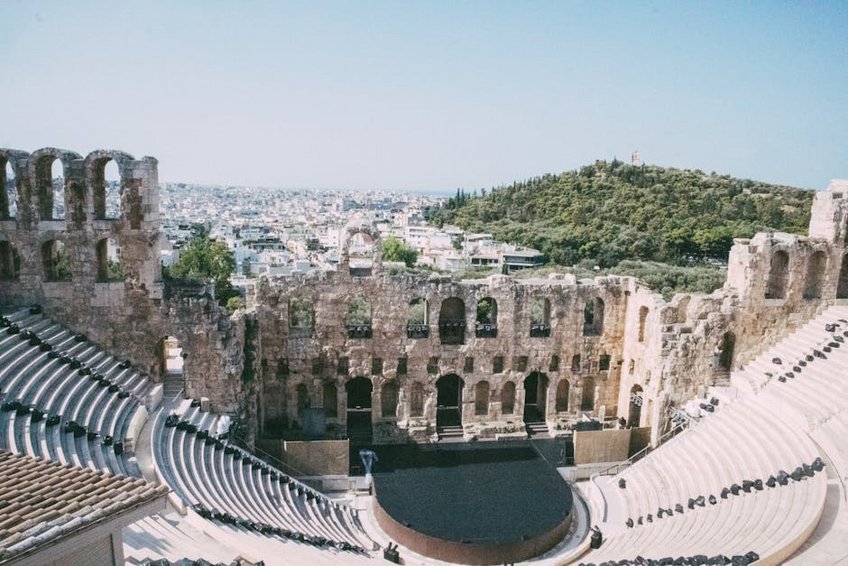
Alt: “panathenaic-stadium-marble-track-athens-marathon-finish-line”
Greece Athens Marble Marathon – Planning Your Trip
Successfully running this historic event requires careful planning around race logistics, travel, and seasonal timing. The official race date is typically the second Sunday of November, with registration opening in the spring. You should book flights and accommodation in Athens as early as possible, as the city fills quickly for this major international event. Securing your spot in the Greece Athens Marble Marathon is the first step toward an unforgettable athletic pilgrimage.
Your travel itinerary should account for at least five to six days in Greece. This allows time for packet pickup, a brief course familiarization, and proper post-race recovery to explore Athens. Consider arriving by Thursday before the Sunday race to combat jet lag and attend the pre-race expo. Planning your participation in this marble marathon involves more than just training; it’s about crafting a complete cultural and athletic experience.
Best Time to Visit Athens for the Marathon
Visit Athens in early November for the marathon, when daytime temperatures are ideal for running, ranging from 55-68°F (13-20°C). Early mornings can be cooler, around 50°F (10°C). This period falls after the intense summer heat and before the winter rains, offering stable, sunny weather. Crowds are manageable compared to the peak summer tourist season, though the city is lively with fellow runners.
The shoulder seasons of April-May and late September-October are also excellent for general travel, with similar pleasant weather. If you miss the race, you can still run parts of the historic course independently. However, the unique atmosphere of race day, with closed roads and thousands of participants, is irreplaceable and defines the true marathon experience.
Budget Planning and Costs
Here is a typical budget breakdown for participating in the marathon, excluding international flights.
Essential Preparation Checklist
Beyond standard marathon training, specific preparations are needed for this course and destination. Your training plan must include hill work to prepare for the significant incline between kilometers 21-31. Test your race day gear, especially shoes and socks, on long runs to prevent blisters on the varied pavement surfaces. Pack lightweight, moisture-wicking clothing suitable for cool mornings and potentially warm afternoons.
Ensure your passport is valid for at least three months beyond your departure date from Greece. EU and US citizens do not need a visa for stays under 90 days. Purchase comprehensive travel insurance that explicitly covers marathon participation. Book your hotel near the finish line or with easy metro access to simplify race morning logistics and your weary return after finishing.
Top Attractions and Marathon Week Activities
Athens offers an incredible backdrop for your race-cation, blending world-famous ancient sites with vibrant modern neighborhoods. The days leading up to the marathon are filled with energy, from the bustling race expo at the Tae Kwon Do Stadium to group shake-out runs organized by local clubs. After the race, you can explore the city’s wonders at a more relaxed pace, having earned a deeper connection to its history.
Key historic sites directly relate to your run. The Acropolis, standing watch over the city, is a must-see. The Archaeological Site of the Marathon Battlefield and Tomb offers a poignant pre-race visit to understand the event’s origins. Balancing tourism with race preparation is key; schedule demanding sightseeing for before or after your run, keeping the days immediately prior light and restful.
Must-See Highlights
The Acropolis and its Parthenon are the iconic symbols of Athens. Visit early in the morning to avoid the largest crowds and the heat. Ticket prices are around €20 in summer (€30 for a combined pass). The Acropolis Museum, located nearby, houses stunning artifacts and offers breathtaking views of the citadel above.
The Ancient Agora was the heart of classical Athenian public life. Walking among the ruins of temples and the restored Stoa of Attalos provides context for the civilization that created the marathon legend. The National Archaeological Museum holds the world’s finest collection of Greek antiquities, including sculptures and pottery that bring the ancient world to life. Allow at least two hours for a meaningful visit.
Hidden Gems and Local Favorites
Escape the crowds at Mount Lycabettus. You can walk or take a funicular to the top for panoramic views of Athens and the Saronic Gulf, especially beautiful at sunset. The neighborhood of Anafiotika, nestled on the slopes of the Acropolis, feels like a Cycladic island with its white-washed houses and narrow pathways, offering a peaceful retreat.
For a local running experience, join Athenians for a jog or walk in the National Garden, a green oasis behind the Parliament building. The Stavros Niarchos Foundation Cultural Center (SNFCC) is a modern architectural marvel with a park, canal, and stunning views. It’s a popular spot for locals to run, bike, and relax, and hosts free events throughout the year.
Pre-Race and Post-Race Rituals
The official race expo is a key pre-race event where you collect your bib number and timing chip. It features numerous vendors selling running gear and Greek products. Many runners take a short, easy “shake-out” run along the Athens Riviera or in the Pedion tou Areos park to calm nerves and loosen legs. A common pre-race meal is a simple pasta dinner, widely available at local tavernas.
After crossing the finish line, the celebration begins. The post-race area in the stadium provides water, fruit, and your medal. A beloved post-marathon tradition is enjoying a well-earned meal at a plaza taverna in Plaka or Monastiraki, often featuring grilled meat, Greek salad, and a cold beer. Consider a visit to a local hamam or booking a professional massage the next day to aid your recovery.
Practical Travel Information
Navigating Athens for the marathon is straightforward with a little preparation. The city has an extensive and affordable public transportation system, including a metro, buses, and trams. The metro is particularly useful on race day, with special extended hours and extra trains to transport runners to the start line in Marathon. Purchase a reloadable Athena card for seamless travel on all forms of transport.
Accommodation ranges from budget hostels to luxury hotels with Acropolis views. The most convenient areas to stay are near Syntagma Square, Plaka, or close to a metro station on Line 2 (the red line), which services the marathon start area. Booking at least six months in advance is crucial for securing good rates and optimal locations during the busy race period.
| Accommodation Type | Best Areas & Features | Price Range Per Night (USD) |
|---|---|---|
| Budget Hostel | Psiri, Omonia; dorm beds, shared kitchen, social atmosphere | $25 – $50 |
| Mid-Range Hotel | Syntagma, Plaka; private room, breakfast included, good transit links | $100 – $200 |
| Boutique Hotel | Koukaki, Makrigianni; stylish design, Acropolis views, personalized service | $200 – $350 |
| Luxury Hotel | Kolonaki, near Parliament; 5-star amenities, rooftop pools, fine dining | $350+ |