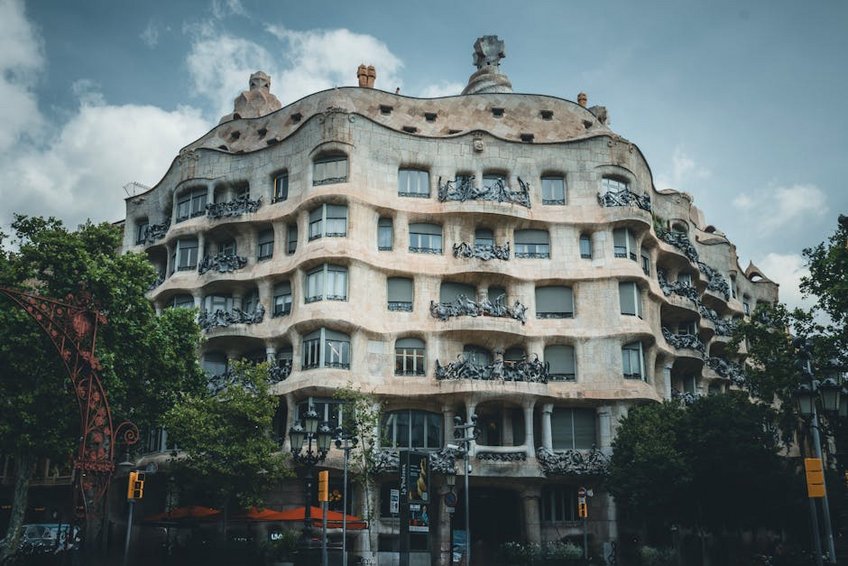
Gaudí Landmarks in Barcelona
Exploring the Gaudí landmarks in Barcelona offers a journey through architectural genius that reshaped a city’s skyline. These creations blend organic forms, innovative structural techniques, and profound spiritual symbolism into immersive experiences. This guide details every essential site, from timed entry tickets to hidden details, helping you plan an efficient and enriching visit to these UNESCO World Heritage masterpieces.
Antoni Gaudí and Modernisme Essentials
Antoni Gaudí was the leading figure of Catalan Modernisme, a cultural renaissance that peaked in the late 19th and early 20th centuries. His work is characterized by a rejection of straight lines, an embrace of nature-inspired forms, and the innovative use of materials like trencadís (broken tile mosaics). This movement expressed a distinct Catalan identity, merging art nouveau with Gothic and Moorish influences.
Gaudí’s philosophy centered on creating harmonious structures that existed in dialogue with their natural surroundings. He pioneered construction techniques, using catenary arches and complex tile work to achieve both beauty and stability. His deep Catholic faith infused his later works with intricate religious symbolism, making them as much theological statements as architectural ones.
Understanding the Architectural Style
To fully appreciate his sites, recognize these signature elements.
- Organic Forms: Columns resemble tree trunks, balconies look like sea-worn bones, and rooftops evoke dragon scales, all eschewing rigid geometry.
- Trencadís: Gaudí’s iconic mosaic technique used discarded ceramic tiles to create vibrant, shimmering surfaces on benches, spires, and sculptures.
- Symbolic Detail: Every element, from the number of towers to the color of tiles, carries religious or natural meaning, telling a story within the structure.
- Budget (Approx. $70-100 for 3 sites): Focus on exterior views of Casa Milà and Casa Batlló, then invest in one interior ticket (choose Sagrada Família basic entry for ~$30). Visit free sections of Park Güell (not the Monumental Zone) and see Palau Güell from the outside.
- Mid-Range (Approx. $150-220 for 4-5 sites): Include basic entry to Sagrada Família, Casa Batlló, and Park Güell’s Monumental Zone. Add an audio guide or a cheap public transport pass to reach scattered sites efficiently. Consider a combined pass for multiple modernista landmarks.
- Luxury (Approx. $300+ for full experience): Premium access with guided tours, tower access at the Sagrada Família, and “first access” morning tickets at Casa Batlló. Include a private tour of the less-visited Colònia Güell Crypt and a meal at Casa Vicens. This tier offers deeper context and time savings.
- Official Sagrada Família Basilica Foundation
- Official Barcelona Tourism Board
The UNESCO Recognition
Seven of Gaudí’s works in and around Barcelona were inscribed as a single UNESCO World Heritage Site in 1984 and 2005. This designation highlights their outstanding universal value as exceptional examples of architectural creativity. The listed sites include Park Güell, Palau Güell, Casa Milà, Casa Vicens, the Nativity Façade of the Sagrada Família, Casa Batlló, and the Crypt of Colònia Güell.
This status ensures their preservation and underscores their importance to global cultural heritage. Visiting them provides insight into an artistic movement that defined a city. The concentration of such masterpieces in one urban area is unique in the world.
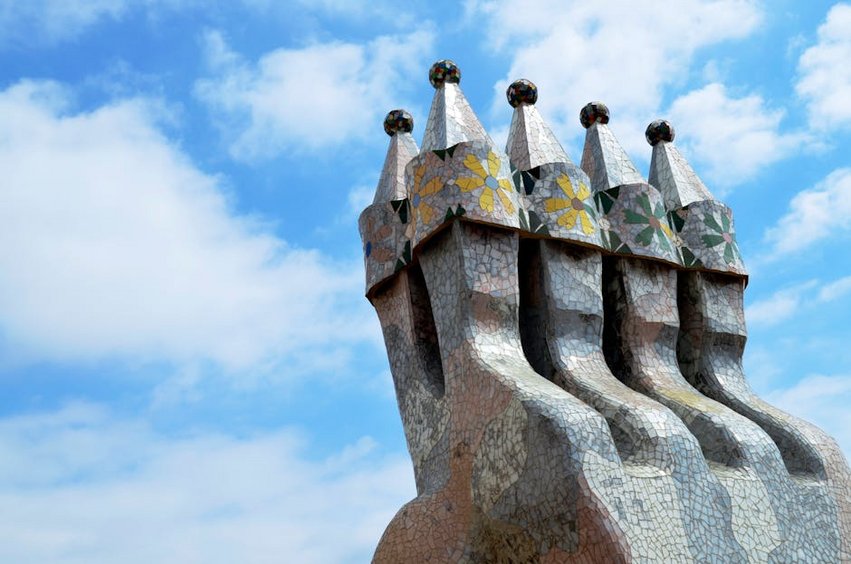
Alt: “gaudi-sagrada-familia-facade-detail-trencadis-mosaic-barcelona”
Gaudí Landmarks in Barcelona – Planning Your Itinerary
A strategic plan is crucial for visiting Barcelona’s major Gaudí sites, as they are popular and spread across the city. We recommend prioritizing based on your interests—spiritual awe, residential genius, or public park design. Purchasing skip-the-line tickets online weeks in advance is non-negotiable for the main attractions, especially during peak season from April to October.
Grouping visits by geographic proximity saves time. For instance, combine Casa Batlló and Casa Milà on Passeig de Gràcia, then visit the Sagrada Família separately. Allocate more time than you think for the basilica, as its scale and detail are overwhelming. Consider guided tours for deeper insight into the symbolism you might otherwise miss.
Best Time to Visit Gaudí’s Barcelona
The ideal months are April-May and September-October, offering pleasant weather (60-75°F / 15-24°C) and slightly smaller crowds. Summer (June-August) brings intense heat (80-90°F / 27-32°C) and the largest tourist influx, requiring extreme advance planning. Winter (November-March) is cooler (50-60°F / 10-15°C) and less crowded, but some park areas may have shorter hours.
For the best experience, visit major interiors like the Sagrada Família or Casa Batlló right at opening time (9:00 AM) or during the last entry slot of the day. Lighting inside these buildings shifts dramatically, with morning light ideal for the Nativity Façade and afternoon light illuminating the Passion Façade. Weekdays are always less busy than weekends.
Budget Planning and Costs
Admission to Gaudí’s masterpieces is a significant portion of a Barcelona travel budget. Here’s a realistic breakdown.
Essential Preparation Checklist
Book all timed-entry tickets online at least two weeks in advance, and one month ahead for summer visits. Essential items include comfortable walking shoes for uneven surfaces, a refillable water bottle, and a camera with a wide-angle lens for capturing interior spaces. Download the official app for the Sagrada Família for a superb audio guide.
Ensure you have a valid passport or ID for any student or senior discounts, which are often available. Purchase a T-Casual public transport pass (10 rides) for efficient travel between districts. Familiarize yourself with basic Spanish or Catalan phrases for polite interactions, though ticket checkpoints are multilingual.
Top Gaudí Sites and Experiences
The must-see Gaudí creations in Barcelona offer a spectrum of experiences, from a monumental unfinished basilica to whimsical private homes. Each site showcases a different phase of his artistic evolution and technical innovation. Understanding the story behind each one transforms a simple photo stop into a meaningful encounter with architectural history.
Beyond the famous interiors, pay attention to the rooftops, staircases, and light fixtures—Gaudí designed every element. The play of light through stained glass, the texture of stone carvings, and the views from terrado rooftops are integral to the experience. Allow time to simply sit and observe the spaces he created.
Must-See Highlights
The Basílica de la Sagrada Família is Gaudí’s magnum opus and remains under construction since 1882, with a planned completion around 2026. Its three facades (Nativity, Passion, Glory) tell the story of Christ, and the forest-like interior columns create a breathtaking canopy of light. Basic entry starts at $30, with tower access requiring an additional fee.
Casa Batlló on Passeig de Gràcia is a remodel of an existing building, transformed into the legend of Saint George slaying the dragon. Its skeletal balconies, dragon-scale roof, and undulating facade glow under lights at night. Entry is steep (around $40) but includes a fascinating augmented reality tablet. Nearby, the stone quarry-like facade of Casa Milà (La Pedrera) offers a stunning rooftop of warrior chimney stacks.
Hidden Gems and Local Favorites
While not exactly hidden, Park Güell’s free access zone (not the Monumental Core) offers beautiful gardens, walking paths, and distant city views without a ticket. Locals enjoy this area for morning walks. The entrance pavilions and the famous mosaic salamander (El Drac) are within the paid Monumental Zone, which requires advance booking.
The Crypt at Colònia Güell in Santa Coloma de Cervelló, a short train trip from Barcelona, is a testing ground for Gaudí’s architectural ideas later used in the Sagrada Família. It’s dramatically less crowded and offers a pure, undisturbed look at his structural genius. Combine it with a stroll through the preserved industrial colony for a half-day trip.
Rooftop and Panoramic Views
The rooftop terraces of Gaudí’s buildings are attractions themselves. Casa Milà’s roof offers a surreal landscape of sculptural ventilation towers with panoramic views down Passeig de Gràcia. Casa Batlló’s rooftop provides a close-up view of its iconic dragon-scale architecture. For the ultimate panorama, ascend one of the Sagrada Família towers (Nativity side recommended) for a unique perspective over the city and down onto the basilica’s intricate facades.
Practical Travel Information
Navigating between Gaudí landmarks is straightforward with Barcelona’s efficient metro and bus system. The major sites are located in the Eixample (Sagrada Família, Casa Milà, Casa Batlló), Gràcia (Park Güell), and the Gothic Quarter (Palau Güell) districts. A T-Casual transport pass costing approximately $12 for 10 rides is the most economical option.
Accommodation near Passeig de Gràcia or the Sagrada Família metro stations offers the best connectivity. While hotels in the immediate vicinity of the sights are premium, more affordable options exist just a few metro stops away in neighborhoods like Sant Antoni or Poble Sec. Booking lodging three months in advance secures better rates for the peak seasons.
| Site | Nearest Metro Station | Estimated Visit Time | Advance Booking Required? |
|---|---|---|---|
| Sagrada Família | Sagrada Família (L2, L5) | 2-3 hours | Yes, essential |
| Park Güell (Monumental Zone) | Vallcarca or Lesseps (L3), then 15-min walk | 1.5 hours | Yes, for specific time slot |
| Casa Batlló | Passeig de Gràcia (L2, L3, L4) | 1-1.5 hours | Highly recommended |
| Casa Milà (La Pedrera) | Diagonal (L3, L5) | 1 hour | Recommended |
| Palau Güell | Drassanes (L3) | 1 hour | Recommended |