France Mont Saint Michel Tides: Navigating the Tidal Wonder
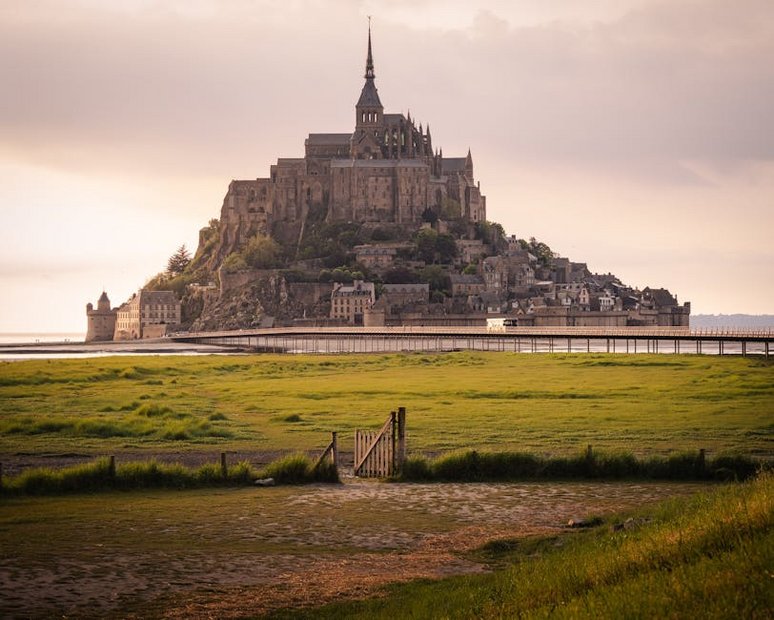
The France Mont Saint Michel tides create a dramatic natural phenomenon that transforms this UNESCO site from an island to a peninsula twice daily. Understanding these powerful tidal movements ensures safe access to the medieval abbey while providing unforgettable coastal vistas across the Bay of Mont Saint Michel. This guide delivers detailed tidal schedules, viewing strategies, and essential safety precautions for your Normandy adventure.
Essential Mont Saint Michel Information
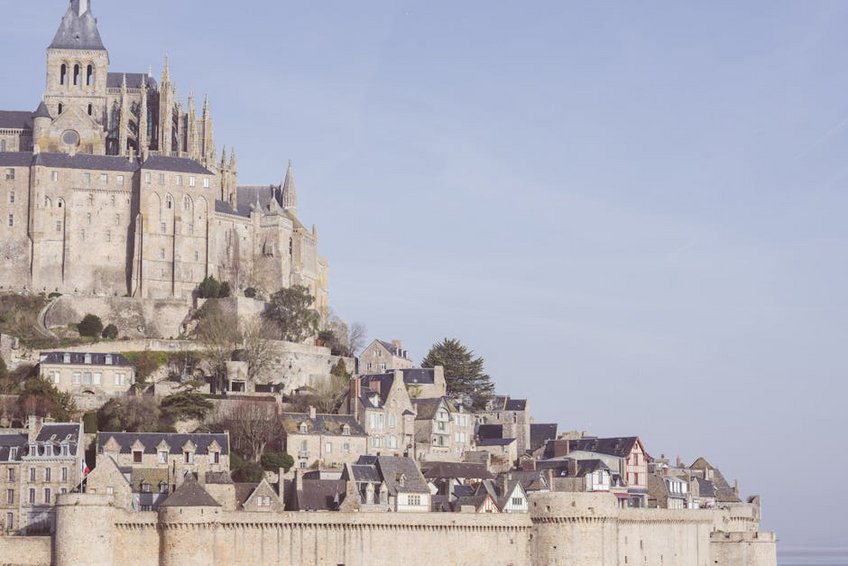
Mont Saint Michel stands as a Gothic Benedictine abbey perched on a rocky tidal island in Normandy, France. The site dates to the 8th century with the current abbey construction spanning from the 10th to 15th centuries. This historical monument attracts over 2.5 million visitors annually drawn to its unique tidal environment.
The Bay of Mont Saint Michel experiences Europe’s largest tidal ranges reaching up to 14 meters (46 feet) between high and low water. These extreme tides create the spectacular visual transformation that defines the visitor experience. The surrounding bay covers approximately 500 square kilometers during high tide while revealing vast sandbanks at low water.
The Tidal Phenomenon Explained
Understanding the tidal mechanics helps visitors plan their Mont Saint Michel experience effectively. The Atlantic Ocean’s gravitational pull combined with the bay’s shallow depth and funnel shape creates the dramatic tidal range.
- Tidal coefficients measure the tide’s strength on a scale from 20 to 120 with readings above 95 considered exceptional for witnessing the rapid tidal advance.
- The mascaret tidal bore phenomenon occurs during high coefficient tides creating a wave that travels up the Couesnon River at speeds reaching 10 km/h (6 mph).
- Tide tables published by SHOM (French Hydrographic Service) provide precise daily predictions essential for safe bay exploration and photography timing.
- Budget travelers can manage $75-100 daily using mainland accommodations, picnic meals, and free tidal viewing from the causeway while paying only for abbey entry at $12 per person.
- Mid-range visitors should budget $150-250 daily covering island hotel stays, restaurant meals, guided tidal walks at $25-40, and combination tickets including museums and the abbey.
- Luxury experiences range $300-500 daily featuring premium island accommodations, fine dining at La Mère Poulard, private guided tours, and special access tidal photography sessions.
- Official Mont Saint Michel Tourism Authority
- French Hydrographic Service (SHOM)
Historical Significance and Evolution
Mont Saint Michel’s history intertwines completely with its tidal environment offering natural defense throughout centuries. Viking raids during the 9th century prompted initial fortifications while the Hundred Years War saw English forces unable to capture the island due to tidal protection.
The abbey’s strategic location made it a major pilgrimage destination with medieval visitors following “paths to paradise” across the tidal flats. Recent engineering projects including the 2015 dam and removed causeway now allow the bay to maintain its natural marine character while improving visitor access.
Geographic and Environmental Context
The Mont Saint Michel bay forms part of the Normandy coastline situated where the Couesnon, Sée, and Sélune rivers meet the Atlantic Ocean. This unique ecosystem supports salt meadow vegetation, migratory birds, and the famous pré-salé lamb that grazes on tidal pastures.
Conservation efforts protect the bay’s biodiversity while maintaining sustainable tourism practices. Visitors should respect marked pathways and guided tour recommendations to preserve this delicate environment between Brittany and Normandy regions.
Alt: “mont-saint-michel-tidal-island-aerial-view-abbey-silhouette”
France Mont Saint Michel Tides – Planning Your Trip
Successful Mont Saint Michel visits require careful tidal planning to experience both the island and peninsula phases of this unique destination. The tidal coefficient directly impacts your experience with higher numbers creating more dramatic transformations and potentially limiting access periods.
Budget considerations should account for seasonal pricing variations with summer peaks and winter discounts. Accommodation on the mainland typically costs 30-40% less than island hotels while providing easier parking and tidal flexibility. Advance reservations remain essential year-round particularly for abbey tours and guided bay walks.
Physical preparation matters for navigating the steep village streets and potentially wet conditions during tidal changes. Comfortable waterproof footwear proves invaluable while visiting during transitional tidal periods when spray and damp pathways occur frequently.
Best Time to Visit for Tidal Experiences
Visit Mont Saint Michel between March and October for optimal tidal viewing with peak coefficients typically occurring 36-48 hours after new and full moons. Summer months offer extended daylight with temperatures ranging 60-75°F (15-24°C) perfect for photography and exploration.
Shoulder seasons in spring and autumn provide smaller crowds with coefficients still reaching impressive levels above 90. Winter visits require warmer clothing for temperatures 35-50°F (2-10°C) but offer dramatic stormy seas and fewer visitors during low season.
Budget Planning and Costs
Mont Saint Michel visits suit various budgets with these typical expense ranges.
Essential Preparation Checklist
Pack waterproof jackets and sturdy shoes with grip soles for potentially wet conditions during tidal changes and village exploration. Bring multiple camera batteries and memory cards for capturing the rapid tidal transformations throughout your visit duration.
Check tide tables daily via the official Mont Saint Michel app or website before venturing into the bay area. Reserve accommodations 2-3 months ahead for summer visits and guided tidal walks at least three weeks in advance during peak seasons.
Top Attractions and Activities
Mont Saint Michel offers diverse experiences beyond the iconic abbey with tidal rhythms influencing daily activity schedules. The medieval village streets contain museums, shops, and restaurants that adapt their hours based on tidal access conditions.
Guided bay walks provide unique perspectives on the tidal environment with certified guides ensuring safety across the shifting sands. These tours typically last 2-3 hours covering 4-5 kilometers (2.5-3 miles) while explaining local ecology and historical crossing routes.
Must-See Highlights
The Abbey of Mont Saint Michel represents the crown jewel with its Gothic architecture and panoramic bay views from the terrace. Visit during changing tides to witness the water’s dramatic advance or retreat from this elevated perspective 80 meters (262 feet) above sea level.
La Mère Poulard restaurant serves their famous fluffy omelets since 1888 using traditional copper bowl techniques. Time your meal to coincide with high tide viewing from their windows while enjoying this culinary institution’s historic atmosphere.
The Maritime Museum explains tidal mechanics through interactive exhibits and scale models perfect for families. Combine this visit with the Archeoscope multimedia show that dramatizes the mount’s history through special effects and projections.
Hidden Gems and Local Favorites
The North Tower garden offers quiet contemplation spaces with exceptional views across the bay toward Tombelaine islet. This secluded spot remains less crowded than main pathways while providing perfect vantage points for photographing tidal changes.
Local fishermen sometimes lead informal tidal flat tours during low water revealing shellfish harvesting techniques passed through generations. These impromptu experiences typically occur near the old causeway area when conditions permit safe access.
Tidal Walking Tours and Experiences
Certified guided walks across the bay provide the safest method for experiencing the tidal environment firsthand. These tours explain quicksand identification, tidal bore anticipation, and historical pilgrimage routes used for centuries.
Night photography tours during high coefficient tides create magical opportunities for capturing the illuminated abbey against moving waters. Specialized operators provide tripods and technical guidance for these unique sessions scheduled around lunar cycles and tidal predictions.
Practical Travel Information
Mont Saint Michel accessibility has improved significantly with the 2015 removal of the parking causeway and introduction of shuttle services. The new pedestrian bridge allows tidal waters to flow freely around the island while maintaining consistent visitor access throughout tidal cycles.
Accommodation options range from historic island hotels to modern mainland properties with different advantages for tidal viewing. Island stays provide overnight access during high tide isolation while mainland hotels offer easier parking and lower prices.
| Category | Options/Features | Price Range (USD) |
|---|---|---|
| Transportation | Shuttle buses from parking areas, horse-drawn carriages, walking bridge access | $0-15 |
| Accommodation | Island hotels with tidal views, mainland B&Bs, nearby campgrounds | $80-400 |
| Attraction Tickets | Abbey entry, museum combinations, guided bay walks, night tours | $12-65 |
| Dining | Historic restaurants, casual cafes, picnic supplies from local producers | $15-75 |