Delhi Travel Guide: Discover India’s Historic Capital
Navigating Delhi requires a strategic approach to uncover its many layers. This Delhi Travel Guide provides the essential framework for experiencing the city’s dramatic contrasts, from the 17th-century Red Fort to the futuristic Lotus Temple. You’ll learn how to manage the vibrant chaos, find serene moments, and connect with a rich history spanning over a thousand years. This guide details everything from navigating the metro to tasting authentic street food.
Essential Delhi Information
Delhi, officially the National Capital Territory, functions as India’s political and cultural heart. The city is geographically and historically divided into two main parts: Old Delhi and New Delhi. Mughal Emperor Shah Jahan founded Old Delhi in the 1600s, and its winding lanes hold ancient bazaars and mosques.
British architect Edwin Lutyens designed New Delhi in the early 20th century, characterized by wide, tree-lined avenues and grand government buildings. The city’s population exceeds 30 million, making it one of the world’s most populous urban areas. This density creates a dynamic, sometimes overwhelming, energy that defines the visitor experience.
Understanding this duality is key to appreciating everything from architectural styles to local cuisine. The Yamuna River flows along the city’s eastern edge, though it is not a major feature for most tourists. Hindi is the official language, but English is widely spoken in business, tourism, and government sectors.
Key Facts and Figures
Before you visit, these details will help with planning.
- Time Zone: Indian Standard Time (IST), GMT+5:30, with no Daylight Saving Time adjustments, which is 10.5 hours ahead of New York.
- Currency: Indian Rupee (INR); major credit cards are accepted in malls and hotels, but keep cash for markets, rickshaws, and small vendors.
- Best For: History enthusiasts, food lovers, and shoppers seeking an intense cultural immersion; less ideal for travelers seeking only relaxation.
- Budget Traveler ($30-50 USD/day): Stay in hostels or guesthouses in Paharganj, eat street food and at local dhabas, use the metro exclusively, and visit free attractions like gardens and some temples.
- Mid-Range Traveler ($80-150 USD/day): Stay in 3-4 star hotels in South Delhi or near Connaught Place, take occasional Uber/Ola cabs, enjoy mixed dining, and hire a private guide for a half-day tour of major sites.
- Luxury Traveler ($250+ USD/day): Stay in 5-star heritage properties like The Imperial or modern chains, use private car transfers, dine at award-winning restaurants, and book curated private experiences with expert historians.
- Delhi Tourism
- UNESCO World Heritage Centre – India
Understanding Delhi’s Layout
The city sprawls across approximately 573 square miles, so grouping attractions by area saves time. Connaught Place in New Delhi is a central commercial hub with shops, restaurants, and major metro connections. South Delhi neighborhoods like Hauz Khas and Defence Colony offer upscale dining and boutique shopping in a slightly calmer atmosphere.
Old Delhi, centered around Chandni Chowk, is best explored on foot or by rickshaw to navigate its extremely narrow, crowded lanes. The Delhi Metro is the most efficient way to travel long distances between these districts, with air-conditioned cars and designated women-only compartments.
Visa and Entry Requirements
Most foreign tourists, including US, UK, EU, and Canadian passport holders, require an e-Visa for India. You must apply online at least four days before your arrival, but not more than 120 days in advance. The standard 30-day e-Tourist Visa costs approximately $25 USD.
Ensure your passport is valid for at least six months beyond your date of entry and has two blank pages. Immigration officials may ask for proof of onward travel and sufficient funds, though this is not consistently enforced. Always carry a printed copy of your approved e-Visa confirmation.
Alt: “old-delhi-chandni-chowk-market-crowded-street-vendor”
Delhi Travel Guide – Planning Your Trip
Successful exploration of India’s capital hinges on thoughtful preparation. This Delhi Travel Guide section focuses on timing, budgeting, and logistics tailored to the city’s unique rhythm. Weather dramatically influences your experience, with extreme heat in summer and pleasant, cool days in winter.
Accommodation choices vary wildly, from heritage havelis in Old Delhi to international business hotels in Aerocity near the airport. Your budget should account for entrance fees to major monuments, which are higher for foreign tourists, and transportation costs like metro fares and app-based cab rides.
Booking key attractions like the Qutub Minar or a food walk in advance can save hours of waiting in line. Always have a digital and physical copy of your hotel address to show taxi drivers. Internet access via a local SIM card is invaluable for navigation and ride-hailing apps.
Best Time to Visit Delhi
The ideal visiting window is during the cool, dry winter, from late October to mid-March. Daytime temperatures range from a pleasant 50°F to 77°F (10°C to 25°C), while nights can drop to 41°F (5°C). This is the peak tourist season, so book flights and hotels at least three months in advance.
Shoulder seasons include October and March, which are warmer but still manageable. Avoid the scorching summer from April to June, when temperatures regularly exceed 104°F (40°C). The monsoon from July to September brings heavy, disruptive rains and high humidity, though it can offer dramatic skies for photography.
Budget Planning and Costs
Daily costs vary significantly based on your travel style.
Essential Preparation Checklist
Pack light, breathable cotton or linen clothing for summer, and layers including a warm jacket for winter. Modest dress is respectful, especially when visiting religious sites; cover shoulders and knees. Essential items include comfortable walking shoes, a refillable water bottle, hand sanitizer, sunscreen, and a universal power adapter (India uses 230V, Type C/D/M plugs).
Download these apps before you arrive: Uber or Ola for rides, Delhi Metro Rail for navigation, Zomato for restaurant reviews, and Google Translate (Hindi). Purchase comprehensive travel insurance that covers medical evacuation. Inform your bank of your travel plans to avoid card blocks on international transactions.
Top Attractions and Historic Sites
Delhi’s monuments narrate the rise and fall of empires. Start with the UNESCO World Heritage Sites, which are marvels of engineering and artistry. Allow at least two to three hours for each major complex to appreciate its scale and detail. Hiring a certified guide at the entrance is highly recommended to understand the historical context.
Many sites charge separate, higher fees for foreign nationals, often around 500-600 INR ($6-8 USD). Keep your ticket stubs, as some offer combined entry discounts. The best light for photography at outdoor sites like Humayun’s Tomb is during the golden hours just after sunrise or before sunset.
Must-See Highlights
The Red Fort (Lal Qila) is a massive 17th-century Mughal fortification built from red sandstone. Walk through the Lahore Gate, imagine the court in the Diwan-i-Aam, and see the intricate marblework in the private apartments. Sound and light shows are held in the evenings.
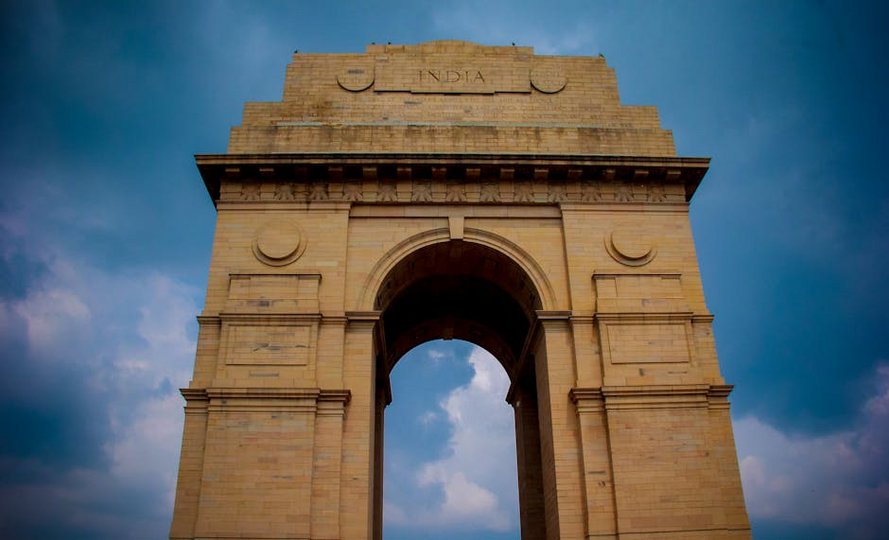
Humayun’s Tomb, a precursor to the Taj Mahal, is a stunning example of Persian-inspired Mughal architecture set within symmetrical gardens. Qutub Minar is a 240-foot victory tower from 1193, the world’s tallest brick minaret, surrounded by ancient ruins. The India Gate, a war memorial, and the nearby Rashtrapati Bhavan (Presidential Residence) are iconic New Delhi landmarks best seen on a drive.
Hidden Gems and Local Favorites
Escape the crowds at Agrasen ki Baoli, a hauntingly beautiful 14th-century stepwell hidden among modern high-rises near Connaught Place. The Mehrauli Archaeological Park, spread around the Qutub complex, contains ruins, tombs, and mosques scattered in a forested area perfect for a quiet stroll.
Visit the Sulabh International Museum of Toilets for a uniquely informative and surprisingly fascinating look at sanitation history. For a vibrant local experience, explore the flower market at Ghazipur before dawn, where the city’s vendors buy their daily stock in a riot of color and scent.
Markets and Shopping Districts
Chandni Chowk in Old Delhi is the quintessential, chaotic market experience. Navigate its specialized lanes for spices (Khari Baoli), silver jewelry (Dariba Kalan), and fabrics. Dilli Haat is a curated open-air craft bazaar with stalls from across India, ideal for buying souvenirs in a less intense setting.
For upscale shopping, visit Khan Market or the designer boutiques in Shahpur Jat. Remember, bargaining is expected in markets but not in fixed-price stores or malls. Start by offering 50-60% of the quoted price and negotiate politely from there.
Practical Travel Information
Getting around Delhi is an adventure in itself. The Delhi Metro is clean, efficient, affordable, and the best way to bypass traffic. Purchase a rechargeable Tourist Smart Card for unlimited rides. For shorter distances in Old Delhi, cycle rickshaws are the only practical option.
App-based taxis (Uber, Ola) are reliable for point-to-point travel; pay attention to the license plate and driver rating. Prepaid taxi booths at the airport offer fixed-rate fares to different city zones, which is safer than negotiating with drivers outside. Auto-rickshaws are cheaper than cabs but always insist on using the meter or agree on a fare before starting your journey.
| Accommodation Type | Best Areas & Features | Price Range/Night (USD) |
|---|---|---|
| Heritage Hotel | Old Delhi / Lodhi Colony; historic building, traditional decor, cultural ambiance | $100 – $300+ |
| Business/Luxury Hotel | Aerocity / Connaught Place; modern amenities, pools, multiple restaurants | $120 – $250 |
| Boutique/Guesthouse | Hauz Khas / South Delhi; stylish, quieter neighborhoods, personalized service | $60 – $150 |
| Budget Hotel/Hostel | Paharganj / Majnu ka Tilla; basic facilities, social atmosphere, central location | $15 – $50 |