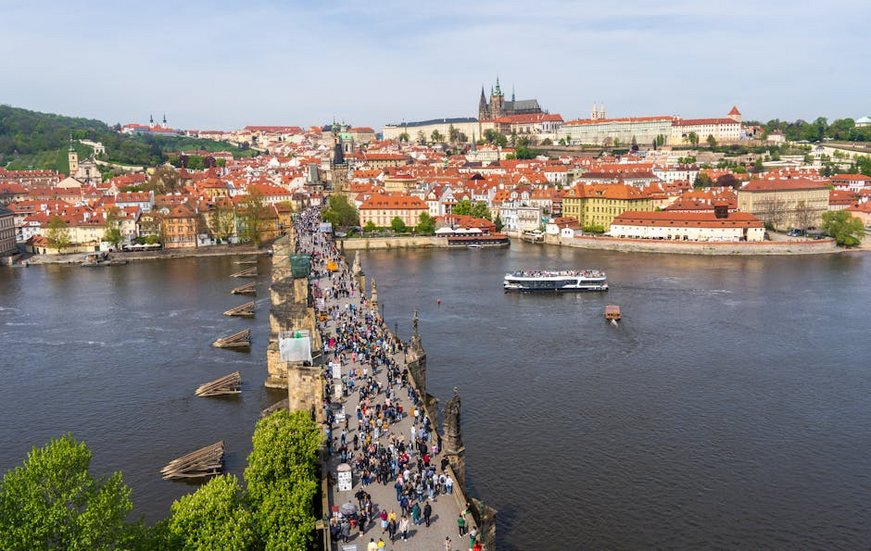
Czech Republic Prague Spring Arts: Your Guide to the Cultural Awakening
Experiencing the Czech Republic Prague Spring Arts festival marks a unique cultural journey into the heart of Central Europe’s vibrant creative spirit. This annual celebration transforms Prague’s historic venues into stages for world-class orchestral music, ballet, and theater from mid-May through early June. Your visit connects you to a legacy of artistic freedom that has defined the city for over 75 years, blending monumental performances with intimate gallery exhibitions across the stunning capital.
Essential Prague Spring Festival Information
The Prague Spring International Music Festival stands as one of Europe’s oldest and most respected cultural events. Founded in 1946, the festival was conceived to celebrate the end of WWII and revive the nation’s cultural life, quickly becoming a symbol of artistic resilience. It traditionally opens on May 12, the anniversary of composer Bedřich Smetana’s death, with a performance of his symphonic cycle “Má vlast” (My Homeland).
This artistic gathering stretches approximately three weeks, featuring over fifty events in venues ranging from grand concert halls to historic churches. The programming balances revered classical masterpieces with contemporary commissions, attracting top-tier international orchestras, conductors, and soloists. Securing tickets well in advance is crucial, as performances by celebrated artists often sell out months before the festival begins.
Historical Significance and Cultural Context
The festival’s history is deeply intertwined with Czechoslovakia’s political narrative. It served as a rare platform for cultural expression during the communist era, maintaining artistic standards despite state control. The 1968 Prague Spring political reform movement, which sought liberalization, shares the name and spirit of hopeful renewal with the arts festival, though they are distinct entities.
- The festival’s founding director was conductor Rafael Kubelík, who opened the inaugural event and famously returned to conduct in 1990 after the Velvet Revolution.
- Iconic venues include the Rudolfinum (home to the Czech Philharmonic), the Municipal House (Obecní dům), and the historic churches of St. Simon and St. Jude, each offering unique acoustics and atmosphere.
- Beyond music, the event umbrella includes visual art exhibitions, lecture series, and masterclasses, creating a comprehensive cultural dialogue throughout the city.
- Budget Traveler ($80-$120/day): Focus on standing-room or upper-balcony tickets (€10-€25), stay in hostels or budget hotels outside the center, use public transport passes, and enjoy affordable Czech cuisine from street vendors or local pivnice (pubs).
- Mid-Range Traveler ($180-$280/day): Secure good mid-tier concert seats (€40-€80), book a centrally-located hotel or apartment, dine at traditional restaurants like Lokál, and take a guided walking tour focused on musical history.
- Luxury Experience ($400+/day): Purchase premium front-orchestra tickets (€100-€200+), stay at a five-star hotel like the Augustine or Aria, enjoy fine dining at venues like Field or La Degustation, and arrange private transfers or a curated art tour.
- Official Prague Spring International Music Festival Website
- Lonely Planet Prague Travel Guide
- Official Prague Tourism Portal
Key Events and Programming Structure
The festival schedule is meticulously curated, opening with the symbolic “Má vlast” and closing with Beethoven’s Ninth Symphony. Each year features a guest country or theme, influencing the selection of composers and ensembles presented. You will find morning chamber music recitals, afternoon symphonic concerts, and evening opera or ballet productions, allowing for a full day of cultural immersion.
Contemporary music holds a significant place, with the “Czech Inspiration” series highlighting living composers. Many visitors appreciate the festival’s commitment to presenting Czech masters like Antonín Dvořák, Leoš Janáček, and Bohuslav Martinů alongside global repertoire. The artist roster typically includes winners of major international competitions and venerable maestros, ensuring consistently high performance quality.
Venue Highlights and Atmosphere
Attending a concert at the Art Nouveau Municipal House is an experience in itself, with its elaborate stained glass and murals. The Rudolfinum’s Dvořák Hall provides pristine acoustics for orchestral works, while Gothic churches offer a more atmospheric setting for chamber and choral music. Simply walking between venues through Prague’s picturesque streets, especially in the gentle spring evening light, becomes part of the cultural adventure.
Alt: “prague-spring-festival-concert-rudolfinum-audience”
Czech Republic Prague Spring Arts – Planning Your Cultural Trip
Organizing your visit around the Czech Republic Prague Spring Arts requires strategic timing and research. The official festival program is usually released in January, triggering the first wave of ticket sales for major events. Accommodation in central districts like Old Town, Lesser Town (Malá Strana), and New Town books quickly for the festival period, with prices rising as the dates approach. You should target booking flights and hotels by late February for the best selection and rates.
A successful arts-focused trip balances scheduled performances with serendipitous exploration of Prague’s galleries and street life. Consider purchasing a festival pass for multi-event access or focusing on individual tickets for specific must-see concerts. The city’s efficient public transport system, including trams and metro, makes it easy to navigate between venues, restaurants, and your lodging, allowing you to maximize each day.
Best Time to Visit for the Arts Festival
Visit Prague for the core festival period from May 12 to June 4. The weather is typically mild and pleasant, with average daytime temperatures ranging from 60°F to 70°F (15°C to 21°C) and longer daylight hours perfect for exploring. This is peak tourist season, so expect significant crowds at major landmarks, but the city’s energy is infectious and vibrant.
Arriving a few days before the festival opens or staying after it closes can offer a slightly quieter experience while still enjoying the spring ambiance. Late April sees fewer tourists, and while you’d miss the main festival, you might catch preliminary events or rehearsals. Early June often has the most stable weather, ideal for enjoying open-air events or café culture after a performance.
Budget Planning and Costs
Your total budget will vary dramatically based on seating choices and lodging.
Essential Preparation Checklist
Secure your festival tickets online via the official Prague Spring Festival website as soon as the program is published. Book accommodations in district areas Prague 1 or Prague 2 for walkable access to primary venues. Pack comfortable yet smart-casual clothing for concerts; while strict formal wear is less common, neat attire is expected in major halls.
Ensure your passport is valid for at least three months beyond your departure date from the Schengen Area. U.S. and EU passport holders do not need a visa for stays under 90 days. Purchase comprehensive travel insurance that covers event cancellation. Familiarize yourself with the Czech Koruna (CZK); while cards are widely accepted, having cash for small vendors and tram tickets is useful.
Top Cultural Attractions and Festival Activities
Beyond the scheduled concerts, Prague’s springtime cultural landscape is rich and engaging. The city’s world-class museums, including the National Gallery and the Museum of Decorative Arts, often launch special exhibitions coinciding with the festival. Walking tours focused on composers like Mozart and Dvořák, who had deep connections to Prague, provide fascinating historical context to the music you’ll hear.
The festival’s fringe events and “accompanying program” are worth exploring for more experimental or local performances. You might discover a contemporary dance piece in a warehouse or a jazz improvisation session in a cellar bar. The city’s gardens, like those at the Wallenstein Palace, are in full bloom and offer peaceful retreats between events, often hosting small musical performances themselves.
Must-See Highlights and Performances
The opening night concert at the Smetana Hall is a non-negotiable experience, radiating patriotic emotion. The Prague Symphony Orchestra and Czech Philharmonic deliver multiple concerts throughout the festival, showcasing their distinctive Central European sound. Make time for a chamber music recital in the stunning Spanish Synagogue, where the setting enhances the intimacy of the music.
Seek out performances featuring the festival’s annual “theme,” which might spotlight a region like Scandinavia or a concept like “Folk Inspirations.” Attending the closing night with Beethoven’s Ninth Symphony at the Rudolfinum provides a powerful, communal finale to the event. For a deeper dive, the festival’s competition for young musicians presents a chance to witness emerging talent in a more relaxed setting.
Hidden Gems and Local Favorites
Locals often frequent the late-night festival club, which hosts informal talks and performances after main concerts. The Kampa Park area, with its modern art museum and views of the Charles Bridge, is quieter than the Old Town square and perfect for a pre-concert stroll. Vinohrady and Žižkov districts, just outside the center, boast excellent independent galleries and trendy cafés frequented by the city’s artistic community.
For a unique musical experience, visit the Antonín Dvořák Museum in the villa where he lived. Check the schedule for organ recitals at St. Vitus Cathedral within Prague Castle; the sound in that vast Gothic space is transformative. The “Music in the Gardens” series at the Troja Château offers a combination of Baroque architecture, beautiful scenery, and classical music.
Exploring Prague’s Artistic Neighborhoods
Dedicate an afternoon to the Holešovice district, home to the DOX Centre for Contemporary Art and the functionalist Trade Fair Palace housing the National Gallery’s modern collections. The narrow streets of Malá Strana are filled with small art studios and antique shops, perfect for browsing. Across the river, the Old Town’s Gothic and Baroque architecture itself forms an open-air museum, best appreciated with a guided architectural tour.
Practical Travel Information for Your Visit
Navigating Prague during the festival is straightforward with a little preparation. The city’s Václav Havel Airport (PRG) is the main international gateway, with frequent connections to major European hubs and some direct transatlantic flights. From the airport, the Airport Express bus connects directly to the main train station (Hlavní nádraží) in about 35 minutes, or you can take a reliable taxi for a fixed fare of approximately 30-35 USD.
Within the city, purchase a 3-day or 7-day public transport pass for unlimited travel on trams, buses, and the metro. The metro system is clean, efficient, and has stops near all major festival venues. Walking is often the best way to travel between venues in the compact historic center, allowing you to soak in the atmosphere. For more detailed planning, consider our guide to European city breaks for additional logistics tips.
| Accommodation Category | Best For / Location Tips | Price Range Per Night (USD) |
|---|---|---|
| Hostel & Budget Guesthouse | Solo travelers & groups; look in Žižkov or Vinohrady districts for value. | $25 – $65 |
| Mid-Range Hotel & Apartment | Couples & families; ideal in New Town (Prague 2) or near the river. | $90 – $180 |
| Boutique & Design Hotel | Style-conscious visitors; concentrated in Old Town & Lesser Town. | $200 – $350 |
| Luxury & Historic Property | Special occasions; iconic hotels like the Four Seasons or Savoy. | $400+ |