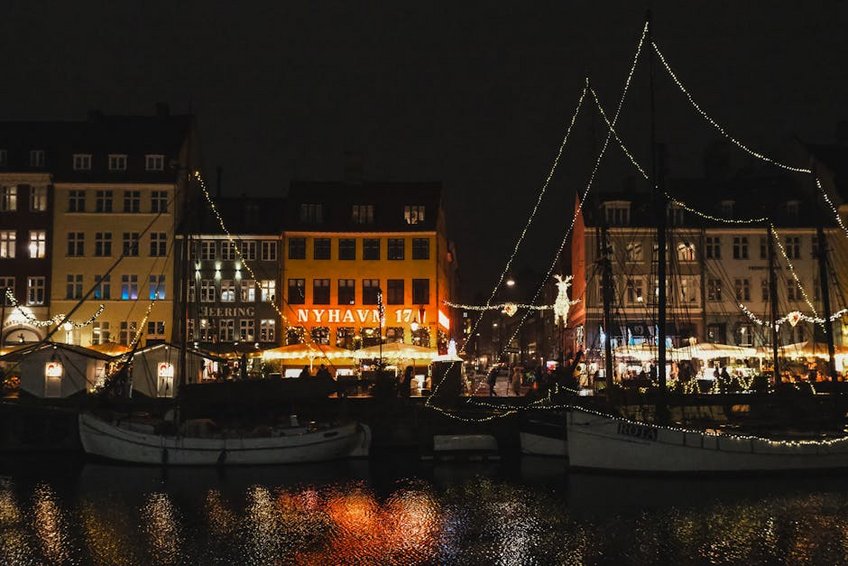
Copenhagen Travel Guide
Your Copenhagen travel guide begins with understanding this Scandinavian capital’s perfect blend of historic charm and contemporary cool. You will navigate a city where 17th-century canals meet Michelin-starred cuisine and where efficient public transport connects colorful harborfront districts to cutting-edge design museums. This essential resource covers everything from navigating the compact city center to experiencing authentic *hygge*, providing the practical details needed for a seamless visit.
Copenhagen’s Essential Cityscape
Copenhagen’s identity is deeply tied to its maritime history and royal heritage, with landmarks like the Christiansborg Palace telling stories of over 800 years of monarchy. The city’s layout is famously flat and bike-friendly, with over 390 kilometers of dedicated cycling lanes that make two-wheeled exploration the local norm. Its five main boroughs each offer distinct character, from the medieval streets of Indre By to the creative, post-industrial vibe of Vesterbro.
As the capital of Denmark, the city functions as the country’s cultural and economic heart, with a population of around 1.3 million in the urban area. English proficiency is exceptionally high, easing communication for international visitors significantly. The Danish concept of *hygge*—creating a warm, cozy atmosphere—permeates cafe culture and daily life, especially during the darker winter months.
Navigating the City’s Layout
Understanding the central districts simplifies your navigation and accommodation choices.
- Indre By (Inner City): The historic core containing Nyhavn, Strøget shopping street, and the Round Tower. Accommodation prices are highest here, but you are within walking distance of major royal and historic sites.
- Vesterbro: A formerly gritty area transformed into Copenhagen’s hippest neighborhood, known for its meatpacking district (Kødbyen) restaurants, vintage shops, and vibrant nightlife. It offers more affordable lodging options just west of the central station.
- Nørrebro: Multicultural and youthful, this area north of the lakes buzzes with ethnic eateries, alternative boutiques, and the Assistens Cemetery. It provides a lively, authentic local experience away from the main tourist track.
- Budget Traveler ($75-120/day): Stay in hostels or budget hotels outside the center, purchase groceries from supermarkets like Netto, use the Copenhagen Card for sightseeing, and cycle or walk everywhere. Focus on free attractions like the Changing of the Guard and exploring Christiania.
- Mid-Range Traveler ($150-250/day): Book a well-reviewed hotel in Vesterbro or Nørrebro, enjoy a mix of casual lunches and one nice dinner daily, use public transport flexibly, and visit 2-3 paid attractions like Rosenborg Castle or a canal boat tour.
- Luxury Traveler ($350+/day): Stay at a design hotel like the Nimb or Hotel d’Angleterre, dine at Michelin-starred restaurants such as Geranium or Alchemist, book private guided tours, and enjoy convenient taxi transfers between destinations.
- Visit Copenhagen Official Tourism Site
- DSB Danish State Railways
- Copenhagen Airport (CPH)
Key Historical and Cultural Context
Founded as a Viking fishing village in the 10th century, Copenhagen officially became Denmark’s capital in the early 15th century. The city’s architecture showcases this long history, from Rosenborg Castle’s Dutch Renaissance style to the ultra-modern Opera House. Major fires in the 18th century led to widespread reconstruction, resulting in the uniform, classical buildings seen in much of the city center today.
Danish design principles of simplicity, functionality, and beauty are visible everywhere, from museum architecture to household goods in shop windows. The city is also a global leader in sustainability, aiming to become carbon-neutral by 2025, with initiatives like extensive cycling infrastructure and clean harbor waters suitable for swimming.
Local Customs and Social Norms
Danes value punctuality, direct communication, and a strong sense of social equality. When greeting, a firm handshake with eye contact is standard, even if Danes may seem reserved at first. The social welfare model fosters a high degree of trust, visible in common practices like leaving baby strollers unattended outside cafes.
Tipping is not a rigid custom, as service charges are included in bills. However, rounding up the bill or leaving 10% for exceptional service in restaurants is appreciated. When using the city’s excellent public transport, remember to always have a valid ticket, as spot checks are frequent and fines are substantial.
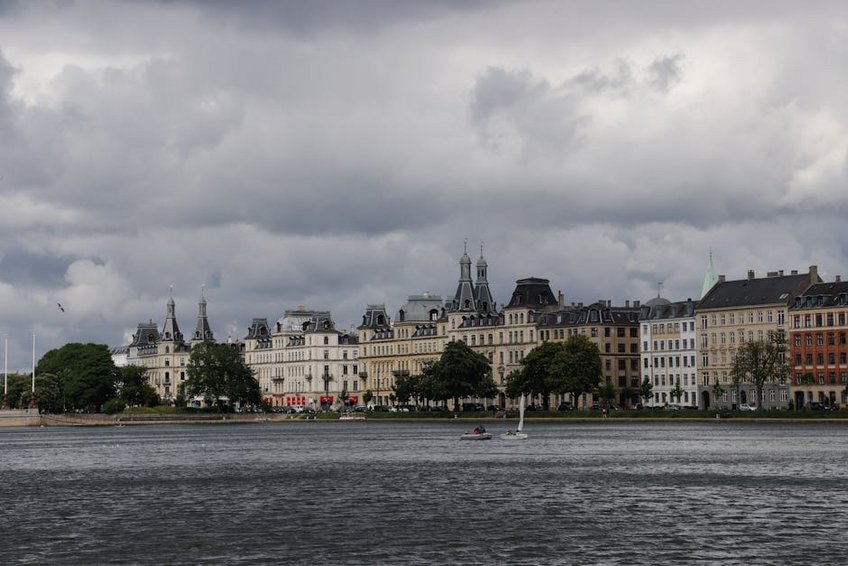
Alt: “nyhavn-copenhagen-colorful-canals-historic-ships-waterfront”
Copenhagen Travel Guide – Planning Your Trip
Effective planning for your Denmark capital visit balances seasonal attractions with practical logistics. The city is a year-round destination, but your experience will vary dramatically between the long, luminous summer days and the short, cozy winter ones. Budgeting realistically is crucial, as Copenhagen ranks among Europe’s more expensive cities, though smart strategies can manage costs.
Your itinerary should mix iconic must-sees with local neighborhood exploration to capture the city’s full spirit. Advance bookings for popular attractions like Tivoli Gardens and sought-after restaurants are highly recommended, especially for weekend or peak-season travel. Purchasing a Copenhagen Card for bundled access to transport and sights can offer significant savings for active sightseers.
Best Time to Visit Copenhagen
The ideal months for a Copenhagen vacation are between May and September, when daylight stretches to 17 hours and average temperatures range from 55°F to 72°F (13°C to 22°C). This period offers outdoor dining, festival energy, and the best conditions for canal tours and cycling. However, this is also peak tourist season, so expect larger crowds and higher prices for flights and hotels, which should be booked at least three months in advance.
Shoulder seasons in April and October provide cooler temps of 41-54°F (5-12°C) and fewer visitors, with the chance to experience the city more like a local. Winter (November-March) is cold, 32-39°F (0-4°C), and dark by mid-afternoon, but it radiates festive charm with Christmas markets and the authentic *hygge* atmosphere in candlelit cafes, often with lower travel costs.
Budget Planning and Costs
Daily costs vary widely based on your travel style. Here is a breakdown by category.
Essential Preparation Checklist
Pack for variable weather with layers, a quality waterproof jacket, and comfortable walking shoes—heels are impractical on cobblestones. A reusable water bottle is useful, as tap water is excellent and free. For electronics, Denmark uses Type C/E plugs (220V), so bring the appropriate adapter, and consider a power bank for long days of navigating with your phone.
Ensure your passport is valid for at least three months beyond your planned departure date from the Schengen Area. U.S. and EU passport holders do not need a visa for tourist stays under 90 days. Purchase comprehensive travel insurance that covers medical emergencies and trip cancellation. Download essential apps: DOT for public transport, Too Good To Go for discounted restaurant food, and Google Maps with offline areas saved.
Top Attractions and Copenhagen Experiences
The city’s appeal lies in its diverse mix of royal history, innovative design, and playful spirit. You can spend a morning touring a Renaissance castle and an afternoon exploring a free-spirited commune. Balancing these contrasts creates a rich and memorable Scandinavian city break. Many top sights are within a compact, walkable area, making it easy to cover significant ground in just a few days.
Beyond the postcard images of Nyhavn, the city rewards those who delve into its distinct neighborhoods and lesser-known museums. Allot time simply to wander, cycle along the harbor, and soak in the atmosphere at a pavement cafe. The Copenhagen Card provides excellent value if you plan to visit multiple paid attractions and use public transport frequently.
Must-See Highlights
Tivoli Gardens is the iconic amusement park and pleasure garden in the city center, offering vintage rides, beautiful gardens, and concert venues. It’s especially magical after dark when thousands of lights illuminate the grounds. Visit on a weekday to avoid the largest crowds; admission starts at 145 DKK ($21), with ride passes extra.
The Little Mermaid statue is a modest but essential bronze sculpture perched on a harbor rock, inspired by Hans Christian Andersen’s fairy tale. Go early in the morning to enjoy the waterfront stroll with fewer tour groups. Combine the visit with a walk to the nearby Kastellet fortress and the Gefion Fountain for a pleasant historical circuit.
Rosenborg Castle is a stunning Dutch Renaissance castle housing the Danish Crown Jewels in its basement vaults. The interior showcases lavish decor from the 17th century. The surrounding King’s Garden is a popular picnic spot. Admission is 125 DKK ($18), or free with the Copenhagen Card.
Hidden Gems and Local Favorites
Christiania (Freetown) is a unique, self-proclaimed autonomous neighborhood with its own rules, colorful DIY houses, and organic eateries. Explore Pusher Street (where photography is prohibited) and relax by the lake. Remember to respect the community’s request for no running and to be mindful as a visitor in a residential area.
Refshaleøen, a former shipyard island, is now a hub for creativity, featuring the street food market Reffen, the avant-garde restaurant Noma, and public swimming baths. It’s best reached by a scenic harbor bus (route 991 or 992) or a 15-minute bike ride from Nyhavn. The area offers fantastic views back toward the city skyline.
Carlsberg Brewery Visitors Centre, located in the original brewery district, offers a fascinating tour of beer history, including stables with the iconic Jutland draft horses. The ticket includes a couple of beer samples. The surrounding area has been redeveloped with modern apartments, making for an interesting architectural contrast.
Design and Architecture Exploration
Denmark’s design legacy is showcased at the Designmuseum Danmark, which houses extensive collections of furniture, ceramics, and industrial design. The Louisiana Museum of Modern Art, a 35-minute train ride north in Humlebæk, is a world-class museum with a stunning seaside sculpture garden. It’s worth a half-day trip for art enthusiasts.
For contemporary architecture, visit the Black Diamond extension of the Royal Library and the twisted spire of the Børsen old stock exchange. Guided architecture tours are available, but a self-guided walk along the harbor from the Opera House to the Sluseholmen canals is equally rewarding. Many design showrooms in the city center are open to the public for browsing.
Practical Travel Information and Logistics
Navigating Copenhagen is remarkably straightforward thanks to its integrated transport system and compact size. Copenhagen Airport (CPH) is a major Scandinavian hub with excellent global connections, located just 15 minutes by metro from the city center. Upon arrival, consider purchasing a City Pass for unlimited travel within your chosen zones for 24-120 hours.
Accommodation spans from luxurious historic hotels to innovative hostels, with strong concentrations in Indre By, Vesterbro, and around the central station. Book accommodations well in advance for summer visits or during major conferences, as the city’s hotel capacity can tighten quickly. Many hotels offer bicycle rentals, which is the most authentic way to travel.
| Accommodation Type | Best Areas & Features | Avg. Price Range/Night (USD) |
|---|---|---|
| Luxury Hotel | Indre By or Nyhavn waterfront. Historic properties with spas, fine dining, and prime locations. | $350 – $700+ |
| Boutique/Design Hotel | Vesterbro or Nørrebro. Modern Danish design, smaller scale, trendy restaurants. | $180 – $350 |
| Mid-Range Hotel | Near Central Station or Østerbro. Reliable chains with good transit links and breakfast included. | $120 – $220 |
| Hostel/Apartment | Vesterbro, Nørrebro, or Islands Brygge. Self-catering options, social atmospheres, best for budgets. | $70 – $140 |