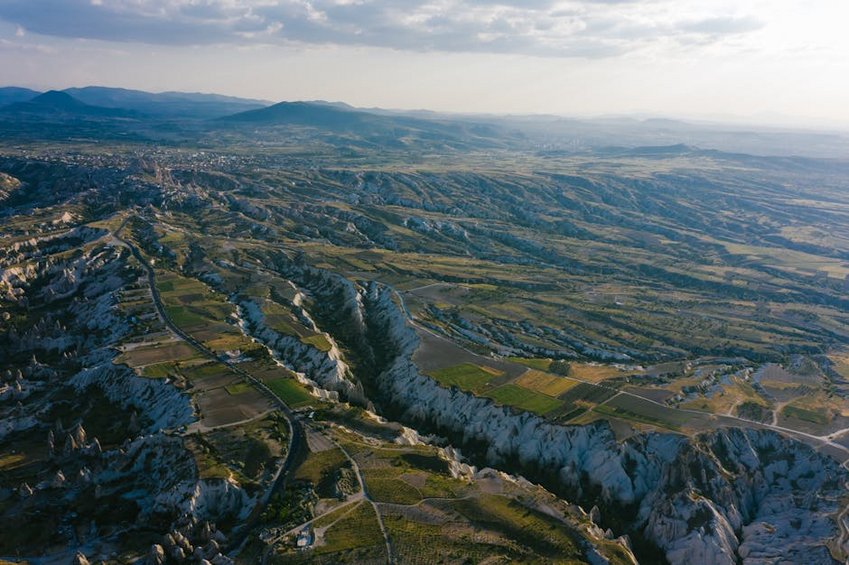
Cool Plateau Holidays in Turkey for Summer Escapes
Cool plateau holidays in Turkey offer a refreshing escape from the intense coastal heat, presenting a side of the country defined by pine forests, alpine meadows, and traditional village life. These Anatolian highlands, ranging from the Kaçkar Mountains to the lakes of Abant, provide ideal summer temperatures between 60-75°F (15-24°C) alongside stunning natural scenery. This guide explores the top Turkish plateau destinations for hiking, culture, and relaxation, complete with practical planning advice for your highland retreat.
Essential Information on Turkey’s Highland Regions
Turkey’s plateaus, locally known as ‘yaylas,’ are elevated pastoral regions historically used for summer grazing. They are scattered across the country, from the Black Sea coast to Central Anatolia, each offering distinct landscapes and microclimates. Visiting these areas supports traditional nomadic cultures and provides access to pristine national parks often overlooked by mainstream tourism.
The infrastructure varies significantly, with some plateaus like Abant being highly developed for tourism, while remote areas in the Kaçkar range offer basic guesthouses. Understanding this spectrum is key to planning an experience that matches your comfort and adventure levels. These destinations are primarily seasonal, with most facilities operating from late May to early October.
What Defines a Turkish Plateau Holiday
Several key characteristics set a highland vacation apart from a typical Turkish beach holiday.
- Elevation and Climate: Ranging from 1,200 to over 3,000 meters (4,000-10,000 ft), these areas are significantly cooler, with crisp mornings and comfortable daytime temperatures even in peak summer.
- Natural Focus: Activities center on hiking through coniferous forests, swimming in crater lakes, wildlife watching, and enjoying panoramic mountain vistas rather than coastal watersports.
- Cultural Immersion: You’ll encounter semi-nomadic communities, traditional wooden architecture, and local festivals like transhumance celebrations marking the movement of livestock to high pastures.
- Budget Traveler ($40-60/day): Staying in basic guesthouses with shared bathrooms, using public dolmuş transport, and eating most meals at local lokantas or self-catering. Focus on plateaus near towns like Yedigöller or more established areas with affordable pansiyons.
- Mid-Range Traveler ($80-150/day): Comfortable boutique hotels or well-appointed guesthouses with private facilities, a rental car for flexibility, and dining at a mix of pension meals and good regional restaurants. This budget suits most visitors to areas like Abant or Ayder.
- Luxury Traveler ($200+/day): Staying at high-end mountain resorts or exclusive boutique lodges with spa facilities, private guided hiking or 4×4 tours, and fine dining experiences. Available in developed areas like Uludağ or certain premium lodges in the Kaçkar region.
- GoTürkiye Official Tourism Portal
- Lonely Planet Turkey Travel Guide
Key Regions and Their Characters
The Black Sea region, particularly around Rize and Artvin, features lush, rain-fed plateaus like Ayder and Pokut, famous for their wooden chalets and proximity to trekking routes. Central Anatolia offers more arid, dramatic landscapes in places like the Sultan Sazlığı wetlands near Erciyes or the volcanic rock formations of Cappadocia’s higher grounds.
Western Turkey near the Sea of Marmara is home to accessible highlands like Uludağ, a popular ski resort that transforms into a hiking destination, and the forested lake district of Abant. Each region requires different preparation, especially regarding transportation, as public bus routes to remote yaylas can be infrequent.
Historical and Cultural Context
The tradition of migrating to summer pastures dates back thousands of years in Anatolia. This practice shaped unique cultural elements, including distinct music, handicrafts like wool weaving, and a cuisine based on dairy products and wild herbs. Many plateaus host annual festivals where you can witness traditional dances, sports like oil wrestling, and the communal spirit of highland life.
Staying in a family-run pension or ‘pansiyon’ on a plateau provides direct insight into this enduring way of life. It’s a chance to experience legendary Turkish hospitality in a setting far removed from the all-inclusive resorts of the Mediterranean coast.
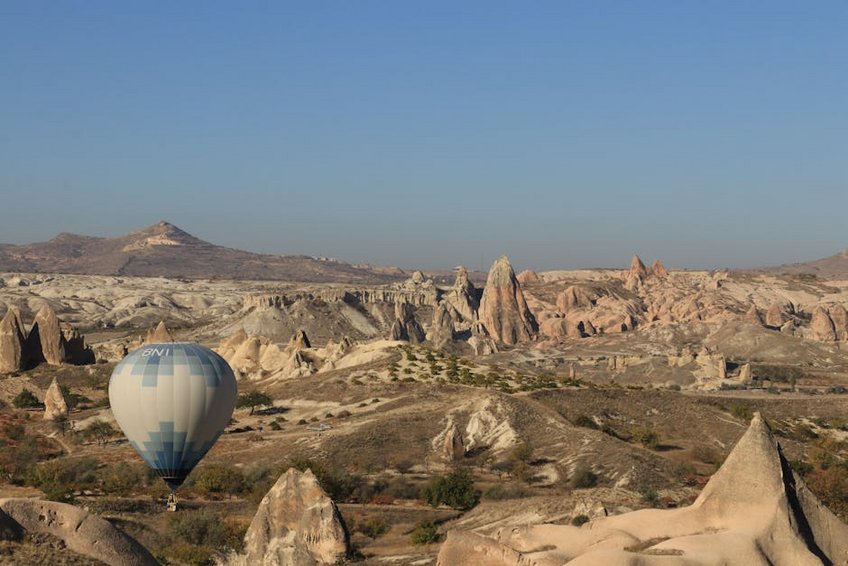
Alt: “ayder-plateau-trabzon-black-sea-mountain-homestay”
Cool Plateau Holidays in Turkey – Planning Your Trip
Successfully organizing a highland escape requires attention to seasonality, access, and packing. The core season for cool plateau holidays in Turkey runs from June to September, but timing within this window affects crowd levels and weather patterns. Early June often sees lush wildflowers, while late September offers spectacular autumn foliage and fewer visitors.
Renting a car provides the most flexibility for exploring multiple plateaus, as public minibus (‘dolmuş’) services are often limited to once or twice daily from regional hubs like Trabzon or Bolu. Booking accommodations in advance is crucial for July and August, especially for popular destinations with limited lodging options. Always confirm road conditions if traveling to very remote areas.
Best Time to Visit the Turkish Highlands
Visit between mid-June and mid-September for the most reliable access and open facilities, with July and August being the warmest peak months. Daytime highs average 68-75°F (20-24°C) at mid-elevations, while nights can drop to 50-55°F (10-13°C), requiring a light jacket. This is also when local festivals and full pastoral activity are most likely.
Shoulder seasons in late May/early June and late September offer solitude and lower prices, but some guesthouses and restaurants may be closed. Weather becomes more unpredictable, with a higher chance of rain or even late spring snow at higher altitudes. Always check regional forecasts and confirm that your chosen accommodation is operational.
Budget Planning and Costs
A daily budget for a plateau holiday can vary widely based on your travel style and destination remoteness.
Essential Preparation Checklist
Packing requires a focus on changeable mountain weather. Essentials include sturdy hiking shoes or boots, layered clothing (moisture-wicking base, fleece, waterproof shell), a sun hat and strong sunscreen, a reusable water bottle, and a basic first-aid kit. Don’t forget a power adapter for Turkey’s Type F sockets (220V) and a portable power bank for areas with unreliable electricity.
For documentation, ensure your passport is valid for six months beyond your entry date. US, UK, EU, and Canadian passport holders need an e-Visa for Turkey, easily obtained online before travel. Purchase comprehensive travel insurance that covers emergency medical evacuation from remote areas and potential hiking incidents.
Top Plateau Destinations and Activities
The Turkish highlands offer incredible diversity, from the misty, tea-growing plateaus of the northeast to the volcanic landscapes of the interior. Each area provides a unique backdrop for outdoor adventures and cultural encounters. Prioritizing your interests—be it challenging trekking, photography, or pure relaxation—will help narrow down the perfect location.
Accessibility varies greatly. Places like Abant are a straightforward drive from Istanbul, while reaching the deeper Kaçkar plateaus involves longer journeys on winding mountain roads. Combining two plateaus in one trip is a fantastic way to experience contrasting environments, such as pairing the lushness of Ayder with the stark beauty of Cappadocia’s higher valleys.
Must-See Highland Highlights
Ayder Plateau, Rize: The most famous Black Sea plateau, renowned for its hot springs, waterfalls, and traditional wooden architecture. It serves as a gateway to treks in the Kaçkar Mountains National Park. Visit early in the morning to see the mist lift from the valley before day-trippers arrive.
Abant and Yedigöller, Bolu: A easily accessible lake district near Istanbul, perfect for family holidays. Abant features a picturesque lake encircled by a walking path, while Yedigöller (“Seven Lakes”) National Park is a hiker’s paradise with well-marked trails between its glacial lakes. Entry to the national park costs around $2 USD per person.
Uzundere and Tortum, Erzurum: Home to some of Turkey’s most spectacular waterfalls, including the powerful Tortum Şelalesi. The surrounding highlands offer dramatic canyon scenery and historic Georgian churches, providing a blend of natural and cultural sights often missed by tourists.
Hidden Gems and Local Favorites
Pokut and Sal Plateaus: For a more authentic alternative to Ayder, visit these neighboring plateaus. They offer similar stunning vistas of the Kaçkar range but with significantly fewer visitors. Accommodation is in simple family homes, providing an intimate look at pastoral life. Reaching them requires a car and a willingness to navigate unpaved tracks.
Sultan Sazlığı National Park, Kayseri: A vast wetland and steppe ecosystem at the foot of Mount Erciyes. This is a premier birdwatching destination, attracting flamingos, cranes, and hundreds of other species. Stay in nearby villages and explore by bicycle or on guided boat tours through the reeds, a completely different highland experience.
Hiking and Trekking Adventures
The Kaçkar Mountains offer Turkey’s premier multi-day trekking, with routes connecting various plateaus. The trans-Kaçkar trek from Ayder to the Barhal Valley typically takes 4-7 days and requires a guide for navigation and logistics. Shorter, well-marked day hikes are abundant around almost every plateau.
For less strenuous walks, the Lake Abant circuit is a flat, 7-kilometer (4.3-mile) path suitable for all ages. Always carry water, snacks, a map, and inform your accommodation of your planned route and return time, especially when venturing into more remote trail networks.
Practical Travel Information for the Highlands
Navigating Turkey’s plateau regions involves a mix of planned and flexible travel. While major destinations are well-connected, the charm often lies in more secluded areas requiring independent transport. Accommodation ranges from rustic village houses to full-service resorts, with pricing heavily influenced by location and amenities.
Booking platforms like Booking.com list many established guesthouses, but for the most remote pansiyons, you may need to book directly via phone or social media with the help of a Turkish-speaking friend or your hotel in a nearby city. Cash (Turkish Lira) is essential in remote areas, as credit card machines are uncommon.
| Accommodation Type | Description & Features | Average Price Range/Night (USD) |
|---|---|---|
| Village Pansiyon | Basic family-run guesthouse, shared bathroom, includes homemade breakfast and dinner. | $25 – $40 |
| Boutique Plateau Hotel | Converted traditional house, private facilities, fireplace, terrace views, regional cuisine. | $60 – $120 |
| Mountain Resort | Full-service hotel with spa, restaurant, guided activity desk, often near a lake. | $130 – $250 |
| Self-Catering Cabin | Independent wooden cottage with kitchenette, located in a national park or forest. | $70 – $150 |