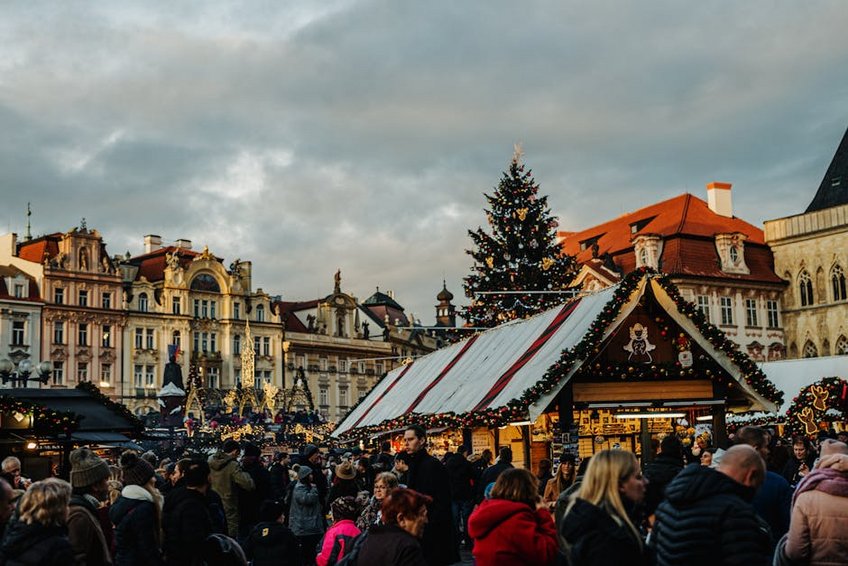
Christmas Holiday Routes in Europe
Embarking on a Christmas holiday route in Europe transforms the festive season into a magical journey across historic cities and snowy landscapes. You’ll experience authentic German Christmas markets, Alpine villages dusted with snow, and the grand holiday illuminations of iconic capitals, all within one carefully planned trip. This guide provides detailed itineraries, practical budgeting tips, and cultural insights to help you design your perfect European Christmas adventure, from the first mug of glühwein to the final silent night.
Essential European Christmas Travel Information
European Christmas travel revolves around distinct regional traditions and specific festive calendars. The season officially begins with Advent, four Sundays before December 25th, when markets open and cities start their decorations. Most major markets operate from late November until December 23rd or 24th, while some, especially in Germany and Austria, may open briefly after Christmas for New Year’s.
Understanding this timing is crucial for planning your route, as accommodations book months in advance for peak weekends. The weather varies dramatically, from mild, rainy climates in Western Europe to freezing, snowy conditions in Alpine and Scandinavian regions, requiring versatile packing. Visa requirements depend on your route; the Schengen Area allows 90 days of visa-free travel for US and UK passport holders across most continental destinations.
Defining the Classic Christmas Route
A classic festive tour connects major market cities via efficient train or road networks.
- The German Circuit: Typically includes Frankfurt (for arrival), Nuremberg (for its historic Christkindlesmarkt), Rothenburg ob der Tauber (for medieval charm), and Munich (for Bavarian tradition). Travel by train takes 7-10 days comfortably.
- The Alpine Triangle: Focuses on Innsbruck (Austria), Zurich (Switzerland), and Strasbourg (France/Alsace). This route highlights mountain scenery and is best experienced with a rental car for 8-12 days to access remote villages.
- The Capital Cities Tour: Connects London, Paris, and Brussels via high-speed Eurostar train. This is ideal for a shorter 5-7 day trip focusing on urban light displays and department store windows.
- Budget Traveler ($1,200-$1,800 for 7 days): Stay in hostels or budget hotel chains outside city centers, use regional trains or buses, and focus on free attractions like market browsing and cathedral visits. Eat street food from market stalls (sausages, crepes) and book a single guided walking tour as a splurge.
- Mid-Range Explorer ($2,500-$3,500 for 10 days): This includes centrally-located 3-4 star hotels, standard class on high-speed trains between cities, a mix of market dining and casual restaurant meals, and pre-booked entry to popular attractions like Vienna’s Schönbrunn Palace Christmas market.
- Luxury Experience ($5,000+ per person for 10 days): Features 5-star hotels or luxury Christmas river cruises on the Danube, first-class rail travel, gourmet dining reservations, and private guided tours of markets after hours. This tier often includes unique experiences like a private Christmas cookie baking class in Salzburg.
- German National Tourist Board – Christmas
- European Christmas Markets Resource
- Rail Europe Travel Planning
Key Festive Dates and Closures
Your itinerary must account for national holidays when transportation slows and attractions close. December 24th (Christmas Eve) is a major holiday; most shops and markets close by early afternoon, and public transport operates on a Sunday schedule. December 25th and 26th are public holidays across nearly all European countries, meaning almost everything is closed, including supermarkets and many restaurants.
Planning for these days is essential—consider them as travel or quiet hotel days. Conversely, December 6th (St. Nicholas Day) and December 31st (New Year’s Eve) are lively, with special events and extended market hours in many towns. Always verify local schedules for specific cities on your chosen Christmas holiday routes.
Cultural Traditions by Region
Beyond the markets, each region offers unique customs. In Germany and Austria, the Christkind (Christ Child) traditionally brings gifts, and visitors will see this figure opening markets. In the UK, pantomime theatre and Christmas cracker pulls are integral to the celebration. Southern European countries like Italy and Spain focus more on religious celebrations, such as Naples’ elaborate nativity scenes (Presepi) and Spain’s “El Gordo” lottery draw on December 22nd.
Recognizing these traditions enriches your journey. In Scandinavia, St. Lucia Day on December 13th features processions of girls in white gowns with candle crowns, a beautiful spectacle in cities like Stockholm and Copenhagen. Integrating these observations into your route plan provides a deeper, more authentic festive experience.

Alt: “christmas-market-europe-frankfurt-square-nightlights-holiday”
Christmas Holiday Routes in Europe – Planning Your Trip
Crafting your European Christmas tour requires balancing dream destinations with logistical reality. Start by selecting a geographic cluster—like the Danube region or the Benelux countries—to minimize travel time and maximize immersion. You should book inter-city train tickets at least three months in advance for the best fares on routes like Paris to Strasbourg or Vienna to Salzburg.
Accommodation is the primary cost driver; prices in city centers near major markets can double during the first two weekends of Advent. For a 10-day trip spanning three countries, a mid-range budget of $2,500-$3,500 per person is realistic, covering hotels, rail travel, food, and activities. Your focus should be on experiencing the atmosphere, not ticking off every market, so build in leisurely evenings to wander without a strict schedule.
Best Time to Visit for Christmas Markets
Visit European Christmas markets between the last week of November and December 20th for the ideal balance of festive spirit and manageable crowds. The first Advent weekend (around December 1st) sees grand opening ceremonies but also the highest hotel prices and weekend crowds. Early December (December 3rd-10th) is often the sweet spot, with all decorations fully installed and a slightly calmer, more local atmosphere on weekdays.
Avoid the final weekend before Christmas (December 21st-23rd) if you dislike intense crowds, as this is when locals complete their gift shopping. Temperatures during this period typically range from 25°F to 45°F (-4°C to 7°C), requiring warm, layered clothing. For a unique experience, some markets in cities like Cologne and Dresden open for a few days after Christmas, offering a quieter, post-holiday vibe.
Budget Planning and Costs
Your budget varies significantly based on travel style and destinations.
Essential Preparation Checklist
Packing correctly is non-negotiable for comfort. Essentials include waterproof, insulated boots with good grip for icy cobblestones, thermal base layers, a warm coat, gloves, a hat, and a scarf. Pack a reusable insulated mug for market drinks—many vendors offer a discount (Pfand) when you reuse their mug or use your own, saving money and reducing waste.
Ensure your passport is valid for at least six months beyond your return date. Purchase comprehensive travel insurance that covers winter weather disruptions. Book all inter-city train tickets and major hotel stays at least 90 days in advance, as prices soar and availability disappears closer to Christmas. Download offline maps and transportation apps like DB Navigator (Germany) or SBB (Switzerland) for seamless navigation.
Top Festive Destinations and Itineraries
Europe offers a tapestry of Christmas experiences, from the world’s oldest markets to breathtaking light festivals. Concentrating your route on a specific theme, such as historic markets, Alpine scenery, or capital city lights, creates a more cohesive journey. Each major destination deserves at least two full days to appreciate its daytime attractions and magical evening atmosphere when the lights twinkle and carols fill the air.
Combining cities with efficient rail links maximizes your time. For instance, the high-speed ICE train connects Cologne to Frankfurt in just over an hour, while the Eurostar whisks you from London to Brussels in under two hours. Always schedule arrival in a new city by mid-afternoon, allowing time to check in and head directly to a market as darkness falls—the prime time for festive ambiance.
Must-See Christmas Market Highlights
Certain markets are iconic for good reason. Nuremberg’s Christkindlesmarkt, dating back to 1628, is famous for its handmade prune figurines (Zwetschgenmännle) and the opening proclamation by the Christkind. Entry is free, and it’s best visited on a weekday morning to avoid the intense crowds. Vienna’s Christmas Dream at Rathausplatz features a gigantic Advent calendar on the city hall and an enchanting ice-skating path; pre-book skate rentals online.
Strasbourg, self-proclaimed “Capital of Christmas,” hosts a market spread across several central squares with a towering, decorated Christmas tree at Place Kléber. Visit the themed “Village of Sharing” for artisan goods. For a fairytale setting, the market before Prague’s Gothic Týn Church is unforgettable, though very busy; go early in the day for photos and return later for the atmosphere with hot medovina (mead).
Hidden Gems and Local Favorites
Venturing beyond the famous names rewards with authentic charm. Tallinn, Estonia, boasts a market in its medieval Old Town Square, with traditions dating to 1441, and generally lower prices than Western Europe. Colmar, France, in the Alsace region, is a storybook town where multiple small markets weave through its canals and half-timbered districts, creating a more intimate feel than nearby Strasbourg.
In Austria, consider the market in Graz or the breathtaking “Christmas in the Mountains” setting of Innsbruck’s Marktplatz, framed by the Nordkette mountain range. These secondary cities offer equally beautiful decor and traditions with significantly fewer tourists, allowing for a more relaxed pace and better interaction with local vendors. For more details on these Alpine gems, read our specific guide to Alpine Christmas villages.
Specialty Routes for Food and Crafts
Design a route focused on culinary traditions or artisan shopping. A “Sweet Christmas” route could include Basel (for Läckerli spice cookies), Nuremberg (for gingerbread), and Aachen (for delicious printen). An “Artisan Craft” route might link Český Krumlov (for handmade ornaments), Rothenburg ob der Tauber (for its famed Käthe Wohlfahrt Christmas store), and Brussels (for lace and tapestry).
These themed journeys provide a connecting thread and deeper purpose to your travels. They encourage visits to smaller workshops and family-run stalls, offering a more meaningful connection to the local culture. Planning such a route requires a bit more research but results in a uniquely personal and memorable holiday travel experience.
Practical Travel and Logistics
Navigating Europe during the festive season requires smart logistics. While trains are efficient and scenic, major stations like Frankfurt Hauptbahnhof or Paris Gare de l’Est can be overwhelmingly crowded on weekends. Booking reserved seats on long-distance trains is highly recommended, often costing an extra $10-$20 but guaranteeing you a spot with your luggage.
Accommodation strategy is key. Staying within a 15-minute walk of the main train station and the primary Christmas market saves time and tired feet. Consider apartment rentals if traveling as a family or group, as they provide kitchen facilities—useful for preparing simple breakfasts or snacks, offsetting food costs. Always confirm check-in times, as arriving before your room is ready can leave you stranded with bags in a busy city.
| Transportation Method | Best For / Features | Price Range (USD) |
|---|---|---|
| Eurail Global Pass | Flexible multi-country trips; requires advance purchase and seat reservations on high-speed trains. | $350-$600 (4-7 days) |
| Point-to-Point Train Tickets | Fixed itinerary; often cheapest when booked 90+ days ahead on national rail sites. | $30-$150 per leg |
| Regional Rental Car | Alpine or countryside routes; offers freedom but requires parking fees and winter tire knowledge. | $50-$120 per day |
| Intercity Buses (FlixBus) | Budget travel between major hubs; longer travel times but reliable. | $15-$60 per leg |