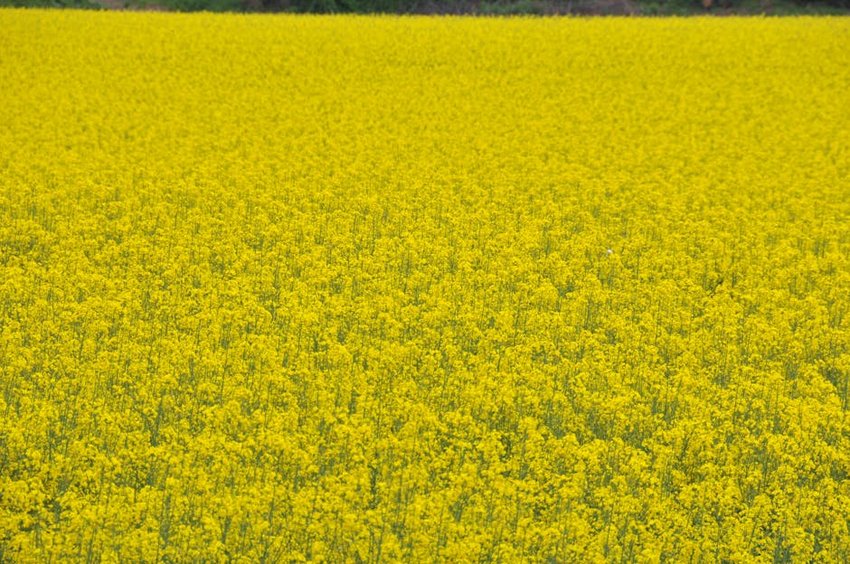
China Yunnan Rapeseed Golden Fields: A Springtime Photography Wonderland
Vast seas of brilliant yellow rapeseed flowers transform Yunnan’s terraced landscapes into a breathtaking natural spectacle each spring. This annual bloom, centered around Luoping County, creates a vibrant tapestry against karst limestone peaks and traditional villages, offering one of Asia’s most photogenic seasonal events. Planning your visit to the China Yunnan rapeseed golden fields requires precise timing, knowledge of the best viewing locations, and an understanding of local travel logistics for a seamless experience.
Essential Information on the Yunnan Bloom
The rapeseed flower phenomenon in Yunnan Province is an agricultural and cultural event of immense scale. Farmers plant these crops primarily for their oil-producing seeds, but the resulting three-month floral display has become a major tourist attraction. The blooms create a stunning visual contrast with the region’s unique red soil and dramatic geological formations.
This spectacle is deeply tied to the Lunar New Year and spring planting cycles of local ethnic groups like the Yi, Hui, and Miao people. Visiting during the peak bloom allows you to witness not just the flowers, but also traditional rural life continuing amidst this golden backdrop. The experience combines natural beauty with authentic cultural immersion in Southwest China.
The Science and Scale of the Bloom
Understanding the agricultural cycle enhances appreciation for the landscape.
- Rapeseed, or *Brassica napus*, is planted in late autumn after the rice harvest, with flowers blooming from February through April depending on elevation and weather patterns.
- The cultivation covers approximately 600,000 *mu* (around 40,000 hectares) in Luoping County alone, creating one of the world’s largest contiguous flower seas.
- Local varieties are selected for their vibrant color and timing, creating a staggered blooming effect across different valleys and terraces throughout the season.
- Budget travelers can manage on $45-$65 per day by staying in guesthouses, using public buses between sites, and eating at local noodle shops. Focus on free viewing areas like Jinji Peak and avoid guided tours.
- Mid-range visitors spending $100-$150 daily enjoy private rooms, hired car transfers between key photography points, and meals at better local restaurants. This tier provides the best balance of comfort and access.
- A luxury experience at $250+ per day includes stays at the best available hotels, a private car with driver/guide, and curated photography tours at sunrise and sunset. This maximizes shooting opportunities at optimal light.
- Yunnan Provincial Government News
- Lonely Planet Yunnan Travel Guide
Historical and Cultural Context
This landscape is not a designed tourist attraction but a working agricultural region. For centuries, local farmers have cultivated these valleys, with the floral boom becoming internationally recognized only in the last two decades through photography and social media. The area remains primarily focused on oil production, with tourism providing a valuable secondary income for rural communities.
Festivals like the Luoping Rapeseed Flower Tourism Festival celebrate the harvest and include ethnic singing, bullfighting exhibitions, and traditional dance. Your visit directly supports these local economies, making it a form of sustainable cultural tourism. Respectful observation of daily farming activities is part of the authentic experience.
Regional Geography and Climate
Yunnan’s unique topography creates perfect conditions for this display. The eastern part of the province, particularly Qujing Prefecture where Luoping is located, features a plateau basin climate with abundant winter sunlight. Temperatures during bloom season range from 46°F to 68°F (8°C to 20°C) during the day, with cool mornings ideal for photography mist.
The karst formations, similar to those in Guilin but less visited internationally, rise abruptly from the flower-covered plains. This combination of geological wonder and seasonal color is what makes the scenery so uniquely photogenic. Microclimates in different valleys mean the peak bloom time can vary by one to two weeks across the region.
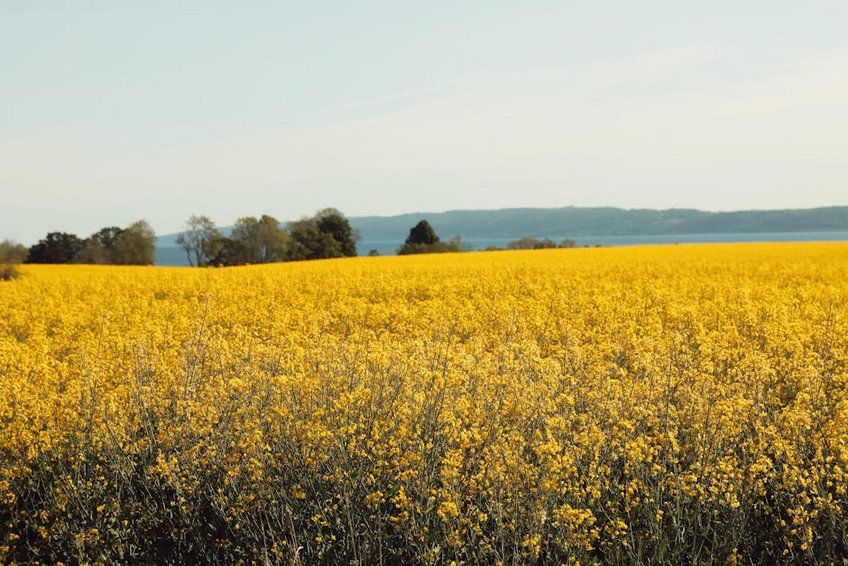
Alt: “luoping-county-rapeseed-fields-karst-mountains-spring-sunrise”
China Yunnan Rapeseed Golden Fields – Planning Your Trip
Successful travel to this remote region hinges on accurate timing and logistical preparation. The bloom period is relatively short and highly weather-dependent, requiring flexible planning. You will need to arrange transportation between dispersed viewing points and book accommodations well in advance, especially if visiting during Chinese holiday periods.
Focus your itinerary on Luoping County as the epicenter, with possible extensions to nearby Yuanyang Rice Terraces which may have overlapping blooms. Allocate a minimum of three full days to account for variable weather and travel time between the best panoramic spots. This planning ensures you capture the essence of the golden fields without feeling rushed.
Best Time to Visit the Golden Fields
The optimal viewing window typically falls between late February and mid-March, with the absolute peak often occurring in early March. During this period, temperatures average 52°F to 64°F (11°C to 18°C) with lower rainfall probability. The flowers are at their most vibrant yellow before seed pods begin to form in late March.
Shoulder seasons in late February or late March offer fewer crowds and better accommodation availability, with flowers still impressive. Avoid the Chinese New Year holiday (dates vary January-February) and the first week of March, when domestic tourist numbers surge dramatically. Check local agricultural reports for bloom predictions before finalizing dates.
Budget Planning and Costs
A trip focused on the floral landscapes can suit various budgets, with costs centered on transportation and timing.
Essential Preparation Checklist
Pack for changeable spring weather with layered clothing, including a warm jacket for early mornings and rain protection. Essential photography gear includes a wide-angle lens for landscapes, a polarizing filter to reduce glare from the bright yellow petals, and sturdy tripod for sunrise shots. Comfortable walking shoes are mandatory for exploring terraced paths.
International travelers require a valid Chinese visa arranged before arrival. Book flights into Kunming Changshui International Airport (KMG), the closest major hub. Reserve your Luoping accommodation at least two months in advance for peak season, using platforms like Trip.com which cater to foreign visitors. Purchase travel insurance covering rural medical evacuation.
Top Photography Locations and Viewpoints
While the flowers blanket the region, specific vantage points offer the most dramatic compositions. Elevation is your friend for capturing the scale of the bloom against the karst formations. Sunrise and sunset provide the most favorable light, transforming the yellow fields into golden seas under the soft, directional glow.
Local photographers prize the early morning mist that often settles in the valleys, adding atmospheric depth to images. Be prepared to arrive at locations well before dawn to secure a good position, as prime spots fill quickly during peak season. Respect private farmland by staying on designated paths and viewing platforms.
Must-See Highlights and Vantage Points
Jinji Peak (Golden Rooster Peak) is the undisputed premier location, offering a 360-degree panorama of endless yellow fields punctuated by solitary karst hills. The view from the summit, accessible via a staircase, is particularly stunning at sunrise. Arrive by 6:00 AM to claim a spot along the railing.
Duoyi River provides a different perspective, with vibrant flowers lining the riverbanks and traditional wooden waterwheels adding cultural elements to your composition. The nearby Jiulong Waterfall Group is spectacular when surrounded by blooms in March. These sites require separate entrance fees of approximately $7-$10 USD each.
Banshan Valley features winding roads perfect for drone photography, showcasing the geometric patterns of terraced fields. The nearby village of Xiadahe offers homestay opportunities and intimate scenes of rural life amidst the flowers. Each location presents a unique aspect of the regional landscape worth capturing.
Hidden Gems and Local Favorites
For fewer crowds, venture to Niujie Village where locals are more accustomed to photographers and the fields feel less commercialized. The road between Luoping and Zhengxing County passes through uninterrupted seas of yellow with spontaneous viewpoints not marked on tourist maps. Ask your hotel for directions to these lesser-known areas.
Local farmers sometimes allow respectful visitors to walk along specific field paths for a small fee (around $2-$3), providing ground-level immersion. The early morning market in Luoping town, operating amidst the blooming outskirts, offers vibrant cultural shots combining commerce with natural beauty. These authentic experiences often yield the most memorable photographs.
Photography Tour Options
Specialized photography tours, often led by experienced local shooters, provide access to private viewpoints and expert guidance on light conditions. These groups typically visit locations at optimal times, bypassing the largest tourist crowds. Tours range from day trips ($80-$120) from Kunming to multi-day workshops ($500-$800) including accommodation and transport.
Independent photographers can hire a local driver for the day ($50-$80) who knows the best sunrise spots and can navigate back roads. This flexibility allows you to chase the best light and revisit locations under different conditions. Always confirm your driver understands your photography goals before departure.
Practical Travel and Logistics Information
Reaching this rural region requires a strategic approach to transportation. Most international visitors fly into Kunming, the provincial capital, before undertaking the overland journey to the flower fields. While infrastructure has improved, this remains a destination requiring patience and adaptability in your travel plans.
Accommodation ranges from basic guesthouses to comfortable hotels, though international luxury chains are absent. Booking early is critical, especially for properties with verified good reviews on English-language platforms. Dining is predominantly local Chinese cuisine, with limited Western options available outside major hotels.
| Category | Options/Features | Price Range (USD) |
|---|---|---|
| Transport from Kunming | High-speed train to Qujing (1hr), then bus; private car charter; organized tour bus | $15-$150 |
| Luoping Accommodation | Basic guesthouse; mid-range hotel like Landison; local homestay with meals | $25-$120/night |
| Local Transportation | Public bus between sites; electric bike rental; hired car with driver for day | $5-$80/day |
| Entrance Fees | Jinji Peak ticket; Duoyi River scenic area; Jiulong Waterfalls combo ticket | $7-$25 total |