Canakkale Travel Guide: Gateway to Ancient Troy and Gallipoli
Canakkale is a vibrant city on the Turkish coast where ancient history, poignant memorials, and contemporary Turkish life converge. Your Canakkale travel guide must navigate layers of time, from the legendary ruins of Troy to the solemn battlefields of Gallipoli. This comprehensive overview helps you plan an efficient trip balancing profound historical sites with the charming atmosphere of a bustling port town.
Essential Information About Canakkale
Canakkale is the primary urban center of Çanakkale Province in northwestern Turkey. It is strategically positioned on the southern coast of the Dardanelles Strait, the vital waterway connecting the Aegean and Marmara Seas. The city serves as the main access point for two of Turkey’s most significant historical sites.
The region’s history spans millennia, famously as the setting for Homer’s Iliad and the Trojan War. More recently, it was the stage for the 1915 Gallipoli Campaign during World War I. Today, the city balances its role as a university town with its importance as a major tourism hub.
Key Historical Significance
Understanding the dual historical weight of this area is crucial for any visit.
- The archaeological site of Troy, a UNESCO World Heritage Site, reveals 4,000 years of history across nine city layers, including a replica of the famous wooden horse.
- The Gallipoli Peninsula (Gelibolu) Historical National Park commemorates the 1915 land campaign with numerous cemeteries, memorials, and preserved trenches from the Allied and Ottoman forces.
- Canakkale city itself features the 15th-century Cimenlik Castle, built by Sultan Mehmet II, which now houses a military museum dedicated to the naval history of the Dardanelles.
- Budget travelers can manage on $40-60 USD per day by staying in hostels, using public ferries and buses, eating at local kebab restaurants (lokantas), and visiting some sites independently.
- Mid-range visitors spending $80-120 USD daily will enjoy comfortable hotels, joint guided tours to Gallipoli and Troy, nicer restaurant meals, and occasional taxi rides for convenience.
- A luxury experience at $150+ USD per day includes boutique waterfront hotels, private guided tours with expert historians, fine dining, and private vehicle transfers throughout the region.
- Canakkale Metropolitan Municipality Official Site
- Lonely Planet Canakkale Travel Guide
Geographic and Cultural Context
The Dardanelles region is a cultural crossroads. Its climate is typically Mediterranean, with hot, dry summers and mild, wet winters. The local economy is driven by tourism, agriculture, and the university, creating a dynamic blend of traditional and modern lifestyles.
Ferries constantly cross the strait to the European side (Eceabat), making the city a literal bridge between continents. This constant movement gives Canakkale a lively, transient energy, especially around the waterfront promenade.
Visitor Demographics and Experience
This destination attracts diverse travelers. History enthusiasts and school groups visit for Troy and Gallipoli. Domestic tourists enjoy the city’s cafes and coastal vibe. International travelers often include it as a key stop on a broader Turkish itinerary. The experience is more educational and reflective than centered on beach resorts or nightlife.
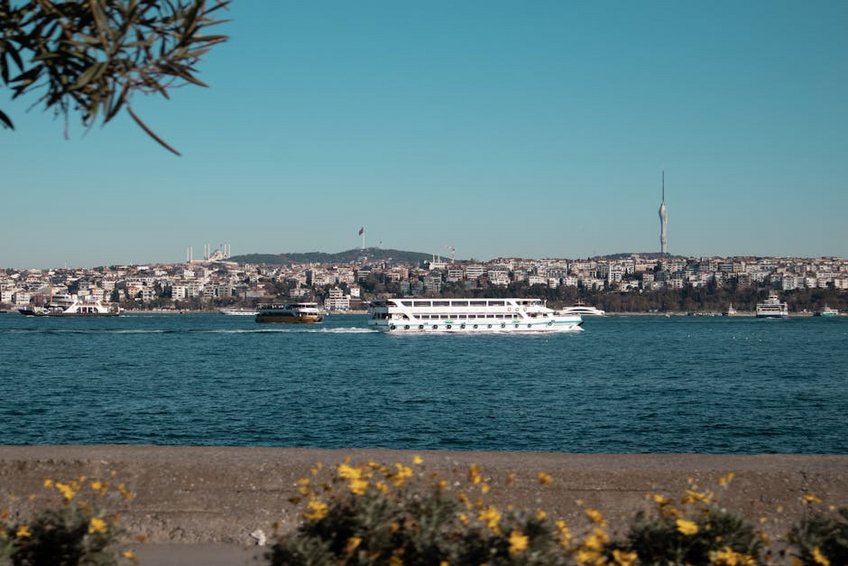
Alt: “canakkale-waterfront-promenade-wooden-trojan-horse-view”
Planning Your Canakkale Travel Guide
Organizing a trip to this historic region requires careful timing and logistical planning. The most efficient visits use Canakkale city as a base for exploring both the Gallipoli Peninsula and the Troy archaeological site. You should allocate a minimum of two full days to cover the primary attractions without rushing.
A successful Canakkale travel guide prioritizes advance bookings for guided tours, especially during peak seasons. This ensures access to knowledgeable guides who provide essential context at the battlefields and ruins. Independent exploration is possible but less informative given the sites’ historical complexity.
Best Time to Visit Canakkale
The ideal months for a visit are April-May and September-October. During these shoulder seasons, daytime temperatures range from a pleasant 65-75°F (18-24°C), and crowds are manageable. The spring months bring green landscapes, while autumn offers comfortable hiking conditions.
July and August see peak heat, with temperatures often exceeding 86°F (30°C), and significant crowds at Troy. Winter (November-March) is cool and rainy, with temperatures between 40-55°F (4-13°C); some ferry services may be reduced, but you’ll experience the sites in solitude.
Budget Planning and Costs
A daily budget can vary significantly based on your travel style.
Essential Preparation Checklist
Pack for variable weather, even in summer. Include sturdy walking shoes for archaeological sites, a sun hat, sunglasses, and a reusable water bottle. A light jacket or sweater is essential for cool breezes off the strait, especially during evening ferry crossings.
Ensure your passport is valid for travel to Turkey. Most Western nationals can obtain an e-Visa online prior to arrival. Purchase comprehensive travel insurance that covers any potential ferry delays. Book your Gallipoli tour at least a week in advance during high season.
Top Attractions and Historical Sites
The primary draw of the Dardanelles region is its unparalleled historical tapestry. You can literally walk from Greek and Roman ruins to World War I battlefields within a single day. This unique concentration of history from different eras is what makes the area so compelling for visitors.
Beyond the major sites, the city center offers its own attractions. The Canakkale Naval Museum, housed in the old castle, provides crucial context on the strategic importance of the straits. The Trojan Horse replica on the waterfront is a popular photo spot and a tangible link to the ancient myth.
Must-See Highlights: Troy and Gallipoli
Troy Archaeological Site requires at least two hours. Hire the audio guide or a licensed guide to understand the different settlement layers. The wooden horse model at the entrance offers fun photo opportunities, but the real awe comes from standing within the ancient city walls.
The Gallipoli Peninsula demands a full day. Key stops include ANZAC Cove, Lone Pine Cemetery (Australian), and Chunuk Bair (New Zealand). The Turkish memorials at Mehmetcik Abide and the 57th Regiment Memorial are equally moving and provide the Ottoman perspective.
Hidden Gems and Local Favorites
Venture beyond the main sites to discover Assos (Behramkale), a one-hour drive south. This ancient city boasts a spectacular Temple of Athena overlooking the Aegean and a well-preserved ancient harbor. The village itself is charming, with stone houses and small pensions.
On the Gallipoli side, the quiet fishing town of Kilitbahir offers stunning views back at Canakkale from its imposing fortress. The local cafes here are less crowded. The nearby Seyit Onbasti Monument tells the story of a legendary Turkish artilleryman in a more intimate setting than the large memorials.
Museum Visits and Cultural Centers
The Canakkale Ceramic Museum showcases the town’s long pottery tradition in a beautifully restored Ottoman bathhouse. The Troy Museum, opened in 2018 near the archaeological site, is a world-class facility displaying artifacts from the excavations in a stunning modern building. Allocate over an hour for a thorough visit.
Practical Travel Information and Logistics
Navigating the Dardanelles region is straightforward with some basic planning. The city center is very walkable, but reaching the major historical sites requires transportation. A combination of ferries, buses, and tours will form the backbone of your daily movements. The following table outlines key practical costs.
| Category | Options/Features | Price Range (USD) |
|---|---|---|
| Gallipoli Day Tour | Includes guide, transport, lunch, and site entries; departs from Canakkale | $35 – $50 |
| Troy Entry & Guide | Site admission plus a licensed 1-hour private guide | $25 – $35 |
| Canakkale-Eceabat Ferry | Frequent car/passenger ferry across the Dardanelles; 25 min crossing | $2 – $5 (per person) |
| Dolmush to Troy | Shared minibus from Canakkale bus station to Troy site entrance | $3 – $4 |