Brussels Travel Guide: Discover the Capital of Europe
Brussels artfully blends medieval charm with modern European politics, creating a destination rich in both historical significance and contemporary energy. Your Brussels travel guide helps you navigate from world-famous chocolatiers and comic book murals to the grand institutions of the European Union, all within a highly walkable city center. This guide provides the practical tips and cultural insights you need to experience the authentic flavor of Belgium’s vibrant capital, from must-try dishes to hidden architectural gems.
Essential Brussels Information
Brussels serves as the de facto capital of the European Union, hosting key institutions like the European Commission and Parliament. This status infuses the city with a profoundly international atmosphere, where you’ll hear a multitude of languages on the street. The metropolitan area is home to roughly 1.2 million residents, making it Belgium’s largest urban center.
The city’s history stretches back over a thousand years, with its origins as a small settlement on the Senne River. It grew wealthy from the cloth trade during the Middle Ages, a period reflected in the stunning Grand Place, a UNESCO World Heritage site. Centuries of rule under various dukes, Spanish Habsburgs, and French and Dutch influences have created its unique architectural and cultural tapestry.
Key Facts at a Glance
Before you visit, understanding these core details will help with planning.
- Language: French and Dutch are the official languages, with French dominant in Brussels. English is widely spoken in tourist areas, hotels, and restaurants.
- Currency: Belgium uses the Euro (€). Credit cards are accepted almost everywhere, but it’s wise to carry some cash for smaller vendors and markets.
- Time Zone: Central European Time (CET), which is UTC+1. During daylight saving time (late March to late October), it shifts to CEST (UTC+2).
- Budget Traveler ($80-120/day): Stay in hostels or budget hotels outside the immediate center. Enjoy street food like frites, visit free museums (some have free admission on the first Sunday of the month), and walk or use a 24-hour transport pass ($8).
- Mid-Range Traveler ($150-250/day): This allows for a comfortable hotel in Sainte-Catherine or Sablon, daily museum entries ($10-15 each), meals at classic brasseries, and a few guided tours or chocolate tasting sessions.
- Luxury Traveler ($350+/day): Opt for 5-star hotels near the Grand Place or Avenue Louise. Dine at Michelin-starred restaurants, hire private guides for in-depth architecture or EU tours, and enjoy chauffeur services or premium culinary workshops.
- Visit Brussels Official Tourism Site
- Belgian National Railway (SNCB/NMBS)
- STIB/MIVB Brussels Public Transport
Visa and Entry Requirements
Belgium is part of the Schengen Area. U.S., Canadian, UK, and Australian passport holders can visit for tourism for up to 90 days within a 180-day period without a visa. Your passport must be valid for at least three months beyond your planned departure date from the Schengen Area. Always check the latest entry requirements from official government sources before booking your trip.
EU citizens can enter with a national ID card. For all travelers, while border checks are often minimal, you may be asked to show proof of accommodation, a return ticket, and sufficient funds for your stay. Travel insurance with medical coverage is highly recommended for everyone.
Weather and What to Pack
The climate in Brussels is maritime temperate, meaning mild summers and chilly, damp winters. Summer highs average 68-73°F (20-23°C), while winter lows hover around 34-37°F (1-3°C). Rain is possible year-round, so a compact umbrella or waterproof jacket is essential packing.
Comfortable walking shoes are non-negotiable for exploring the cobblestone streets. Dress in layers to adapt to changing conditions, especially when moving between outdoor sights and heated museums or cafes. A power adapter for Type E plugs (two round pins) is necessary for North American and UK devices.
Alt: “grand-place-brussels-historic-buildings-gothic-architecture”
Brussels Travel Guide – Planning Your Trip
Effective planning transforms a good visit into a great one. This section breaks down the key logistical elements for your Belgian capital adventure. Consider your primary interests—whether they are EU politics, art nouveau architecture, culinary delights, or comic book culture—to tailor your itinerary. Allocate time for both the iconic center and outer neighborhoods like Ixelles or Saint-Gilles.
A well-planned Brussels travel guide prioritizes walkability. The city center is compact, and most major sights are within a 30-minute stroll of the Grand Place. For farther destinations, the integrated public transit system of metro, trams, and buses is efficient and affordable. Purchasing a multi-day STIB/MIVB transport card often provides the best value.
Best Time to Visit Brussels
The ideal time for sightseeing is late spring (May-June) and early autumn (September-October). During these months, temperatures are pleasant, ranging from 60-70°F (15-21°C), and daylight hours are long. Crowds are thinner than in peak summer, making for more comfortable museum visits and cafe dining.
Summer (July-August) is warm, with averages of 73°F (23°C), but it’s also the busiest and most expensive season. Winter brings Christmas markets and festive lights but also cold, grey weather around 41°F (5°C). The famous Flower Carpet event in the Grand Place occurs every other August, drawing massive crowds.
Budget Planning and Costs
Brussels can suit various budgets, though it’s generally more affordable than Paris or Amsterdam.
Essential Preparation Checklist
Start by booking accommodations 2-3 months in advance, especially for summer travel or during EU summit weeks. Secure tickets online for popular attractions like the Atomium or the Magritte Museum to skip long queues. Ensure your debit/credit card has no foreign transaction fees and inform your bank of your travel dates.
Pack an EU-compliant power adapter, a portable phone charger, and a reusable water bottle. Download offline maps and the local STIB transit app. If you plan on significant train travel within Belgium, consider a rail pass purchased before arrival for potential savings.
Top Attractions and Activities
Brussels offers a diverse array of sights that extend far beyond its most famous square. The city’s museums cover topics from fine art and history to comics and musical instruments. Architectural enthusiasts can spend days tracing the elegant curves of Art Nouveau buildings designed by Victor Horta.
Many major attractions are concentrated in the Pentagon, the city’s historic core. This makes it easy to visit several in one day on foot. Always check official websites for current opening hours and temporary exhibition information before your visit.
Must-See Highlights
The Grand Place (Grote Markt) is the undeniable heart of the city and a masterpiece of Gothic and Baroque architecture. Visit twice—once during the day to admire the guildhalls’ intricate details, and again at night when the square is beautifully illuminated. Entry is free, and it’s surrounded by excellent cafes.
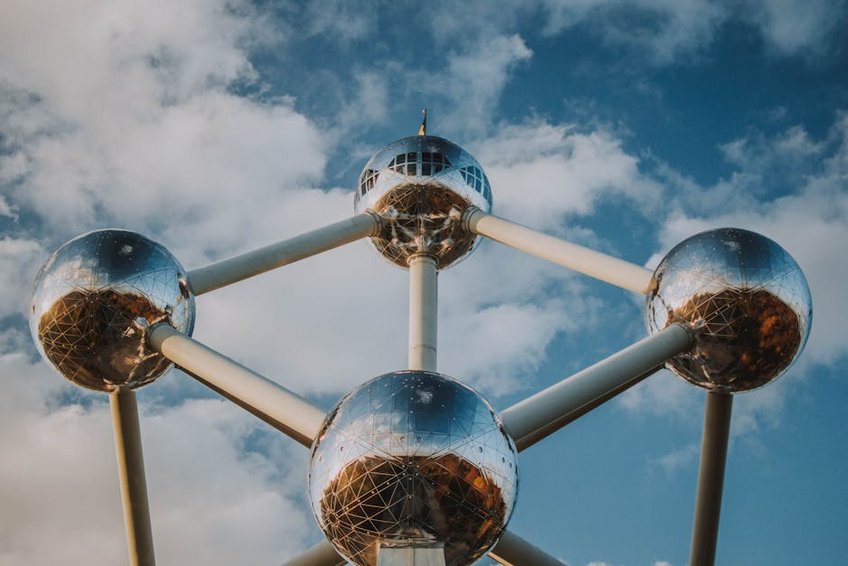
The Atomium, built for the 1958 World’s Fair, is a unique symbol of Brussels. Visitors can ride escalators through its tubes and spheres, which now house historical exhibits and offer panoramic city views from the top sphere. Combined tickets with the adjacent Mini-Europe park are available. Allow 2 hours for a proper visit.
The Royal Museums of Fine Arts house an exceptional collection, including works by Bruegel, Rubens, and Magritte. The complex is divided into the Old Masters Museum and the dedicated Magritte Museum. Purchasing a combo ticket online is recommended to manage your time between the two extensive collections.
Hidden Gems and Local Favorites
Venture beyond the center to the Cinquantenaire Park, a vast urban park home to the Triumphal Arch and the Art & History Museum. It’s a favorite local spot for jogging and picnics. The nearby European Quarter, while modern, has the fascinating Parlamentarium, the EU’s free interactive visitor center.
For a quirky adventure, follow the Brussels Comic Book Route, a trail of over 50 murals featuring beloved characters like Tintin and the Smurfs, painted on buildings across the city. The Belgian Comic Strip Center is also a must for fans. Explore the trendy Dansaert neighborhood for independent boutiques and cutting-edge design galleries.
Beer Culture and Tasting
Belgian beer culture is recognized by UNESCO. In Brussels, you can sample hundreds of varieties, from fruity lambics and sour gueuzes to complex Trappist ales. Visit a traditional brown cafe like À la Mort Subite for an authentic atmosphere.
For a more structured experience, join a guided beer tasting tour that explains the brewing processes and glassware traditions. The Cantillon Brewery offers tours where you can see the spontaneous fermentation used for lambic beer. Remember, Belgian beers are often stronger than their international counterparts.
Practical Travel Information
Navigating Brussels is straightforward with a little preparation. The city is served by Brussels Airport (BRU), located about 20 minutes by train from the central stations. Charleroi Airport (CRL) is a budget airline hub farther south, requiring a 45-minute bus transfer. Train travel from other European capitals like Paris or Amsterdam is efficient and arrives at Brussels Central, Midi, or North stations.
Accommodation options range from hostels and boutique hotels to international luxury chains. The most convenient areas for first-time visitors are around the Grand Place, Sainte-Catherine, and Sablon. For a more local vibe, consider Saint-Gilles or Ixelles, which are well-connected by tram.
| Accommodation Type | Best For & Features | Avg. Nightly Price (USD) |
|---|---|---|
| Hostel / Budget Hotel | Solo travelers & backpackers; shared dorms or basic private rooms, communal kitchens | $40 – $80 |
| Mid-Range Boutique Hotel | Couples & small groups; stylish design, central location, included breakfast | $120 – $220 |
| Luxury / Historic Hotel | Splurge & special occasions; 5-star service, prime locations (e.g., Grand Place views), spas | $300 – $600+ |
| Apartment Rental | Families & longer stays; self-catering, more space, residential neighborhoods | $100 – $250 |