Belgrade Travel Guide
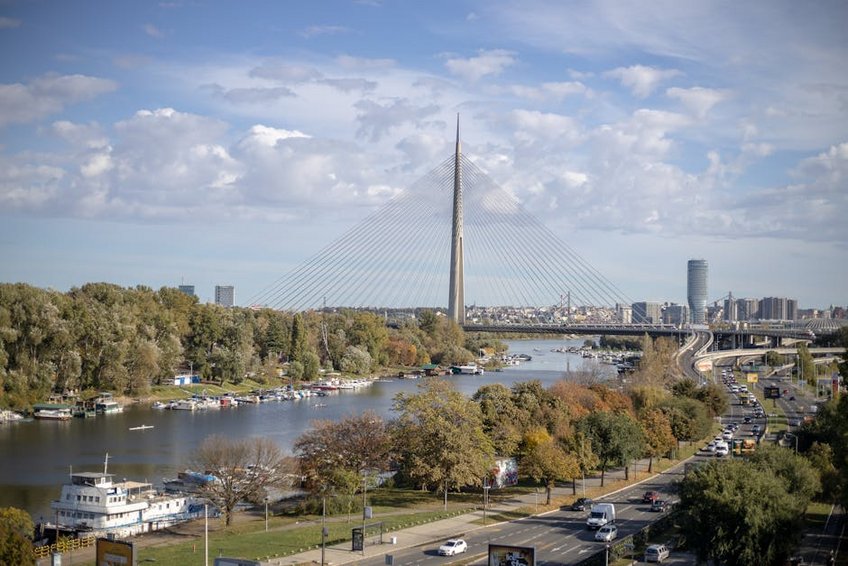
Belgrade pulsates with a defiant energy, a city where ancient fortress walls overlook sleek riverfront clubs, telling a story of resilience and revelry. This Serbian capital invites you to explore centuries of history from Ottoman and Austro-Hungarian rule to its modern, creative renaissance, all fueled by famously lively nightlife. This guide provides the essential planning tips, historical context, and local secrets you need to craft an unforgettable visit to one of Europe’s most captivating urban centers.
Essential Belgrade Information
Straddling the confluence of the Sava and Danube Rivers, Serbia’s capital is a historical and cultural powerhouse. With a population nearing 1.7 million, it serves as the country’s political, economic, and creative heart. The city’s strategic position has made it a prized possession for various empires, resulting in a fascinating architectural and cultural tapestry.
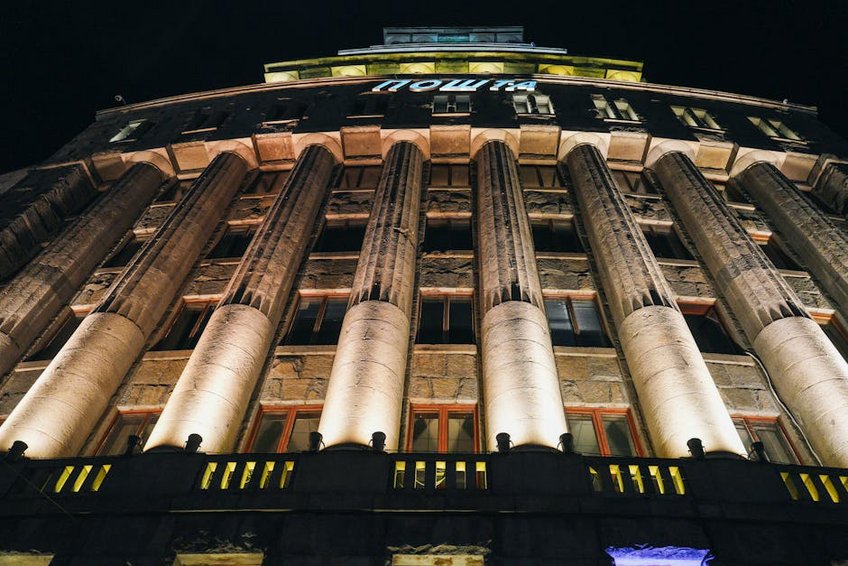
You will notice a blend of grand Belle Époque buildings, socialist-era concrete blocks, and cutting-edge modern design. This visual contrast is a direct reflection of Belgrade’s turbulent and resilient past. Understanding this context enriches every walk through its diverse neighborhoods, from the old-world charm of Dorćol to the bustling energy of Novi Beograd.
Historical Context – A Fortress City
Belgrade’s story is one of constant rebuilding. The imposing Kalemegdan Fortress, the city’s defining landmark, has been destroyed and reconstructed over 40 times. This history of perseverance is central to the local identity, fostering a unique “live for today” spirit that translates into its renowned café culture and nightlife.
- The Belgrade Fortress complex dates back to the 2nd century AD, with visible Roman, Byzantine, Ottoman, and Austrian layers. Walking its ramparts offers panoramic views essential for understanding the city’s strategic importance.
- Modern history is profoundly felt; sites like the Museum of Yugoslavia and Tito’s Mausoleum provide insight into the country’s 20th-century socialist period and its complex legacy.
- The 1999 NATO bombing raids left visible scars, with several damaged buildings left standing as memorials. This recent history is addressed openly at places like the Museum of Contemporary Art.
- Budget Traveler ($40-60/day): Stay in a hostel dorm, eat burek for lunch, enjoy free walking tours, use public transit, and drink in student bars. This budget allows for one major paid attraction per day.
- Mid-Range Traveler ($80-120/day): Affords a private room in a central hotel or Airbnb, meals at traditional kafanas and nicer restaurants, taxi rides, and entry to several museums and a river cruise.
- Luxury Traveler ($180+/day): Includes 4-5 star hotels like the Square Nine, fine dining at places like Homa or Salon 1905, private guided tours, and VIP access to popular splav clubs.
- Official City of Belgrade Website
- National Tourism Organization of Serbia
- Belgrade Nikola Tesla Airport
Visa and Entry Requirements
For US, UK, EU, Canadian, and Australian passport holders, entering Serbia is straightforward for tourism. You typically do not need a visa for stays up to 90 days within a 180-day period. Always ensure your passport is valid for at least three months beyond your planned departure date.
Border officials rarely ask for proof of onward travel or sufficient funds, but it’s wise to have your hotel reservation and return flight details accessible. Serbia is not a member of the European Union or the Schengen Area, so entry here does not count toward your 90-day Schengen limit, making it a great addition to a broader European itinerary.
Language and Local Currency
The official language is Serbian, written in both Cyrillic and Latin alphabets. In central areas and with younger generations, you will find widespread English proficiency. Learning a few basic Serbian phrases like “hvala” (thank you) is appreciated.
The local currency is the Serbian Dinar (RSD). You cannot obtain dinars outside Serbia, so plan to exchange money upon arrival or use ATMs. Credit cards are widely accepted in hotels, restaurants, and shops in the city center, but always carry some cash for smaller establishments, taxis, and markets.
Alt: “kalemegdan-fortress-belgrade-danube-river-sunset-view”
Belgrade Travel Guide – Planning Your Trip
To fully experience Belgrade’s contrasts, planning around seasons and interests is key. The city offers distinct vibes throughout the year, from vibrant summer terraces to cozy winter kafanas. Your ideal itinerary balances daytime historical exploration with the after-dark energy the city is famous for, requiring thoughtful timing and packing.
A successful visit involves reserving key accommodations in advance, especially for summer festivals or weekend stays. Budget-conscious travelers will find excellent value, with costs significantly lower than in Western European capitals. This planning section outlines the crucial details for timing, budgeting, and preparing for your Serbian adventure.
Best Time to Visit Belgrade
The most pleasant weather for exploring occurs from late April to early June and throughout September to October. During these months, daytime temperatures range from a comfortable 65°F to 75°F (18°C to 24°C), with fewer crowds than in peak summer. This is ideal for walking tours and enjoying open-air cafes.
July and August can be hot, often exceeding 86°F (30°C), but this is when the city’s splavovi (river clubs) are in full swing. Winter, from December to February, is cold (30°F to 40°F / -1°C to 4°C) but atmospheric, perfect for museum visits and experiencing traditional Serbian hospitality in cozy taverns.
Budget Planning and Costs
Belgrade is very affordable by European standards. Your daily budget dictates the style of your experience, from hostel life to boutique hotels.
Essential Preparation Checklist
Pack for variable weather; even in summer, include a light jacket for cooler evenings. Comfortable walking shoes are non-negotiable for the city’s cobblestone streets and fortress paths. For clubbing, smart casual wear is generally acceptable, though some upscale clubs enforce a stricter dress code.
Ensure you have a valid passport and consider purchasing travel insurance that covers medical emergencies. While not mandatory, having an EU SIM card can provide affordable roaming data. Download the Car:Go or Yandex.Taxi app for reliable ride-hailing services, and Google Maps works excellently for navigation.
Top Attractions and Cultural Sites
Beyond its famous nightlife, Serbia’s capital is a treasure trove of historical landmarks, world-class museums, and unique urban spaces. The city’s spirit is best absorbed by walking between its major sites, allowing you to stumble upon charming cafes, quirky shops, and vibrant street art. Dedicate at least two full days to cover the essential sights at a relaxed pace.
Start your exploration at the geographical and historical heart of the city, Kalemegdan. From there, branch out to learn about the nation’s complex past and witness its dynamic present. Many museums are closed on Mondays, so plan your itinerary accordingly to avoid disappointment.
Must-See Highlights
No visit is complete without exploring Kalemegdan Fortress and Park. Spend a few hours wandering the ancient walls, visiting the Military Museum, and enjoying the iconic Pobednik (Victor) monument overlooking the river confluence. The park itself is a beloved local retreat.
The Temple of Saint Sava is one of the largest Orthodox churches in the world. Its magnificent marble and granite interior, finally nearing completion after decades, is breathtakingly ornate. Nearby, the historic neighborhood of Skadarlija offers a glimpse of old Belgrade with its cobbled street, traditional restaurants, and bohemian atmosphere.
For 20th-century history, the Museum of Yugoslavia and the House of Flowers (Tito’s Mausoleum) provide a fascinating, if sometimes ambiguous, look at the socialist era. The Nikola Tesla Museum is a highly interactive and engaging tribute to the famous inventor, appealing to visitors of all ages.
Hidden Gems and Local Favorites
Escape the center and take a walk through the residential neighborhood of Dorćol. This area is filled with trendy cafes, unique boutiques, and some of the city’s best breakfast spots. It provides a more authentic feel for local urban life away from the main tourist paths.
Visit the Zemun neighborhood, located north of the city center along the Danube. Once a separate town, it has a distinct, almost Mediterranean feel with its Gardoš tower, bustling Kej waterfront promenade, and excellent fish restaurants. It’s easily reached by bus or a scenic riverboat taxi.
Exploring the Savamala District
Once a derelict port area, Savamala has transformed into Belgrade’s epicenter of contemporary art and design. The mix of abandoned warehouses and new architectural projects like the Belgrade Waterfront creates a raw, energetic atmosphere.
This is where you’ll find the best street art, avant-garde galleries like the Cultural Centre of Belgrade, and some of the city’s most innovative bars and clubs. By day, it’s a haven for creatives; by night, it pulses with an underground party vibe.
Practical Travel Information
Navigating the Serbian capital is straightforward with a basic understanding of its zones and transit options. The city is divided into municipalities, with Stari Grad (Old Town) being the central tourist hub. Accommodation spans from historic palaces to modern apartments, offering options for every preference and budget.
Getting around is efficient and inexpensive. A well-connected bus, trolleybus, and tram network covers the entire city, while taxis and ride-sharing apps provide convenient door-to-door service. The following table compares the main areas to help you choose your base.
| Neighborhood | Vibe & Features | Best For |
|---|---|---|
| Stari Grad (Old Town) | Historic center, pedestrian streets, major sites (Kalemegdan, Knez Mihailova), highest concentration of hotels. | First-time visitors, short stays, walking to attractions. |
| Dorćol | Boho-chic, trendy cafes & restaurants, residential charm, close to the Danube. | Travelers seeking local flavor, foodies, longer stays. |
| Vračar | Quieter, residential, home to Saint Sava Temple and the National Library. | Peaceful stays, cultural/religious interest. |
| Novi Beograd (New Belgrade) | Modern, socialist-era architecture, business centers, Arena sports complex, splavovi (river clubs). | Modern architecture fans, nightlife, business travelers. |
| Zemun | Historic, separate town feel, Danube riverfront dining, Gardoš tower views. | A day trip or unique stay, romantic dining, photography. |