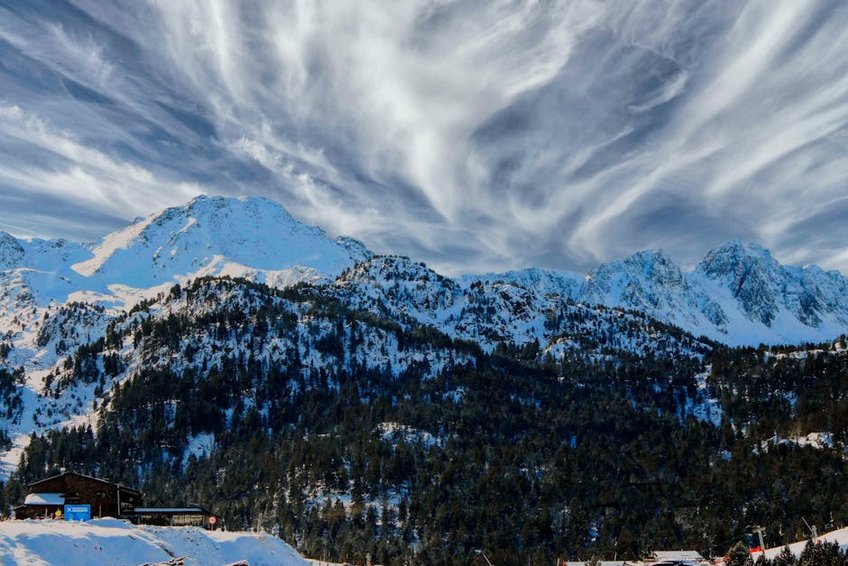
Andorra Grandvalira Ski Resort: Your Complete Guide to Europe’s Largest Ski Domain
Skiing at Andorra Grandvalira Ski Resort offers access to the biggest interconnected ski area in the Pyrenees, featuring over 130 groomed runs across a sprawling mountain landscape. This mega-resort combines reliable snow conditions from December to April with a diverse mix of beginner-friendly zones and expert off-piste terrain, all set within a duty-free principality known for its affordability. Our guide provides the specific details on lift passes, optimal travel windows, and terrain breakdowns you need to plan an efficient and memorable ski vacation.
Essential Resort Information
Situated in the eastern Pyrenees between France and Spain, Grandvalira is not a single resort but a unified domain connecting the sectors of Pas de la Casa, Grau Roig, Encamp, Canillo, El Tarter, and Soldeu. The ski area spans from 1,710 meters (5,610 feet) to 2,640 meters (8,660 feet) in elevation, ensuring a long season with extensive snowmaking coverage. Its creation from several smaller areas transformed Andorra into a premier European ski destination, catering strongly to British, Spanish, and French visitors.
The infrastructure is modern, featuring high-speed chairlifts and gondolas that efficiently move skiers across vast distances. You can easily ski from the rugged border near Pas de la Casa to the family-oriented slopes of El Tarter in a single day. This connectivity is the resort’s biggest advantage, providing unparalleled variety without needing a car.
Key Resort Statistics and Layout
Understanding the scale helps with daily planning. The numbers define the experience.
- Total Skiable Area: 210 kilometers (130 miles) of marked pistes, with a nearly even split between easy (22%), intermediate (42%), and difficult (36%) runs, offering progression for all skill levels.
- Lift System: 74 total lifts, including 4 cable cars, 13 chairlifts, and numerous surface lifts, with a total hourly capacity exceeding 108,000 skiers to minimize wait times.
- Snow Assurance: More than 1,200 snow cannons cover over 70% of the domain, complementing an average annual snowfall of 300-400 cm (118-157 inches) to guarantee good conditions from early December.
- Budget Traveler ($800-$1,200 per week): Stay in a shared apartment in Encamp, self-cater meals, and buy lift passes 30+ days online for discounts. Use public transport (the bus system is efficient) and focus on skiing. Daily cost breakdown: Pass ($60), Accommodation ($40/person), Food ($30).
- Mid-Range Skier ($1,800-$2,800 per week): Book a hotel in Soldeu or El Tarter with breakfast, enjoy mountain lunches, and take group lessons. Include ski rental and a couple of evenings out. This offers the best balance of comfort, convenience, and slope access.
- Luxury Experience ($3,500+ per week): Stay at a 5-star hotel like Sport Hotel Hermitage & Spa with ski-in/ski-out access. Book private guiding for off-piste, dine at gourmet mountain restaurants like El Tarter’s Riba Escorxada, and include spa treatments. This tier offers maximum comfort and personalized service.
- Official Grandvalira Resort Website
- Official Andorra Tourism Portal
The Distinctive Character of Each Sector
Each linked village offers a different atmosphere and terrain focus. Pas de la Casa, on the French border, is the highest and most snow-sure sector, known for vibrant après-ski and extensive intermediate cruising. It attracts a younger, energetic crowd. Meanwhile, Grau Roig is quieter, with direct access to wide, scenic blues and reds perfect for long, carving turns.
Soldeu and El Tarter form the resort’s bustling heart, celebrated for excellent ski schools and superb beginner areas. These sectors are ideal for families and first-timers. Finally, Encamp and Canillo provide access to challenging black runs and expert zones like the Montmalús freeride area, appealing to advanced skiers seeking steep pitches.
Beyond Alpine Skiing: Other Winter Activities
The domain extends its appeal beyond downhill skiing. A vast network of marked trails opens up for snowshoeing and cross-country skiing, particularly around the Llac dels Pessons area. Several sectors maintain dedicated snow parks; the largest is in Soldeu, featuring jumps, rails, and a halfpipe for freestyle enthusiasts.
For a unique experience, try dog sledding in Grau Roig or snowmobiling on designated circuits. The resort also maintains numerous mountain restaurants, allowing for leisurely lunches with panoramic Pyrenean views without leaving the slopes.
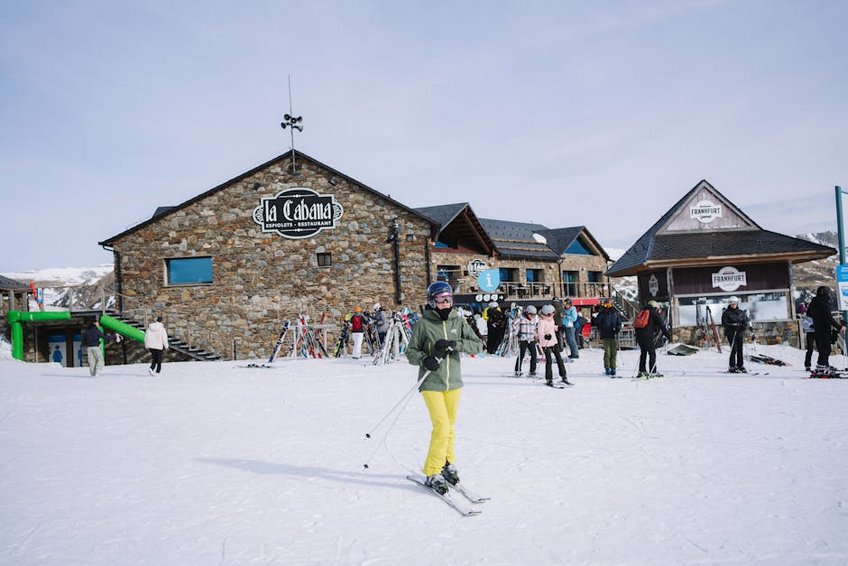
Alt: “grandvalira-ski-resort-panoramic-view-pistes-pyrenees-mountains”
Andorra Grandvalira Ski Resort – Planning Your Trip
Organizing a visit to this large ski area requires attention to timing, budget, and logistics to maximize your time on the snow. The resort’s popularity means booking key elements well in advance, especially for peak season weeks like Christmas or February half-term. A successful trip balances slope time with exploration of Andorra’s unique culture and value-for-money amenities.
Your choice of base village significantly impacts your experience. Soldeu is best for families and learners, Pas de la Casa for nightlife and intermediate skiers, and Encamp for budget-conscious travelers seeking direct access. Consider purchasing a multi-day Grandvalira pass that covers the entire domain, as single-sector passes are limiting given the interconnected terrain.
Best Time to Visit for Optimal Conditions
Visit Andorra Grandvalira Ski Resort between mid-January and late March for the most reliable snow conditions, comfortable temperatures, and full operation of all lifts and services. January offers fresh snow and fewer crowds post-New Year, with daytime highs around -2°C to 3°C (28°F to 37°F). February is peak season, boasting excellent base depths but higher prices and more visitors, especially during European school holidays.
The shoulder seasons of early December and April provide potential value. Early December risks limited terrain opening if natural snowfall is delayed. April brings longer, sunnier days with spring snow conditions—ideal for leisurely skiing—though lower-elevation runs may close by mid-month. Always check the resort’s open status and snow report before booking a late or early trip.
Budget Planning and Cost Breakdown
Costs vary widely based on travel style, with Andorra’s duty-free status lowering prices for fuel, electronics, and some goods, though ski-specific expenses align with major European resorts.
Essential Preparation Checklist
Pack technical layers suitable for variable mountain weather, including a waterproof ski jacket, insulated pants, gloves, and goggles. Rent high-performance skis or a snowboard in-resort for convenience; reputable shops like Esports Roca or El Tarter Rental offer quality gear. Break in your ski boots before arrival to avoid painful days on the hill.
Ensure your travel insurance explicitly covers off-piste skiing if you plan to venture beyond marked runs. EU citizens can use the European Health Insurance Card (EHIC) or its replacement, the GHIC. Non-EU visitors should have comprehensive medical coverage. Book ski school lessons, especially for beginners, weeks in advance as instructors speaking your language get fully booked.
Top Slopes and Mountain Experiences
The domain’s immense size means you can tailor daily itineraries to your ability and interests. Start each morning with a plan based on weather and snow conditions, using the Grandvalira app for real-time lift status and piste maps. Prioritize skiing the furthest sectors from your base early in the day to avoid afternoon fatigue during the return journey.
Intermediate skiers will find paradise on the long, rolling red runs like “Tossal d’Esplobadores” in Grau Roig. Experts should head to the Avet or Espiolets couloirs near Pas de la Casa for steep, challenging terrain. Beginners have dedicated, gentle learning areas in Soldeu and El Tarter, complete with magic carpets and slow zones.
Must-See Highlights and Iconic Runs
Don’t miss the “Gall de Bosc” slope, a long, scenic red run that descends from the peak of Pic de la Llosada down to Grau Roig, offering breathtaking views. For a challenge, tackle “Montmalús,” a demanding black run with a consistent steep pitch. The “Pista Llarga” is exactly that—a long, enjoyable blue that lets you cruise for kilometers from the Pic de la Portella area.
The Soldeu sector’s “Olympic” run is a wide, perfectly groomed red where national teams often train, providing a fantastic carving experience. For panoramic photography, take the cable car to the peak of “Pic d’Encampadana,” the resort’s highest point at 2,640 meters (8,660 feet). The 360-degree view spans Andorra, France, and Spain on clear days.
Hidden Gems and Local Favorites
Venture to the quieter Canillo sector to find shorter lift lines and charming, family-run mountain huts like Refugi de les Planes. For exceptional off-piste when conditions allow, the north-facing bowls accessible from the Creussans chairlift in Pas de la Casa hold powder long after a storm. Locals often ski these before heading to lunch.
Visit the Igloo Hotel in Grau Roig for a drink, even if you’re not staying the night—it’s a unique structure made entirely of snow. For a peaceful lunch away from the main hubs, seek out Restaurant Pessons, which requires a short ski off the beaten path to a lakeside setting with authentic local cuisine.
Freestyle and Off-Piste Terrain
Freestylers should make a beeline for the Snowpark El Tarter, one of the best in the Pyrenees, with lines for all levels and a dedicated airbag. The park is meticulously maintained and often hosts international competitions. Meanwhile, the freeride zones are clearly marked on the piste map and offer accessible off-piste for advanced skiers with proper safety gear.
Always ski off-piste with a guide who knows the snowpack and terrain. Companies like Peak Retreats offer certified guides who can lead you to safe, untouched powder stashes. The resort manages avalanche risk, but terrain beyond the markers is unpatrolled, making knowledge and equipment like a beacon, probe, and shovel essential.
Practical Travel and Accommodation Information
Reaching Andorra requires planning, as the principality has no airport or train station. The most common route is flying into Barcelona (BCN) or Toulouse (TLS), then taking a 3-hour shuttle bus or pre-booked transfer into the mountains. Renting a car provides flexibility but isn’t necessary for staying within the resort; winter tires or chains are legally required from November to April.
Accommodation ranges from budget-friendly apartments to luxury ski-in/ski-out hotels. Staying in a “pie de pista” (slopeside) property, while more expensive, saves tremendous time and effort. The resort villages are compact and walkable, but check if your lodging provides shuttle service to the nearest lift if it’s not ski-in/ski-out.
| Accommodation Type | Best For & Features | Price Range/Night (USD) |
|---|---|---|
| Ski-in/Ski-out Hotel | Ultimate convenience, often with spa and half-board. Examples: Sport Hotel Hermitage, Hotel Piolets. | $350 – $700+ |
| Mid-Range Hotel | Central location, breakfast included, short walk to lift. Examples: Hotel Soldeu Maistre, Hotel Nordic. | $150 – $300 |
| Self-Catered Apartment | Families or groups, more space, kitchen facilities. Book through operators like Altitude. | $100 – $250 (per apartment) |
| Hostel/Budget Guesthouse | Solo travelers or tight budgets, social atmosphere. Found mainly in Encamp. | $40 – $80 (per person) |