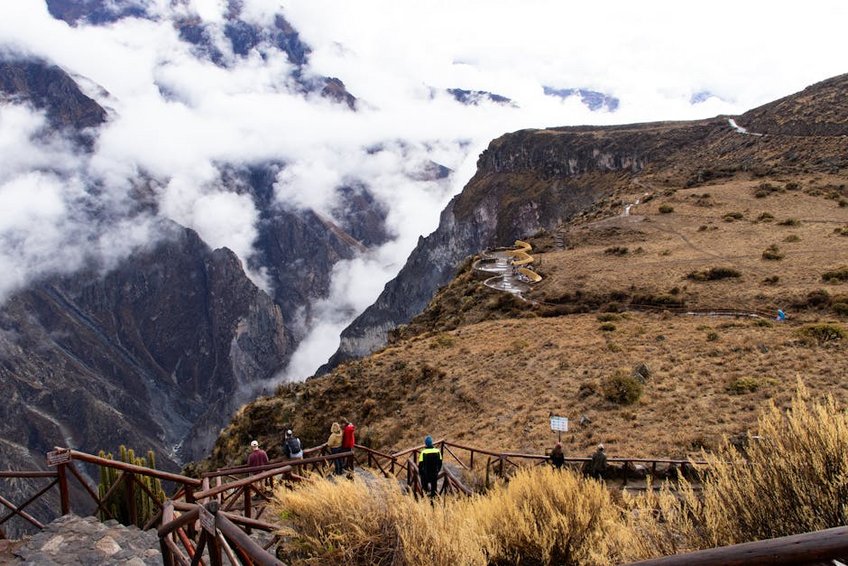
Andes Mountains Exploration in Peru
An Andes Mountains exploration in Peru takes you through the heart of the world’s longest continental mountain range, offering archaeological wonders, vibrant indigenous cultures, and landscapes ranging from glacial peaks to deep valleys. This journey connects iconic sites like Machu Picchu with remote communities and high-altitude trails, demanding careful acclimatization but rewarding with unparalleled vistas. This guide covers essential routes, cultural immersion, and practical logistics for navigating Peru’s majestic Cordillera.
Discovering the Peruvian Andes
The Peruvian segment of the Andes, known locally as La Sierra, forms the rugged backbone of the country, split into multiple cordilleras like the Blanca and Vilcabamba. This geography creates a dramatic array of ecosystems, from the alpine tundra of puna grasslands to cloud forests clinging to eastern slopes. Cities like Cusco and Arequipa, built by Spanish colonists atop ancient Inca foundations, serve as historic gateways to this vertical world.
Human history here spans millennia, with pre-Inca civilizations like the Chavín and Wari establishing early high-altitude societies. The Inca Empire masterfully engineered this terrain, constructing citadels and thousands of kilometers of trails. Today, Quechua and Aymara communities maintain deep-rooted traditions, their agricultural practices and festivals coloring the highland experience.
Key Geographic and Cultural Zones
Understanding Peru’s Andean regions helps in planning a focused itinerary.
- The Cordillera Blanca near Huaraz hosts the densest concentration of tropical glaciers in the world, ideal for serious trekking and mountaineering on peaks like Huascarán.
- The Sacred Valley and Cusco region blend world-famous Inca archaeology with living culture, serving as the starting point for the Inca Trail and numerous alternative hikes to Machu Picchu.
- The Colca Canyon near Arequipa, one of the world’s deepest, is famed for its soaring Andean condors and terraced pre-Inca agricultural landscapes.
- Budget travelers can manage on $35-$50 per day by using public colectivo transportation, staying in basic hostales, and eating at local markets or menú del día restaurants. A self-guided 4-day Salkantay Trek might cost $250-$400 including food and lodging.
- Mid-range explorers spending $80-$150 daily will enjoy comfortable hotels, guided day hikes, and nicer restaurants. A fully supported 5-day Inca Trail tour with a reputable operator typically costs between $650 and $1,200 per person.
- Luxury adventurers can spend $300+ per day for stays in boutique hotels like Sol y Luna in the Sacred Valley, private guides and drivers, and gourmet dining. High-end lodges such as the Mountain Lodges of Peru offer trekking itineraries with prices from $3,000 for a week.
- Peru Travel Official Tourism Board
- Lonely Planet Peru Travel Guide
- SERNANP – Peruvian National Parks Service
Climate and Altitude Fundamentals
Peru’s Andean climate is defined less by temperature and more by two distinct seasons that dictate travel conditions. The dry season (May to September) brings clear, sunny days and cold nights, offering optimal trekking conditions but also peak crowds. The wet season (November to March) sees frequent afternoon rains, greener landscapes, and fewer visitors, though some trails become muddy or inaccessible.
Altitude is the most critical factor, with major destinations sitting between 2,400 meters (7,875 feet) and 3,400 meters (11,155 feet). Acute Mountain Sickness (AMS) is a real risk, and a planned ascent profile with rest days is non-negotiable. Symptoms include headache, nausea, and dizziness, often alleviated by descending.
Historical Context and Significance
The mountains were not a barrier but a sacred home and resource for ancient cultures. The Inca considered the Apus, or mountain spirits, to be protective deities, a belief that persists in local communities today. Spanish conquest reshaped the landscape with colonial churches and haciendas, but the underlying indigenous worldview endured, creating a unique cultural syncretism visible in festivals like Inti Raymi.
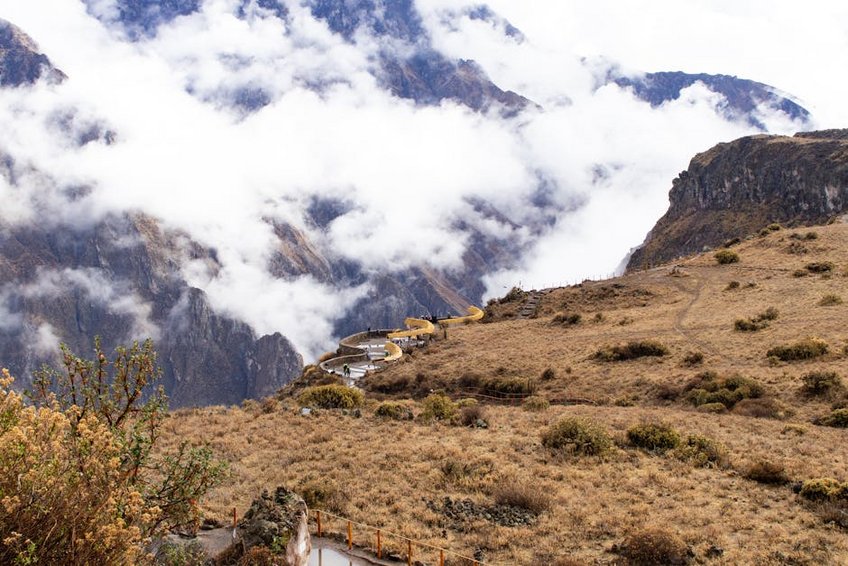
Alt: “peruvian-andes-cordillera-blanca-glacial-peaks-hiking-trail”
Andes Mountains Exploration in Peru – Planning Your Trip
Successfully organizing an Andes Mountains exploration in Peru hinges on strategic timing, realistic budgeting, and thorough preparation for high-altitude travel. Your experience will differ dramatically between a luxury lodge-based journey and a multi-day backpacking expedition, so aligning your plans with fitness level and interests is key. Prioritize securing permits for popular trails like the Inca Trail months in advance, as they sell out quickly during the dry season window.
A comprehensive budget must account for international flights, domestic transport like flights or long-distance buses, guided tour costs, park entrance fees, and meals. While independent travel is possible, hiring local guides for remote treks enhances safety, provides cultural insight, and supports the regional economy. Always build in contingency days for acclimatization and potential weather delays in the mountains.
Best Time to Visit the Peruvian Andes
The prime window for exploration is the dry season, from May to September. During these months, you’ll encounter mostly clear skies, minimal rainfall, and excellent trail conditions, with daytime temperatures ranging from 50-68°F (10-20°C) and nighttime lows often dropping below freezing at high camps. This is the busiest period, requiring bookings for accommodations and tours 4-6 months ahead, especially for June through August.
The shoulder months of April and October offer a compelling compromise, with a higher chance of sporadic rain but significantly fewer crowds and lush landscapes. The wet season, from November to March, is challenging for trekking due to slippery trails and frequent cloud cover obscuring views, though it remains a good time for cultural visits to cities and lower-elevation areas.
Budget Planning and Costs
Costs vary widely based on travel style and trekking choices.
Essential Preparation Checklist
Physical conditioning should focus on cardiovascular endurance and leg strength, with practice hikes carrying a pack if planning a multi-day trek. Begin altitude acclimatization by spending 2-3 nights in a mid-elevation town like Cusco or Huaraz before attempting any strenuous activity. Consult a travel doctor for recommended vaccinations and discuss prescription medication for altitude sickness, like acetazolamide.
Essential gear includes broken-in hiking boots, layered clothing for variable conditions (base layers, fleece, insulated jacket, waterproof shell), a high-SPF sunscreen, lip balm, a wide-brimmed hat, and a quality headlamp. Pack crucial documentation: your passport, printed copies of tour confirmations and travel insurance, and a credit card with no foreign transaction fees for emergencies.
Top Routes and Immersive Experiences
Peru offers a spectrum of Andean adventures, from world-famous pilgrimages to pristine, crowd-free trails. Choosing a route depends on your fitness, time, and desire for cultural interaction versus pristine solitude. While the classic treks showcase iconic scenery, venturing onto lesser-known paths often leads to more authentic encounters with remote villages and untouched landscapes.
Beyond pure trekking, the region offers rich cultural exchanges, from learning traditional weaving techniques in Chinchero to participating in a Pachamanca earth-oven feast. Combining a major hike with these immersive experiences creates a more holistic understanding of life in the high Andes and supports community-based tourism initiatives directly.
Must-See Highlights and Classic Treks
The Inca Trail to Machu Picchu is the most famous route, a 4-day journey through cloud forest and past Inca ruins like Wiñay Wayna, culminating at the Sun Gate. Permits are limited and sell out fast; book at least 6-8 months in advance for the dry season. The alternative Salkantay Trek is equally stunning, crossing a high 4,600-meter (15,090-foot) pass with views of the sacred Salkantay Mountain, and often requires less lead time to book.
In the Cordillera Blanca, the Santa Cruz Trek is a 4-day classic, passing turquoise lakes beneath towering snow-capped peaks like Alpamayo. The Colca Canyon trek typically involves a 2-day descent to the oasis at Sangalle and a strenuous climb out, with prime condor viewing at Cruz del Cóndor at dawn. Each of these highlights offers a distinct perspective on the Andes’ dramatic geology.
Hidden Gems and Local Favorites
The Ausangate Circuit, a 5-7 day high-altitude trek near Cusco, circles the sacred Ausangate Mountain, passing rainbow-colored mountains and remote herding communities with virtually no tourist infrastructure. The Huayhuash Circuit, a more demanding 8-12 day expedition, is considered one of the world’s most beautiful treks, featuring breathtaking closeness to glacial giants like Yerupajá.
For cultural immersion, visit the community of Humacchuco near Huaraz, which offers homestays and guides to the pre-Inca ruins of Willkawain. The Quisoquipanio Valley in the Sacred Valley remains largely undiscovered, featuring Inca terraces, salt pans, and a tranquil atmosphere far from the main tourist circuit. Access often requires hiring a local guide from a nearby village.
Cultural and Adventure Activities
Beyond trekking, try mountain biking down the dramatic slopes of the Sacred Valley from Maras to Moray, or horseback riding through the hills surrounding Cusco. Whitewater rafting is available on the Urubamba River, with sections ranging from Class II to IV. For a unique perspective, several operators offer scenic flights over the Nazca Lines from nearby coastal cities, though the flight itself departs from lower altitudes.
Practical Travel Information and Logistics
Navigating the Peruvian Andes involves understanding a mix of modern and traditional transportation. Major destinations are connected by bus companies like Cruz del Sur (comfortable, long-distance) and colectivos (shared vans for shorter routes). Domestic flights from Lima to Cusco (CUZ), Arequipa (AQP), or Trujillo (TRU) save time but require careful baggage weight planning.
Accommodation ranges from basic refugios on trekking routes to luxurious colonial-era mansions turned boutique hotels. Booking platforms like Booking.com work well for cities, but for remote lodges or community homestays, direct contact or a local tour operator is often necessary. Always confirm if hot water and heating are available, as nights are cold year-round.
| Accommodation Type | Features & Best For | Price Range/Night (USD) |
|---|---|---|
| Budget Hostel/Hospedaje | Basic private room with shared bath, often family-run, central locations in towns like Huaraz or Aguas Calientes. | $15 – $35 |
| Mid-Range Hotel | Private en-suite rooms, reliable hot water, heating, included breakfast, often with a courtyard or mountain views. | $50 – $120 |
| Trekking Lodge | Located on trekking routes (e.g., Lodge-to-Lodge trek), includes meals, guided activities, and comfortable bedding. | $150 – $300 (all-inclusive) |
| Luxury Boutique Hotel | Historic properties with spas, gourmet restaurants, concierge service for arranging private tours and drivers. | $250 – $500+ |