Ancient Landmarks in Athens: Your Essential Guide to Classical Ruins
Exploring ancient landmarks in Athens offers a direct connection to the birthplace of Western civilization, democracy, and philosophy. Your journey takes you through the iconic Acropolis, historic Agora, and sprawling Temple of Olympian Zeus, each site telling a story from over 2,500 years ago. This guide provides essential logistics, cultural insights, and practical tips to plan a seamless and enriching visit to these timeless monuments.
Athens Through the Ages: Historical Context
Athens’ history spans millennia, beginning as a Mycenaean fortress around 1400 BC. The city-state flourished during the 5th century BC, known as the Golden Age of Pericles, producing art, architecture, and political ideas that shaped the world. Roman, Byzantine, and Ottoman rule each left distinct marks before Athens became the capital of modern Greece in 1834.
Understanding this timeline enriches your visit. It transforms stone ruins into narratives of philosophical debates, democratic assemblies, and artistic triumphs. This historical layering is evident across the city’s Classical ruins and Byzantine churches.
Essential Historical Timeline
Key dates help frame your exploration of the city’s development.
- 508 BC: Cleisthenes establishes the world’s first democratic system in Athens, creating the foundation for citizen governance.
- 447-438 BC: Construction of the Parthenon under Pericles, symbolizing Athenian power and cultural achievement during its peak.
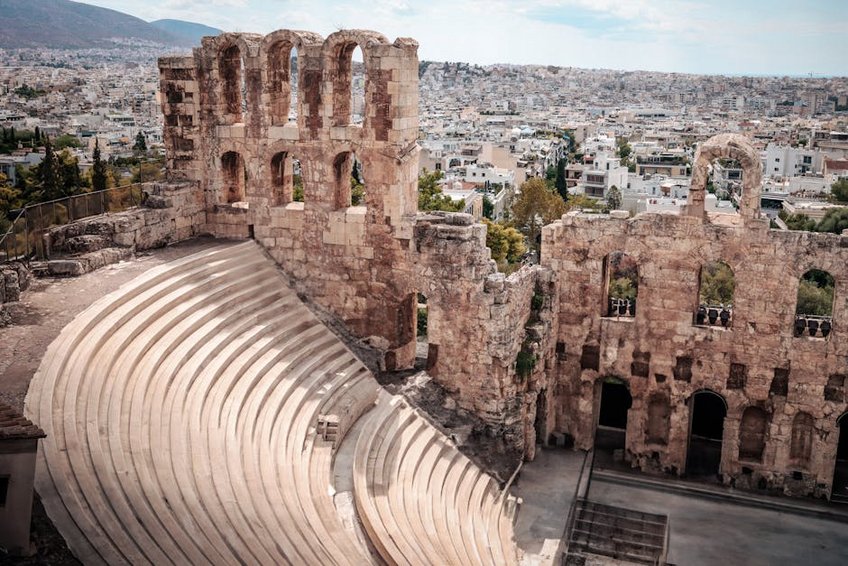
- 86 BC: Roman general Sulla sacks Athens, beginning a period of Roman influence that added structures like the Odeon of Herodes Atticus.
- Budget Traveler ($60-80/day): Stay in a hostel in Psyrri, use the €30 multi-site ticket, eat souvlaki from street vendors, and walk between sites. Focus on free viewing points like Areopagus Hill.
- Mid-Range Explorer ($120-180/day): Book a boutique hotel in Plaka, purchase a guided Acropolis tour for €50, enjoy taverna meals, and use the metro. Add one museum, like the Acropolis Museum.
- Premium Experience ($300+/day): Stay at a 5-star hotel with Acropolis views, hire a private archaeologist guide for €300/day, dine at award-winning restaurants, and include a day trip to Sounion or Delphi.
- Greek National Tourism Organization
- UNESCO World Heritage Centre – Acropolis
Why These Ruins Matter Today
These sites are not mere tourist attractions. They are the physical roots of concepts like democracy, trial by jury, and classical aesthetics. The design of the Parthenon influenced neoclassical architecture worldwide, including government buildings in Washington D.C. and London.
Meanwhile, the Agora was the literal marketplace of ideas where Socrates taught. Visiting these locations offers perspective on contemporary civic life and artistic expression. It is a walk through the foundational ideas of Western society.
Athenian Mythology and Landmarks
Many Classical ruins are tied to ancient myths. The Parthenon was dedicated to Athena, the city’s patron goddess, following her mythical contest with Poseidon. The Erechtheion’s Caryatid Porch honors King Erechtheus, a mythical early ruler born from the earth.
These stories were central to Athenian identity. Recognizing them adds a narrative layer to the archaeology, connecting the stonework to the beliefs of the people who built it.
Alt: “acropolis-parthenon-view-athens-sunset-ancient-architecture”
Planning Your Ancient Landmarks in Athens Trip
Successful exploration of Athens’ ancient landmarks in Athens requires strategic timing and booking. The summer heat can be intense, with temperatures regularly exceeding 95°F (35°C), making spring and fall far more comfortable for walking between sites. Prioritize purchasing a combination ticket online to skip long queues at the Acropolis entrance.
Accommodations in the Plaka or Monastiraki districts place you within walking distance of major ruins. Book these areas three to six months in advance for peak season visits between April and October. Allocate at least three full days to cover the primary sites without rushing.
Best Time to Visit Athens for Landmarks
Visit between April-May or September-October for ideal conditions. Daytime temperatures range from a pleasant 68-77°F (20-25°C) with minimal rainfall. These shoulder seasons offer manageable crowds and full operational hours for all archaeological sites.
The winter months from November to March are cool, 50-59°F (10-15°C), and wet, but see far fewer visitors. Some sites have reduced hours. Summer visits require starting tours at 8:00 AM sharp to avoid peak heat and cruise-ship crowds.
Budget Planning and Costs
Your budget dictates the depth of your historical experience.
Essential Preparation Checklist
Pack sturdy, comfortable walking shoes with good grip for uneven marble surfaces at the Acropolis and Agora. Bring a refillable water bottle, high-protection sunscreen, a wide-brimmed hat, and lightweight, breathable clothing for extensive outdoor exploration.
Ensure you have valid travel insurance covering medical evacuation. EU citizens need only an ID card; US passport holders require no visa for stays under 90 days. Download offline maps and the official “Culture Greece” app for site information.
Top Ancient Sites and Archaeological Parks
The Acropolis is the undeniable centerpiece, but the city’s classical heritage extends far beyond it. The sprawling Ancient Agora functioned as the civic heart, while the Temple of Olympian Zeus showcases Roman-scale ambition. A comprehensive visit explores these different facets of ancient urban life.
Each major site requires 1.5 to 3 hours for a proper visit. Start with the Acropolis to beat the crowds, then descend to the Agora. The National Archaeological Museum is essential for context, housing artifacts that complete the story told by the ruins.
Must-See Highlights: The Acropolis Complex
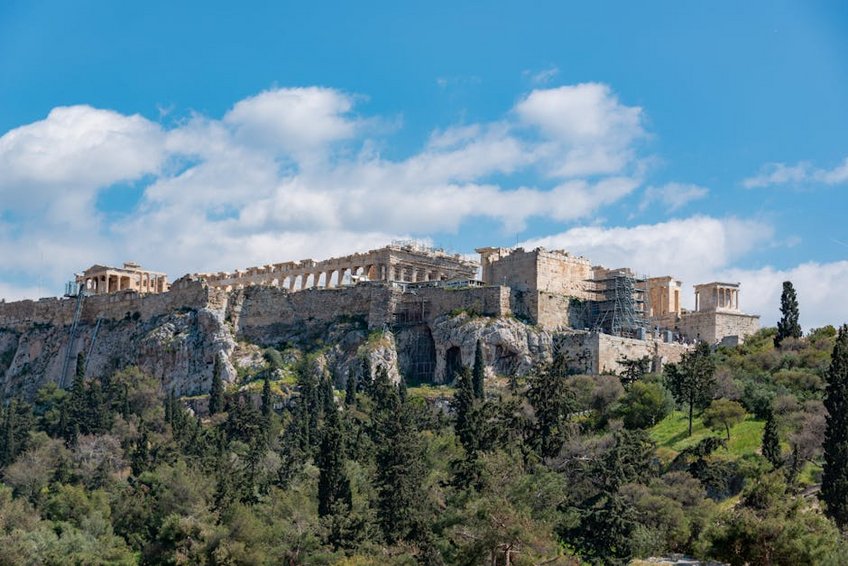
The Parthenon is the iconic Doric temple dedicated to Athena. Observe the optical refinements in its columns, designed to appear perfectly straight. The Erechtheion, with its famed Caryatid statues, is a sacred site housing multiple ancient cults.
The Propylaea is the monumental gateway, and the Temple of Athena Nike offers panoramic city views. The Acropolis Museum, at the base, houses the original Caryatids and Parthenon marbles. Purchase a combined ticket for €30 that includes entry to six other major sites over five days.
Hidden Gems and Local Favorites
Venture to the Kerameikos archaeological site, the ancient cemetery and pottery district. It is peaceful, shaded, and features a small museum with remarkable funeral stele. The Roman Agora and the Tower of the Winds, an ancient hydraulic clocktower, are often less crowded than the main Agora.
For a stunning alternative view of the Acropolis, hike up Philopappos Hill, especially at sunset. The hill also contains the Prison of Socrates, a quiet cave-like structure steeped in philosophical history.
Day Trips to Broader Attica
Dedicate a day to the Temple of Poseidon at Cape Sounion, a 1.5-hour drive south. The 5th-century BC ruins perched on seaside cliffs are spectacular at sunset. North of Athens, the sanctuary of Artemis at Brauron offers a unique look into women’s rites in ancient Greece.
The most significant day trip is to Delphi, a 2.5-hour drive. While further afield, it was the most important oracle in the classical world and is a UNESCO World Heritage Site of unparalleled beauty and historical importance.
Practical Travel Information for Athens
Athens International Airport (ATH) is the main arrival hub, well-connected to downtown via metro (Line 3), taxi (flat €38 fee to city center), or bus. The city center is compact and highly walkable, especially between the Plaka, Acropolis, and Syntagma Square areas.
The Athens Metro is efficient, clean, and a sight itself, as several stations (like Syntagma) display artifacts found during construction. For sites further afield like the National Museum, the metro or a inexpensive taxi ride is best.
| Landmark Category | Key Sites & Features | Ticket Price (USD) |
|---|---|---|
| Acropolis & Slopes | Parthenon, Erechtheion, Propylaea, Athena Nike Temple. Allow 3 hours. | $35 (Combined Ticket) |
| Major Archaeological Sites | Ancient Agora, Roman Agora, Temple of Olympian Zeus, Kerameikos. Each requires 1-2 hours. | Included in Combined Ticket |
| Key Museums | Acropolis Museum (must-see), National Archaeological Museum (world-class artifacts). | $12-15 each |
| Guided Experiences | Small-group Acropolis tour (3 hrs), Private full-day historian-led tour. | $50 – $300+ |