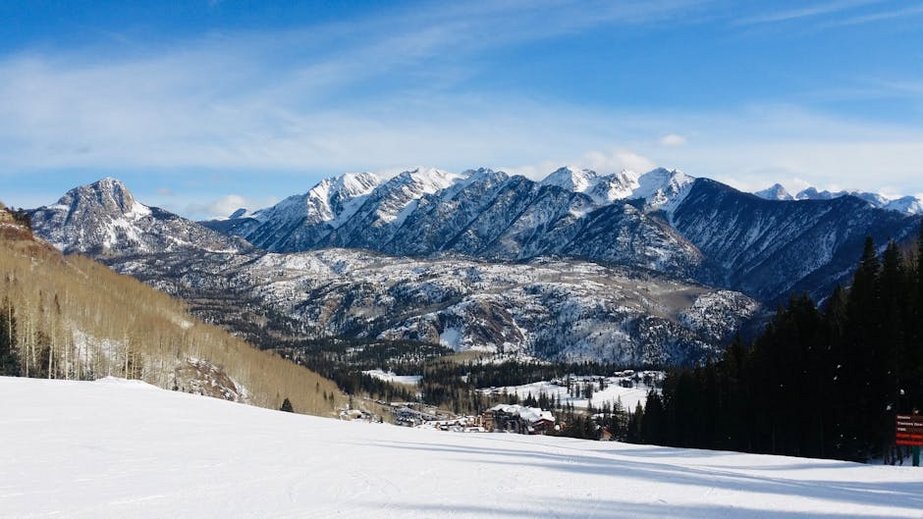
Alps Ski Resorts January Snow Quality
January delivers the most reliable snow conditions across the Alps, offering skiers and snowboarders a pristine winter playground. Resorts from France to Austria benefit from consistent cold temperatures and frequent snowfall, creating a deep, stable base that enhances safety and enjoyment. This guide details the snowpack science, top resort choices, and essential planning for your Alpine ski trip during this peak winter month.
Essential Alpine January Skiing Information
January stands as the heart of the Alpine winter season, characterized by long nights and reliably cold air masses. The snowpack reaches its maximum depth this month, often exceeding one meter at mid-mountain levels and much more at higher elevations. These conditions result from a combination of early-season accumulation and consistent mid-winter storms.
Historically, January sees the lowest average temperatures, which preserves snow quality and prevents the midday slush common in spring. The continental climate of the eastern Alps and the influence of Atlantic systems in the western Alps create varied but predictably excellent skiing terrain. Understanding these regional patterns is key to selecting the perfect destination.
The Science of January Snowpack
January’s snow quality stems from cold, dry air that produces light, fluffy powder. The snow crystals form as intricate dendrites, creating that famous low-density powder perfect for off-piste adventures. This cold smoke, as locals call it, is a hallmark of mid-winter Alpine conditions.
- Base Depth: By January, resorts typically have a base of 60-120cm (24-47 inches) at village level, with 150-300cm (59-118 inches) on upper glaciers. This depth provides coverage over rocks and early-season obstacles, making off-trail exploration safer.
- Snowfall Patterns: Expect 10-20 snowfall days per month, contributing 1-2 meters (40-80 inches) of fresh accumulation. The northern Alps often receive more frequent, lighter snow, while the southern Alps get heavier dumps from Mediterranean systems.
- Temperature Ranges: Daytime highs at resort level range from -5°C to 2°C (23°F to 35°F), while nights plunge to -15°C (5°F) or lower. Higher altitudes remain well below freezing, preserving snow quality all day.
- Budget Option ($1,200-$1,800 per person): Stay in a smaller resort or a satellite village with bus access to major slopes. Look for self-catered apartments, book flights early to Geneva or Innsbruck, and purchase lift passes online in advance for discounts. Consider eastern European Alps destinations like Slovenia for great value.
- Mid-Range Option ($2,500-$3,500 per person): This budget allows for a central hotel in a major resort like Saalbach or Les Arcs, including breakfast. You can book direct flights, rent premium skis, and enjoy a few restaurant meals. Look for packages that bundle lifts and accommodation.
- Luxury Option ($4,500+ per person): Stay in a 4-5 star ski-in/ski-out hotel or chalet in resorts like Courchevel 1850 or St. Moritz. Includes private transfers, guide services for off-piste days, fine dining, and spa access. Booking through a curated tour operator provides the best service.
- Meteoblue Snow History Archive
- Skiresort.info Live Snow Reports
Regional Climate Variations
The Alps are not monolithic; snow quality varies significantly by region. The northern French Alps, including Chamonix, benefit from Atlantic moisture, leading to abundant, sometimes heavier snow. The snowpack here builds steadily through December, reaching optimal January conditions with excellent off-piste potential.
Conversely, Austrian resorts like St. Anton sit in a drier continental zone. They receive slightly less total snowfall but boast consistently colder temperatures that preserve light, dry powder. The inner Alpine regions, such as Zermatt, experience a shielded climate with reliable sunshine and cold-preserved snow.
Understanding Avalanche Risk
January often features a well-settled snowpack, but risk persists. The deep base can hide weak layers formed during early-season snowfalls. Always check the daily avalanche bulletin (typically rated 2-3 on a 5-point scale in January) and hire a guide for backcountry excursions. Resort-controlled areas are generally very safe due to extensive mitigation work.
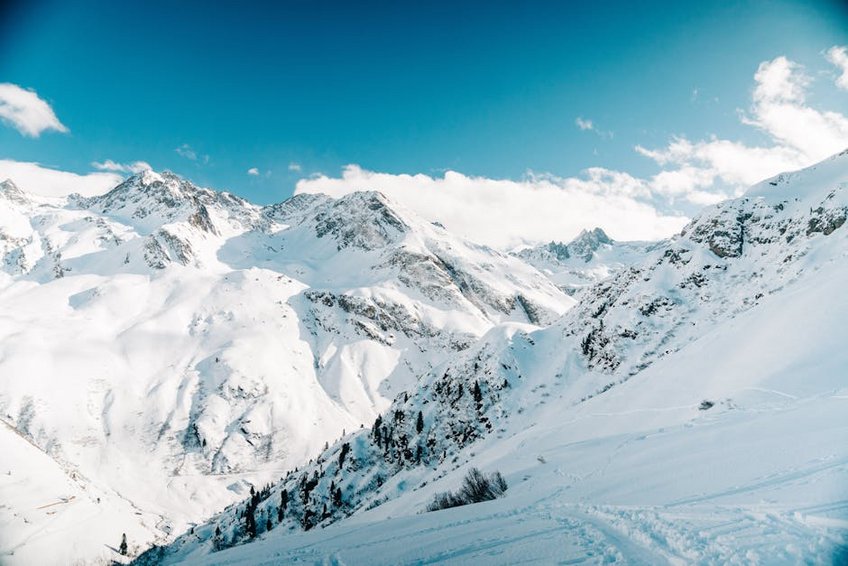
Alt: “alps-ski-resort-january-fresh-powder-snow-pistes”
Alps Ski Resorts January Snow Quality – Planning Your Trip
Focusing your search on high-altitude resorts above 1,800 meters (5,900 feet) guarantees the best snow preservation. Villages like Val Thorens in France or Obergurgl in Austria are famous for their snow-sure reputations. Your investment in a January ski holiday pays dividends in terrain accessibility and snow reliability.
Booking should occur 3-6 months in advance for the best accommodation deals and flight prices, especially around the New Year period. Consider the first two weeks of January after the holiday crowds dissipate for a perfect balance of good conditions and shorter lift lines. The snowpack is mature, and the festive atmosphere remains.
Best Time to Visit for Prime Conditions
Visit between January 5th and January 25th for the ideal balance of snow, weather, and crowd levels. Early January sees a sharp drop in visitors after New Year’s Day, while temperatures remain at their seasonal coldest, ensuring perfect powder preservation. The days begin to lengthen slightly, offering more skiing daylight.
The second half of January maintains excellent conditions, with the added benefit of potential for sunny, bluebird days following snowstorms. Avoid the very end of the month if possible, as some years see a brief period of high pressure that can stall snowfall. Overall, any January date offers superior conditions to early December or late March.
Budget Planning and Costs
A one-week January ski trip requires careful budget allocation across flights, lodging, lift passes, and gear.
Essential Preparation Checklist
Technical clothing is non-negotiable. You need a high-quality waterproof jacket and pants (minimum 20k rating), thermal base layers, insulated mid-layers, and goggles with low-light and sunny day lenses. Hand and toe warmers are invaluable for lift rides on the coldest days. Proper preparation ensures comfort in sub-freezing temperatures.
Organize travel insurance with specific winter sports coverage, including off-piste riding if planned. EU citizens need a valid passport, while US travelers must ensure it’s valid for three months beyond departure. Reserve ski rentals online beforehand to secure the correct ski length and type for January’s variable conditions, from powder to groomed corduroy.
Top Resorts and Terrain for January Skiing
Resorts with extensive north-facing slopes and high-altitude glaciers consistently outperform others in January. These areas preserve snow quality throughout the day and withstand any potential temperature fluctuations. Terrain variety is also crucial, allowing you to follow the sun or seek sheltered runs during inclement weather.
Connectivity within a large ski area provides options. The French Three Valleys or the Austrian Ski Arlberg circuit let you travel vast distances on skis, finding the best snow aspect and protection from wind. Smaller, family-oriented resorts often have excellent snowmaking on key runs, guaranteeing good piste skiing regardless of natural snowfall.
Must-See High-Altitude Destinations
Val Thorens, Europe’s highest resort at 2,300 meters (7,546 feet), is virtually guaranteed excellent January conditions across its entire domain. Its modern lift system accesses the immense Three Valleys, offering endless variety. The snow here is reliably deep, with a long season extending well into spring.
Tignes and Val d’Isère form the Espace Killy, featuring the Grande Motte glacier for year-round skiing. In January, their high alpine bowls fill with light powder. Zermatt, with its link to Cervinia, Italy, offers stunning Matterhorn views and long, sunny descents on well-preserved snow thanks to its altitude.
Hidden Gems and Local Favorites
Obergurgl-Hochgurgl in Austria opens early and closes late due to its high valley location. It’s a favorite for consistent, dry snow and a traditional atmosphere less crowded than nearby Sölden. The slopes are mostly above the tree line, providing spectacular alpine scenery and excellent snow retention.
In Switzerland, Andermatt’s recent expansion has created a huge, linked area with a reputation for massive dumps of light snow. It retains a rugged, authentic feel compared to more polished destinations. For a quieter French experience, La Rosière offers sunny, south-facing slopes with a link to Italy’s La Thuile, providing two countries’ worth of snow conditions in one trip.
Off-Piste and Freeride Opportunities
January’s stable snowpack opens world-class off-piste terrain. In Chamonix, the Vallée Blanche requires a guide but offers a 20km glacial descent. St. Anton’s backside routes into secluded valleys are legendary. Always hire a certified guide, carry avalanche safety gear (transceiver, probe, shovel), and never ski alone.
Many resorts now have marked but un-groomed freeride zones that are avalanche-controlled, offering a safer introduction to powder. Check the resort map for these areas, often called “itineraries” or “freeride zones.” They provide challenging terrain without the full commitment of the backcountry.
Practical Travel and Accommodation Information
Major international airports like Geneva (GVA), Zurich (ZRH), Innsbruck (INN), and Munich (MUC) serve the Alpine region. From there, train connections or pre-booked shuttle services provide the most stress-free transfer to resort, especially in potential snowstorms. Rental cars require snow tires and confidence driving on mountain roads.
Accommodation splits into catered chalets, hotels, and self-catered apartments. For a true January immersion, a chalet with a hot tub or a hotel with a spa offers perfect apres-ski recovery. Proximity to lifts is worth the premium to avoid long walks in ski boots on cold mornings.
| Resort Category | Prime January Features | Approx. Weekly Lift Pass (USD) |
|---|---|---|
| High-Altitude Glacier | Snow-sure guarantee, extensive off-piste, long seasons (e.g., Zermatt, Tignes) | $350-$450 |
| Major Linked Area | Vast terrain choice, reliable snowmaking, vibrant villages (e.g., 3 Valleys, Ski Arlberg) | $300-$400 |
| Family-Focused | Excellent grooming, beginner areas, shorter transfer times (e.g., Saas-Fee, Les Gets) | $250-$350 |
| Authentic/Gem | Less crowded, traditional charm, value for money (e.g., Obergurgl, Alpe d’Huez) | $280-$380 |