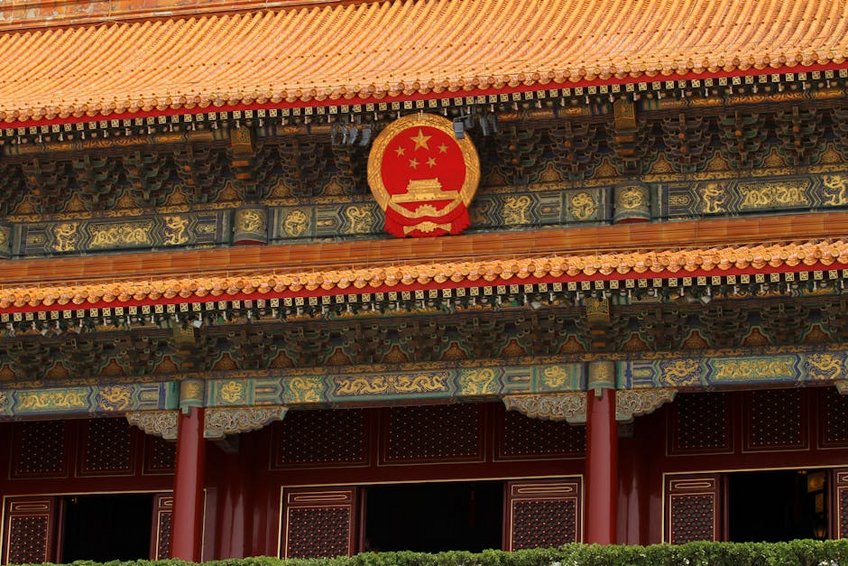
Beijing Travel Guide
Your Beijing travel guide unlocks a fascinating journey through dynastic history and dynamic modernity. You will explore ancient imperial palaces, stroll through traditional hutongs, and witness the city’s rapid transformation. This guide provides essential planning details, cultural insights, and practical tips for navigating China’s captivating capital city.
Essential Information About China’s Capital
Beijing stands as the political and cultural heart of China for over eight centuries. The city blends UNESCO World Heritage sites with futuristic architecture across its sixteen urban districts. Summer brings hot, humid weather while winter is cold and dry with occasional dust winds.
Mandarin is the official language, though basic English is understood in major tourist areas and hotels. The local currency is the Chinese Yuan (CNY), with credit cards widely accepted alongside mobile payment apps like Alipay. You need a Chinese visa for entry, which requires advance application before your trip.
Visa and Entry Requirements
Most foreign travelers require a visa to enter mainland China. The application process takes planning and specific documentation.
- Apply for a standard L tourist visa at your local Chinese embassy or consulate at least one month before departure. You must submit your passport, completed application, photo, and proof of travel plans.
- Your passport needs at least six months of validity remaining and two blank pages. The visa fee typically costs between $140 and $200 USD depending on your nationality and processing speed.
- Some travelers can enjoy a 144-hour visa-free transit if flying into Beijing and continuing to a third country. You must have confirmed onward tickets and stay within the Beijing municipal area during this period.
- Budget travel costs $40-60 USD daily using hostel dorms, street food, and public transit. You can visit free attractions like Tiananmen Square and affordable sites like Jingshan Park for $2. This tier requires advance booking for discounted train tickets to the Great Wall.
- Mid-range travel averages $100-150 USD daily with private hotel rooms, restaurant meals, and occasional taxis. You might join a guided Mutianyu Great Wall tour for $50 and enjoy Peking duck dinners. This budget allows comfortable visits to all major paid attractions and temples.
- Luxury travel exceeds $250+ USD daily at five-star hotels with private guides and driver service. Experiences include VIP access to the Forbidden City, gourmet dining at TRB Hutong, and helicopter tours over the Great Wall. This tier offers seamless cultural immersion without logistical hassles.
- Beijing Municipal Government
- Lonely Planet Beijing Guide
Understanding Local Culture
Beijing’s culture is deeply rooted in Confucian values and imperial history. Respect for hierarchy and social harmony shapes daily interactions and business etiquette. The concept of “face,” or social dignity, remains important in avoiding public confrontation or embarrassment.
Traditional customs blend with contemporary life throughout the city. You might see elderly residents practicing tai chi in temple courtyards each morning. Meanwhile, young professionals crowd trendy Sanlitun bars in the evening, showcasing the city’s diverse social layers.
Weather and Seasonal Considerations
Beijing experiences four distinct seasons with significant temperature variations. Spring, from March to May, offers mild weather between 50°F and 70°F (10°C to 21°C) but can bring sandstorms. This season is ideal for outdoor sightseeing at the Summer Palace and Temple of Heaven.
Autumn, from September to November, provides the most comfortable climate with clear, sunny days. Temperatures range from 55°F to 75°F (13°C to 24°C) with minimal rainfall. This period sees the famous golden ginkgo trees lining the streets of Diaoyutai State Guesthouse.
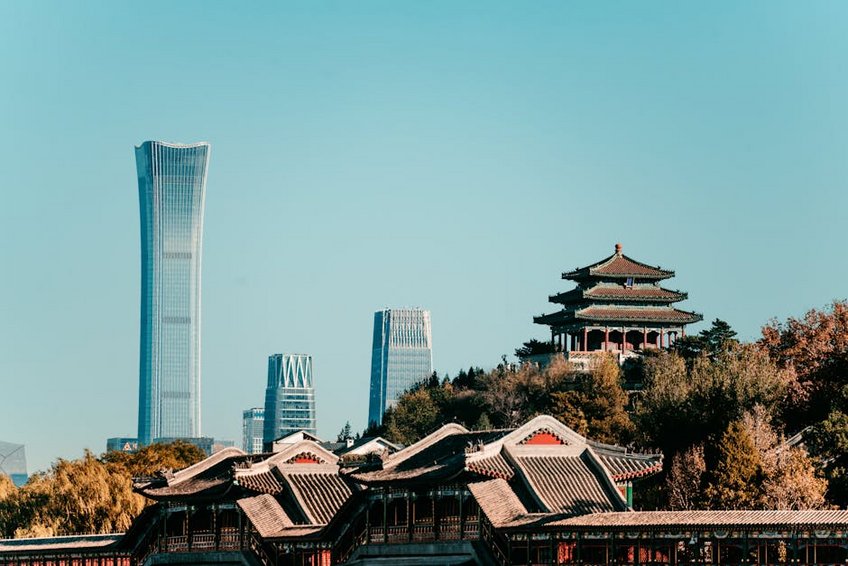
Alt: “forbidden-city-beijing-imperial-architecture-courtyard”
Beijing Travel Guide – Planning Your Trip
A successful visit to China’s capital requires thoughtful preparation and timing. Your Beijing travel guide itinerary should balance iconic historical sites with local neighborhood exploration. Consider spending at least four full days to experience the city’s major highlights without excessive rushing.
Booking accommodations near a subway station significantly improves your mobility and saves time. The city’s metro system is efficient, affordable, and has signs in both Chinese characters and English. Purchase a transportation card at any subway station for convenient access to trains and buses.
Download essential mobile apps before arrival to ease navigation and communication. WeChat serves as a vital tool for payments, translation, and contacting local services. Meanwhile, Maps.me or Baidu Maps provides reliable offline navigation for exploring the city’s complex hutongs.
Best Time to Visit Beijing
The optimal months for visiting are September, October, and early November. These autumn weeks offer pleasant temperatures between 60°F and 75°F (15°C and 24°C) with low humidity and minimal rain. You will enjoy clear skies perfect for photography at the Great Wall and Forbidden City.
Late April through May provides a good secondary option with blooming flowers and mild weather. However, spring sometimes brings unpredictable sandstorms from the Gobi Desert. Avoid the national holiday week in early October when domestic tourism creates enormous crowds at all major attractions.
Budget Planning and Costs
Daily expenses vary widely based on your travel style and accommodation choices. The following breakdown helps estimate costs for different budget levels.
Essential Preparation Checklist
Pack comfortable walking shoes as you will cover significant distances across large palace complexes and parks. Bring layers for variable weather, including a light jacket for cooler evenings and air-conditioned interiors. A power adapter for Type A, C, or I outlets is necessary for charging devices.
Ensure you have comprehensive travel insurance covering medical evacuation, as international hospitals in Beijing can be expensive. Make printed copies of your passport, visa, and hotel reservations as backup documentation. Book popular attractions like the Forbidden City online in advance to guarantee entry on your preferred date.
Top Attractions and Historical Sites
The imperial capital boasts several UNESCO World Heritage sites within easy reach. The Forbidden City represents the world’s largest ancient palace complex with over 980 buildings. Meanwhile, the Temple of Heaven showcases Ming dynasty architectural perfection where emperors prayed for good harvests.
Beyond the major landmarks, Beijing’s charm unfolds in its traditional alleyway neighborhoods. The hutongs around Houhai Lake and the Lama Temple area offer glimpses of local life away from tourist crowds. You can explore these narrow lanes by rickshaw or simply wander on foot to discover hidden courtyards.
Must-See Historical Highlights
The Great Wall at Mutianyu provides the most scenic and accessible experience for most visitors. This restored section features watchtowers perched along forested mountain ridges just 90 minutes from downtown. Visit on a weekday morning to avoid crowds and take the cable car up for easier access.
The Summer Palace northwest of the city center served as the imperial family’s retreat from summer heat. You can spend half a day wandering through pavilions, temples, and gardens surrounding Kunming Lake. Arrive early to rent a paddle boat before the afternoon tour groups descend on the waterfront.
The National Museum of China on Tiananmen Square offers comprehensive exhibits on Chinese civilization through millennia. Admission is free but requires passport identification and security screening. Allocate at least three hours to appreciate the extensive bronze, ceramic, and calligraphy collections.
Hidden Gems and Local Favorites
Fayuan Temple in the Xicheng district remains Beijing’s oldest Buddhist temple, founded in 645 AD. Unlike more touristy temples, this active monastery houses a Buddhist academy where you might observe monks in quiet study. The temple grounds contain ancient steles and a peaceful courtyard with catalpa trees.
The 798 Art District in Dashanzi transforms a former electronics factory complex into Beijing’s premier contemporary art space. Galleries showcase avant-garde Chinese artists alongside international exhibitions in Bauhaus-style industrial buildings. Visit on weekends when the area buzzes with cafe culture and independent fashion boutiques.
Jingshan Park directly north of the Forbidden City provides the city’s best panoramic viewpoint. A short climb leads to the Wanchun Pavilion overlooking the golden roofs of the imperial palace. Locals gather here for morning exercise and evening social dancing with magnificent sunset views.
Experiencing Traditional Performing Arts
Peking Opera at the Huguang Guild Hall delivers an authentic cultural performance in a historic venue. Shows typically include excerpts from classic stories with elaborate costumes, acrobatics, and distinctive vocal styles. Purchase tickets in advance for weekend performances which often sell out quickly.
The Chaoyang Theater presents spectacular acrobatic shows featuring incredible balance, flexibility, and coordination. Performances run nightly with matinees on weekends suitable for families with children. These displays of physical artistry represent a different facet of China’s rich performance traditions.
Practical Travel Information and Logistics
Navigating Beijing is straightforward with its efficient public transportation network and clear signage. The Beijing Subway operates 27 lines connecting all major districts and attractions with announcements in English. Purchase a Yikatong transit card for convenient tap-and-go access across buses and trains.
Taxis are abundant and affordable but require navigation assistance as most drivers speak limited English. Have your destination written in Chinese characters or show a map on your phone. Ride-hailing apps like Didi Chuxing offer English interfaces and precise location tracking for easier trips.
| Accommodation Type | Best Areas & Features | Price Range (USD) |
|---|---|---|
| Hostels & Guesthouses | Nanluoguxiang hutong area; social atmosphere, bike rentals | $15-30 per night |
| Mid-Range Hotels | Wangfujing or Dongcheng; walking distance to Forbidden City | $80-150 per night |
| Business Hotels | Chaoyang district; international standards, multiple restaurants | $120-220 per night |
| Luxury Hotels | Sanlitun or Guomao; rooftop bars, spas, concierge services | $250-500+ per night |