

Beginner’s Guide to Camping
Your first tent camping adventure connects you with nature through an accessible and rewarding outdoor experience. This practical guide delivers the essential knowledge for selecting gear, choosing a campsite, and executing a safe, enjoyable trip from start to finish. You’ll learn foundational skills for shelter, cooking, and planning that build confidence for future outdoor adventures.
Essential Camping Information for Newcomers
Modern recreational camping evolved from 19th-century excursions, becoming a mainstream family activity by the mid-1900s. Today’s outdoor adventure options range from drive-up car camping to remote backpacking, each requiring different preparation levels. This variety ensures you can find a suitable entry point matching your comfort and budget.
Public lands like national parks and state forests offer developed campgrounds with amenities, while dispersed camping on Bureau of Land Management areas provides solitude. Understanding these distinctions helps you select an appropriate first destination. Always check specific land management rules regarding permits, fire restrictions, and wildlife precautions before departure.
Core Camping Styles Explained
Different outdoor trips suit different experience levels and goals.
- Car camping involves driving directly to a designated site, allowing for larger tents, coolers, and comfort items, making it ideal for families and first-timers.
- Backcountry camping requires hiking all gear to a primitive site, prioritizing lightweight equipment and self-sufficiency for those seeking wilderness immersion.
- RV and glamping options provide hard-sided shelters or furnished tents, blending outdoor proximity with hotel-like amenities for a softer introduction.
- Budget car camping requires about $300-$500 for a basic 4-person tent, sleeping bags, pads, cooler, and a simple camp stove. Borrow or rent larger items initially to test your interest before purchasing.
- Mid-range outfitting costs $800-$1,200, featuring higher-quality, durable gear from reputable brands, a reliable cooler, comfortable chairs, and a robust stove system for family meals.
- Luxury or specialized camping investment exceeds $2,000, covering technical four-season tents, premium sleeping systems, portable power stations, and high-end cooking equipment for maximum comfort.
- Recreation.gov – Federal Campground Reservations
- Leave No Trace Center for Outdoor Ethics
Key Terminology and Concepts
Familiarize yourself with common terms used in campground descriptions and reservation systems. A “dry site” lacks water and electrical hookups, while a “primitive site” typically offers only a fire ring and picnic table. Knowing these details prevents surprises upon arrival.
Leave No Trace principles form the ethical foundation for all outdoor recreation, emphasizing minimizing your environmental impact. These seven guidelines cover everything from waste disposal to respecting wildlife. Adhering to them preserves natural spaces for future visitors.
Understanding Weather and Terrain
Check regional climate patterns for your destination, including average daytime highs and overnight lows for your trip dates. Mountain and desert areas experience drastic temperature swings between day and night, necessitating layered clothing systems. Coastal regions often contend with morning fog and higher humidity affecting gear.
Research your specific campground’s topography, as valley floors can collect cold air and experience frost while ridge sites face stronger winds. This knowledge informs tent placement and sleeping bag selection. Download offline maps since cellular service is often unreliable in natural areas.
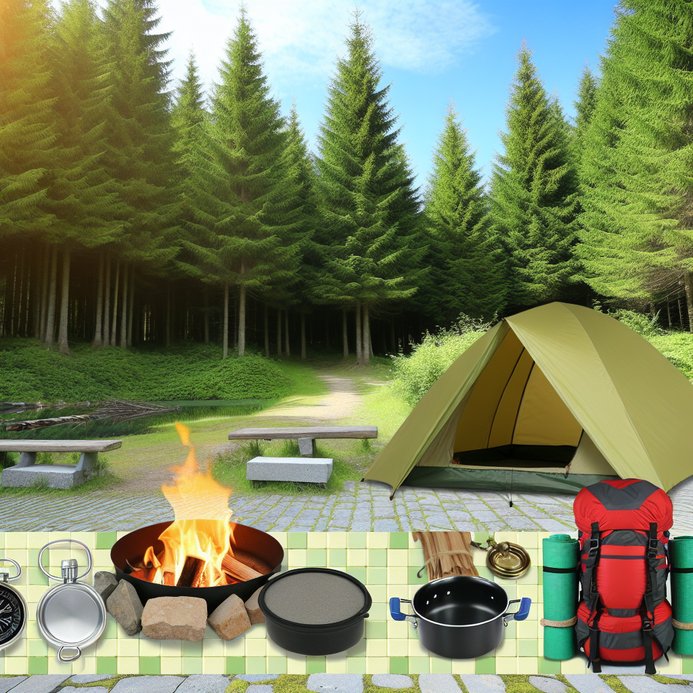
Alt: “first-time-campers-setting-up-tent-sunny-forest”
Camping – Planning Your First Trip
Successful outdoor adventures begin with detailed, realistic planning focused on safety and enjoyment. Start by choosing a developed campground within two hours of home for a manageable shakedown trip. This proximity allows for an easy retreat if weather turns or forgotten gear is essential.
Make reservations well in advance, especially for summer weekends at popular national park campgrounds, which can book six months ahead. Your initial camping trip should last two nights, giving you time to troubleshoot setup and relax. A single night often feels rushed for newcomers learning routines.
Create a shared digital checklist with your group covering shelter, kitchen, clothing, and personal items. Assign specific gear categories to different people to avoid duplicate heavy items like stoves. Confirm campground amenities like potable water and restroom availability to refine your packing list.
Best Time to Go Camping
Late spring through early fall offers the most forgiving conditions for novice outdoor enthusiasts across most regions. Target May or September for milder temperatures, fewer insects, and reduced campground crowds compared to peak summer months. Daytime temperatures typically range from 65-80°F (18-27°C) with nights cooling to 45-55°F (7-13°C).
Shoulder seasons provide excellent practice for managing cooler evenings without extreme winter gear. Avoid holiday weekends like Memorial Day or Labor Day when sites are most crowded and expensive. Early summer often brings pesky mosquitoes, while late fall risks unexpected early frosts in northern areas.
Budget Planning and Costs
Initial gear investment varies dramatically based on the camping style you choose.
Essential Preparation Checklist
Your shelter system needs a tent rated for your group size plus one, a ground tarp, and a mallet for stakes. Sleep systems require sleeping bags rated at least 10°F (5°C) below expected lows and insulated sleeping pads for comfort and warmth. Test pitching your tent in your backyard before your trip.
Gather necessary documentation including printed reservation confirmations, park passes, and identification. Secure necessary permits for campfires or backcountry access where required. Plan meals that require minimal refrigeration and prep time, packing ingredients in reusable containers to minimize waste.
Top Camping Activities and Experiences
Beyond setting up camp, the outdoor environment offers endless engagement. Day hikes from your basecamp explore surrounding trails without carrying a full backpack. Many developed campgrounds provide trailhead access directly from the loop, perfect for morning or evening walks.
Campfire time becomes a central social activity for storytelling, stargazing, and simple relaxation. Learn local regulations for gathering firewood, as transporting untreated wood can spread invasive insects. Always fully extinguish fires with water until the ashes are cool to the touch.
Nature observation enhances your connection to the place, from identifying bird calls to tracking animal signs. Bring field guides specific to the region’s flora and fauna. Engage kids with scavenger hunts for different leaf shapes, rock types, or animal tracks.
Must-See Highlights Near Campgrounds
National Park Service campgrounds often position you steps from iconic natural features. In Yosemite National Park, the Upper Pines Campground provides walking access to Glacier Point vistas and Vernal Fall trailheads. Arrive early for parking at popular day-use areas adjacent to campsites.
State park systems frequently feature historical landmarks or unique geological sites within campground boundaries. Explore these during quieter early morning hours before day visitors arrive. Ranger-led evening programs at many developed sites offer educational insights into local ecology.
Hidden Gems and Local Favorites
Seek out lesser-known National Forest Service campgrounds that often match the beauty of nearby national parks with fraction of the crowds. These sites typically offer more spacious, wooded sites at lower cost while maintaining basic amenities like vault toilets and picnic tables.
Local outdoor clubs and gear shops can recommend dispersed camping areas on public lands that don’t appear on major booking platforms. These spots offer solitude but require thorough preparation as they lack facilities. Always verify current access and fire regulations with the managing agency before departing.
Water-Based Camping Adventures
Many campgrounds situated along lakes, rivers, or coastlines enable paddle sports and fishing. Rent kayaks or stand-up paddleboards locally to explore waterways from a unique perspective. Always wear properly fitted life jackets and check weather conditions before heading out on open water.
Fishing from shore provides relaxing entertainment; purchase required state fishing licenses online before your trip. Practice catch-and-release ethics unless harvesting fish for immediate consumption is permitted and you’re prepared to clean and cook them. Clean all gear thoroughly to prevent spreading aquatic invasive species.
Practical Travel Information for Campers
Navigating campground logistics smoothly maximizes your time enjoying nature. Most developed sites operate on a check-in system allowing arrival after 2 PM and departure before noon. Have your reservation number ready for the camp host, often listed on posted site maps.
Modern campgrounds increasingly use digital reservation systems like Recreation.gov for federal lands or state-specific portals. Book as far in advance as possible, noting cancellation policies which typically offer full refunds up to 48 hours before arrival. Mid-week stays often provide better site selection and quieter atmospheres.
| Camping Style | Key Features & Gear | Average Nightly Cost (USD) |
|---|---|---|
| Car/Tent Camping | Drive-up site, picnic table, fire ring, access to water and restrooms | $20 – $45 |
| RV Camping | Paved pad with electrical/water/sewer hookups, Wi-Fi, cable TV access | $35 – $80 |
| Group Camping | Larger secluded area with multiple tables, larger fire pit, parking for several vehicles | $75 – $150 |
| Backcountry/Primitive | Designated remote site with no amenities, requires hiking or boating access | $0 – $15 (permit fee) |


