Balkans Travel Planning Guide
Creating a Balkans travel itinerary requires balancing iconic stops with hidden gems across this complex and captivating region. Your Balkans Travel Planning Guide must account for varying currencies, transportation networks, and cultural nuances between neighboring countries. This resource provides specific strategies, cost breakdowns, and logistical insights for crafting a seamless and enriching Balkan adventure from Slovenia to Greece.
Essential Balkan Region Information
The Balkans encompass Southeastern Europe with coastlines on the Adriatic and Ionian Seas. This guide focuses on the former Yugoslav nations plus Albania, Bulgaria, Greece, and sometimes Romania, depending on your route. Each country boasts a distinct identity shaped by Ottoman, Austro-Hungarian, Venetian, and Byzantine influences.
Modern borders are relatively young, with several nations gaining independence in the 1990s. Understanding this recent history provides crucial context for your journey. Travelers encounter a fascinating mosaic of alphabets, religions, and languages within compact geographical distances.
Countries at a Glance
Your itinerary can mix coastal, mountainous, and historic urban experiences.
- Croatia & Montenegro: Feature stunning Adriatic coastlines, medieval walled cities like Dubrovnik and Kotor, and robust tourist infrastructure ideal for first-time visitors.
- Bosnia & Herzegovina & Serbia: Offer profound historical depth in cities like Sarajevo and Belgrade, alongside affordable prices and emerging food scenes away from peak crowds.
- Slovenia, Albania, North Macedonia & Bulgaria: Provide alpine scenery, Ottoman-era towns, ancient lakes, and ski resorts representing excellent value for adventurous travelers willing to venture further.
- Budget Traveler ($40-60 USD/day): Stay in hostels or guesthouses, use public buses, eat street food or market groceries, and focus on free walking tours and natural sights. This is very feasible in Bosnia, Albania, Serbia, and North Macedonia.
- Mid-Range Traveler ($80-120 USD/day): Enjoy private rooms or boutique hotels, occasional taxi rides, meals at local restaurants, and paid entrance to major museums or guided day trips. This range works well in Croatia and Montenegro outside peak season.
- Luxury Traveler ($200+ USD/day): Stay in 4-5 star hotels or design villas, hire private drivers for intercity travel, dine at top-rated restaurants, and book private sailing or specialized guided tours. Available in Dubrovnik, Hvar, and Ljubljana.
- Balkan Insight Travel Guide
- Lonely Planet Balkans Travel Information
Key Travel Considerations
Border crossings are generally straightforward for US and EU passport holders, but always check specific entry requirements. The Schengen Area includes Slovenia, Greece, and Croatia, while Bosnia, Serbia, Albania, and Montenegro maintain separate border controls. You may need multiple entry stamps.
Regional travel requires adaptability as train networks are limited outside major corridors. Rely on intercity buses, private transfers, or rental cars for flexibility. English is widely spoken in tourist centers but learning basic greetings in local languages is appreciated.
Climate and Seasonal Planning
Weather patterns shift dramatically from alpine north to Mediterranean south. Coastal areas enjoy hot, dry summers from June to August, perfect for sailing and beach visits. Inland and mountainous regions experience cold winters with reliable snowfall from December to March, ideal for skiing.
Shoulder seasons of May-June and September-October deliver pleasant temperatures, fewer tourists, and lower prices across the entire peninsula. This is the optimal window for a comprehensive multi-country Balkan adventure.
Alt: “balkan-peninsula-map-coastal-mountains-historic-towns”
Balkans Travel Planning Guide – Crafting Your Itinerary
Effective Balkans travel planning centers on realistic pacing and strategic routing. Attempting to cover ten countries in two weeks leads to exhaustion, not enrichment. Instead, focus on a specific region or theme, like the Adriatic coast or the interior history route, allowing for deeper engagement.
Your Balkan itinerary budget depends heavily on destination selection, with coastal Croatia and Slovenia commanding Western European prices. Albania, Bosnia, Serbia, and North Macedonia offer exceptional value, where a nice meal costs under $15 USD. Balance your spending by mixing premium and budget-friendly countries.
Logistics require advance planning for summer ferries in Croatia and July-August accommodation everywhere. For a flexible Balkan adventure, consider renting a car, which simplifies crossing borders with neighboring non-EU states. Always carry some local currency, as card acceptance varies.
Best Time to Visit the Balkans
The ideal period for a multi-country Balkan trip is late spring (May to early June) or early autumn (September to October). Daytime temperatures range from a pleasant 65-75°F (18-24°C) with minimal rainfall, ideal for city walking tours and coastal activities. These months avoid the intense summer heat and peak tourist crowds.
July and August see temperatures soar to 85-95°F (30-35°C) on the coast, with inflated prices and packed attractions. Winter (November-March) is excellent for budget city breaks and skiing but limits coastal travel and ferry services. Some mountain passes may close due to snow.
Budget Planning and Costs
Daily costs fluctuate dramatically by country. Here’s a realistic per-person budget breakdown.
Essential Preparation Checklist
Secure valid travel insurance covering medical evacuation and adventure activities if hiking or skiing. Ensure your passport has at least six months’ validity and multiple blank pages for potential stamps. EU citizens can travel freely, while US/UK/Canadian passport holders enjoy visa-free access for 90 days within a 180-day period for most countries.
Pack comfortable walking shoes, a universal power adapter (types C & F), a lightweight rain jacket, and a swimsuit regardless of season. Download offline maps on Google Maps or Maps.me and consider a regional eSIM for consistent data. Book key intercity buses or ferries 24-48 hours in advance during summer.
Top Attractions and Cultural Highlights
This region’s appeal lies in its staggering diversity, from Roman ruins to Ottoman bazaars and Venetian palaces. Prioritize based on your interests: history, nature, or coastal relaxation. Most iconic sites are UNESCO-protected, offering well-preserved glimpses into layered pasts.
Beyond famous spots, allocate time for spontaneous discoveries like a local *kafana* (tavern) in Serbia or a family-run winery in rural Slovenia. The pace of life invites lingering over coffee, which becomes a cultural experience itself. Allow your itinerary to breathe between major stops.
Must-See Historical Cities
Dubrovnik, Croatia: Walk the magnificent 2km-long medieval walls for breathtaking Adriatic views. Visit between 8-9 AM or after 4 PM to avoid cruise ship crowds. A one-day pass costs roughly $35 USD.
Mostar & Sarajevo, Bosnia: Witness the iconic Stari Most bridge and explore Sarajevo’s poignant Tunnel of War Museum. These cities offer profound lessons in resilience and coexistence that define the modern Balkan spirit.
Belgrade, Serbia: Explore the imposing Kalemegdan Fortress at the confluence of the Danube and Sava rivers. The city’s vibrant nightlife in splavovi (river barges) provides a stark contrast to its communist-era architecture.
Natural Wonders and Scenic Landscapes
Plitvice Lakes, Croatia: This UNESCO site features sixteen terraced lakes connected by waterfalls. Arrive at park opening to experience the boardwalks in relative peace before day-trippers arrive. Purchase tickets online in advance during summer.
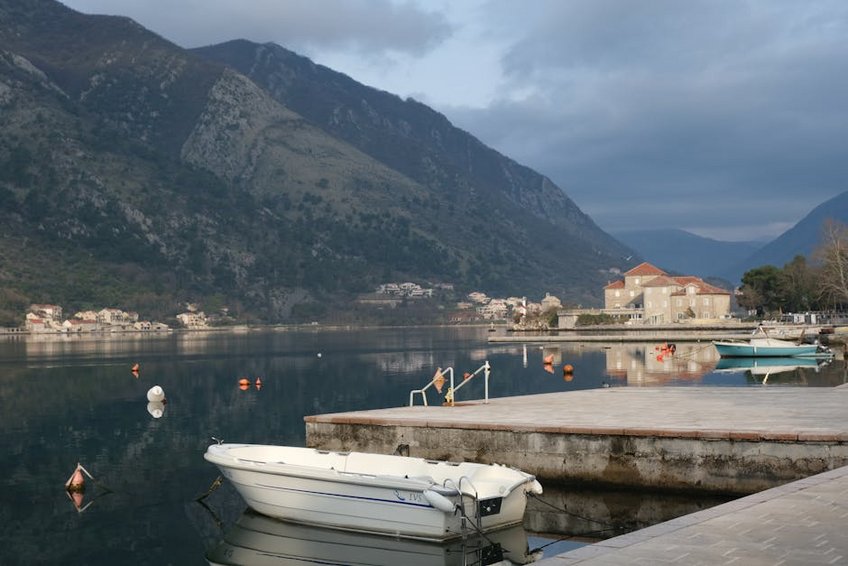
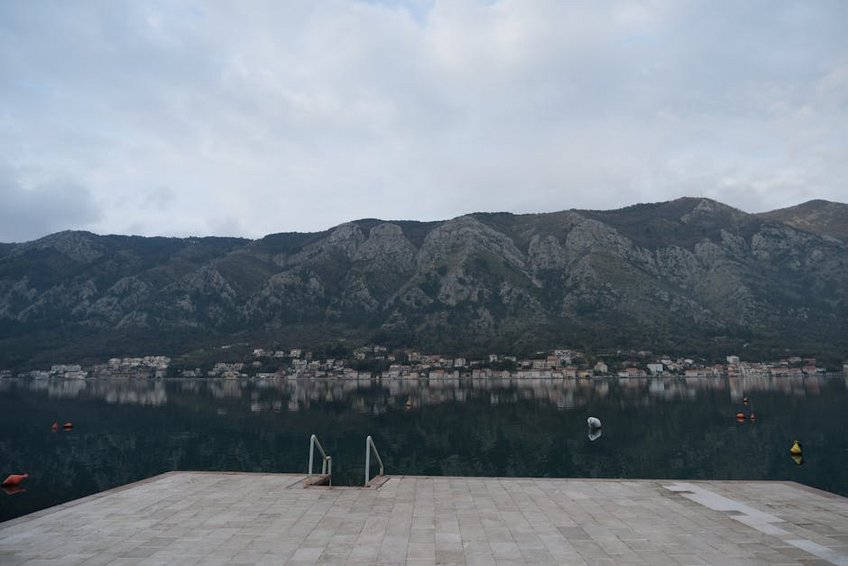
Bay of Kotor, Montenegro: Often called Europe’s southernmost fjord, this bay is best explored by car or boat to visit its charming perched villages like Perast. Drive the serpentine road up to the Lovćen National Park for panoramic views.
Lake Ohrid, North Macedonia/Albania: One of Europe’s oldest and deepest lakes, famed for its crystal clarity and Byzantine churches. The Macedonian side offers more developed tourist services, while the Albanian side feels wonderfully undiscovered.
Adventure and Outdoor Activities
The Dinaric Alps provide world-class hiking, white-water rafting, and zip-lining. Slovenia’s Triglav National Park and the Via Dinarica trail system in Bosnia and Montenegro attract serious trekkers. The Adriatic coast from Croatia to Albania is a premier destination for sailing, kayaking, and paddleboarding.
Winter transforms regions like Bansko in Bulgaria and Jasna in Slovakia into affordable ski destinations. For a unique adventure, go cave exploring in Postojna (Slovenia) or white-water rafting on the Tara River Canyon (Montenegro), one of Europe’s deepest gorges.
Practical Travel Logistics and Transportation
Moving between Balkan nations is an integral part of the experience. Major international airports include Zagreb (ZAG), Dubrovnik (DBV), Belgrade (BEG), Sofia (SOF), and Athens (ATH). Consider open-jaw flights, arriving in one city and departing from another to minimize backtracking.
Accommodation ranges from five-star resorts to family-run *pensions* and mountain huts. Booking.com and Airbnb dominate the market, but for rural homestays in Albania or Bosnia, you may need to book directly or upon arrival. Always confirm check-in times, as reception isn’t always 24/7.
| Accommodation Type | Best For & Features | Avg. Price Range/Night (USD) |
|---|---|---|
| Hostel / Guesthouse | Budget solo travelers & social atmosphere; often includes kitchen | $12 – $25 |
| Private Apartment / Pension | Couples & small groups; more space, local hosts, self-catering | $40 – $80 |
| Boutique Hotel | Mid-range comfort & design; central location, breakfast included | $80 – $150 |
| Luxury Hotel / Resort | Coastal splendor & amenities; spa, pool, concierge, sea views | $200 – $500+ |