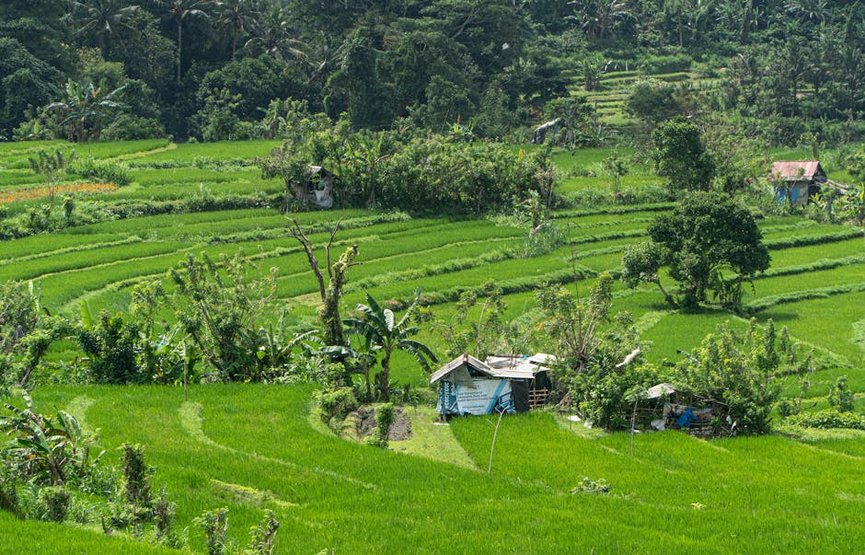
Bali Rice Terrace Photography Tips
Capturing the iconic rice terraces of Bali requires more than just a good camera. These ancient agricultural landscapes, known as *sawah*, offer stunning visual narratives shaped by light, water, and human tradition. This guide provides actionable tips for timing your shoot, selecting the right gear, and respectfully navigating these cultural sites to elevate your Bali rice terrace photography.
Essential Information on Bali’s Rice Terraces
Bali’s terraces, or *subak*, represent a centuries-old cooperative water management system recognized by UNESCO. This intricate network channels water from volcanic lakes through temples and canals to every field. The philosophy of *Tri Hita Karana*, balancing harmony with God, people, and nature, is physically manifested in this landscape.
The most famous terraces are in central Bali’s Tegallalang and Jatiluwih regions, each offering distinct topography. Tegallalang features dramatic, steep valleys close to Ubud, while Jatiluwih presents expansive, rolling hills a longer drive away. Understanding this geography helps photographers choose locations matching their desired composition style, from intimate details to vast panoramas.
The Cultural Significance of the Subak System
Your photography gains depth by appreciating the cultural framework behind the scenery. The *subak* system dictates the planting and flooding cycles visible in the fields.
- The water temples (*Pura Ulun Carik*) control irrigation schedules, creating the patchwork of green and gold fields you’ll photograph.
- Farmers plant in coordinated stages, meaning you’ll find fields at different growth cycles even within the same area, adding textural variety.
- Respect sacred areas and irrigation channels; never step into a flooded field or block a water gate for a photo.
- Essential Gear Budget ($200-500): A sturdy travel tripod is non-negotiable for sunrise/sunset shots. A circular polarizing filter (CPL) manages reflections on water and enhances sky contrast. Include a microfiber cloth and rain cover for sudden mist or showers.
- Lens Investment ($700-1500): A wide-angle lens (16-35mm) captures vast landscapes, while a telephoto zoom (70-200mm) compresses layers and isolates details like farmers working. A fast prime lens (e.g., 35mm or 50mm) is excellent for low-light scenes at dawn.
- Accessory Budget ($50-150): Pack extra batteries and high-capacity memory cards. A neutral density (ND) filter allows for long exposures to blur cloud movement, adding drama to the scene.
- Indonesia Travel – Tegallalang Rice Terrace
- UNESCO World Heritage – Cultural Landscape of Bali Province
Understanding the Agricultural Cycle
The visual appeal of the terraces changes dramatically with the rice growth stages. Newly planted fields appear as mirrors of water reflecting the sky. This stage offers stunning symmetrical compositions, especially at sunrise.
Mid-growth stages present vibrant, lush green carpets perfect for conveying fertility and life. The final golden stage before harvest provides warm, rich tones and beautiful contrast against the blue sky. Planning your visit around these cycles is a key professional tip for landscape shooters.
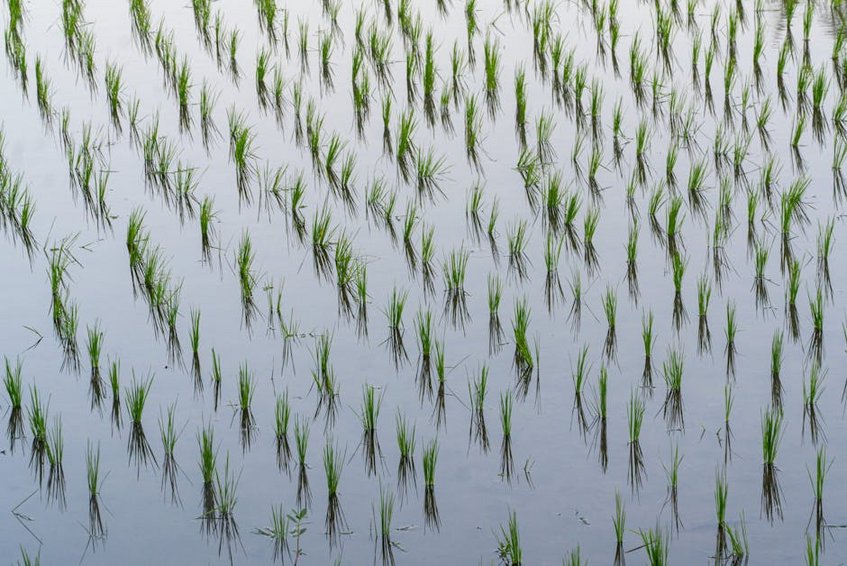
Alt: “tegallalang-rice-terraces-morning-light-green-paddies”
Bali Rice Terrace Photography – Planning Your Shoot
Successful terrace photography hinges on meticulous planning around light, location, and local conditions. The golden hours just after sunrise and before sunset provide soft, directional light that defines the terraces’ contours. Midday light is harsh but can work for abstract patterns if you use a polarizing filter to manage glare from the water.
Budget for entrance fees, which range from 10,000 to 50,000 IDR ($0.65-$3.25 USD) per person at popular sites like Tegallalang. Allocate extra for parking and potential “donations” requested by farmers for accessing certain viewpoints. Hiring a local guide for half a day (approx. 300,000 IDR or $20 USD) can provide access to less crowded areas and valuable cultural context.
Best Time to Visit for Photography
The ideal months for Bali rice terrace photography are during the dry season, from April to September. This period offers clearer skies, lower humidity for sharper images, and predictable golden hour conditions. Daytime temperatures range from 80-90°F (27-32°C) with minimal rainfall.
Shoulder months like March and October can also be excellent, with greener landscapes following rainy periods and fewer tourists. The rainy season (November-February) brings dramatic clouds and intense green colors, but showers can disrupt shooting. Visit very early to beat the afternoon storms common in this season.
Budget Planning and Gear Costs
Beyond travel costs, budget for specific photography gear to enhance your shots.
Essential Preparation Checklist
Prepare your gear and logistics the night before an early shoot. Charge all batteries, format memory cards, and pack your bag with lenses, filters, tripod, and water. Check the sunrise time and plan to arrive at least 45 minutes prior to secure your spot.
Wear sturdy, closed-toe shoes with grip for muddy, slippery paths. Dress in layers, as mornings in the highlands can be cool (around 68°F/20°C) before warming up rapidly. Bring small Indonesian Rupiah notes for entrance fees, refreshments, and potential contributions to local farmers.
Top Locations and Composition Techniques
While Tegallalang is the most accessible, exploring other areas yields unique compositions and fewer crowds. Jatiluwih, a UNESCO World Heritage site, offers sweeping, endless lines of terraces perfect for panoramic shots. The journey there takes about 1.5 hours from Ubud but rewards with a more authentic, serene atmosphere.
Lesser-known spots like the Sidemen Valley or the terraces near Pupuan present fantastic opportunities without the commercial distractions. These areas allow for more intimate portraits of farming life and unimpeded landscapes. Always seek permission before photographing people directly.
Must-See Photography Spots
Tegallalang’s main ridge offers the classic view, but walk along the paths down into the valley for more dynamic angles. The “Instagram swing” area provides high vantage points, but explore the side paths for less clichéd compositions. Visit the nearby Pakudui village for craft and terrace combination shots.
Jatiluwih requires more exploration on foot. The main viewing platform is a starting point. Follow the walking trails that weave through the terraces themselves; this immerses you in the scene and creates leading lines with the footpaths and irrigation channels. The light here is often superb late in the afternoon.
Hidden Gems and Local Favorites
For a truly local experience, head to the rice terraces around the village of Tembuku, near Bangli. These are working terraces with almost no tourist infrastructure, offering raw, authentic scenes. You’ll need your own transport and a respectful, low-profile approach.
The terraces near Pura Gunung Kawi Sebatu, a water temple, combine spiritual architecture with lush greenery. This spot is excellent for capturing the connection between the *subak* system and Balinese Hinduism. It’s often quiet in the mornings, providing a peaceful shooting environment.
Mastering Composition and Perspective
Use the terraces’ natural lines—the curves of the paddies, irrigation channels, and footpaths—as powerful leading lines. Position these lines to draw the viewer’s eye through your frame toward a focal point, like a temple, tree, or farmer. A low perspective, shooting from within the terrace, emphasizes height and depth.
Incorporate human elements for scale and storytelling. A farmer in a conical hat, a worker leading ducks between fields, or a local walking a path adds life. Use a telephoto lens to capture these moments candidly from a distance without intrusion. Look for repeating patterns and textures in the rice stalks for abstract close-up shots.
Practical Travel and Logistics
Transportation is key for reaching terraces at optimal times. Renting a scooter offers flexibility for around $5-10 USD per day, but only if you’re experienced with Balinese traffic. For sunrise trips, hiring a private driver for a half-day (approx. 300,000-400,000 IDR or $20-$26 USD) is safer and more reliable, allowing you to rest en route.
Accommodation in Ubud places you closest to Tegallalang (20-minute drive). For Jatiluwih, consider staying in nearby Tabanan or Munduk to minimize morning travel time. Guesthouses and homestays near the terraces often offer early breakfasts or packed meals for photographers heading out at dawn.
| Category | Options & Features | Price Range (USD) |
|---|---|---|
| Transport | Private car with driver (half-day), Scooter rental (24hrs), Ride-hailing app (Gojek) for single trips | $20-$30, $5-$10, $3-$8 |
| Entrance Fees | Tegallalang, Jatiluwih (UNESCO site), Smaller village terraces | $0.65-$2, $2.50-$3.25, Free-$1 |
| Guided Photo Tour | Half-day sunrise tour including transport, guide, and breakfast, Private full-day intensive workshop | $70-$100, $200-$350 |
| Nearby Accommodation | Ubud homestay, Tabanan guesthouse, Sidemen valley retreat | $15-$40/night, $20-$50/night, $30-$80/night |