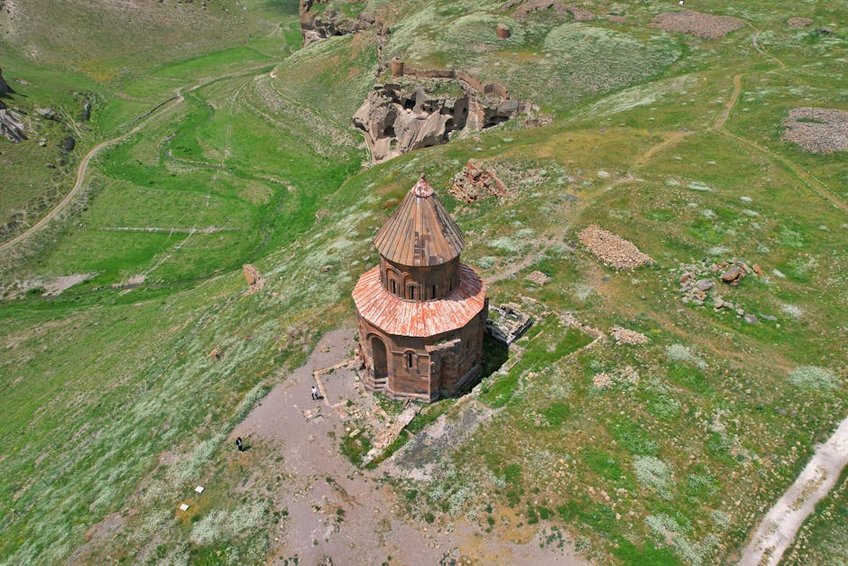
Ani Ruins Travel Guide
Exploring the Ani Ruins offers a profound journey into a medieval crossroads of civilization, where Armenian, Georgian, Byzantine, and Seljuk influences literally stand in stone. Your visit connects you to a pivotal Silk Road capital, known historically as the “City of 1001 Churches,” through its stunning surviving architecture set on a dramatic plateau. This guide provides the essential logistics, historical context, and cultural insights to plan a respectful and unforgettable trip to this remote archaeological wonder.
Essential Historical and Cultural Context
Ani’s significance stems from its peak as the capital of the medieval Armenian Bagratuni Kingdom in the 10th and 11th centuries. Strategically positioned on several trade routes, the city flourished into a metropolis rivaling Constantinople and Baghdad in wealth and cultural output. Its decline began after Byzantine conquest, followed by Seljuk rule, a devastating 1319 earthquake, and the shifting of major trade pathways.
Often called the “City of 1001 Churches,” Ani was a major center of early Christianity and architectural innovation. The ruins showcase groundbreaking designs like pointed arches and ribbed vaulting that influenced later Gothic architecture in Europe. Walking the site today, you traverse a silent city that once housed over 100,000 residents, feeling the weight of empires that rose and fell here.
What Defines the Ani Archaeological Zone
The expansive zone spans the Turkish side of the closed border with Armenia, creating a poignant and politically sensitive landscape.
- The site covers approximately 250 acres of grassy plateau, defined by the deep ravine of the Akhurian River forming a natural border.
- Key structures include the iconic Cathedral of Ani, the Church of the Holy Redeemer, the Church of St. Gregory, and the formidable city walls with their Lion Gate.
- Expect a mix of partially restored monuments and piles of rubble, requiring imagination to visualize the city’s former grandeur amidst the sweeping, wind-swept plains.
- Budget: $35-$50 per person. Covers shared minibus from Kars (~$10 roundtrip), site entrance fee (~$5), self-guided exploration, and a packed lunch. Accommodation in a Kars hostel or budget hotel is separate.
- Mid-Range: $80-$120 per person. Includes private taxi from Kars (~$50-70 total), entrance fee, a 2-3 hour licensed English-speaking guide (~$40), and lunch at a local Kars restaurant. This offers the best value for understanding and access.
- Luxury: $200+. Features a curated full-day private tour from Kars with an expert historian guide, dedicated driver, gourmet picnic lunch on-site, and perhaps combined with other regional highlights like the Kars Castle.
- Turkish Ministry of Culture and Tourism – Ani
- UNESCO World Heritage Centre – Archaeological Site of Ani
Key Historical Periods and Influences
Ani’s architecture tells a layered story of successive rulers and their cultural imprints. The Bagratuni Armenian period left the most iconic Christian churches, characterized by precise stone masonry and intricate exterior bas-relief carvings. This era established Ani as a preeminent center for theological scholarship and artistic patronage along the Silk Road.
Following the 1064 Seljuk conquest, Islamic elements appeared, including the elegant minaret of the Manuçehr Mosque, considered one of the first Turkish mosques in Anatolia. Subsequent control by Kurdish Shaddadids, Georgians, and more left further marks, making the ruins a palimpsest of medieval Eurasian history best appreciated with some prior reading.
Visiting with Respect and Awareness
The site’s location on the Turkish-Armenian border adds a profound, sometimes somber, layer to the experience. The closed border is visible from several points, a reminder of modern political tensions that contrast with the site’s history as a melting pot. Visitors should approach with sensitivity to the complex Armenian cultural heritage and the ongoing discussions surrounding its preservation and recognition.
Photography is permitted, but always be mindful. This is a place of deep historical memory for many, not just a scenic backdrop. Dress modestly as a sign of respect for the site’s religious significance, and follow all marked paths to protect the fragile archaeology and for personal safety near unstable edges and cliffs.
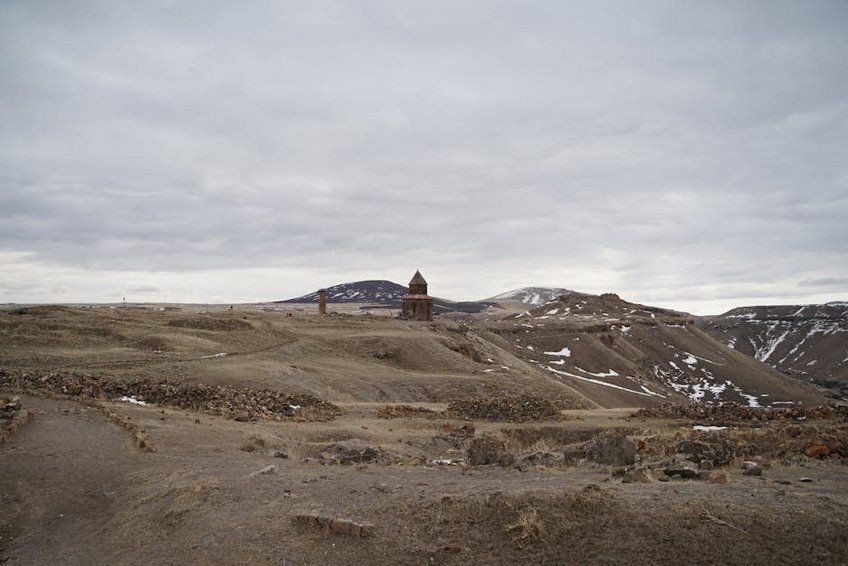
Alt: “ani-ruins-cathedral-silhouette-sunset-plateau-landscape”
Ani Ruins Travel Guide – Planning Your Trip
Successful visits to this remote location hinge on careful logistical planning, as services are minimal on-site. The nearest major city is Kars, which serves as the essential base for any excursion to the ancient city. You will need to arrange transport, purchase tickets, and potentially hire a guide from there, making advance preparation non-negotiable for a smooth experience.
Budget considerations are straightforward but important. Costs are dominated by transport from Kars and the entry fee. Investing in a knowledgeable, licensed guide is highly recommended to unlock the site’s deep historical narratives, as informational placards are limited. Allocate a full day for the journey from Kars, the exploration, and return, as rushing would diminish the experience.
Best Time to Visit the Ani Ruins
The ideal visiting window is between late May and late September, when daytime temperatures are pleasant, ranging from 65°F to 80°F (18°C to 27°C), and the access roads are fully clear. This period offers long daylight hours for extensive exploration and the best conditions for photography, with green grasses contrasting against the ancient stone. July and August see the most visitors, but crowds are still modest compared to major European sites.
Shoulder seasons of April-May and October are possible but come with significant weather caveats. Temperatures can be chilly, between 40°F and 60°F (4°C to 15°C), with a high chance of rain, sleet, or even late-season snow. The plateau is extremely exposed and can become muddy and windswept. Winter, from November to March, is generally inaccessible due to heavy snow blocking the roads.
Budget Planning and Costs
Your daily budget varies significantly based on travel style and guide services.
Essential Preparation Checklist
Packing correctly is crucial for comfort and safety on the exposed plateau. Essentials include sturdy, broken-in hiking shoes for uneven terrain, multiple layers (a windproof and waterproof jacket is mandatory), a wide-brimmed hat, high-SPF sunscreen, and sunglasses. Carry all necessary water and snacks for the day, as there are no concessions at the ruins, only a small visitor center.
Ensure your passport is with you, as police checks near the border area are possible. Book your Kars accommodation at least a month in advance for summer trips. For independent travelers, download offline maps of the region. If hiring a guide, arrange this a few days before from Kars through your hotel or a reputable local tour agency.
Top Sites and Exploration Routes
While the entire zone invites exploration, focusing on key clusters helps manage your time effectively across the vast site. Start at the main entrance near the ticket office, which places you by the powerful city walls. From there, a main path leads westward across the plateau, connecting most major monuments in a logical, though lengthy, walking tour that can take 3-5 hours at a leisurely pace with stops.
Prioritize the structures that have retained their form and detail. The Cathedral is the undeniable centerpiece, while the Church of St. Gregory of Tigran Honents offers the best-preserved interior frescoes. Allocate time to walk to the cliff edge for views of the river ravine and the distant Armenian territory, a perspective that underscores the site’s strategic and isolated geography.
Must-See Architectural Highlights
The Cathedral of Ani, completed in 1001 AD, is the symbolic heart of the ruins. Designed by the famed architect Trdat, its innovative ribbed vaulting and pointed arches hint at Gothic styles that would emerge centuries later in Europe. Its haunting, roofless shell stands against the sky, creating a powerful silhouette that dominates photographs of the site.
The Church of St. Gregory of Tigran Honents, adorned with superb exterior stone carvings, contains relatively well-preserved 13th-century frescoes inside its apse. The Manuçehr Mosque, with its distinctive minaret, represents the important Seljuk layer of history. Don’t miss the delicate remains of the Church of the Holy Redeemer, famously split cleanly in half by lightning.
Hidden Corners and Panoramic Views
Venture beyond the main path to discover quieter, evocative spots. The cave dwellings and chapels carved into the northern cliffside of the ravine, accessible via a steep path, reveal where monks and hermits lived. Exploring this area offers a sense of the daily life that existed apart from the grand city above and provides unique angles for photography.
For the best panoramic overview, walk towards the western edge of the plateau near the remains of the citadel. From here, you can see the full sweep of the city’s layout against the vast Anatolian plain. This is also an excellent spot for sunset, as the low light bathes the red-tinted stone of the ruins in a warm, golden glow.
Understanding the City Walls and Gates
Ani’s formidable double walls, originally stretching for over 2.5 miles, were a marvel of medieval military engineering. The most impressive surviving section is near the main entrance, where you can see the massive stone blocks and the Lion Gate, named for its now-faded lion relief. Walking along these walls illustrates the city’s defensive might and offers elevated views into the site.
Notice the strategic placement of semi-circular bastions and the complexity of the gates. These fortifications successfully withstood numerous sieges for centuries, protecting the wealth within. Their eventual breach marked turning points in the city’s history, making them not just stone barriers but chronological markers of Ani’s resilience and decline.
Practical Travel and Logistics
Accessing Ani requires basing yourself in the city of Kars, approximately a 45-minute to one-hour drive away. Kars offers the necessary infrastructure—hotels, restaurants, tour agencies, and car rentals—that the ruins site itself completely lacks. All visits, whether independent or guided, originate from here, making your choice of Kars accommodation and transport the foundation of your trip.
Accommodation in Kars ranges from basic guesthouses to comfortable, centrally located hotels. Staying near the city center puts you close to amenities, restaurants serving famous Kars honey and goose meat, and the historic Kars Castle for additional exploration. Book your stay in advance during the peak summer months to ensure availability and the best rates.
| Accommodation Type in Kars | Key Features & Recommendations | Price Range/Night (USD) |
|---|---|---|
| Budget Guesthouse | Basic rooms, shared bathrooms, often family-run, central location for exploring Kars old town. | $20 – $35 |
| Mid-Range Hotel | Private bathrooms, heating, free WiFi, on-site restaurant, help arranging Ani tours and taxis. | $45 – $80 |
| Luxury/Boutique Hotel | Historical building conversion, premium amenities, superior service, airport transfers, expert concierge for planning. | $100 – $180 |
| Self-Catering Apartment | Kitchenette, more space for families or groups, located in residential areas of Kars. | $30 – $60 |