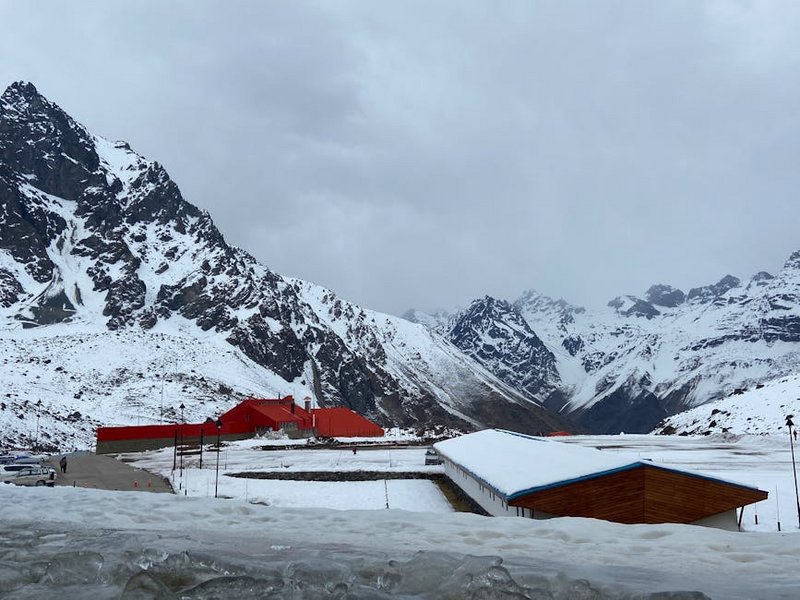
Andes Mountain Routes in Chile: Your Ultimate High-Altitude Adventure
Chile’s section of the mighty Andes presents a spectacular wilderness playground for hikers, climbers, and nature lovers. These Andes Mountain routes in Chile offer everything from gentle day hikes past turquoise lagoons to multi-week technical ascents up some of the continent’s highest peaks. Your adventure will traverse diverse ecosystems, from arid deserts to sprawling glaciers, providing unparalleled scenic rewards. This guide details the planning, routes, and insider knowledge you need to explore this world-class mountain range safely and memorably.
Essential Information About Chile’s Andes
The Chilean Andes form the colossal spine of the country, stretching over 4,300 kilometers from the northern border with Peru down to Patagonia. This mountain range is not a monolithic wall but a diverse series of cordilleras, volcanoes, and valleys. Its geography creates distinct climbing and trekking zones, each with unique challenges and landscapes.
Access points vary dramatically by region, with major hubs like Santiago providing gateways to central routes. The climate shifts from extreme aridity in the north to intense glaciation in the south. Understanding these regional nuances is the first step in choosing your ideal high-altitude journey.
Understanding the Mountain Regions
Chile’s portion of the cordillera is best divided into three primary sections for travelers. Each offers distinct experiences, difficulty levels, and optimal visiting seasons.
- Northern Andes (Atacama Region): Characterized by high-altitude volcanoes over 6,000 meters, extreme dryness, and vast salt flats. Routes here, like ascending Volcán Licancabur, are technically moderate but demand excellent acclimatization due to the thin air.
- Central Andes (Near Santiago & Aconcagua): Home to South America’s highest peak, Aconcagua (6,961m), on the Argentine border. This region features classic trekking circuits like the popular Cajón del Maipo and numerous 5,000-6,000m peaks suitable for technical alpine climbing.
- Patagonian Andes (South): Defined by the iconic Torres del Paine and Cerro Fitz Roy massifs. Routes here are less about extreme altitude and more about navigating fierce winds, complex weather, and stunning glacial terrain on world-famous trails.
- Budget Trekker ($800-$1,500): Focuses on free or low-cost trails, camping with your own gear, and using public transport. This covers park entry fees, grocery-store food, and bus travel. It requires self-sufficiency and foregoing guided climbs or luxury refugios.
- Mid-Range Hiker ($2,000-$4,000): Allows for booking popular all-inclusive trekking services (like the W Trek), renting quality gear, staying in some refugios, and using occasional taxis to trailheads. This tier offers a good balance of comfort and immersion.
- Guided Expedition ($5,000-$12,000+): Necessary for technical climbs like Aconcagua or guided traverses. This includes certified guide fees, all meals, group equipment, porters or mule support, and pre-arranged logistics. This is the standard for high-altitude mountaineering.
- Chile Travel Official Tourism Board
- CONAF National Parks and Reserves
Climate and Seasonal Considerations
The weather in the Andes is notoriously volatile and varies significantly by latitude and elevation. Summer (December to March) brings the most stable conditions for high-altitude activities across most regions. However, Patagonia remains famously windy even during this period.
Winter (June to September) transforms the central and southern ranges into a destination for ski touring and mountaineering on snow-covered volcanoes. The northern desert region can be visited year-round, though winter nights are extremely cold. Always prepare for rapid weather changes, regardless of the forecast.
Permits, Regulations, and Conservation
Access to many protected areas requires purchasing permits in advance. National parks like Torres del Paine have daily entry quotas for specific trails, especially the W Trek and O Circuit. Book these permits online months ahead for the peak season.
For high-altitude peaks like Aconcagua, a formal climbing permit costing several hundred dollars is mandatory. The “Leave No Trace” ethic is critically important in these fragile environments. Use established campsites, carry out all waste, and respect all fire bans to preserve the pristine landscapes.
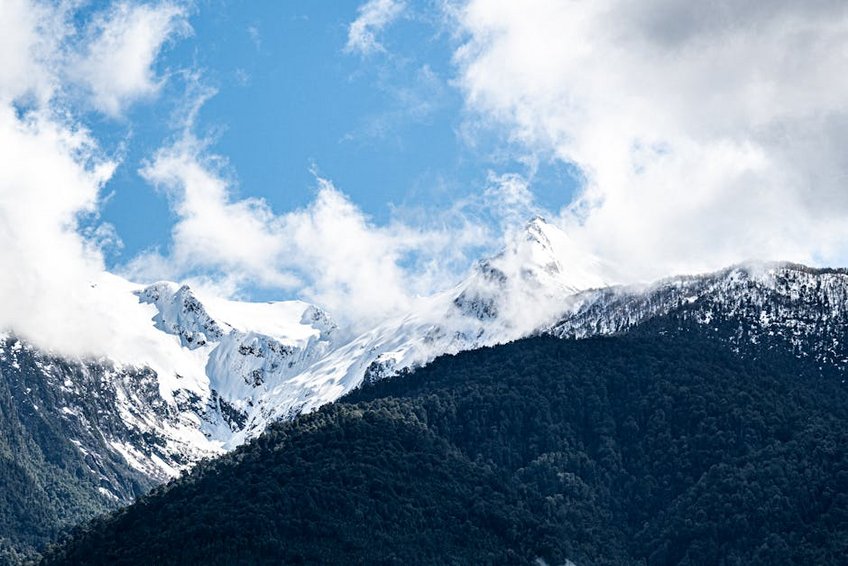
Alt: “andes-mountain-range-chile-snowy-peaks-glacial-valley”
Andes Mountain Routes in Chile – Planning Your Trip
Careful planning separates a successful mountain expedition from a difficult ordeal. Your itinerary should balance ambition with realism, considering fitness, experience, and the logistical challenges of remote terrain. Factor in ample time for acclimatization when exceeding 3,000 meters in elevation, as altitude sickness can affect anyone.
Budget realistically for specialized gear rentals, qualified guides for technical terrain, and transportation to often-remote trailheads. Chile’s infrastructure is good, but reaching the mountains requires combining flights, buses, and sometimes private transfers. Research and book key elements like permits and refugios (mountain huts) well in advance.
Best Time to Visit the Chilean Andes
The optimal trekking and climbing window in the central and northern Andes runs from late November through early April. During these months, temperatures range from 50-70°F (10-21°C) during the day at mid-elevations, with colder conditions at higher camps. This period offers the most stable weather and accessible passes.
For Patagonian routes, the shorter summer season of January and February is prime, despite persistent winds. Shoulder months like October, November, April, and May see fewer crowds but bring unpredictable storms and colder temps, often dipping below freezing at night. Winter is reserved for ski mountaineering adventures.
Budget Planning and Costs
Costs vary widely based on your chosen route, independence, and comfort level. Here is a breakdown of typical budgets for a 7-10 day trip.
Essential Preparation Checklist
Packing correctly is non-negotiable for mountain safety. Your kit must handle four seasons in one day. Invest in a high-quality waterproof and windproof shell jacket (Gore-Tex recommended), insulated layers, and sturdy, broken-in hiking boots. A sleeping bag rated to at least 20°F (-7°C) is essential for camping.
Secure comprehensive travel insurance that explicitly covers high-altitude trekking and helicopter evacuation. Arrange necessary visas for your passport nationality; US and EU citizens receive a 90-day tourist card on arrival. Begin a fitness regimen months in advance, focusing on cardiovascular endurance and leg strength with weighted pack training.
Top Trekking and Climbing Routes
The variety of paths through the cordillera caters to all skill levels. From well-marked national park circuits to remote glacial approaches, each journey offers a unique perspective. The scenery consistently features jaw-dropping vistas of granite spires, deep blue lakes, and active volcanoes.
Success on these trails depends on respecting the environment and your own limits. Always check conditions with local park offices (CONAF) before departure, as trail status can change due to weather or maintenance. Carrying detailed maps and a GPS device, even on popular routes, is a fundamental safety practice.
Must-See Highlights and Classic Trails
The Torres del Paine “W Trek” in Patagonia is a world-famous 5-7 day route. It passes the iconic three granite towers, Grey Glacier, and the French Valley. Book refugios or campsites through Vertice or Fantastico Sur websites almost a year in advance for peak season.
Near Santiago, the multi-day trek through the Cajón del Maipo to the San Francisco Glacier offers an accessible Andes experience. For peak baggers, ascending Volcán Villarrica (2,847m), an active volcano near Pucón, provides a thrilling guided climb involving ice axes and crampons on its glacier cap.
The demanding “Dientes de Navarino” circuit on Navarino Island is the southernmost trek in the world. This remote 5-day adventure features peat bogs, rugged passes, and views to Cape Horn, requiring total self-sufficiency.
Hidden Gems and Lesser-Known Paths
Escape the crowds in the Cochamó Valley, often called the “Chilean Yosemite.” This area north of Patagonia features massive granite walls, temperate rainforests, and natural hot springs. Access involves a horseback ride or hike into the valley, with basic camping available.
The Altos de Lircay Reserve in central Chile offers a fantastic 2-3 day loop through native lenga forests to panoramic viewpoints of distant volcanoes. It sees far fewer international tourists than the major parks. The high-altitude lagoons near the Argentine border in the Lake District, like Lagunas del Altar, provide stunning day-hike destinations.
High-Altitude Mountaineering Objectives
For certified climbers, Chile presents premier objectives. Aconcagua, the highest peak in the Americas, is a major expedition requiring 18-21 days for proper acclimatization. It’s a non-technical “walk-up” but a severe altitude test.
In the Norte Chico, the 6,893-meter summit of Ojos del Salado, the world’s highest volcano, involves navigating a high-altitude desert approach and some technical sections near the top. Climbs on the pristine glaciers of the Patagonian Ice Cap represent the pinnacle of technical alpine challenges in the hemisphere.
Practical Travel and Logistics
Navigating Chile’s vast length requires strategic planning. Domestic flights on LATAM or Sky Airline connect major hubs like Santiago, Calama (for Atacama), and Punta Arenas (for Patagonia) efficiently. For overland travel, modern long-distance buses are comfortable and reliable for reaching secondary cities.
Renting a vehicle offers maximum flexibility, especially for exploring the central valleys and Lake District. A 4×4 is rarely mandatory for main routes but can be helpful for reaching remote trailheads. Always have cash (Chilean Pesos) for small towns, park fees, and rural vendors, as cards are not universally accepted.
| Accommodation Type | Description & Best For | Avg. Price Range (USD) |
|---|---|---|
| Mountain Refugio/Hut | Basic dorm beds & meals on popular treks; must book ahead. | $50 – $120 per night (with meals) |
| Hostel/Guesthouse | Budget lodging in gateway towns; great for meeting other hikers. | $15 – $40 per night |
| Mid-Range Hotel | Comfortable hotels in cities like Santiago or Puerto Natales. | $80 – $180 per night |
| Eco-Camp or Luxury Lodge | Unique dome accommodations with full service in scenic parks. | $300 – $800+ per night |