Ancient Egypt Tour in Cairo: Unveiling Millennia of History
Exploring Cairo on an Ancient Egypt tour connects you directly with one of humanity’s oldest civilizations, standing before monuments built over 4,500 years ago. Your journey weaves through the iconic Pyramids of Giza, the silent Sphinx, and the vast collections of the Egyptian Museum, offering a tangible link to pharaohs and their timeless legacy. This guide details the essential sites, optimal travel strategies, and cultural insights to maximize your visit to this unparalleled historical epicenter.
Essential Historical Context for Your Visit
Understanding the timeline enriches every site you will see. Ancient Egyptian civilization is divided into key periods: the Old Kingdom known for pyramid construction, the Middle Kingdom for its reunification, and the New Kingdom famous for powerful pharaohs like Ramses II. These eras spanned from around 3100 BCE to 30 BCE, leaving behind the architectural and artistic wonders that define Cairo’s landscape today.
The concentration of relics around Cairo stems from its proximity to the ancient capital of Memphis. This strategic location on the Nile made it the administrative and cultural heart for millennia. Consequently, discoveries from across Egypt were often brought here, culminating in world-class repositories like the Grand Egyptian Museum.
Key Periods and Their Monuments
Recognizing which era produced which monument adds depth to your exploration.
- Old Kingdom (c. 2686–2181 BCE): This era gives us the Pyramids of Giza and the Step Pyramid of Djoser in Saqqara, representing the earliest large-scale stone constructions and the pinnacle of pyramid engineering.
- New Kingdom (c. 1550–1069 BCE): While its major temples are in Luxor, this period’s artifacts, like the treasures of Tutankhamun, are housed in Cairo’s museums, showcasing a peak in artistic wealth and imperial power.
- Ptolemaic Period (305–30 BCE): The last dynasty of ancient Egypt, including Cleopatra VII, left structures like the Temple of Philae (relocated near Aswan) and influenced the art and religion you’ll see in later museum collections.
- Budget Travel: ($60-100 USD/day) Join a shared group day tour covering Giza and the museum ($40-60), use ride-hailing apps for transport, and stay in hostels or budget hotels in Downtown Cairo. Self-guided audio tours can save on guide costs.
- Mid-Range Private: ($150-250 USD/day) This offers the best value, featuring a dedicated Egyptologist guide, private air-conditioned vehicle, pre-booked entry tickets to skip lines, and stays in 4-star hotels in Zamalek or near the Giza plateau.
- Luxury & In-Depth: ($400+ USD/day) Includes stays at 5-star Nile-view hotels, renowned expert guides, private access to sites like the Giza Plateau at sunrise or sunset, and extended tours to lesser-known sites like Dahshur and Memphis.
- Egyptian Tourism Authority
- UNESCO World Heritage – Memphis and its Necropolis
Deciphering Hieroglyphs and Symbols
Learning a few common symbols turns museum visits into treasure hunts. The ankh symbol represents life, the scarab beetle symbolizes rebirth and transformation, and the Eye of Horus offers protection. Guides often point these out on sarcophagi and temple walls.
Cartouches, oval shapes containing royal names, are another fun element to spot. Identifying the names of Ramses or Tutankhamun within these loops connects you directly to the individuals who ruled this ancient land. Many tour guides provide simple primers on these symbols during transit between sites.
Ancient Egypt Tour in Cairo – Planning Your Trip
Strategically planning your Ancient Egypt tour in Cairo ensures you see the highlights comfortably while navigating the city’s climate and crowds. Prioritize booking entry tickets for the Giza Plateau and the Grand Egyptian Museum online in advance to avoid exceptionally long queues, especially from October through April. Allocate a minimum of three full days to cover the primary sites without feeling rushed.
Budget allocation should account for several components. Major costs include site entry fees, a qualified Egyptologist guide, private transportation between dispersed sites, and accommodation. A mid-range private tour typically costs between $150 to $250 USD per person per day, covering guide, driver, and entry tickets.
Best Time to Visit Cairo for Historical Tours
The optimal window for Cairo historical excursions is during the cooler months from October to early April. Daytime temperatures range from a pleasant 70°F to 80°F (21°C to 27°C), making extensive outdoor exploration at the Pyramids and Saqqara far more comfortable. This is also the peak tourist season, so advance booking is non-negotiable.
Shoulder months like May and late September offer a trade-off. You’ll encounter warmer weather, with highs reaching 90°F (32°C), but significantly smaller crowds. The summer months from June to August are intensely hot, often exceeding 100°F (38°C), which can be challenging for full-day archaeological site visits.
Budget Planning and Costs
Your total cost varies dramatically based on travel style and group size.
Essential Preparation Checklist
Packing correctly is crucial for desert site visits. Essentials include sturdy, comfortable walking shoes for uneven terrain, a wide-brimmed hat, high-SPF sunscreen, and a reusable water bottle. A lightweight scarf is useful for sun protection and for covering shoulders when required.
Ensure your travel documents are in order. Most Western nationals require a visa, obtainable online as an e-visa before travel. Travel insurance that covers medical evacuation is highly recommended. Book your main tour guide and key museum tickets at least one month prior for peak season travel.
Alt: “giza-pyramids-camel-ride-desert-sphinx-background”
Top Archaeological Sites and Activities
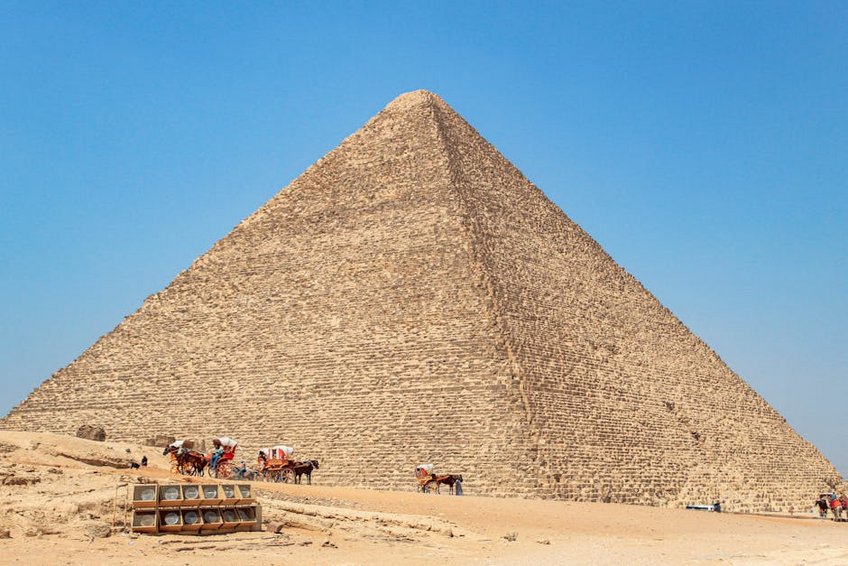
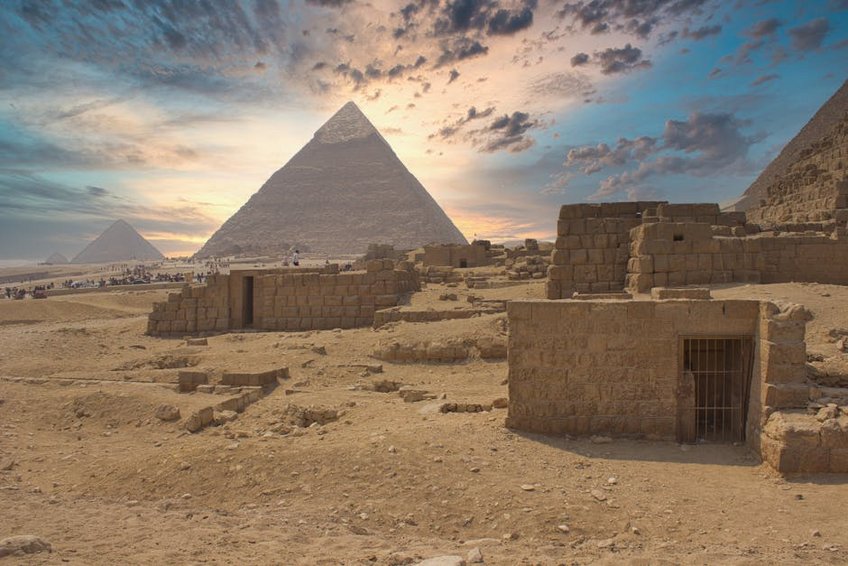
The Giza Plateau remains the undeniable centerpiece, home to the Great Pyramid of Khufu, the only surviving wonder of the ancient world. A few kilometers south, Saqqara showcases the evolution of the pyramid with Djoser’s Step Pyramid, the oldest colossal stone building in Egypt. These two areas together illustrate over a century of architectural experimentation.
Complement the pyramids with the monumental collections of the Grand Egyptian Museum (GEM) in Giza, which houses the complete Tutankhamun treasure collection. For a deeper dive, the older Egyptian Museum in Tahrir Square holds an immense number of artifacts in a more classical, densely packed setting.
Must-See Highlights
The Great Pyramid of Giza allows limited interior access to the ascending passages and chambers for an additional fee, a cramped but unforgettable experience. Allocate at least 3-4 hours at the Giza complex to see the three main pyramids, the panoramic viewpoint, and the Sphinx enclosure up close.
At Saqqara, don’t miss the interior of the Pyramid of Teti, where you can see ancient pyramid texts carved on the walls, and the Mastaba of Mereruka, featuring exceptionally detailed and colorful daily life scenes. Visiting these sites requires a separate ticket from Giza and is best done with a guide to explain the historical progression.
Hidden Gems and Local Favorites
Venture to Dahshur, a quieter pyramid field about 40 km south of Giza. Here you can see the Bent Pyramid and the Red Pyramid, the latter of which you can enter without the crowds of Giza and experience the deep, descending climb into the burial chambers in relative solitude.
In Cairo itself, explore the Coptic Cairo area to see how ancient Egyptian influences persisted into the early Christian era. The Hanging Church is built atop a Roman gatehouse, and the nearby Coptic Museum holds artifacts that show the fusion of Pharaonic and Christian symbolism.
Nile River Cultural Perspectives
A felucca sailboat ride on the Nile at sunset provides a reflective counterpoint to a day of historical exploration. This traditional wooden boat offers serene views of the city from the water and underscores the vital role the river played in nourishing the ancient civilization you’ve been studying all day.
Practical Travel Information and Logistics
Navigating Cairo’s sites efficiently requires understanding the distances and transportation options. The main historical sites are spread across a wide area: Giza, Saqqara, and the Egyptian Museums are not within walking distance of each other. Hiring a private driver for the day or booking a tour with included transport is the most efficient and comfortable solution.
Accommodation choices should balance convenience with experience. Staying in Giza offers close proximity to the pyramids for early morning visits, while Zamalek Island provides a quieter, greener base with easy access to downtown and museums via short taxi rides.
| Category | Options/Features | Price Range (USD) |
|---|---|---|
| Site Entry Fees (Per Person) | Giza Plateau General Entry, Great Pyramid Interior, Solar Boat Museum | $25 – $40 |
| Private Guide (Full Day) | Licensed Egyptologist, 8 hours, includes planning and commentary | $80 – $150 |
| Inter-City Transport | Private car with driver, fuel, and parking for a full day | $40 – $70 |
| Museum Tickets | Grand Egyptian Museum (GEM) or Egyptian Museum Tahrir | $20 – $30 |