Amsterdam Travel Guide: Experience the Canals, Culture, and Charm
Navigating Amsterdam requires a blend of historical appreciation and modern practicality, from understanding its 17th-century Golden Age layout to mastering its efficient tram system. Your Amsterdam travel guide is essential for balancing iconic museum visits with serene canal-side moments, ensuring you experience both the Rijksmuseum’s masterpieces and hidden *hofje* courtyards. This guide provides the specific timing, budgeting, and local tips you need to craft a seamless visit to Europe’s most bicycle-friendly capital.
Essential Amsterdam Information
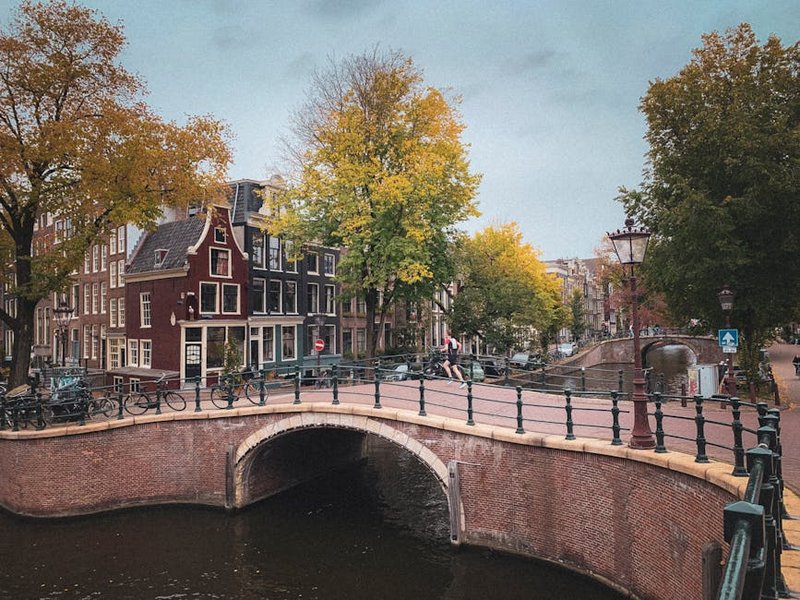
Amsterdam, the capital of the Netherlands, is built around a concentric ring of canals declared a UNESCO World Heritage site. The city’s core, Centrum, contains the famous Canal Belt, while neighborhoods like Jordaan and De Pijp offer distinctly local atmospheres. Understanding this geographic and cultural layout is the first step to moving beyond the tourist crowds.
The official language is Dutch, but English fluency is exceptionally high, making communication easy for international visitors. The Netherlands uses the Euro (EUR) and operates on Central European Time (CET). The city is generally safe, with standard urban precautions advised, especially in crowded areas like the Red Light District at night.
City Layout and Key Districts
Knowing the main districts helps orient your itinerary and accommodation choices effectively.
- Centrum: The bustling historic center containing the Red Light District, Dam Square, and the Anne Frank House. It’s ideal for first-time visitors wanting proximity to major sights but can be crowded.
- Jordaan: A former working-class area west of the center, now a charming neighborhood with art galleries, indie boutiques, and atmospheric cafes. It’s perfect for a quieter, more residential feel.
- De Pijp: Known as the “Latin Quarter,” this vibrant, diverse area south of the center is home to the Albert Cuyp Market and a plethora of international restaurants and trendy bars.
- Oud-West & Oost: These residential areas offer a genuine local vibe, beautiful parks like Vondelpark, and excellent food scenes, requiring slightly more travel to the center.
- Budget Traveler ($80-120/day): Stay in hostels or budget hotels outside the center, purchase a multi-day transit pass, enjoy supermarket meals and street food (like stroopwafels), and focus on free walking tours and park visits. Museum visits require careful selection.
- Mid-Range Traveler ($150-250/day): Affords a comfortable hotel in Jordaan or De Pijp, a Museumkaart for unlimited museum entry, daily canal bike rental, and sit-down meals at casual *eetcafés*. This tier allows for a balanced experience of paid attractions and local dining.
- Luxury Traveler ($350+/day): Enables stays at canal-house boutique hotels or five-star properties, private guided museum tours, fine dining at renowned restaurants like Rijks or De Kas, and private boat tours. This budget prioritizes exclusive experiences and premium locations.
- I amsterdam Official City Portal
- Netherlands Board of Tourism & Conventions
- GVB Amsterdam Public Transport
Visa and Entry Requirements
For US, UK, Canadian, and Australian passport holders, tourist visits of up to 90 days within the Schengen Area do not require a visa. Your passport must be valid for at least three months beyond your planned departure date from the Schengen zone. Always check the latest entry requirements through official government channels before booking.
Upon arrival, you may need to show proof of onward travel and sufficient funds for your stay. The Netherlands participates in the European Union’s ETIAS authorization system, which will become mandatory for visa-exempt visitors in 2025, requiring an online application before travel.
Local Customs and Etiquette
Dutch culture values directness and practicality. Don’t misinterpret straightforward communication as rudeness; it’s a sign of respect and efficiency. Bicycles have absolute right of way on dedicated paths—never walk in a red-paved bike lane.
Tipping is not obligatory as service charges are included, but it’s customary to round up the bill or leave 5-10% for excellent service in restaurants. A small tip of €1-2 is standard for hotel porters and bathroom attendants.
Alt: “amsterdam-canal-houses-bicycles-bridge-historic-center”
Amsterdam Travel Guide – Planning Your Trip
Crafting your Amsterdam itinerary demands seasonal awareness and strategic booking. The city’s compact size is deceptive; its wealth of attractions means you must prioritize based on interest, whether that’s art history, culinary exploration, or simply canal-side relaxation. An effective Amsterdam travel guide helps you allocate time between must-see institutions and spontaneous discovery.
Booking timed-entry tickets for major museums weeks or even months in advance is non-negotiable for peak season visits. Pair this with a flexible mindset for exploring less crowded neighborhoods on foot. Your daily plan should cluster sights geographically to minimize transit time.
Budgeting accurately requires understanding that while some costs (like public transport) are fixed, accommodation prices can triple during events like King’s Day or the Christmas markets. Planning shoulder-season travel offers significant savings and a more relaxed pace.
Best Time to Visit Amsterdam
The peak tourist season runs from April to September, with the absolute zenith in July and August. Spring (April-May) is iconic for tulip season, with temperatures ranging from 50-64°F (10-18°C), but requires booking everything far in advance. Summer brings long days and warmth, 63-71°F (17-22°C), but also the largest crowds and highest prices.
Shoulder seasons, late March-April and September-October, often provide the best balance of decent weather, 46-61°F (8-16°C), and thinner crowds. Winter (November-February), 34-43°F (1-6°C), is cold and dark but magical during December’s Light Festival and Christmas markets, with the lowest hotel rates outside of the holidays.
Budget Planning and Costs
Amsterdam is a moderately expensive European city. Your daily budget varies dramatically based on accommodation choice and dining preferences.
Essential Preparation Checklist
Pack for changeable weather: a waterproof jacket, comfortable walking shoes, layers, and an umbrella are mandatory regardless of season. A universal power adapter (Type C/F, 230V) is required for charging devices. Download essential apps: the official GVB app for public transport, Google Maps for walking/cycling, and museum apps for audio guides.
Secure travel insurance that covers medical emergencies and trip cancellation. Book high-demand attractions (Anne Frank House, Van Gogh Museum) immediately upon ticket release, typically 4-6 weeks ahead. For EU travelers, ensure your EHIC/GHIC card is valid for emergency medical care.
Top Attractions and Dutch Experiences
Amsterdam’s cultural offerings are world-class, spanning centuries of art history, poignant historical sites, and unique urban landscapes. The challenge lies not in finding things to do, but in curating a list that matches your pace and passions. Beyond the headline museums, the city’s charm unfolds in its markets, its parks, and its quiet residential corners.
A successful visit interweaves scheduled ticketed entries with ample unstructured time for canal-gazing and café lingering. Prioritize one major museum per day to avoid cultural fatigue. Remember that many lesser-known museums and experiences offer equally rich insights without the queues.
Must-See Highlights
The Rijksmuseum is the premier repository of Dutch Golden Age art, home to Rembrandt’s “The Night Watch” and Vermeer’s “The Milkmaid.” Allocate at least three hours and enter via the museum’s less crowded side entrance. Pre-book tickets online for a specific time slot to bypass long lines.
The Anne Frank House provides a profoundly moving historical experience. Tickets are released online exactly six weeks in advance at noon CET and sell out within hours. The Van Gogh Museum houses the world’s largest collection of the artist’s works; book a timed ticket for the first slot of the day to enjoy the galleries at their quietest.
Exploring the Canal Ring by foot or water is essential. A 1-hour canal cruise offers a foundational orientation, while renting your own electric “boaty” or joining a small-boat tour provides a more intimate perspective on the 17th-century architecture.
Hidden Gems and Local Favorites
Visit the Begijnhof, a serene hidden courtyard of 14th-century almshouses tucked behind a nondescript door near Spui square. This peaceful enclave offers a respite from the city bustle and a glimpse into its medieval history. Respect the quiet, as it is still private residential space.
The Amsterdam Public Library (Openbare Bibliotheek Amsterdam) near Central Station has a free rooftop lookout with one of the best panoramic views of the city. The NDSM Wharf in Amsterdam-Noord, reached by a free ferry, is a sprawling repurposed shipyard filled with street art, creative studios, and eclectic restaurants.
For a classic local experience, join Amsterdammers in Vondelpark for a picnic or bike ride, or browse the daily Albert Cuyp Market in De Pijp for fresh stroopwafels, cheese, and flowers.
Cycling the City Like a Local
Renting a bicycle is the most authentic way to navigate Amsterdam. Use reputable rental shops like Black Bikes or MacBike, which provide sturdy locks (use two!), city maps, and insurance. Always cycle in the designated red bike lanes, signal with your hands, and obey traffic lights.
Popular cycling routes include the scenic path along the Amstel River south to the windmill at De Riekermolen, or the ferry to Noord followed by a ride through the rural-looking Waterland area. Never leave your bike unlocked, even for a minute, and be mindful of tram tracks to avoid getting your wheel stuck.
Practical Travel and Logistics
Amsterdam’s infrastructure is tourist-friendly but requires understanding a few key systems. The city is served by Amsterdam Airport Schiphol (AMS), one of Europe’s best-connected hubs, and an efficient, integrated public transport network. Choosing the right base and transport pass will save you considerable time and money during your stay.
Accommodation prices correlate directly with proximity to the Centrum and canal views. Staying a 10-15 minute tram ride away in a neighborhood like De Pijp or Oud-West often provides better value, more dining options, and a more authentic atmosphere without sacrificing convenience.
| Accommodation Type | Best For / Features | Price Range/Night (USD) |
|---|---|---|
| Hostel / Budget Hotel | Solo travelers, tight budgets; shared facilities, basic rooms often outside center | $70 – $130 |
| Mid-Range Boutique Hotel | Couples, small groups; stylish design, private bathrooms, prime location in Jordaan or De Pijp | $180 – $300 |
| Canal House Hotel | Special occasions, romantic trips; historic building, characteristic narrow stairs, canal views | $300 – $450 |
| Luxury 5-Star Hotel | Premium service; spas, fine dining, concierge, central locations like Museum Quarter | $450 – $800+ |