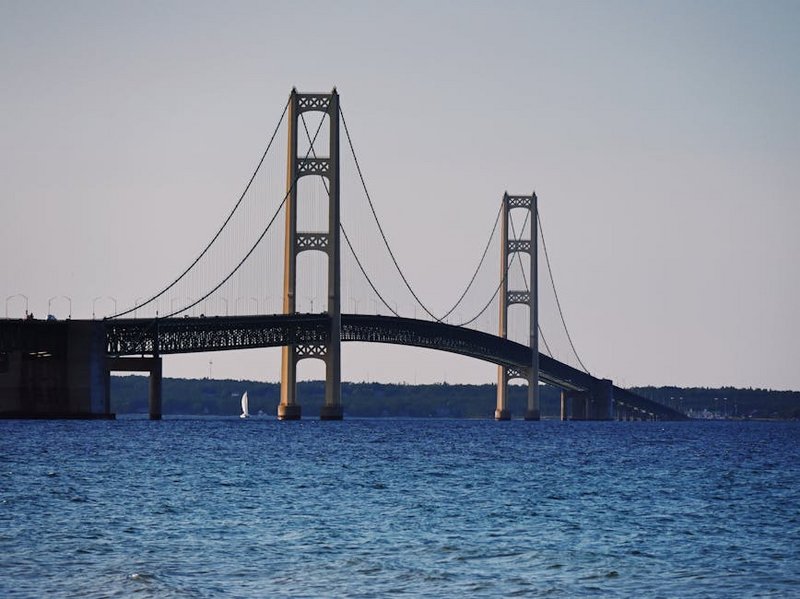
Algeria Constantine Suspension Bridges Travel Guide
Constantine’s suspension bridges span dramatic gorges above the Rhumel River, connecting ancient neighborhoods with modern engineering marvels that date back over a century. Your visit reveals breathtaking views from structures like Sidi M’Cid Bridge alongside rich Roman and Ottoman history preserved in the city’s architecture and cultural sites. This guide covers essential planning details, must-see attractions, and practical tips for navigating Algeria’s historic bridge city efficiently.
Essential Constantine Information
Constantine serves as Algeria’s third-largest city, built atop limestone plateaus divided by the Rhumel River canyons in northeastern Algeria’s Constantine Province. The city’s unique geography necessitated bridge construction beginning in the 19th century, with several spans becoming iconic landmarks recognized for their architectural and historical significance. Constantine’s elevation at approximately 2,100 feet creates a Mediterranean climate with hot summers and cool, wet winters.
Roman Emperor Constantine the Great rebuilt the city in 313 AD, though settlement traces back to Phoenician times as Cirta, the ancient Numidian capital. Ottoman influence arrived in the 16th century, followed by French colonial development that produced many current bridges between 1860 and 1912. Modern Constantine blends these historical layers while maintaining its reputation as Algeria’s “City of Bridges” with seven major spans.
Key Historical Periods
Understanding Constantine’s timeline enhances appreciation for its suspended structures.
- Ancient Era (202 BC-429 AD): Numidian kingdom capital Cirta features early bridge foundations before Roman reconstruction under Constantine I.
- Ottoman Period (1520-1837): Bridge maintenance and new construction supported the city’s strategic position in Ottoman Algeria’s eastern region.
- French Colonial Era (1837-1962): Major suspension bridges built including Sidi M’Cid (1912) using European engineering techniques.
- Budget travelers spend $800-$1,200 weekly using hostels ($15-25/night), public transit ($1-2/ride), and self-guided bridge tours with museum entry fees totaling $5-10 daily.
- Mid-range visitors allocate $1,500-$2,200 for 3-star hotels ($45-75/night), rental cars ($30-40/day), and guided bridge tours ($50-75) including traditional lunch experiences.
- Luxury experiences cost $2,500-$4,000 weekly featuring 5-star accommodations ($120-200/night), private drivers ($80-100/day), and exclusive photography tours with professional guides ($150-200).
- Algeria.com Constantine Travel Guide
- Lonely Planet Constantine Information
Geographical Features and Climate
Constantine perches on rocky outcrops with the Rhumel River carving 500-foot deep gorges through the urban landscape. Summer temperatures reach 86-95°F (30-35°C) between June and August, while winter brings 41-50°F (5-10°C) from December to February with occasional snowfall. The city’s dramatic topography creates microclimates where bridge crossings experience stronger winds than surrounding areas.
Cultural Significance
Local residents view the bridges as symbols of connection between the city’s historic Casbah district and modern developments across the ravines. Traditional music and art frequently incorporate bridge imagery, reflecting their importance in daily life and regional identity. Religious sites near bridges include the Emir Abdelkader Mosque and the historic Catholic Cathedral now serving as cultural centers.
Algeria Constantine Suspension Bridges – Planning Your Trip
Successful Algeria Constantine suspension bridges exploration requires understanding seasonal variations, budget considerations, and necessary preparations for this unique destination. Visiting between April and June offers optimal weather conditions with mild temperatures around 65-75°F (18-24°C) and minimal rainfall affecting bridge access. Budget approximately $1,200-$2,500 for a week-long trip depending on accommodation style and guided tour inclusions.
International travelers need valid passports and Algerian visas obtained before arrival, with processing taking 2-3 weeks through Algerian consulates. Book flights into Mohamed Boudiaf International Airport (CZL) located 5 miles from central Constantine, with connecting options from European hubs like Paris or Istanbul. Reserve hotels 2-3 months in advance for peak season visits between September and November when cultural festivals occur.
Best Time to Visit Constantine Bridges
April through June provides ideal bridge viewing conditions with comfortable 68-77°F (20-25°C) temperatures and minimal 1-2 rainy days monthly. September and October offer similar climate benefits with added cultural events like the Constantine International Music Festival enhancing the experience. Avoid July and August heatwaves reaching 104°F (40°C) that make extended bridge walking uncomfortable without early morning visits.
Winter months from December to February see temperatures dropping to 37-46°F (3-8°C) with increased rainfall potentially limiting photography opportunities. However, hotel rates decrease 30-40% during this off-season period for budget-conscious travelers willing to brave cooler conditions. Spring wildflowers blooming along gorge edges create spectacular backdrops for bridge photographs from March onward.
Budget Planning and Costs
Your Algeria Constantine suspension bridges adventure fits various spending levels with these typical expense ranges.
Essential Preparation Checklist
Pack sturdy walking shoes with grip soles for bridge crossings, lightweight layers for temperature variations, and rain protection for sudden showers common in gorge areas. Bring power adapters for Type C/F outlets (220V), Algerian dinar cash for small vendors, and printed visa documents required at hotel check-ins. Download offline maps since cellular service fluctuates near deep canyon areas.
Secure comprehensive travel insurance covering medical evacuation given the elevated bridge locations and potential for adventure activities. Learn basic French or Arabic phrases for easier communication with locals near bridge entrances and in the medina. Check bridge maintenance schedules online before departure since occasional closures affect access without advance notice.
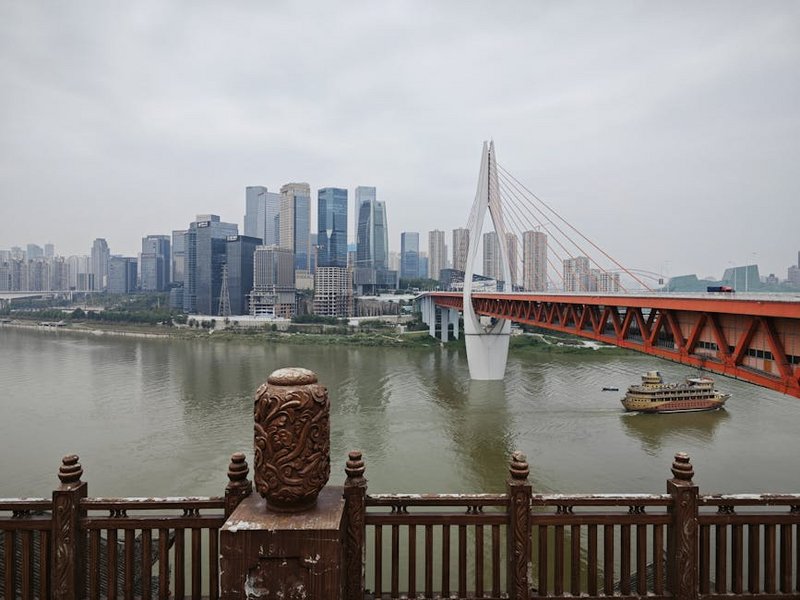
Alt: “constantine-sidi-mcid-bridge-gorge-view-rhumel-river”
Top Bridge Attractions and Activities
Constantine’s suspended structures offer unparalleled views and photographic opportunities across seven major spans connecting the city’s divided plateaus. The most famous bridges include Sidi M’Cid Bridge spanning 525 feet above the ravine and El Kantara Bridge dating to 1863 with Ottoman foundations. Visitors can walk across multiple bridges in a single day using connected pathways through the city’s historic center.
Guided bridge tours typically cover 3-4 major spans with historical commentary, safety information, and optimal photography spots identified by local experts. Independent exploration allows flexibility but requires careful navigation of staircases and narrow pathways between bridge access points. Early morning visits avoid crowds and provide better lighting conditions for capturing the dramatic canyon landscapes.
Must-See Bridges
Sidi M’Cid Bridge represents Constantine’s iconic symbol at 525 feet high, constructed in 1912 with pedestrian walkways offering dizzying views into the Rhumel Gorge. El Kantara Bridge serves as the oldest major span rebuilt multiple times since 1863, now accommodating vehicle and foot traffic between the Casbah and modern city center. Mellah Slimane Bridge provides the best photography angles for capturing Sidi M’Cid’s structure from across the canyon.
Perregaux Bridge features unique metal lattice work from 1905 with viewing platforms ideal for observing waterfall formations in the gorge below. The modern Salah Bey Bridge completed in 2014 demonstrates contemporary engineering while maintaining visual harmony with historical structures. Bridge entrance remains free for pedestrians, though guided tours cost $15-25 per person for 2-3 hour comprehensive visits.
Hidden Gems and Local Favorites
Discover the abandoned French-era footbridge near Sidi M’Cid accessed via unmarked trails from the Monument aux Morts area, offering secluded canyon perspectives. Local cafes along Rue Abane Ramdane provide authentic mint tea experiences with panoramic bridge views rarely mentioned in guidebooks. The Rhumel River footpath starting behind the Cirta Museum leads to unique bridge undersides rarely seen by tourists.
Evening bridge illumination creates magical scenes best observed from the gardens near Emir Abdelkader University between sunset and 10 PM. Friday mornings find locals shopping in markets beneath El Kantara Bridge where traditional crafts and street food create vibrant cultural experiences. These lesser-known spots require comfortable walking shoes and local directions for safe access.
Bridge Photography Tips
Golden hour photography from 6-8 AM captures optimal lighting on bridge structures with minimal tourist interference during these early morning hours. Use wide-angle lenses for full bridge captures and telephoto lenses for detailing architectural elements like suspension cables and support structures. Stable tripods prove essential for long exposure shots capturing river movement beneath the spans.
Foggy conditions common in winter months create atmospheric bridge images though they reduce visibility of distant structures. Professional photographers recommend positioning on opposite canyon rims for comprehensive bridge profiles, particularly at Sidi M’Cid and Mellah Slimane locations. Respect local privacy when photographing near residential areas adjacent to bridge access points.
Practical Constantine Travel Information
Navigating Constantine requires understanding the city’s unique transportation options, accommodation varieties, and seasonal considerations for bridge access. The compact city center allows walking between major bridges, though taxis and local buses help connect more distant viewpoints and accommodations. Arabic and French serve as primary languages with limited English signage at bridge entrances and transportation hubs.
Currency exchange facilities operate at Mohamed Boudiaf Airport and downtown banks, though smaller bridge-area vendors accept only Algerian dinar cash payments. Credit cards gain acceptance at major hotels and upscale restaurants but not at street food stalls or local souvenir shops near bridge entrances. Purchase local SIM cards at airport arrivals for reliable navigation between bridge locations.
| Category | Options/Features | Price Range (USD) |
|---|---|---|
| Accommodation | Hostels to 5-star hotels with bridge views, WiFi, breakfast | $15-200/night |
| Transportation | Taxis, rental cars, local buses between bridge areas | $1-40/day |
| Food & Dining | Street food to upscale restaurants with local cuisine | $5-35/meal |
| Activities & Tours | Bridge walking tours, museum entries, photography workshops | $5-150/experience |