Abant Travel Guide: Exploring Turkey’s Highland Paradise
Planning a trip to northwestern Turkey’s stunning lake district requires detailed, practical information. This Abant travel guide provides everything you need for visiting Abant Lake and its surrounding Nature Park, from seasonal activity planning to local cultural insights. You will discover the best hiking trails, authentic dining spots, and logistical tips for a smooth visit to this year-round destination.
Essential Information About Abant
Abant is a freshwater lake and protected nature park located in the Bolu Province of Turkey, approximately 250 kilometers from Istanbul. Situated at an altitude of 1,350 meters, the area spans over 1,300 hectares and is famed for its rich biodiversity and pristine landscapes. The region experiences a transitional climate between the Black Sea and Central Anatolia, resulting in distinct seasonal changes.
The lake itself was formed by a massive landslide, creating the stunning basin that exists today. Abant Nature Park, established for conservation, is home to diverse flora including fir, pine, and hazelnut trees. Wildlife enthusiasts can spot species like red deer, roe deer, and wild boar within the protected forest areas.
Geographical and Historical Context
Understanding Abant’s origins enhances any visit. The lake’s unique geography shapes every experience here.
- The lake basin formed from a tectonic landslide centuries ago, creating its current oval shape and maximum depth of 18 meters. This geological history is visible in the surrounding steep hillsides and rich soil.
- Human history here dates to the Ottoman era, when the area served as a retreat for sultans. The iconic Seven Lakes region, accessible via forest roads, represents a broader ecosystem of interconnected highland water bodies.
- Modern conservation efforts began in 1988 when the area gained official “Nature Park” status. This protection preserves habitats for over 100 bird species and numerous endemic plants found only in this Turkish highland region.
- Budget travelers spending $40-60 daily can utilize Bolu city hotels ($25-35/night), public minibus transport ($3 each way), self-guided hiking, and picnic lunches from local markets. This approach requires accepting a 30-minute commute to the lake but maximizes savings.
- Mid-range visitors allocating $80-120 per day secure lakeside hotel rooms ($60-80/night), enjoy restaurant meals featuring local trout ($12-18), join guided nature walks ($15-25), and rent bicycles ($10/day). This tier offers the best balance of convenience and authentic experience.
- Luxury experiences at $150-250 daily include boutique lodge suites with fireplaces ($120-180/night), private guided tours ($50-75), gourmet multi-course dinners ($30-50), and spa treatments. Premium resorts often provide direct lake access and exclusive photography locations.
- Official Bolu Provincial Directorate
- Lonely Planet Turkey Travel Guide
- Turkish National Parks Official Information
Climate and Seasonal Characteristics
Abant’s weather patterns dictate the ideal timing for various activities. The area receives significant precipitation year-round.
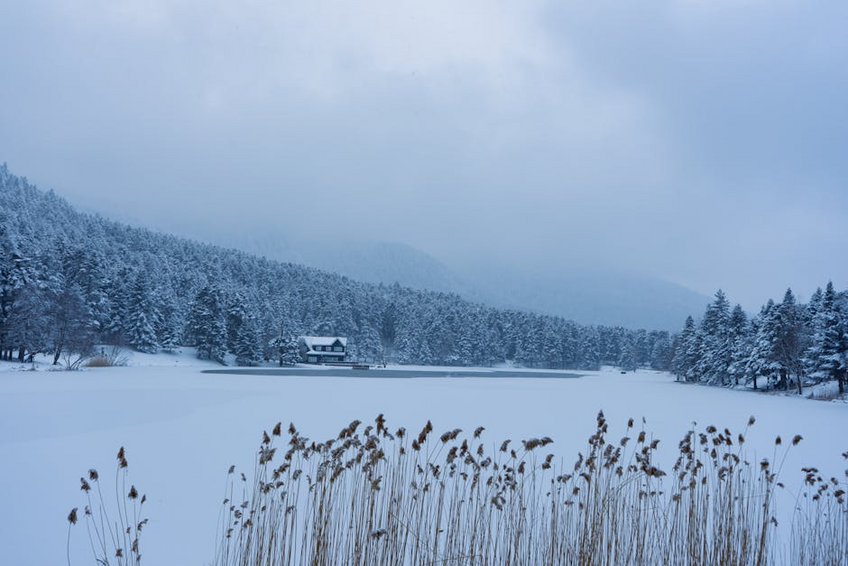
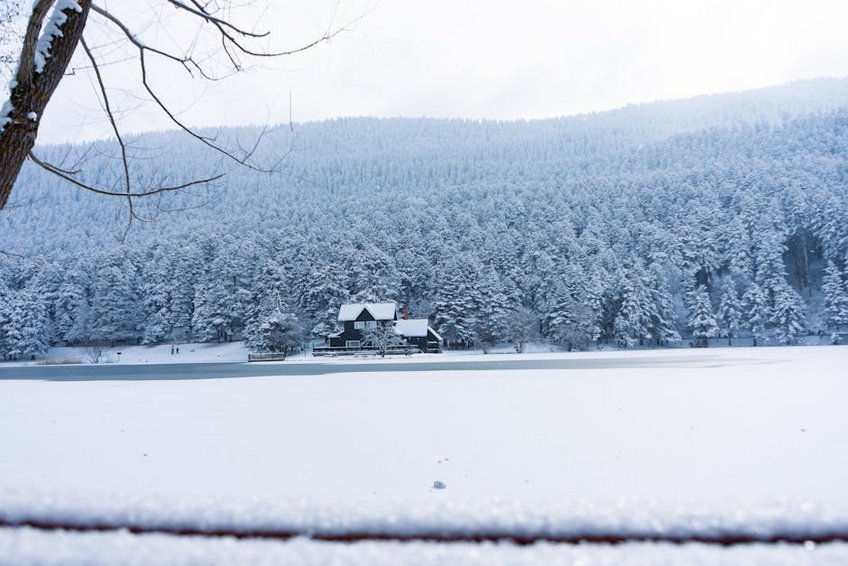
Summer months from June to August offer mild temperatures between 59-77°F (15-25°C) with lush green landscapes perfect for hiking. Meanwhile, winter transforms the park into a snowy wonderland from December through February, with temperatures often dropping to 23°F (-5°C) and heavy snow covering the pine forests. These conditions create two completely different travel experiences in the same location.
Spring and autumn serve as beautiful shoulder seasons with fewer visitors. April-May sees wildflower blooms, while October brings spectacular fall foliage across the deciduous trees. However, these transitional months can bring unpredictable rain showers, so packing layers is essential.
Conservation Status and Park Regulations
Visiting a protected area requires awareness of specific rules designed to preserve the ecosystem.
The entire Abant Lake and its immediate surroundings operate under strict Nature Park regulations enforced by the Turkish Ministry of Forestry. These rules prohibit littering, off-trail hiking, disturbing wildlife, and collecting plants or geological specimens. Designated picnic areas with facilities help concentrate human impact in manageable zones.
Entrance fees contribute directly to conservation programs maintaining trails and wildlife habitats. Overnight camping is restricted to designated areas only, with advance permits required from park authorities. Following these guidelines ensures this Turkish natural treasure remains pristine for future visitors.
Alt: “abant-lake-turkey-forested-shoreline-mountain-backdrop”
Abant Travel Guide – Planning Your Trip
Your visit to this highland destination requires consideration of seasonal offerings and personal interests. The experience differs dramatically between a summer hiking excursion and a winter retreat focused on snowy landscapes and cozy lodges. This Abant travel guide section helps you match your expectations with practical realities.
Budget considerations range from economical day trips to luxurious multi-night stays at lakeside resorts. Transportation options include self-driving, guided tours from Istanbul, or public bus connections via Bolu city. Each choice affects your itinerary flexibility and overall experience in the Nature Park.
Advance preparation is crucial, particularly for accommodation during peak seasons. The limited number of hotels near the lake fills quickly on weekends and during holiday periods. Booking at least one month ahead secures your preferred lodging and potentially better rates.
Best Time to Visit Abant
Timing your trip depends entirely on your desired activities and weather preferences. Each season offers distinct advantages for different types of travelers.
Visit between June and September for optimal hiking conditions, with daily highs around 68-77°F (20-25°C) and minimal rainfall. These months provide long daylight hours for exploring trails and the warmest water temperatures for brief lakeside encounters. July and August bring the largest crowds, particularly on weekends when Istanbul residents escape the city heat.
Choose December through February for winter sports and snowy photography, with temperatures hovering between 23-32°F (-5 to 0°C). The landscape transforms completely under 30-60 cm of snow, creating opportunities for snowshoeing and enjoying fireplace views from lodges. Shoulder months of May and October offer solitude and dramatic seasonal transitions with moderate temperatures of 50-64°F (10-18°C).
Budget Planning and Costs
Daily expenses in Abant vary significantly based on accommodation style and dining choices.
Essential Preparation Checklist
Proper preparation ensures comfort and safety in this mountainous region with changeable weather conditions.
Pack layered clothing including a waterproof jacket, sturdy hiking shoes with ankle support, hat, and gloves regardless of season. Summer visitors need insect repellent and sun protection, while winter travelers require thermal layers, waterproof boots, and traction devices for icy paths. Photography gear should include extra batteries that perform better in cold conditions.
Required documentation includes your passport, international driver’s license if renting a car, and travel insurance covering outdoor activities. Book accommodations 4-6 weeks ahead for summer visits and 2-3 months ahead for winter holiday periods. Check local COVID-19 regulations if applicable, though Turkey generally has minimal entry restrictions for vaccinated travelers.
Top Attractions and Activities in Abant
Abant Nature Park offers diverse experiences beyond simply viewing the picturesque lake. The protected area contains multiple ecosystems supporting various recreational opportunities. Visitors can easily fill 2-3 days with engaging activities suitable for different fitness levels and interests.
The 7-kilometer circular trail around Abant Lake serves as the primary attraction, accessible to most visitors with moderate fitness. Meanwhile, the surrounding forest areas contain additional hiking paths leading to viewpoints and smaller water bodies. Equestrian facilities offer horseback riding along designated trails through pine forests.
Winter transforms the landscape into a destination for snow-based activities when conditions permit. Local operators provide equipment for snowshoeing and guided walks when snowfall reaches sufficient depth. The frozen lake surface occasionally allows for safe walking, though visitors must verify conditions with park authorities first.
Must-See Highlights
Several key locations and experiences define a memorable visit to this Turkish highland destination.
The Lakeside Circular Path provides continuously stunning views across the water toward forested hills. Complete the 7km loop in 2-2.5 hours at a leisurely pace, stopping at wooden piers and observation decks. Early morning offers the best lighting for photography and the highest chance of spotting wildlife near the water’s edge.
Visit the Abant Forestry Museum near the main entrance to understand the region’s ecological significance. This small facility displays local flora and fauna specimens alongside historical forestry tools. Combine this with the nearby Fish Production Station where you can observe trout breeding for the lake’s sustainable fishery.
The Seven Lakes (Yedigöller) region, located approximately 45 minutes north by car, represents Abant’s extended ecosystem. This collection of interconnected glacial lakes offers more secluded hiking opportunities amid dense forest. A day trip here requires private transportation but rewards visitors with even more pristine natural scenery.
Hidden Gems and Local Favorites
Beyond the main lake circuit, several lesser-known spots provide quieter experiences away from weekend crowds.
Explore the southern forest trails leading to Samandere Village for authentic rural encounters. This area features traditional wooden houses and opportunities to observe local farming practices. The trail is moderately challenging but offers panoramic views back toward the lake basin.
Seek out small family-run restaurants in nearby Gölcük village rather than only dining at lakeside hotels. These establishments often serve more authentic regional dishes at lower prices. Try gözleme (stuffed flatbread) prepared fresh while you watch, accompanied by homemade ayran (yogurt drink).
Visit during weekday mornings to experience the park at its most peaceful, even during peak seasons. Most day-trippers arrive after 11 AM, leaving early hours for tranquil wildlife observation and photography with soft morning light. This timing also secures parking at the main entrance, which fills completely by midday on busy days.
Photography and Nature Observation
Abant’s diverse landscapes provide exceptional opportunities for nature photography and wildlife observation throughout the year.
Prime photography locations include the wooden piers extending into the lake, the forest clearing near the northwestern shore, and elevated viewpoints along the southern trail. Seasonal changes offer dramatically different backdrops, from spring wildflowers to autumn colors reflected in calm waters. Sunrise and sunset produce the most dramatic lighting conditions across the landscape.
Wildlife observation requires patience and quiet movement along less-traveled trails. Early morning offers the best chances to spot red deer, particularly during autumn rutting season when males become more visible. Birdwatchers should bring binoculars to identify species like the white-throated kingfisher and various birds of prey hunting over the lake.
Practical Travel Information
Navigating transportation and selecting appropriate accommodation significantly impacts your Abant experience. The destination’s remote highland location requires planning, particularly for visitors without private vehicles. Understanding available options helps create a seamless itinerary matching your travel style and budget.
Accommodation ranges from basic guesthouses in surrounding villages to luxurious lakeside resorts with full amenities. Most visitors prefer staying within walking distance of the lake to maximize their time in nature. However, Bolu city offers more variety and lower prices for those willing to commute daily to the park.
Transportation options include self-driving for maximum flexibility, guided tours from Istanbul for convenience, or public buses combined with local taxis for budget travelers. Each approach has distinct advantages depending on your priorities regarding schedule, cost, and independence during your visit.
| Accommodation Type | Key Features and Locations | Price Range (USD/Night) |
|---|---|---|
| Lakeside Hotels | Direct lake views, fireplace rooms, on-site restaurants, walking access to trails | $80-180 |
| Forest Cottages | Secluded woodland settings, kitchen facilities, private terraces, 5-10 minute drive to lake | $60-120 |
| Bolu City Hotels | Urban amenities, multiple dining options, 30-minute drive to Abant, budget-friendly | $25-50 |
| Guesthouses & Pensions | Family-run, homemade breakfast, local hospitality, basic amenities, near park entrance | $40-70 |